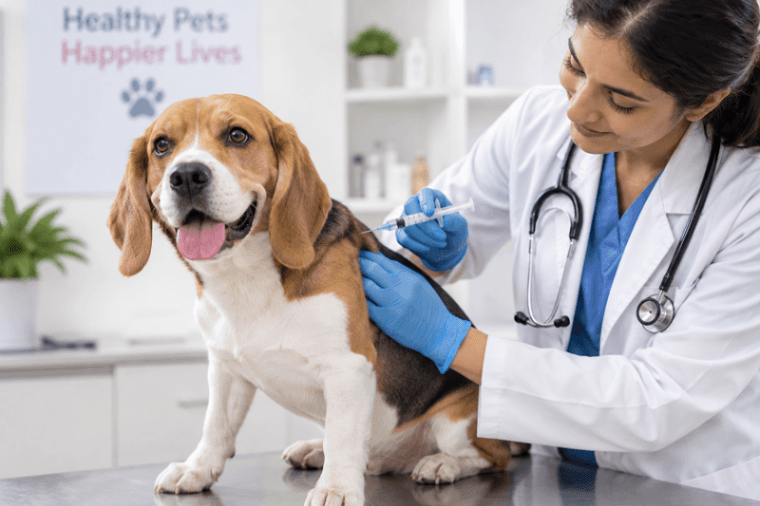
Why Are Pet Vaccinations Important and Why Should You Not Delay Them?
Bringing a puppy or kitten home is an exciting experience, but it also comes with an important responsibility: keeping their vaccinations up to date.
Vaccinations are an essential part of preventive pet healthcare. They help prepare your pet's immune system to fight specific infectious diseases and can reduce the risk of serious illness.
For puppies and kittens, vaccinations are particularly important because their immune systems are still developing. Delaying or skipping scheduled vaccinations can leave them vulnerable to preventable diseases.
In this article, we'll explain why pet vaccinations are important, which vaccines are commonly given to dogs and cats, and why pet parents should avoid unnecessary delays.
Why Are Pet Vaccinations Important?
Vaccination helps your pet develop protection against specific infectious diseases. Depending on your pet's age, lifestyle, location and health, your veterinarian may recommend different vaccines.
Some of the commonly discussed vaccines for dogs and cats include:
Vaccines Commonly Given to Dogs
1. DHLLPi / DHPPi Vaccine
The DHLLPi vaccine is commonly used as part of a dog's core vaccination program. Depending on the specific vaccine formulation, it can provide protection against diseases such as:
- D – Canine Distemper
- H – Canine Hepatitis / Adenovirus
- L – Leptospirosis
- P – Canine Parvovirus
- Pi – Canine Parainfluenza
These diseases can cause significant illness in dogs, particularly puppies.
Puppies generally receive a series of vaccinations during their early months because their immune response is still developing. The timing and number of doses should be determined by a veterinarian.
2. Anti-Rabies Vaccine
Rabies vaccination is one of the most important vaccinations for dogs.
Rabies is a serious viral disease that affects the nervous system and can infect both animals and humans. Vaccinating dogs against rabies helps protect the individual pet as well as the wider community.
Rabies vaccination is particularly important in countries and regions where rabies remains a public-health concern.
Pet parents should follow their veterinarian's recommendations and applicable local requirements for rabies vaccination and boosters.
3. Canine Corona Vaccine
The Canine Coronavirus (CCoV) vaccine may be recommended in certain vaccination programs depending on the veterinarian, local disease risks and the individual dog's circumstances.
Canine coronavirus is different from the human COVID-19 virus. It primarily affects dogs and can cause gastrointestinal signs such as diarrhea.
Whether this vaccine is appropriate for your dog should be discussed with your veterinarian.
4. Kennel Cough Vaccine
Kennel cough is a highly contagious respiratory condition that can spread easily between dogs, particularly where many dogs come into contact with one another.
Dogs that regularly visit:
- Dog parks
- Boarding facilities
- Daycare
- Grooming facilities
- Training classes
- Other environments with multiple dogs
may have increased exposure to respiratory infections.
A veterinarian may recommend a kennel cough vaccine based on your dog's lifestyle and exposure risk.
Vaccines Commonly Given to Cats
Cats also need appropriate vaccinations to help protect them from serious infectious diseases.
1. Tri-Cat Vaccine
The Tri-Cat vaccine is commonly used to provide protection against three important feline viral diseases:
- Feline Panleukopenia
- Feline Herpesvirus
- Feline Calicivirus
These infections can cause significant illness in cats, particularly kittens.
Kittens generally receive a series of vaccinations during their early months, followed by boosters according to veterinary recommendations.
Even cats that spend most of their time indoors may still require vaccination because exposure to infectious diseases isn't always limited to outdoor environments.
2. Anti-Rabies Vaccine
Cats can also be vaccinated against rabies.
Rabies vaccination is especially important because rabies is a serious disease that can affect both animals and humans.
Your veterinarian can advise you on the appropriate rabies vaccination schedule based on your cat's age, health, lifestyle and local requirements.
Why Should You Not Delay Your Pet's Vaccinations?
One of the biggest reasons to stay on schedule is that young pets can have periods when they are particularly vulnerable to infection.
Puppies and kittens receive antibodies from their mothers during early life. These maternal antibodies can provide temporary protection, but they can also interfere with the immune response to vaccination.
This is one reason why puppies and kittens require a series of vaccinations rather than a single vaccine dose.
Delaying a scheduled vaccination unnecessarily can potentially extend the period during which your pet has incomplete protection.
A Simple Example
Imagine your puppy has started their vaccination schedule but hasn't completed the recommended series.
During this period, your puppy may not yet have adequate protection against certain diseases.
If the next vaccination is repeatedly postponed, the period of incomplete protection may become longer.
This is why following your veterinarian's recommended schedule is important.
What If My Pet's Vaccination Is Already Overdue?
Don't panic.
If you've missed a vaccination appointment, contact your veterinarian and provide them with your pet's vaccination records.
The veterinarian can determine what should happen next based on:
- Your pet's age
- Previous vaccinations
- Which vaccine was missed
- How long it has been since the previous dose
- Your pet's health
- Lifestyle and exposure risk
- The specific vaccine used
Don't restart or repeat vaccines on your own. Let a veterinarian determine the appropriate catch-up schedule.
Puppy Vaccination Schedule
A puppy's vaccination schedule usually begins during the first few weeks of life and continues through the early months.
The exact schedule can vary depending on the vaccine, local disease risks and veterinary recommendations.
A typical puppy vaccination plan may include vaccines such as:
VaccineProtection / PurposeDHLLPiProtection against multiple important canine infectious diseasesAnti-RabiesProtection against rabiesCanine CoronaProtection against canine coronavirus where recommendedKennel CoughProtection against important infectious respiratory diseases
Your veterinarian should determine the appropriate timing and booster schedule for each vaccine.
Kitten Vaccination Schedule
Kittens also require a planned vaccination series during their early life.
Commonly discussed vaccines include:
VaccineProtection / PurposeTri-CatProtection against feline panleukopenia, herpesvirus and calicivirusAnti-RabiesProtection against rabies
The timing of each vaccination should be determined by a veterinarian based on the kitten's age, health and risk factors.
Does an Indoor Pet Still Need Vaccinations?
Yes, being an indoor pet does not automatically mean that vaccination is unnecessary.
Pets can potentially be exposed to infectious agents through people, other animals, contaminated environments or unexpected contact.
However, not every pet requires exactly the same vaccines.
Your veterinarian can recommend a vaccination plan based on your pet's individual lifestyle and risk.
Vaccination Is Not Just for Puppies and Kittens
Vaccination isn't something that only matters during the first few months of your pet's life.
Dogs and cats may require booster vaccinations throughout their lives depending on the vaccine and their individual risk.
Regular veterinary check-ups allow your veterinarian to review your pet's vaccination history and determine whether any vaccinations or boosters are due.
A Simple Rule for Pet Parents
If you aren't sure whether your pet is vaccinated, check their vaccination record.
If a vaccine is due, schedule a veterinary appointment.
If you've missed a vaccine, don't ignore it because you're unsure what to do next. Speak to your veterinarian and get your pet's vaccination plan back on track.
Vaccination schedules exist to help provide protection when your pet needs it.
Final Thoughts
Vaccination is one of the most important parts of preventive healthcare for dogs and cats.
For dogs, commonly discussed vaccines include DHLLPi, Anti-Rabies, Canine Corona and Kennel Cough vaccines. For cats, commonly discussed vaccines include Tri-Cat and Anti-Rabies vaccines.
However, vaccination isn't a one-size-fits-all process. The right vaccines, timing and booster schedule depend on your pet's age, health, lifestyle, location and exposure risk.
The most important thing pet parents can do is avoid unnecessary delays, maintain accurate vaccination records and follow their veterinarian's recommendations.
Your pet can't tell you when their next vaccine is due.
Keeping their vaccinations on schedule is one of the simplest ways you can help protect them. 🐾
Frequently Asked Questions
Why are vaccinations important for dogs and cats?
Vaccinations help protect dogs and cats from serious infectious diseases and are an important part of preventive pet healthcare. Keeping vaccinations up to date can help reduce the risk of preventable illnesses.
Which vaccines are commonly given to dogs?
Commonly discussed dog vaccines include DHLLPi, Anti-Rabies, Canine Corona and Kennel Cough vaccines. The appropriate vaccines and schedule depend on your pet's age, health, lifestyle and exposure risk.
Which vaccines are commonly given to cats?
Commonly discussed cat vaccines include Tri-Cat and Anti-Rabies vaccines. Your veterinarian can recommend the appropriate vaccination schedule based on your cat's age, health and lifestyle.
Why should I not delay my pet's vaccinations?
Delaying vaccinations can leave your pet with incomplete protection against certain infectious diseases. Following the vaccination schedule recommended by your veterinarian helps reduce unnecessary gaps in protection.
What should I do if my pet's vaccination is overdue?
If your pet's vaccination is overdue, contact your veterinarian and share their vaccination records. The veterinarian can determine the appropriate catch-up schedule based on the vaccine, your pet's age, health and previous vaccination history.
Do indoor dogs and cats need vaccinations?
Indoor pets may still be exposed to infectious diseases, so being indoors does not automatically mean vaccinations are unnecessary. Your veterinarian can recommend vaccines based on your pet's individual risk and lifestyle.
Can I decide my pet's vaccination schedule myself?
Vaccination schedules should be determined with a qualified veterinarian. The recommended vaccines and timing can vary depending on your pet's age, health, lifestyle, location and previous vaccination history.

Zifurs Editorial Team
The Zifurs Editorial Team is a group of passionate pet lovers, researchers, and writers dedicated to creating reliable and engaging content for pet parents. With a strong focus on animal care, health, and lifestyle, the team ensures that every article is well-researched, easy to understand, and practical for everyday use.
Related Blogs

Why Is My Dog Itching So Much After Monsoon? Causes & What to Do
10 Signs Your Dog Needs to See a Vet Immediately