10 Signs Your Dog Needs to See a Vet Immediately
Dogs can't tell us when something is wrong. As a pet parent, you often have to notice changes in their behavior, appetite, energy, or physical condition to understand when they may need medical attention.
While some changes may be temporary, certain symptoms should never be ignored. Knowing when to take your dog to the vet can help prevent a minor health problem from becoming a serious one.
In this guide, we'll discuss 10 warning signs that your dog may need to see a veterinarian immediately, along with what you should do if you notice them.
Important: This guide is for general information and does not replace veterinary advice. If your dog appears seriously unwell, contact a veterinarian as soon as possible.
1. Difficulty Breathing
Breathing problems are one of the most important signs that your dog needs urgent veterinary attention.
Watch for:
- Rapid or unusually difficult breathing
- Heavy breathing when your dog hasn't been exercising
- Excessive panting
- Wheezing or unusual breathing sounds
- Blue, grey, or very pale gums
- Your dog stretching their neck to breathe
Breathing difficulties can have several possible causes, including respiratory problems, heart issues, allergic reactions, or something obstructing the airway.
If your dog is struggling to breathe, don't wait to see if it improves on its own. Seek veterinary care immediately.
2. Repeated Vomiting or Severe Diarrhea
An occasional episode of vomiting or loose stool may not always indicate a serious problem. However, repeated vomiting or severe diarrhea can quickly become concerning.
Contact a veterinarian if your dog:
- Vomits repeatedly
- Has frequent or severe diarrhea
- Has blood in vomit or stool
- Cannot keep water down
- Becomes weak or unusually tired
- Shows signs of dehydration
Puppies, senior dogs, and smaller dogs can be particularly vulnerable to dehydration.
3. Sudden Loss of Appetite
Dogs can occasionally skip a meal, especially if there has been a change in their routine.
However, a sudden or prolonged loss of appetite can sometimes indicate an underlying health problem.
Pay particular attention if your dog refuses food and also has:
- Vomiting
- Diarrhea
- Lethargy
- Abdominal discomfort
- Fever
- Changes in drinking habits
- Weight loss
If your dog suddenly stops eating and seems unwell, speak to a veterinarian rather than assuming they are simply being picky.
4. Extreme Lethargy or Sudden Weakness
You know your dog's normal personality and energy level better than anyone.
If a normally active dog suddenly becomes extremely tired, weak, or unwilling to move, it can be a warning sign.
Look for:
- Sleeping much more than usual
- Difficulty standing
- Reluctance to walk
- Weakness
- Lack of interest in normal activities
- Unresponsiveness or unusual behavior
5. Seizures, Collapse, or Loss of Consciousness
A seizure can look different from dog to dog, but it may involve:
- Sudden falling over
- Stiffening of the body
- Uncontrolled movements
- Drooling
- Loss of awareness
- Unusual behavior before or after the episode
If your dog has a seizure, collapse, or becomes unconscious, seek urgent veterinary care.
Try to keep your dog away from stairs, furniture, and other objects that could cause injury during a seizure. Do not attempt to put anything into their mouth.
6. Blood in Vomit, Stool, or Urine
Seeing blood in your dog's bodily waste can be alarming, and it shouldn't automatically be dismissed.
Blood may appear:
- Bright red
- Dark red
- Brown or black and tar-like
Blood in vomit, stool, or urine can have different causes, ranging from relatively minor problems to conditions requiring urgent treatment.
If you notice significant bleeding, repeated bleeding, black/tarry stool, or blood accompanied by weakness or vomiting, contact a veterinarian promptly.
7. Swollen or Painful Abdomen
A suddenly swollen, firm, or painful abdomen can be a serious warning sign.
You may notice your dog:
- Pacing restlessly
- Repeatedly trying to vomit without producing anything
- Looking uncomfortable
- Refusing food
- Panting excessively
- Having a visibly enlarged abdomen
Some abdominal emergencies can progress very quickly.
A suddenly swollen abdomen, especially when accompanied by repeated unsuccessful attempts to vomit, requires immediate veterinary attention.
8. Difficulty Urinating
Changes in urination can indicate a urinary problem.
Warning signs include:
- Repeatedly trying to urinate
- Straining while urinating
- Producing very little urine
- Crying or showing discomfort while urinating
- Blood in the urine
- Suddenly urinating in unusual places
A dog that is unable to urinate may have a potentially serious obstruction and requires urgent veterinary attention.
If your dog is repeatedly attempting to urinate but producing little or no urine, contact a veterinarian immediately.
9. Serious Injury or Sudden Limping
Dogs can injure themselves while playing, running, jumping, or during accidents.
Seek veterinary care if your dog:
- Cannot put weight on a leg
- Has a visible wound or deformity
- Is in significant pain
- Has severe swelling
- Is bleeding heavily
- Was involved in a road accident or major fall
- Suddenly becomes unable to walk normally
Even if an injury doesn't look severe externally, internal injuries can sometimes occur after trauma.
10. Sudden Behavioral Changes
Sometimes the earliest sign that a dog isn't feeling well is a change in behavior.
Your dog may suddenly:
- Hide
- Become unusually aggressive
- Avoid being touched
- Whine or cry
- Become restless
- Stop interacting with the family
- Seem confused or disoriented
- Show unusual anxiety
Dogs may behave differently when they're experiencing pain or discomfort.
If a significant behavioral change happens suddenly—especially alongside physical symptoms—it's worth consulting a veterinarian.
Other Signs You Shouldn't Ignore
The 10 symptoms above aren't the only reasons to contact a veterinarian.
You should also pay attention to:
- Persistent coughing
- Continuous scratching or severe itching
- Sudden weight loss
- Excessive drinking or urination
- Persistent fever
- Eye redness, swelling, or discharge
- Ear discharge or strong odor
- Pale or unusual-looking gums
- Persistent bad breath accompanied by difficulty eating
- Sudden changes in vision
- Difficulty walking or maintaining balance
When Should You Take Your Dog to the Vet?
A simple way to think about it is:
Sudden + Severe + Unusual = Don't Wait
If your dog's condition changes suddenly or they appear to be in significant distress, contacting a veterinarian is the safest option.
You don't always need to wait until your dog develops multiple symptoms. If something about your pet's health seems seriously wrong, professional veterinary advice can help determine what to do next.
Emergency vs Routine Veterinary Visits
Seek immediate veterinary care for signs such as:
- Difficulty breathing
- Collapse or unconsciousness
- Seizures
- Severe bleeding
- Severe abdominal swelling
- Inability to urinate
- Major trauma
- Extreme weakness or unresponsiveness
Schedule a veterinary consultation for persistent concerns such as:
- Recurring vomiting
- Persistent diarrhea
- Ongoing itching
- Gradual weight loss
- Changes in appetite
- Persistent coughing
- Recurring ear or skin problems
When you're unsure, it's better to speak with a veterinarian rather than trying to diagnose the problem yourself.
How to Prepare for a Vet Visit
Keep track of:
- When the symptoms started
- How frequently they occur
- Changes in food or water intake
- Recent changes in diet
- Any medications or supplements
- Recent vaccinations
- Recent injuries or unusual activities
- Changes in stool or urine
If possible, take photos or videos of unusual symptoms. These can sometimes help the veterinarian understand what happened outside the consultation.
Can You Get a Vet Consultation at Home?
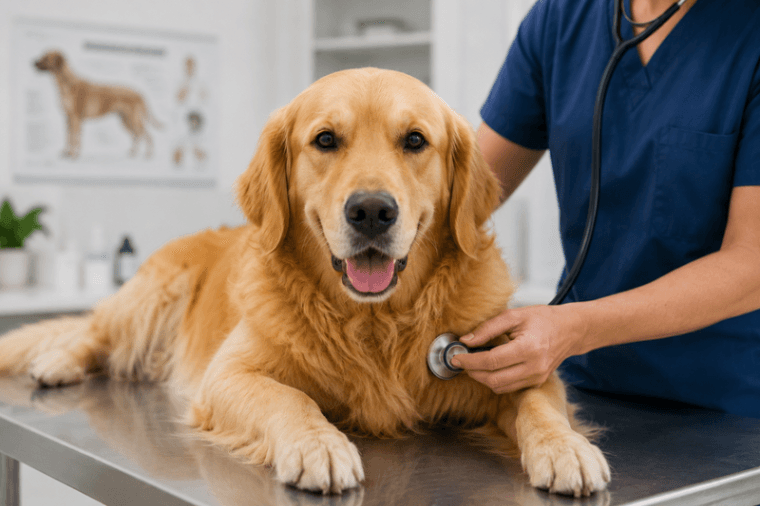
For certain situations, an at-home veterinary consultation can be a convenient alternative to traveling to a clinic.
A home visit may be particularly convenient when:
- Your dog becomes extremely stressed during travel
- You have difficulty transporting your pet
- You have multiple pets
- You want your pet evaluated in a familiar environment
- You need professional veterinary advice without a clinic visit
However, serious emergencies such as breathing difficulty, collapse, severe trauma, or unconsciousness may require immediate access to a fully equipped veterinary facility.
Get Veterinary Care With Zifurs
When your pet isn't feeling well, getting professional advice shouldn't have to be unnecessarily difficult.
Zifurs helps pet parents access veterinary and pet-care services conveniently. Depending on your location and your pet's needs, you can explore available veterinary services and choose a suitable option for your pet.
If you're concerned about a new or persistent symptom, don't ignore it. Speak with a qualified veterinarian and get your pet the care they need.
Final Takeaway
Your dog can't tell you when they're in pain or feeling unwell, so recognizing warning signs is an important part of being a responsible pet parent.
Difficulty breathing, repeated vomiting, severe diarrhea, collapse, seizures, inability to urinate, serious injuries, a swollen abdomen, significant bleeding, and sudden severe weakness should never be ignored.
When in doubt, consult a veterinarian. Early professional evaluation can help identify problems sooner and ensure your dog receives appropriate care.
Because when your pet can't tell you what's wrong, paying attention to the signs matters.
Frequently Asked Questions
How do I know if my dog needs to see a vet?
Sudden changes such as difficulty breathing, repeated vomiting, severe diarrhea, collapse, seizures, inability to urinate, severe weakness, major injury, or a swollen abdomen can require urgent veterinary attention. Persistent changes in appetite, behavior, weight, or energy should also be discussed with a veterinarian.
What are signs that my dog is seriously ill?
Difficulty breathing, collapse, seizures, extreme weakness, severe bleeding, a swollen abdomen, inability to urinate, and major trauma are examples of signs that may indicate a serious medical problem.
Should I take my dog to the vet if they stop eating?
A single missed meal may not always be an emergency, but a sudden or prolonged loss of appetite, especially when accompanied by vomiting, diarrhea, lethargy, pain, or other symptoms, should be discussed with a veterinarian.
When is vomiting an emergency in dogs?
Repeated vomiting, inability to keep water down, blood in vomit, severe weakness, abdominal swelling, or vomiting accompanied by other serious symptoms warrants prompt veterinary attention.
Can a vet visit be done at home?
Yes, depending on the service and your location, veterinary professionals may offer home consultations. Home visits can be convenient for pets that become stressed during travel or for pet parents who have difficulty transporting their animals.
Should I wait if my dog seems unusually tired?
If your dog's tiredness is sudden, extreme, persistent, or accompanied by other symptoms, don't simply assume they are resting. Contact a veterinarian for advice.
What should I do if my dog is having trouble breathing?
Difficulty breathing can be a serious emergency. Keep your dog calm, avoid unnecessary movement, and seek veterinary care immediately rather than waiting for the symptoms to improve.
Is excessive panting a sign that my dog needs a vet?
Excessive panting without exercise, particularly when accompanied by weakness, discomfort, unusual breathing, or other symptoms, can be a warning sign. Contact a veterinarian if the panting is sudden or unusual for your dog.
Why is my dog suddenly unable to walk?
Sudden difficulty walking can be caused by injury, pain, weakness, or other health problems. If your dog cannot stand or walk normally, especially after an injury, seek veterinary attention promptly.
What should I do if my dog has blood in its stool?
Blood in your dog's stool should not be ignored, especially if it is repeated, significant, accompanied by vomiting or weakness, or appears dark and tar-like. Contact a veterinarian for appropriate evaluation.
Why is my dog drinking and urinating more than usual?
A sudden increase in drinking or urination can sometimes indicate an underlying health problem. If the change persists or occurs alongside weight loss, weakness, appetite changes, or other symptoms, consult a veterinarian.
Why is my dog suddenly hiding or acting differently?
Sudden behavioral changes can sometimes occur when a dog is experiencing pain, discomfort, anxiety, or illness. If the change is significant, persistent, or occurs with physical symptoms, consult a veterinarian.
When should I take my dog to an emergency vet?
Seek immediate veterinary care for serious symptoms such as difficulty breathing, collapse, seizures, severe bleeding, inability to urinate, severe abdominal swelling, major trauma, or extreme weakness or unresponsiveness.
Can a dog recover from sudden weakness without treatment?
The cause of sudden weakness varies and cannot be determined from the symptom alone. Because some causes can be serious, sudden or severe weakness should be evaluated by a veterinarian.
What are the signs of pain in dogs?
Dogs may show pain through whining, crying, hiding, restlessness, avoiding touch, changes in appetite, difficulty walking, unusual aggression, or sudden changes in behavior. Significant or sudden changes should be discussed with a veterinarian.
Can I consult a vet at home for my dog?
Depending on your location and the services available, a veterinarian may be able to provide a home consultation. This can be convenient for dogs that become stressed during travel or for pet parents who have difficulty transporting their pets.
Is a swollen stomach in dogs an emergency?
A suddenly swollen, firm, or painful abdomen can be a serious warning sign, particularly when accompanied by restlessness or repeated unsuccessful attempts to vomit. Seek immediate veterinary attention.
What should I do if my dog cannot urinate?
A dog that repeatedly attempts to urinate but produces little or no urine may have a potentially serious urinary problem. Contact a veterinarian immediately rather than waiting for the condition to resolve.
Should I take my dog to the vet after an accident?
If your dog has been involved in a road accident, major fall, or significant trauma, veterinary evaluation is recommended even if there are no obvious external injuries, as internal injuries may not always be immediately visible.
How can I prepare for my dog's vet consultation?
Note when the symptoms started, how often they occur, changes in food or water intake, recent diet changes, medications, vaccinations, injuries, and changes in stool or urine. Photos or videos of unusual symptoms can also be useful.
Can behavioral changes be the first sign of illness in dogs?
Yes. Some dogs may show changes such as hiding, restlessness, avoiding touch, whining, confusion, or reduced interaction when they are experiencing pain or discomfort. Sudden significant changes should be discussed with a veterinarian.

Zifurs Editorial Team
The Zifurs Editorial Team is a group of passionate pet lovers, researchers, and writers dedicated to creating reliable and engaging content for pet parents. With a strong focus on animal care, health, and lifestyle, the team ensures that every article is well-researched, easy to understand, and practical for everyday use.
Related Blogs

How to Give Deworming Medicine to Your Cat: Tips for a Stress-Free Experience