
Why Does My Dog Keep Licking Its Paws? Common Causes, Treatment & When to See a Vet
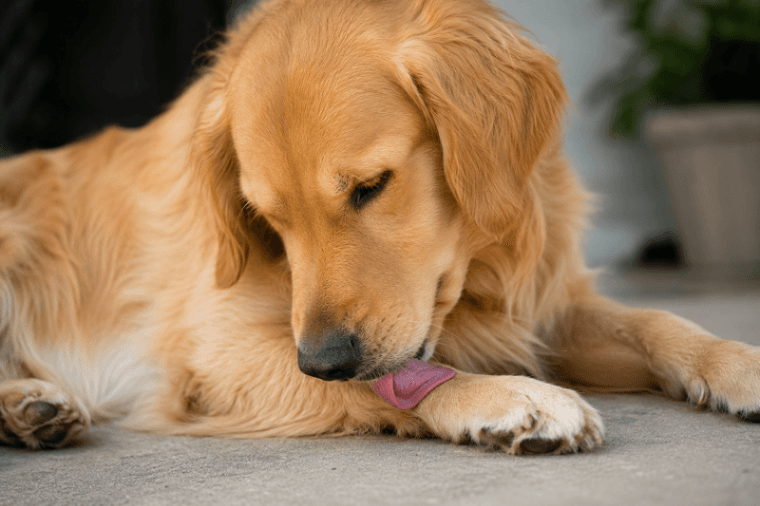
Occasional paw licking is completely normal because dogs naturally groom themselves to keep their paws clean. However, frequent or excessive paw licking is often a sign that something is bothering your dog. Persistent licking can lead to skin irritation, infections, hair loss, and discomfort if the underlying cause is not treated.
Is It Normal for Dogs to Lick Their Paws?
Yes, occasional paw licking is a normal part of your dog's grooming routine.
However, you should pay closer attention if your dog:
- Licks the same paw repeatedly.
- Licks for several minutes at a time.
- Licks during the night.
- Develops redness or hair loss.
- Starts limping.
- Chews the paws aggressively.
Common Causes of Paw Licking
1. Allergies
Allergies are one of the most common reasons dogs constantly lick their paws.
Possible triggers include:
- Grass
- Pollen
- Dust mites
- Mold
- Certain foods
- Household cleaning products
Symptoms may include:
- Itchy paws
- Red skin
- Ear infections
- Frequent scratching
- Chewing the feet
2. Dry or Irritated Paw Pads
Dry or irritated paw pads can develop due to environmental conditions.
Common causes include:
- Hot pavements
- Cold weather
- Rough surfaces
- Dry skin
- Road salt
Symptoms include:
- Cracked paw pads
- Redness
- Sensitivity while walking
3. Cuts, Splinters or Foreign Objects
Dogs can easily step on sharp or irritating objects while walking.
Common examples include:
- Glass
- Thorns
- Small stones
- Grass seeds
Carefully inspect between your dog's toes and paw pads for any foreign objects.
4. Bacterial or Yeast Infections
Constant licking creates a warm, moist environment that allows bacteria and yeast to multiply.
Signs include:
- Red paws
- Swelling
- Bad odor
- Brown saliva stains
- Sticky discharge
5. Fleas, Ticks or Mites
External parasites can cause intense itching and irritation.
Watch for:
- Excessive scratching
- Hair loss
- Tiny black flea dirt
- Visible ticks
6. Anxiety or Stress
Some dogs lick their paws as a self-soothing behavior when they are anxious or stressed.
Common triggers include:
- Separation anxiety
- Boredom
- Changes in routine
- Loud noises
7. Arthritis or Joint Pain
Older dogs may repeatedly lick the paw or leg near a painful joint.
Other signs include:
- Stiffness
- Limping
- Difficulty standing
- Reduced activity
8. Burns or Chemical Irritation
Your dog's paws can become irritated after walking on:
- Hot asphalt
- Chemical cleaners
- Lawn fertilizers
- Ice melt products
How to Check Your Dog's Paws at Home
Inspect the following areas:
- Paw pads
- Between the toes
- Nails
- Nail beds
- Fur around the paws
Look for:
- Cuts
- Swelling
- Redness
- Foreign objects
- Cracked paw pads
- Bleeding
What You Can Do at Home
If your dog's paw licking is mild, you can try the following:
- Clean the paws after walks.
- Dry the paws thoroughly.
- Remove dirt carefully.
- Use a pet-safe paw balm if recommended by your veterinarian.
- Prevent excessive licking if the skin becomes damaged.
- Keep your dog's bedding clean.
Do not use human creams or medications unless directed by your veterinarian.
Things You Should Never Do
- Ignore persistent paw licking.
- Pull out deeply embedded objects yourself.
- Apply human antiseptic creams without veterinary advice.
- Use medications prescribed for another condition.
- Delay veterinary care if the paw is swollen or bleeding.
When Should You Visit a Veterinarian?
Book a veterinary appointment if your dog:
- Licks its paws constantly for more than a day or two.
- Has swollen paws.
- Develops bleeding.
- Has pus or discharge.
- Starts limping.
- Has a foul smell coming from the paws.
- Shows signs of severe pain.
- Continues licking despite home care.
How Veterinarians Diagnose the Problem
Your veterinarian may perform one or more of the following tests:
- Physical examination
- Skin scraping
- Allergy assessment
- Ear examination (allergies often affect both the ears and paws)
- Cytology to check for yeast or bacterial infections
- Blood tests if necessary
Treatment Options
Treatment depends on the underlying cause and may include:
- Allergy management
- Antibiotics
- Antifungal medications
- Parasite treatment
- Pain relief medications
- Paw cleaning solutions
- Protective collars to prevent excessive licking
- Dietary changes if a food allergy is suspected
How to Prevent Paw Problems
- Wipe your dog's paws after walks.
- Trim excess fur around the paws.
- Check the paws regularly for injuries.
- Use year-round flea and tick prevention.
- Avoid walking on hot pavements.
- Keep your dog's nails trimmed.
- Feed a balanced diet.
- Schedule regular veterinary checkups.
Final Thoughts
Occasional paw licking is a normal part of your dog's grooming routine, but excessive licking is often a sign that something isn't right. Allergies, infections, injuries, parasites, and even stress can all cause dogs to lick their paws repeatedly.
Early attention can prevent minor irritation from developing into a painful infection. If your dog's paw licking is persistent, causes redness or swelling, or is accompanied by limping or discomfort, consult your veterinarian for an accurate diagnosis and appropriate treatment.
Frequently Asked Questions
Why does my dog keep licking its paws?
Dogs may lick their paws due to allergies, dry or irritated paw pads, cuts, bacterial or yeast infections, parasites such as fleas or ticks, anxiety, or joint pain. Occasional licking is normal, but persistent licking usually indicates an underlying problem that should be investigated.
Is it normal for dogs to lick their paws?
Yes. Occasional paw licking is a normal part of grooming. However, if your dog constantly licks the same paw, develops redness, swelling, hair loss, or starts limping, it's best to have them examined by a veterinarian.
Can allergies cause dogs to lick their paws?
Yes. Environmental allergens like pollen, grass, dust mites, mold, as well as certain food allergies, are among the most common reasons for excessive paw licking. Dogs with allergies may also experience itchy skin, ear infections, and frequent scratching.
How can I stop my dog from licking its paws?
The best way to stop excessive paw licking is to identify and treat the underlying cause. Keeping your dog's paws clean, drying them after walks, using veterinarian-recommended paw care products, and following the prescribed treatment plan can help reduce licking.
What should I check if my dog keeps licking one paw?
Carefully inspect the paw pads, between the toes, nails, and surrounding skin for cuts, swelling, redness, foreign objects, cracked pads, or signs of infection. If you notice anything unusual or your dog appears painful, consult your veterinarian.
Can yeast or bacterial infections cause paw licking?
Yes. Constant moisture from licking can lead to bacterial or yeast infections, causing redness, swelling, bad odor, brown saliva stains, and discharge. These infections usually require veterinary treatment.
When should I take my dog to the veterinarian for paw licking?
You should schedule a veterinary visit if your dog licks its paws constantly for more than a day or two, develops swelling, bleeding, discharge, a foul smell, limping, severe pain, or if the licking continues despite home care.
Can anxiety make dogs lick their paws?
Yes. Some dogs lick their paws as a self-soothing behavior when they are stressed, anxious, bored, or experiencing separation anxiety. Behavioral causes should be evaluated after medical conditions have been ruled out.
How can I prevent paw problems in my dog?
Regularly inspect your dog's paws, wipe them after walks, trim excess fur around the paws, keep the nails trimmed, use year-round flea and tick prevention, avoid walking on hot pavements, and schedule routine veterinary checkups.
Can excessive paw licking lead to infections?
Yes. Continuous licking damages the skin's protective barrier, allowing bacteria and yeast to grow. Early diagnosis and treatment can help prevent painful skin infections and more serious complications.

Zifurs Editorial Team
The Zifurs Editorial Team is a group of passionate pet lovers, researchers, and writers dedicated to creating reliable and engaging content for pet parents. With a strong focus on animal care, health, and lifestyle, the team ensures that every article is well-researched, easy to understand, and practical for everyday use.
Related Blogs
Why Does My Dog Have Red Eyes? Causes, Symptoms & When to See a Vet