
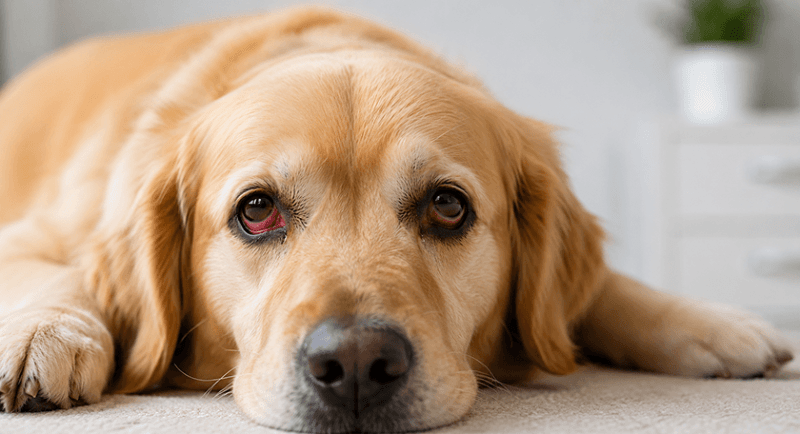
Why Does My Dog Have Red Eyes? Causes, Symptoms & When to See a Vet
Red eyes are one of the most noticeable signs that something may be wrong with your dog's health. While mild redness can sometimes result from dust, allergies, or temporary irritation, persistent red eyes may indicate infections, injuries, glaucoma, dry eye, or other serious eye conditions that require immediate veterinary care.
Your dog's eyes are delicate, and delaying treatment can sometimes lead to permanent vision loss. Understanding the possible causes and recognizing warning signs can help you protect your pet's eyesight and overall health.
In this guide, we'll explain why dogs develop red eyes, common symptoms, treatment options, preventive measures, and when it's time to visit your veterinarian.
Is It Normal for Dogs to Have Red Eyes?
Occasionally, yes.
A dog's eyes may appear slightly red after:
- Running through dusty areas
- Swimming
- Exposure to smoke
- Mild allergies
- Temporary irritation
However, redness that lasts longer than a few hours or is accompanied by discharge, pain, swelling, or squinting should never be ignored.
Common Causes of Red Eyes in Dogs
There are many possible reasons why your dog's eyes become red.
1. Allergies
Just like humans, dogs can suffer from allergies.
Common triggers include:
- Pollen
- Dust mites
- Mold
- Smoke
- Grass
- Household cleaning products
Symptoms often include:
- Red eyes
- Itching
- Excessive tearing
- Frequent rubbing of the face
2. Conjunctivitis (Pink Eye)
Conjunctivitis is one of the most common causes of red eyes. It occurs when the membrane covering the eye becomes inflamed.
- Redness
- Yellow or green discharge
- Swollen eyelids
- Squinting
- Excessive blinking
Conjunctivitis may result from infections, allergies, or foreign objects.
3. Eye Injury
Dogs can easily injure their eyes while:
- Playing outdoors
- Running through bushes
- Fighting with another animal
- Scratching their face
Even a small scratch on the cornea can become serious if left untreated.
4. Dry Eye (Keratoconjunctivitis Sicca)
Some dogs don't produce enough tears to keep the eyes lubricated.
- Thick mucus
- Redness
- Frequent blinking
- Eye pain
- Dull-looking eyes
5. Glaucoma
Glaucoma occurs when pressure builds up inside the eye and is a medical emergency.
- Severe redness
- Enlarged eye
- Cloudy appearance
- Vision loss
- Eye pain
- Squinting
6. Corneal Ulcers
A corneal ulcer is an open sore on the surface of the eye.
Common causes include:
- Trauma
- Foreign objects
- Dry eye
- Infections
Dogs with corneal ulcers usually:
- Keep the eye closed
- Paw at the eye
- Produce excessive tears
- Show significant discomfort
7. Foreign Objects
Small particles such as dust, grass seeds, sand, or dirt can become trapped in the eye, causing irritation and redness. Never attempt to remove deeply embedded objects yourself.
8. Eyelid Problems
Conditions such as entropion (eyelids roll inward) and ectropion (eyelids droop outward) can constantly irritate the eye and cause chronic redness.
9. Uveitis
Uveitis is inflammation inside the eye and requires immediate veterinary attention.
- Autoimmune diseases
- Trauma
- Infections
- Cancer
Symptoms That Should Never Be Ignored
- Persistent red eyes
- Eye swelling
- Thick yellow or green discharge
- Cloudy eyes
- Bleeding from the eye
- Difficulty opening the eye
- Vision problems
- Constant pawing at the eye
- Enlarged eyeball
- Sudden blindness
What You Can Do at Home
Keep the Eye Clean
Use a clean, damp cotton pad or sterile saline solution to gently wipe away discharge.
Prevent Rubbing
Use an Elizabethan collar (cone) if your dog keeps scratching the affected eye.
Avoid Human Eye Drops
Never use human eye medications unless specifically prescribed by your veterinarian.
Monitor Closely
Watch for worsening redness, swelling, discharge, or changes in vision. If symptoms persist beyond a few hours, schedule a veterinary examination.
Things You Should Never Do
- Using human eye drops
- Touching the eye with dirty hands
- Attempting to remove embedded objects
- Delaying veterinary care
- Using leftover medications
- Ignoring squinting or vision changes
How Veterinarians Diagnose Red Eyes
- Complete eye examination
- Fluorescein stain test
- Tear production test
- Eye pressure measurement
- Examination for foreign objects
- Blood tests if systemic disease is suspected
Treatment Options
Treatment depends on the underlying cause.
- Antibiotic eye drops
- Anti-inflammatory medications
- Artificial tears
- Allergy medications
- Pain relief
- Eye surgery (in severe cases)
- Glaucoma medication
How to Prevent Eye Problems
- Keeping your dog's face clean
- Trimming long hair around the eyes
- Avoiding exposure to smoke and chemicals
- Checking the eyes after walks
- Preventing rough play near thorny bushes
- Scheduling regular veterinary checkups
Which Dog Breeds Are More Prone to Eye Problems?
- Pug
- Shih Tzu
- Bulldog
- Cocker Spaniel
- Golden Retriever
- Labrador Retriever
- Poodle
- Boston Terrier
When Should You Visit a Veterinarian?
While mild eye redness caused by temporary irritation may resolve on its own, you should never ignore persistent or worsening symptoms. If your dog's eyes remain red for more than 24 hours, schedule a veterinary appointment as soon as possible. Seek immediate emergency veterinary care if your dog develops a cloudy eye, experiences partial or complete vision loss, or has suffered an eye injury, as these conditions can quickly lead to permanent damage if left untreated. Early diagnosis and treatment are essential to protect your dog's eyesight and overall health.
Final Thoughts
Red eyes in dogs can result from something as simple as mild irritation or as serious as glaucoma or a corneal ulcer. Because eye conditions can worsen quickly, it's always safer to have persistent redness evaluated by a veterinarian.
Avoid home remedies that haven't been recommended by your vet, monitor your dog's symptoms closely, and seek prompt medical attention if redness is accompanied by pain, discharge, swelling, or changes in vision. Early diagnosis and treatment can protect your dog's eyesight and help ensure a full recovery.
Frequently Asked Questions
Why are my dog's eyes red?
Red eyes in dogs can be caused by allergies, conjunctivitis, dry eye, eye injuries, foreign objects, glaucoma, corneal ulcers, or other eye conditions. Persistent redness should always be evaluated by a veterinarian.
Can allergies cause red eyes in dogs?
Yes. Environmental allergens such as pollen, dust, mold, smoke, and grass can irritate your dog's eyes, causing redness, itching, excessive tearing, and rubbing of the face.
Is conjunctivitis in dogs serious?
Conjunctivitis, also known as pink eye, can range from mild to severe depending on the cause. It may result from allergies, bacterial or viral infections, or foreign objects. Veterinary treatment is recommended to prevent complications.
Can I use human eye drops on my dog?
No. Human eye drops may not be safe for dogs and could worsen certain eye conditions. Only use medications prescribed or recommended by your veterinarian.
What should I do if my dog keeps rubbing its eye?
Prevent your dog from rubbing the affected eye by using an Elizabethan collar if necessary, and schedule a veterinary examination. Rubbing can worsen injuries and increase the risk of infection.
What are the signs of a serious eye problem in dogs?
Warning signs include persistent redness, cloudy eyes, yellow or green discharge, swelling, excessive tearing, vision loss, difficulty opening the eye, severe pain, bleeding, or an enlarged eyeball. These symptoms require prompt veterinary attention.
Which dog breeds are more likely to develop eye problems?
Breeds such as Pugs, Bulldogs, Shih Tzus, Boston Terriers, Cocker Spaniels, Golden Retrievers, Labrador Retrievers, and Poodles are more prone to certain eye conditions due to their genetics or facial structure.
How do veterinarians diagnose red eyes in dogs?
A veterinarian may perform a complete eye examination, tear production test, fluorescein stain test, eye pressure measurement, and other diagnostic tests to identify the underlying cause of the redness.
When should I take my dog to the veterinarian for red eyes?
You should visit a veterinarian if the redness lasts longer than 24 hours or is accompanied by swelling, discharge, pain, cloudy eyes, vision changes, or an eye injury. Immediate veterinary care is needed for severe symptoms.
How can I prevent eye problems in my dog?
Regularly clean around your dog's eyes, trim long facial hair, avoid exposure to smoke and chemicals, check the eyes after outdoor activities, and schedule routine veterinary checkups to help maintain healthy eyes.

Zifurs Editorial Team
The Zifurs Editorial Team is a group of passionate pet lovers, researchers, and writers dedicated to creating reliable and engaging content for pet parents. With a strong focus on animal care, health, and lifestyle, the team ensures that every article is well-researched, easy to understand, and practical for everyday use.