Why Is My Dog Not Eating? Causes, Symptoms & When to See a Vet
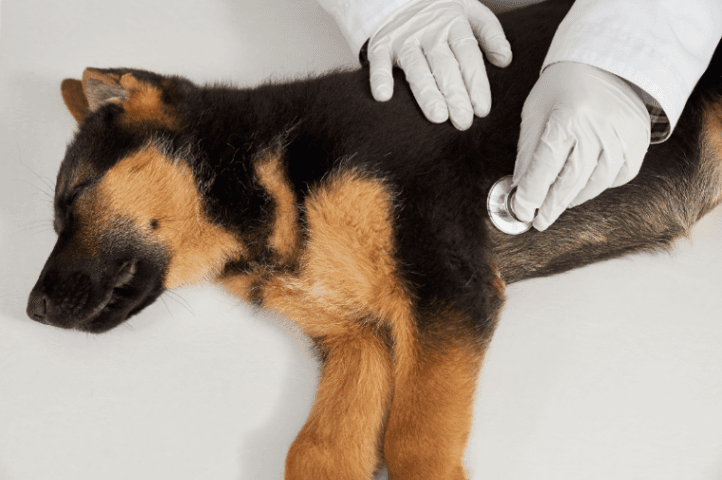
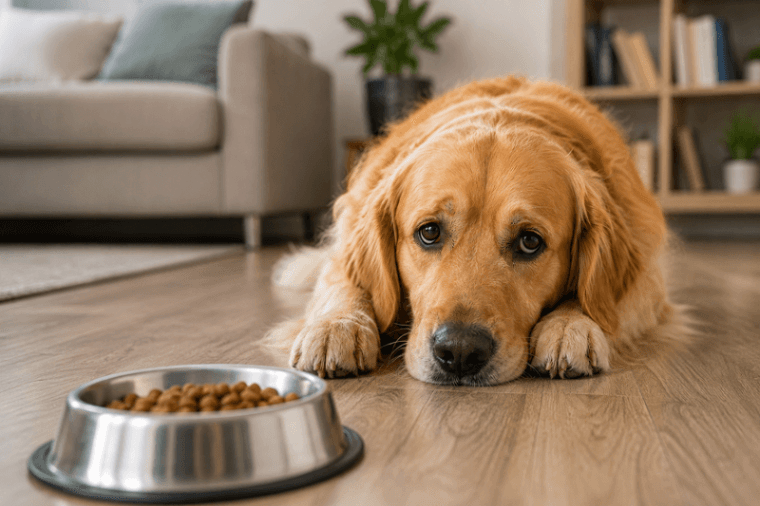
It can be worrying when your dog suddenly refuses to eat, especially if they're usually excited about mealtime. While skipping a single meal isn't always a cause for concern, a prolonged loss of appetite—known as anorexia in dogs—can indicate an underlying health problem that needs attention.
Loss of appetite can be caused by anything from mild stress and dietary changes to dental pain, infections, or more serious medical conditions. Knowing the possible reasons and recognizing the warning signs can help you decide when home care is enough and when it's time to visit a veterinarian.
In this guide, we'll explore the common causes of appetite loss in dogs, what you can do at home, and when professional veterinary care is essential.
Is It Normal for Dogs to Skip a Meal?
Occasionally, yes. Some healthy adult dogs may skip a meal due to hot weather, a change in routine, or mild digestive discomfort. However, puppies, senior dogs, and dogs with underlying medical conditions should not go without food for long.
If your dog misses one meal but remains energetic, drinks water normally, and behaves as usual, you can monitor them closely. If they refuse food for more than 24 hours or show other symptoms, it's important to seek veterinary advice.
Common Reasons Why Your Dog Is Not Eating
1. Illness
Many illnesses can reduce a dog's appetite.
- Viral infections
- Bacterial infections
- Fever
- Parasites
- Kidney disease
- Liver disease
2. Dental Problems
Pain inside the mouth can make eating uncomfortable.
- Bad breath
- Drooling
- Bleeding gums
- Loose teeth
- Difficulty chewing
- Pawing at the mouth
3. Stomach Problems
- Gastritis
- Indigestion
- Constipation
- Vomiting
- Diarrhea
- Eating something inappropriate
4. Stress or Anxiety
- Moving to a new home
- Loud fireworks
- Travel
- Separation anxiety
- A new family member or pet
- Boarding facilities
5. Recent Vaccination
Some dogs experience mild side effects after vaccination, including reduced appetite, sleepiness, and mild fever. These symptoms usually improve within 24–48 hours.
6. Sudden Food Changes
Introduce new food gradually over 7–10 days by mixing it with the current diet.
7. Too Many Treats
Treats should generally make up no more than 10% of your dog's daily calorie intake.
8. Aging
- Reduced sense of smell
- Dental issues
- Slower metabolism
- Arthritis or chronic pain
Warning Signs That Need Immediate Veterinary Care
- Refuses food for more than 24 hours
- Puppy refuses food for more than 12 hours
- Repeated vomiting
- Bloody diarrhea
- Weakness or lethargy
- Difficulty breathing
- Bloated abdomen
- High fever
- Sudden weight loss
- Collapse
What You Can Do at Home
- Provide fresh drinking water.
- Warm food slightly to improve aroma.
- Reduce treats.
- Maintain a regular feeding schedule.
- Monitor energy levels and bowel movements.
- Never force-feed unless instructed by a veterinarian.
Foods You Should Never Offer
- Chocolate
- Grapes
- Raisins
- Onions
- Garlic
- Xylitol
- Alcohol
- Caffeine
- Fatty foods
- Cooked bones
When Should You Visit a Vet?
SituationRecommended ActionSkips one meal but acts normallyMonitor at homeRefuses food for more than 24 hoursSchedule a vet visitPuppy refuses food for more than 12 hoursEmergency careVomiting with appetite lossVisit immediatelyBloody diarrheaEmergency careDifficulty breathingEmergency careSevere weaknessEmergency care
How Veterinarians Diagnose Appetite Loss
- Physical examination
- Blood tests
- Urine analysis
- Stool examination
- X-rays
- Ultrasound
- Dental examination
Treatment for Appetite Loss
Treatment depends on the underlying cause and may include medications, fluid therapy, deworming, dental treatment, prescription diets, or surgery in severe cases.
How to Prevent Appetite Loss
- Feed a balanced diet.
- Keep a consistent feeding schedule.
- Avoid sudden food changes.
- Stay up to date with vaccinations.
- Deworm regularly.
- Provide daily exercise.
- Schedule annual veterinary checkups.
Final Thoughts
A missed meal isn't always a reason to panic, but prolonged appetite loss or symptoms like vomiting, diarrhea, lethargy, or breathing difficulty should never be ignored. Early veterinary care can significantly improve your dog's recovery and overall health.
Frequently Asked Questions
Why is my dog not eating but still drinking water?
If your dog is drinking water but refusing food, it could be due to stress, dental pain, digestive upset, or an underlying illness. Monitor your dog closely and consult a veterinarian if the loss of appetite lasts more than 24 hours or is accompanied by vomiting, diarrhea, or lethargy.
How long can a dog safely go without eating?
Healthy adult dogs may go 24 to 48 hours without food, but this is not recommended. Puppies, senior dogs, and dogs with medical conditions should be examined by a veterinarian much sooner if they refuse to eat.
Should I force-feed my dog if it won't eat?
No. Force-feeding can increase stress and may worsen the problem. Instead, ensure your dog stays hydrated and seek veterinary advice if they continue refusing food.
Can stress cause my dog to stop eating?
Yes. Stress caused by moving, travel, loud noises, separation anxiety, or changes in the household can temporarily reduce your dog's appetite. Most dogs regain their appetite once they feel comfortable again.
Why is my puppy not eating?
Puppies have higher nutritional needs and can become dehydrated quickly. If your puppy refuses food for more than 12 hours or appears weak, vomiting, or lethargic, seek veterinary care immediately.
What can I feed a dog that refuses to eat?
Offer your dog's regular food first, slightly warmed to enhance its aroma. Avoid feeding excessive treats or human food. If your dog continues refusing food, consult your veterinarian before changing their diet.
Can vaccinations make my dog lose its appetite?
Yes. Mild appetite loss, sleepiness, and a low-grade fever are common side effects after vaccination and usually resolve within 24 to 48 hours. Contact your veterinarian if symptoms persist or worsen.
Why does my dog eat treats but not regular food?
This may be caused by picky eating habits, too many treats, dental discomfort, or an underlying medical condition. Limiting treats and maintaining a consistent feeding schedule can often help.
Can worms cause loss of appetite in dogs?
Yes. Intestinal parasites can reduce your dog's appetite and may also cause vomiting, diarrhea, weight loss, and a dull coat. Regular deworming helps protect your dog's health.
When should I take my dog to the veterinarian for not eating?
Visit a veterinarian immediately if your dog refuses food for more than 24 hours, or sooner if they are a puppy or have symptoms such as vomiting, bloody diarrhea, lethargy, abdominal swelling, difficulty breathing, or sudden weight loss.

Zifurs Editorial Team
The Zifurs Editorial Team is a group of passionate pet lovers, researchers, and writers dedicated to creating reliable and engaging content for pet parents. With a strong focus on animal care, health, and lifestyle, the team ensures that every article is well-researched, easy to understand, and practical for everyday use.