
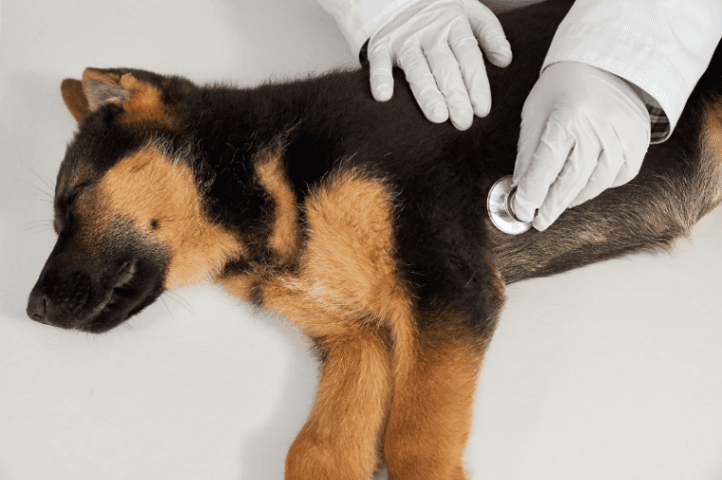
Most Common Diseases in Dogs in India: Symptoms, Prevention & Treatment Guide
Dogs are prone to various infectious, parasitic, and lifestyle-related diseases throughout their lives. In India, factors such as tropical weather, high tick populations, stray dog exposure, and incomplete vaccination make certain diseases more common than others.
Recognizing the early symptoms of these illnesses can help you seek veterinary care before the condition becomes life-threatening. Many of these diseases are preventable through vaccination, parasite control, proper nutrition, and regular health checkups.
In this guide, we'll discuss the 10 most common diseases in dogs in India, their symptoms, consequences, prevention, and what you should do if you notice warning signs.
1. Canine Parvovirus (Parvo)
Canine Parvovirus is one of the deadliest viral infections affecting puppies and unvaccinated dogs. The virus attacks the intestines and immune system, causing severe dehydration and life-threatening illness.
Symptoms
- Bloody diarrhea
- Frequent vomiting
- Loss of appetite
- Fever
- Weakness
- Severe dehydration
Consequences
Without immediate treatment, parvovirus can lead to severe dehydration, septic shock, and death, especially in puppies.
Prevention
- Complete puppy vaccination schedule
- Avoid contact with infected dogs
- Maintain hygiene and disinfect contaminated areas
- Avoid public places until vaccinations are complete
What Should You Do?
Seek emergency veterinary care immediately. Do not attempt home treatment, as most affected dogs require IV fluids, medications, and hospitalization.
2. Canine Distemper
Canine Distemper is a highly contagious viral disease that affects the respiratory, digestive, and nervous systems.
Symptoms
- Fever
- Eye and nose discharge
- Persistent cough
- Vomiting and diarrhea
- Muscle twitching
- Seizures
- Paralysis
Consequences
Distemper may cause permanent neurological damage, lifelong complications, or death.
Prevention
- Timely vaccination
- Avoid contact with infected dogs
- Regular veterinary checkups
What Should You Do?
Isolate your dog immediately and visit a veterinarian as soon as possible for supportive treatment.
3. Leptospirosis
Leptospirosis is a bacterial disease transmitted through contaminated water, soil, or urine from infected animals. It can also infect humans.
Symptoms
- Fever
- Vomiting
- Loss of appetite
- Muscle pain
- Yellow gums or eyes (jaundice)
- Increased thirst
Consequences
It can cause kidney failure, liver damage, bleeding disorders, and may become fatal if untreated.
Prevention
- Annual leptospirosis vaccination
- Avoid stagnant water
- Maintain clean surroundings
- Rodent control
What Should You Do?
Consult your veterinarian immediately. Early antibiotic treatment significantly improves recovery.
4. Rabies
Rabies is a fatal viral disease transmitted through bites from infected animals.
Symptoms
- Sudden aggression
- Excessive drooling
- Difficulty swallowing
- Fear of water
- Paralysis
- Behavioral changes
Consequences
Rabies is almost always fatal once clinical symptoms develop and poses a serious risk to humans.
Prevention
- Routine rabies vaccination
- Avoid contact with stray animals
- Seek immediate medical attention after any bite
What Should You Do?
Isolate the dog and contact a veterinarian immediately. Anyone bitten should seek urgent medical care.
5. Tick-Borne Diseases (Ehrlichiosis, Babesiosis & Lyme Disease)
Ticks commonly spread diseases that affect blood cells and multiple organs.
Symptoms
- High fever
- Loss of appetite
- Weakness
- Pale gums
- Nose bleeding
- Swollen lymph nodes
- Lameness
Consequences
These diseases can cause anemia, bleeding disorders, kidney damage, and even death if untreated.
Prevention
- Monthly tick prevention
- Regular grooming
- Daily tick inspection
- Keep surroundings clean
What Should You Do?
Visit a veterinarian for blood tests and begin treatment immediately if tick fever is suspected.
6. Kennel Cough
Kennel Cough is a highly contagious respiratory infection that spreads where dogs gather.
Symptoms
- Dry hacking cough
- Sneezing
- Runny nose
- Mild fever
- Reduced activity
Consequences
It may progress to pneumonia in puppies, senior dogs, or immunocompromised pets.
Prevention
- Kennel cough vaccination
- Avoid contact with sick dogs
- Maintain good ventilation
What Should You Do?
Keep your dog isolated, avoid exercise, and consult a veterinarian if coughing persists or worsens.
7. Heartworm Disease
Heartworm disease is caused by worms transmitted through mosquito bites that live in the heart and lungs.
Symptoms
- Persistent cough
- Exercise intolerance
- Difficulty breathing
- Fatigue
- Weight loss
Consequences
Untreated heartworm disease can lead to heart failure, lung disease, and death.
Prevention
- Monthly heartworm preventives
- Mosquito control
- Routine veterinary screening
What Should You Do?
Visit your veterinarian for diagnostic testing before starting treatment.
8. Fungal Infections (Ringworm & Aspergillosis)
Fungal infections affect the skin, ears, or respiratory system and some can spread to humans.
Symptoms
- Circular hair loss
- Itchy skin
- Red patches
- Nasal discharge
- Sneezing
- Facial swelling
Consequences
Untreated fungal infections can spread extensively and become chronic.
Prevention
- Maintain hygiene
- Keep your dog dry
- Avoid contact with infected animals
- Regular grooming
What Should You Do?
Consult a veterinarian for fungal testing and appropriate antifungal medication.
9. Obesity
Obesity is becoming increasingly common among pet dogs in India due to overfeeding and lack of exercise.
Symptoms
- Weight gain
- Difficulty walking
- Reduced stamina
- Heavy breathing
- Fat accumulation around the ribs
Consequences
Obesity increases the risk of diabetes, arthritis, heart disease, and shortened lifespan.
Prevention
- Balanced nutrition
- Daily exercise
- Portion control
- Regular weight monitoring
What Should You Do?
Consult your veterinarian to develop a safe weight-loss and diet plan.
10. Parasitic Infections (Hookworms, Roundworms & Tapeworms)
Intestinal worms commonly affect puppies and adult dogs.
Symptoms
- Pot-bellied appearance
- Diarrhea
- Vomiting
- Weight loss
- Poor coat condition
- Worms visible in stool
Consequences
Heavy infestations can cause anemia, malnutrition, intestinal blockage, and poor growth.
Prevention
- Routine deworming
- Clean environment
- Proper sanitation
- Prevent flea infestations
What Should You Do?
Visit your veterinarian for stool examination and appropriate deworming medication.
When Should You Visit a Veterinarian Immediately?
Seek emergency veterinary care if your dog has:
- Bloody diarrhea
- Continuous vomiting
- Difficulty breathing
- Seizures
- Sudden collapse
- High fever
- Pale gums
- Refusal to eat for more than 24 hours
- Severe lethargy
Final Thoughts
Many of the most common diseases in dogs can be prevented with timely vaccinations, regular deworming, parasite control, proper nutrition, and routine veterinary checkups. Early recognition of symptoms and prompt treatment can greatly improve your dog's chances of recovery.
If you notice any unusual changes in your dog's behavior, appetite, or activity level, don't wait. Consult your veterinarian as soon as possible, as early diagnosis can often save your pet's life.
Frequently Asked Questions
What are the most common diseases in dogs in India?
Some of the most common diseases in dogs in India include Canine Parvovirus, Canine Distemper, Leptospirosis, Rabies, Tick-borne diseases, Kennel Cough, Heartworm Disease, Fungal Infections, Obesity, and Intestinal Parasitic Infections. Many of these conditions can be prevented through timely vaccinations, regular deworming, tick prevention, and routine veterinary checkups.
What are the early signs that a dog is sick?
Early signs of illness in dogs may include loss of appetite, vomiting, diarrhea, fever, lethargy, coughing, difficulty breathing, excessive thirst, weight loss, limping, pale gums, or changes in behavior. If these symptoms persist or worsen, consult a veterinarian immediately.
Which dog diseases are preventable through vaccination?
Several serious diseases can be prevented through vaccination, including Canine Parvovirus, Canine Distemper, Rabies, and Leptospirosis. Following your veterinarian's recommended vaccination schedule is the best way to protect your dog.
How can I protect my dog from tick-borne diseases?
Use veterinarian-recommended tick prevention products, inspect your dog regularly for ticks, keep your home and surroundings clean, and schedule routine grooming. Prompt removal of ticks and regular preventive treatments significantly reduce the risk of infection.
How often should dogs be dewormed?
Puppies usually require deworming every 2–4 weeks until they are about three months old, followed by regular deworming as advised by your veterinarian. Adult dogs are commonly dewormed every 3–6 months depending on their lifestyle and risk of exposure.
Are dog diseases contagious to humans?
Some diseases can spread from dogs to humans. Rabies, Leptospirosis, Ringworm, and certain intestinal parasites are zoonotic diseases. Maintaining good hygiene, vaccinating your dog, and seeking prompt veterinary care help reduce the risk of transmission.
When should I take my dog to the veterinarian immediately?
Seek emergency veterinary care if your dog has bloody diarrhea, continuous vomiting, seizures, difficulty breathing, sudden collapse, pale gums, high fever, severe weakness, or refuses food for more than 24 hours.
Can indoor dogs also get serious diseases?
Yes. Even indoor dogs can develop infections, obesity, heart disease, parasitic infections, or contract diseases through mosquitoes, contaminated environments, or contact with infected animals. Regular preventive healthcare is important for every dog.
How can I keep my dog healthy and prevent common diseases?
Provide a balanced diet, keep vaccinations up to date, follow a regular deworming schedule, use tick and flea preventives, ensure daily exercise, maintain proper hygiene, and schedule routine veterinary health checkups.
Can puppies get sick more easily than adult dogs?
Yes. Puppies have developing immune systems and are more vulnerable to infections such as Parvovirus, Distemper, intestinal worms, and respiratory diseases. Completing their vaccination and deworming schedule is essential for protecting their health.
Are tick-borne diseases dangerous for dogs?
Yes. Diseases such as Ehrlichiosis and Babesiosis can cause anemia, bleeding disorders, kidney damage, and, in severe cases, can be life-threatening if not treated promptly. Early diagnosis and treatment improve recovery outcomes.
What is the best way to prevent diseases in dogs?
Preventive care is the most effective approach. Keep your dog's vaccinations current, use year-round parasite prevention, feed a nutritious diet, provide regular exercise, maintain good hygiene, and schedule routine veterinary examinations to detect health problems early.

Zifurs Editorial Team
The Zifurs Editorial Team is a group of passionate pet lovers, researchers, and writers dedicated to creating reliable and engaging content for pet parents. With a strong focus on animal care, health, and lifestyle, the team ensures that every article is well-researched, easy to understand, and practical for everyday use.