
How to Give Deworming Medicine to Your Cat: Tips for a Stress-Free Experience
Deworming is an essential part of preventive healthcare for cats. Internal parasites such as roundworms, hookworms and tapeworms can affect your cat's health, even if they appear healthy. This guide explains how to safely give deworming medicine and make the process easier.
Why Regular Deworming Is Important
Regular deworming helps protect your cat from intestinal parasites, supports healthy growth in kittens, reduces the risk of spreading parasites, and promotes overall wellbeing.
Types of Deworming Medicines
Tablets
Effective and commonly prescribed but may require gentle handling.
Liquid Dewormers
Often suitable for kittens or cats that cannot swallow tablets.
Spot-on Treatments
Applied to the skin and useful for cats that strongly resist oral medication.
How to Give a Deworming Tablet
- Choose a quiet environment.
- Wrap your cat gently in a towel if necessary.
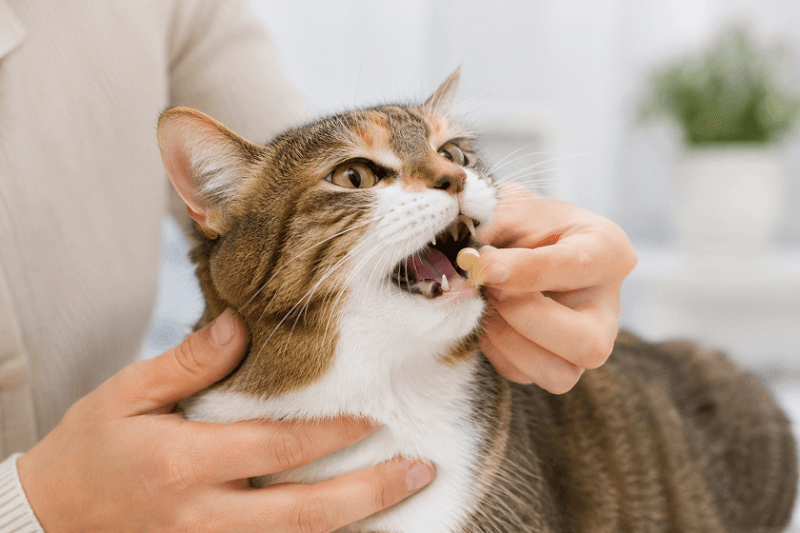
- Open the mouth carefully and place the tablet near the back of the tongue.
- Close the mouth and gently stroke the throat until swallowed.
- Reward your cat afterwards.
How to Give Liquid Deworming Medicine
- Measure the correct dose.
- Insert the syringe into the side of the mouth.
- Administer slowly and allow your cat to swallow naturally.
- Reward your cat after giving the medicine.
Helpful Tips
- Stay calm and patient.
- Use treats if approved by your veterinarian.
- Ask about alternative formulations if tablets are difficult.
- Keep sessions short and positive.
Common Mistakes to Avoid
- Using dog dewormers for cats.
- Giving the wrong dose.
- Skipping scheduled doses.
- Using expired medication.
What to Expect After Deworming
- Mild sleepiness
- Temporary decrease in appetite
- Soft stool
- Occasional worms in the stool
When to Contact Your Veterinarian
- Repeated vomiting
- Bloody diarrhea
- Difficulty breathing
- Severe lethargy
- Refusal to eat for more than 24 hours
- Signs of an allergic reaction
Final Thoughts
Giving deworming medicine to your cat may take patience, but regular parasite control is an important part of keeping your pet healthy. Gentle handling, positive reinforcement and following your veterinarian's instructions can make each treatment easier. If you are unsure about the correct product, dose or technique, consult your veterinarian to ensure your cat receives safe and effective parasite protection.
Frequently Asked Questions
Why is regular deworming important for cats?
Regular deworming helps protect cats from intestinal parasites such as roundworms, hookworms, and tapeworms. It supports your cat's overall health, reduces the risk of parasite transmission, and is especially important for kittens and outdoor cats.
How can I give a deworming tablet to my cat?
Hold your cat gently, open their mouth carefully, place the tablet near the back of the tongue, close the mouth, and gently stroke the throat until they swallow. Reward your cat with praise or a treat afterwards to create a positive experience.
Can I mix my cat's deworming medicine with food?
Some deworming medicines can be mixed with a small amount of wet food, while others should not. Always read the product instructions or consult your veterinarian before mixing medication with food.
What should I do if my cat spits out the deworming medicine?
Do not immediately give another full dose unless your veterinarian advises you to do so. If you're unsure how much medicine your cat swallowed, contact your veterinary clinic for guidance.
Are liquid dewormers easier to give than tablets?
Many cat owners find liquid dewormers easier to administer, especially for kittens or cats that refuse tablets. Your veterinarian can recommend the most suitable option for your cat.
What side effects can occur after deworming a cat?
Most cats experience no side effects. Some may have mild sleepiness, temporary soft stools, reduced appetite, or occasionally pass worms in their stool. These reactions are usually short-lived.
When should I contact a veterinarian after giving deworming medicine?
Seek veterinary advice if your cat develops repeated vomiting, bloody diarrhea, difficulty breathing, severe lethargy, refuses food for more than 24 hours, or shows signs of an allergic reaction.
Do indoor cats also need regular deworming?
Yes. Indoor cats can still be exposed to parasites through fleas, insects, contaminated objects, or prey that enters the home. Your veterinarian can recommend an appropriate deworming schedule.
How often should cats be dewormed?
The ideal deworming schedule depends on your cat's age, lifestyle, health status, and risk of parasite exposure. Kittens usually require more frequent deworming than adult cats. Follow your veterinarian's recommendations.
Can I use dog deworming medicine for my cat?
No. Dog deworming medicines may contain ingredients or dosages that are unsafe for cats. Always use a deworming product specifically prescribed or recommended for your cat.

Zifurs Editorial Team
The Zifurs Editorial Team is a group of passionate pet lovers, researchers, and writers dedicated to creating reliable and engaging content for pet parents. With a strong focus on animal care, health, and lifestyle, the team ensures that every article is well-researched, easy to understand, and practical for everyday use.