
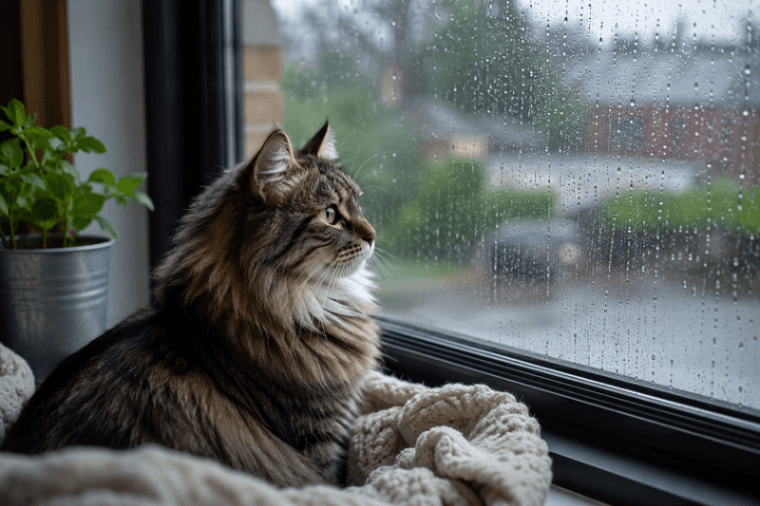
How to Keep Your Cat Healthy During the Rainy Season
The rainy season brings cooler temperatures and a refreshing change in weather, but it also increases the risk of infections, parasites, damp environments, and seasonal illnesses for cats. Whether your cat stays indoors or enjoys supervised outdoor time, the monsoon can present several health challenges that require extra care.
Moisture, humidity, and poor hygiene during the rainy season can lead to skin problems, fungal infections, digestive issues, flea infestations, and respiratory illnesses. Fortunately, with a few preventive measures and regular health checks, you can keep your feline companion healthy, comfortable, and active throughout the monsoon.
In this guide, we'll cover practical monsoon care tips for cats, common seasonal health problems, and signs that indicate it's time to visit a veterinarian.
Why Monsoon Can Affect Your Cat's Health
Although cats are naturally clean animals, the rainy season creates conditions that encourage bacteria, fungi, parasites, and viruses to thrive.
Common monsoon risks include:
- Increased humidity
- Damp sleeping areas
- Fleas and ticks
- Fungal skin infections
- Respiratory infections
- Contaminated food and water
- Mosquitoes and insects
Indoor cats are generally safer than outdoor cats, but they can still be affected by seasonal changes.
Common Health Problems Cats Face During Monsoon
1. Fleas and Ticks
Warm, humid weather creates the perfect environment for fleas and ticks to multiply.
Watch for:
- Excessive scratching
- Hair loss
- Red skin
- Tiny black flea dirt
- Restlessness
Regular parasite prevention is essential during the rainy season.
2. Fungal Skin Infections
Moist environments encourage fungal growth, especially in long-haired cats.
Signs include:
- Hair loss
- Circular bald patches
- Red or flaky skin
- Constant scratching
Keep your cat's coat clean and dry to reduce the risk.
3. Respiratory Infections
Cats may develop upper respiratory infections during damp weather.
Common symptoms include:
- Sneezing
- Watery eyes
- Nasal discharge
- Coughing
- Reduced appetite
Kittens and senior cats are especially vulnerable.
4. Digestive Problems
Spoiled food and contaminated water can upset your cat's stomach.
Symptoms include:
- Vomiting
- Diarrhea
- Loss of appetite
- Lethargy
Always provide fresh food and clean drinking water.
5. Ear Infections
Humidity may increase the risk of bacterial or yeast infections inside the ears.
Signs include:
- Head shaking
- Scratching ears
- Bad odor
- Redness
- Ear discharge
Keep Your Home Dry and Clean
A dry home is one of the best ways to protect your cat during monsoon.
- Keep bedding dry.
- Wash blankets regularly.
- Improve ventilation.
- Clean litter boxes daily.
- Prevent mold growth.
Cats prefer clean, dry environments and are less likely to develop infections when their surroundings are hygienic.
Maintain Proper Grooming
Although cats groom themselves, regular brushing is still important during the rainy season.
- Remove loose hair
- Prevent matting
- Improve air circulation through the coat
- Detect skin problems early
Prevent Fleas and Ticks
Talk to your veterinarian about safe parasite prevention options.
- Spot-on treatments
- Oral medications
- Flea collars (if recommended)
- Regular coat inspections
Never use dog flea treatments on cats.
Feed a Balanced Diet
- High-quality protein
- Essential vitamins
- Omega-3 and Omega-6 fatty acids
- Adequate hydration
Ensure Fresh Drinking Water
- Change water frequently
- Clean bowls daily
- Use a pet water fountain
- Offer wet food if appropriate
Keep Indoor Cats Mentally Active
- Interactive toys
- Puzzle feeders
- Climbing trees
- Window perches
- Laser pointer sessions
- Feather wand toys
Keep the Litter Box Clean
- Scoop daily.
- Replace litter regularly.
- Wash the litter box frequently.
- Place it in a dry, well-ventilated area.
Watch for Behavioral Changes
- Eats less
- Sleeps excessively
- Stops grooming
- Hides more than usual
- Becomes less playful
- Shows aggression
Schedule Regular Veterinary Checkups
- Perform a physical examination
- Check for parasites
- Recommend vaccinations
- Advise on flea prevention
- Assess overall health
Signs Your Cat Needs Immediate Veterinary Care
- Difficulty breathing
- Repeated vomiting
- Bloody diarrhea
- High fever
- Refuses food for more than 24 hours
- Severe lethargy
- Eye swelling
- Seizures
- Difficulty urinating
- Sudden weight loss
Monsoon Care Checklist for Cat Owners
- Keep bedding dry
- Brush regularly
- Prevent fleas and ticks
- Keep litter box clean
- Feed fresh food
- Encourage hydration
- Monitor for illness
- Schedule routine veterinary checkups
Final Thoughts
The rainy season doesn't have to be a stressful time for your cat. By maintaining a clean environment, providing balanced nutrition, preventing parasites, and monitoring your cat for early signs of illness, you can help ensure they stay healthy and comfortable throughout the monsoon.
Remember that even indoor cats can develop seasonal health problems, so regular grooming, proper hygiene, and routine veterinary care remain essential. A little extra attention during the rainy months can go a long way in protecting your cat's health and well-being.
Frequently Asked Questions
Why is monsoon season challenging for cats?
The rainy season brings increased humidity, damp surroundings, and a higher risk of parasites, fungal infections, respiratory illnesses, and digestive problems. Both indoor and outdoor cats need extra care during monsoon.
Can indoor cats get sick during the rainy season?
Yes. Even indoor cats can develop fungal infections, respiratory illnesses, flea infestations, or digestive problems due to increased humidity, poor ventilation, or contaminated food and water.
How can I protect my cat from fleas and ticks during monsoon?
Use veterinarian-recommended flea and tick prevention products, inspect your cat's coat regularly, keep your home clean and dry, and avoid exposing your cat to areas where parasites are commonly found.
What are the common signs of illness in cats during the rainy season?
Watch for symptoms such as excessive scratching, hair loss, sneezing, coughing, watery eyes, vomiting, diarrhea, loss of appetite, lethargy, ear discharge, or changes in behavior. Consult your veterinarian if these symptoms persist.
How often should I groom my cat during monsoon?
Brush your cat several times a week, or daily if they have a long coat. Regular grooming removes loose hair, prevents matting, improves air circulation through the coat, and helps detect skin problems early.
How can I keep my cat hydrated during the rainy season?
Provide fresh drinking water throughout the day, clean water bowls regularly, consider using a pet water fountain, and offer wet food if recommended by your veterinarian.
Should I clean my cat's litter box more frequently during monsoon?
Yes. Humidity can increase bacterial growth and unpleasant odors. Scoop the litter box daily, replace litter regularly, and wash the litter box frequently to maintain good hygiene.
What foods should I give my cat during the rainy season?
Feed a balanced diet rich in high-quality protein, essential vitamins, and healthy fats. Avoid leaving wet food out for extended periods, as it can spoil quickly in humid weather.
When should I take my cat to the veterinarian during monsoon?
Seek veterinary care immediately if your cat has difficulty breathing, repeated vomiting, bloody diarrhea, refuses food for more than 24 hours, has a high fever, severe lethargy, seizures, eye swelling, or difficulty urinating.
What are the best ways to keep my cat healthy during the rainy season?
Keep your home dry and well-ventilated, groom your cat regularly, prevent fleas and ticks, maintain a clean litter box, provide a nutritious diet and fresh water, encourage indoor play, and schedule routine veterinary checkups.

Zifurs Editorial Team
The Zifurs Editorial Team is a group of passionate pet lovers, researchers, and writers dedicated to creating reliable and engaging content for pet parents. With a strong focus on animal care, health, and lifestyle, the team ensures that every article is well-researched, easy to understand, and practical for everyday use.
Related Blogs

Indoor Activities for Dogs During Monsoon: Fun Ways to Keep Your Pet Active