
Ticks & Fleas in Dogs: Monsoon Prevention Guide
As the monsoon arrives, the cooler weather may be a welcome relief—but it also marks the beginning of tick and flea season. Increased humidity, damp surroundings, and lush vegetation create the perfect environment for these parasites to thrive. During this time, dogs are at a significantly higher risk of tick and flea infestations, which can lead to skin problems, infections, and even life-threatening diseases if left untreated.
Understanding how ticks and fleas affect your dog and taking preventive measures can help keep your pet healthy throughout the season.
What Are Ticks and Fleas?
Ticks and fleas are external parasites that survive by feeding on the blood of animals.
Ticks
Ticks are small, spider-like parasites that attach themselves firmly to a dog's skin. They commonly hide around the ears, neck, under the collar, between the toes, and in the armpits and groin where they can feed unnoticed for several days.
Unlike fleas, ticks remain attached to the dog while feeding and can transmit dangerous diseases through their saliva.
Fleas
Fleas are tiny, wingless insects that move rapidly through your dog's coat. They survive by feeding on blood and reproduce extremely quickly. A single flea can lay dozens of eggs every day, making infestations difficult to control if not treated promptly.
Flea eggs often fall into carpets, bedding, furniture, and cracks in the floor, allowing reinfestation even after the dog has been treated.
Why Are Ticks and Fleas More Common During the Monsoon?
Warm temperatures combined with high humidity create ideal breeding conditions for parasites.
Dogs are more likely to encounter ticks and fleas when they:
- Walk through parks or grassy areas.
- Play in gardens with overgrown vegetation.
- Visit boarding facilities or grooming centers.
- Interact with other pets carrying parasites.
During the rainy season, parasite populations increase rapidly, making preventive care especially important.
Health Problems Caused by Ticks
Many pet parents think ticks simply cause itching, but they can transmit serious infections.
Common problems include:
Tick Fever
Tick fever is one of the most common tick-borne illnesses in dogs and is caused by bacteria transmitted through infected ticks.
Symptoms include:
- High fever
- Loss of appetite
- Weakness
- Lethargy
- Swollen lymph nodes
- Joint pain
- Nosebleeds in severe cases
- Low platelet count
Without timely treatment, tick fever can become life-threatening.
Babesiosis
Babesiosis is caused by blood parasites that destroy red blood cells.
Symptoms may include:
- Pale gums
- Fever
- Weakness
- Dark-colored urine
- Jaundice
- Severe anemia
Ehrlichiosis
This bacterial infection affects white blood cells and can cause:
- Persistent fever
- Weight loss
- Bleeding disorders
- Eye problems
- Chronic weakness
Skin Infections
Tick bites can become inflamed and infected, especially if dogs scratch excessively.
Health Problems Caused by Fleas
Fleas are equally dangerous despite their small size.
Severe Itching
Dogs with fleas often scratch continuously, leading to skin damage and discomfort.
Flea Allergy Dermatitis (FAD)
Some dogs are allergic to flea saliva. Even a single flea bite can trigger intense itching and inflammation.
Signs include:
- Constant scratching
- Hair loss
- Red skin
- Scabs
- Thickened skin
- Secondary bacterial infections
Tapeworm Infection
Dogs may accidentally swallow infected fleas while grooming themselves, allowing tapeworms to develop inside the intestine.
Anemia
Heavy flea infestations, especially in puppies, can lead to significant blood loss and life-threatening anemia.
Signs Your Dog May Have Ticks or Fleas
Watch for these early warning signs:
- Excessive scratching or biting
- Frequent licking
- Restlessness
- Hair loss
- Red or irritated skin
- Small black specks ("flea dirt") in the coat
- Visible ticks attached to the skin
- Pale gums
- Fever
- Loss of appetite
- Weakness
- Bad skin odor
- Scabs or hot spots
If your dog develops fever, lethargy, or stops eating after tick exposure, seek veterinary attention immediately.
How Veterinarians Diagnose Tick and Flea Problems
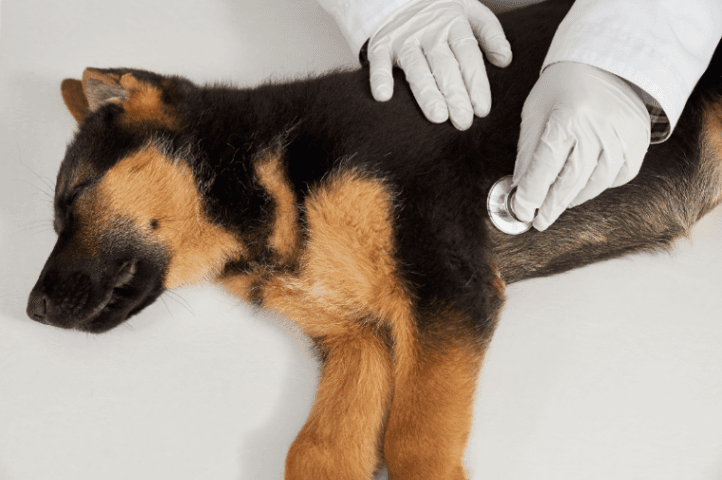
Your veterinarian may perform:
- Physical examination
- Coat and skin inspection
- Tick identification
- Blood tests
- Complete Blood Count (CBC)
- Tick fever profile
- Blood smear examination
- PCR testing (in selected cases)
Early diagnosis greatly improves treatment outcomes.
Medical Treatment
Treatment depends on the severity of the infestation and whether any diseases have developed.
Your veterinarian may recommend:
Tick and Flea Control Products
- Spot-on treatments
- Oral chewable medications
- Tick and flea shampoos
- Medicated sprays
- Tick collars
- Environmental control products
Always use products prescribed or recommended by your veterinarian. Never use medications intended for other animals or human insecticides on pets.
Treatment for Tick-Borne Diseases
Dogs diagnosed with tick fever or other tick-borne illnesses may require:
- Antibiotics
- Anti-parasitic medications
- Fever management
- Intravenous fluids
- Blood tests to monitor recovery
- Hospitalization in severe cases
- Blood transfusions if anemia becomes severe
Early treatment usually results in an excellent recovery.
How to Prevent Ticks and Fleas
Prevention is much easier than treatment.
Follow these simple measures:
Regular Preventive Medication
Use veterinarian-recommended tick and flea preventives throughout the year, especially during the monsoon.
Groom Your Dog Frequently
Brush your dog's coat regularly and inspect areas where ticks commonly hide:
- Behind the ears
- Neck
- Under the collar
- Between the toes
- Tail base
- Under the legs
Maintain Good Hygiene
- Wash bedding regularly.
- Vacuum carpets and furniture.
- Keep your home clean and dry.
- Dispose of vacuum bags promptly after cleaning.
Keep Your Garden Clean
Trim overgrown grass and remove leaf litter where ticks commonly hide.
Check Your Dog After Walks
After outdoor walks, inspect your dog thoroughly and remove any ticks promptly using a proper tick-removal tool or seek veterinary assistance.
Regular Veterinary Check-ups
Routine health examinations help detect parasite problems before they become serious.
Can Humans Catch Ticks or Fleas From Dogs?
Ticks and fleas can bite humans, causing itching and skin irritation. More importantly, some ticks can carry diseases that affect people. While fleas that live on dogs usually prefer animal hosts, they may still bite humans when infestations are severe.
Maintaining good parasite control protects both your pet and your family.
When Should You Visit a Veterinarian?
Seek veterinary care immediately if your dog:
- Has a fever
- Stops eating
- Appears weak or lethargic
- Has pale gums
- Develops swelling after a tick bite
- Shows persistent scratching despite treatment
- Experiences rapid hair loss
- Has blood in the urine or nosebleeds
- Has multiple ticks attached
Prompt treatment can prevent serious complications.
Final Thoughts
Ticks and fleas are more than just a seasonal nuisance—they can seriously affect your dog's health if ignored. The monsoon season brings a higher risk of infestations, making regular preventive care essential. Monthly parasite protection, routine grooming, home hygiene, and timely veterinary check-ups are the best ways to keep your dog safe.
If you notice excessive scratching, visible ticks, hair loss, fever, or changes in your dog's behavior, don't delay. Early diagnosis and treatment can prevent complications and help your pet recover quickly.
Keeping your dog protected from ticks and fleas isn't just about comfort—it's an important part of responsible pet care that safeguards their long-term health and well-being.
Frequently Asked Questions
Why are ticks and fleas more common during the monsoon?
Warm temperatures, high humidity, and damp surroundings create ideal breeding conditions for ticks and fleas. Dogs are more likely to pick up these parasites during walks in parks, gardens, or grassy areas, making the monsoon season a high-risk period for infestations.
What are the signs that my dog has ticks or fleas?
Common signs include excessive scratching, frequent licking or biting of the skin, hair loss, red or irritated skin, visible ticks, flea dirt (small black specks), restlessness, scabs, bad skin odor, fever, weakness, and loss of appetite. If you notice these symptoms, consult a veterinarian promptly.
Can ticks make my dog seriously ill?
Yes. Ticks can transmit dangerous diseases such as Tick Fever, Ehrlichiosis, and Babesiosis. These illnesses may cause fever, lethargy, anemia, swollen lymph nodes, joint pain, bleeding disorders, and can become life-threatening without timely treatment.
What health problems do fleas cause in dogs?
Fleas can cause severe itching, flea allergy dermatitis, skin infections, hair loss, tapeworm infections, and anemia, especially in puppies or dogs with heavy infestations. Prompt treatment helps prevent these complications.
How can I prevent ticks and fleas on my dog?
Use veterinarian-recommended tick and flea preventives regularly, inspect your dog's coat after outdoor walks, groom your pet frequently, wash bedding, vacuum your home, maintain a clean environment, and schedule routine veterinary checkups.
How often should my dog receive tick and flea prevention?
Most veterinarians recommend year-round parasite prevention, especially during the monsoon when tick and flea activity increases. The frequency depends on the product used, so always follow your veterinarian's recommendations.
Can humans get ticks or fleas from dogs?
Yes. Ticks and fleas can bite humans and cause itching or skin irritation. Some ticks can also transmit diseases to people. Keeping your dog on regular parasite prevention helps protect both your pet and your family.
How are tick and flea infestations diagnosed?
Veterinarians diagnose infestations through a physical examination, coat inspection, and, when necessary, blood tests such as a Complete Blood Count (CBC), tick fever profile, blood smear, or PCR testing to detect tick-borne diseases.
What treatments are available for ticks and fleas in dogs?
Treatment may include spot-on treatments, oral chewable medications, medicated shampoos, sprays, tick collars, and environmental control products. Dogs diagnosed with tick-borne diseases may also require antibiotics, supportive care, and hospitalization in severe cases.
Should I remove ticks from my dog at home?
Ticks should be removed carefully using a proper tick-removal tool or tweezers without crushing the tick. If you are unsure how to remove a tick safely or your dog develops symptoms afterward, seek veterinary assistance immediately.
When should I take my dog to a veterinarian for ticks or fleas?
Visit your veterinarian immediately if your dog develops fever, lethargy, pale gums, loss of appetite, persistent scratching, swelling after a tick bite, blood in the urine, nosebleeds, or multiple attached ticks. Early treatment greatly improves recovery.
Can indoor dogs get ticks and fleas?
Yes. Even indoor dogs can get ticks and fleas through walks, contact with other pets, visitors, or contaminated environments. Regular preventive treatment is recommended for both indoor and outdoor dogs.

Zifurs Editorial Team
The Zifurs Editorial Team is a group of passionate pet lovers, researchers, and writers dedicated to creating reliable and engaging content for pet parents. With a strong focus on animal care, health, and lifestyle, the team ensures that every article is well-researched, easy to understand, and practical for everyday use.
Related Blogs

Indoor Activities for Dogs During Monsoon: Fun Ways to Keep Your Pet Active
Most Common Diseases in Dogs in India: Symptoms, Prevention & Treatment Guide

The Complete Puppy Care Guide: From First Week to First Year