Why Is My Dog Itching So Much After Monsoon? Causes & What to Do
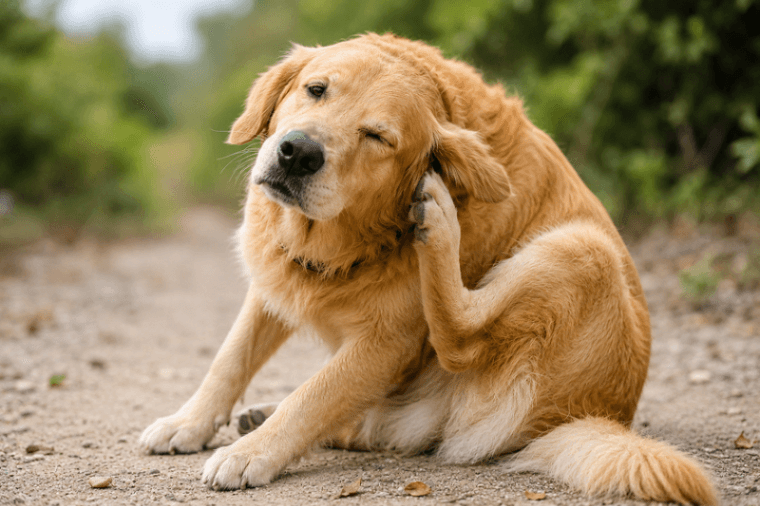
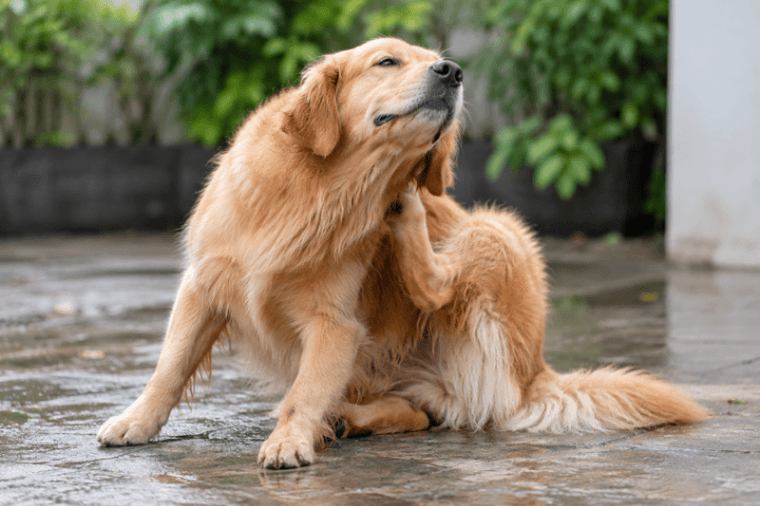
Has your dog been scratching, licking, or biting its skin more than usual after the monsoon? Increased humidity, damp fur, parasites, allergies, and skin infections can all contribute to excessive itching in dogs. While occasional scratching is normal, persistent itching can be a sign that your pet needs attention.
In this guide, we’ll explore the common causes of dog itching after monsoon, the signs to watch for, what you can do at home, and when it’s time to consult a veterinarian.
Why Does My Dog Itch More After Monsoon?
The warm and humid conditions during and after the rainy season can create an environment where fleas, ticks, fungi, and bacteria thrive. Dogs may also come into contact with more outdoor allergens such as grass, pollen, and damp soil.
Moisture trapped in your dog's coat, especially around the paws, ears, skin folds, and undercoat, can further increase skin irritation. Dogs with sensitive skin or allergies may be particularly affected.
7 Common Causes of Dog Itching After Monsoon
1. Fleas and Ticks
Fleas and ticks are among the most common causes of itching in dogs. A single flea bite can cause significant irritation in sensitive dogs. Ticks may also attach themselves to areas such as the ears, neck, paws, and between the toes.
Regularly check your dog's coat and skin, particularly after outdoor walks.
2. Fungal Skin Infections
Warm and humid weather can encourage fungal growth. Fungal infections may cause intense itching, redness, flaky skin, unpleasant odour, and patches of hair loss.
If you notice circular bald patches, persistent redness, or recurring skin irritation, a veterinary examination is recommended.
3. Environmental Allergies
Grass, pollen, dust, mould, and other environmental allergens can trigger itching in some dogs. Your dog may also lick or chew its paws frequently if the paws are irritated after walks.
4. Damp Fur and Skin
Allowing your dog's coat to remain damp for long periods can contribute to skin irritation and create favourable conditions for microorganisms to multiply.
Always dry your dog thoroughly after bathing, getting caught in the rain, or returning from a wet walk.
5. Bacterial Skin Infections
Excessive scratching can damage the skin barrier and allow bacteria to multiply. Signs can include redness, small bumps, scabs, discharge, unpleasant odour, or worsening irritation.
Bacterial infections usually require veterinary evaluation and appropriate treatment.
6. Dry or Irritated Skin
Frequent bathing, unsuitable shampoos, or excessive use of grooming products can sometimes irritate a dog's skin. Using products specifically formulated for dogs and avoiding unnecessary bathing can help maintain the skin's natural barrier.
7. Food Allergies or Sensitivities
Food-related allergies or sensitivities can also cause persistent itching. Some dogs may develop recurring skin or ear problems alongside itching.
If you suspect a food-related issue, speak with your veterinarian before making major changes to your dog's diet.
Signs Your Dog's Itching Needs Attention
Occasional scratching is normal, but frequent or intense itching deserves attention. Look out for:
- Constant scratching or rubbing
- Excessive licking or chewing of the paws
- Red or inflamed skin
- Hair loss or bald patches
- Scabs, sores, or skin wounds
- Unusual skin odour
- Frequent head shaking or ear scratching
- Darkened or thickened skin
What Can You Do If Your Dog Is Itching?
If your dog's itching is mild and there are no obvious signs of infection or injury, you can start with a few basic hygiene measures.
- Keep your dog's coat dry: Thoroughly dry your pet after baths and wet walks.
- Brush regularly: Brushing can help remove dirt, loose hair, and potential irritants from the coat.
- Check for parasites: Inspect the skin and coat regularly for fleas and ticks.
- Keep bedding clean: Wash your dog's bedding regularly to reduce the buildup of dirt and allergens.
- Use pet-safe products: Choose shampoos and grooming products designed specifically for dogs.
- Avoid human medicines: Do not apply human anti-itch creams or give medication without veterinary advice.
- Consult a veterinarian: Persistent, severe, or worsening itching may require professional diagnosis and treatment.
Can Grooming Help With Post-Monsoon Itching?
Regular grooming can support your dog's skin and coat hygiene, especially after the rainy season. Proper bathing, brushing, drying, ear cleaning, and nail trimming can help keep your pet clean and comfortable.
However, grooming should not be considered a treatment for allergies, fungal infections, bacterial infections, or other medical conditions. If your dog has persistent itching, wounds, hair loss, or inflamed skin, a veterinary consultation is important.
When Should You Take Your Dog to a Vet?
Contact a veterinarian if your dog's itching is persistent, severe, or accompanied by other symptoms. Veterinary attention is especially important if your dog is scratching until the skin bleeds, developing sores, losing significant amounts of hair, or showing signs of infection.
A veterinarian can identify the underlying cause and recommend the appropriate treatment instead of simply treating the itching itself.
How to Prevent Post-Monsoon Itching in Dogs
A consistent grooming and preventive-care routine can help reduce many common skin problems after the rainy season.
- Keep your dog's coat clean and completely dry.
- Brush your dog regularly according to its coat type.
- Check regularly for fleas and ticks.
- Keep bedding, blankets, and sleeping areas clean.
- Clean and dry your dog's paws after outdoor walks.
- Use veterinarian-recommended parasite prevention.
- Schedule regular veterinary checkups.
- Maintain a balanced, age-appropriate diet.
Keep Your Dog Comfortable After Monsoon
Post-monsoon itching is common, but it shouldn't be ignored when it becomes persistent or severe. Keeping your dog's coat dry, maintaining good grooming habits, preventing parasites, and staying on top of regular veterinary care can help support healthy skin and a comfortable coat.
If your dog has been scratching more than usual, don't wait for the problem to get worse. A proper grooming routine and timely veterinary consultation can help identify and address the underlying cause.
Frequently Asked Questions
Why is my dog itching so much after monsoon?
Increased humidity after monsoon can contribute to fleas, ticks, fungal infections, allergies, and skin irritation. Damp fur and exposure to outdoor allergens can also make itching worse.
Can monsoon weather cause skin problems in dogs?
Yes. Warm and humid conditions can increase the risk of skin irritation, fungal and bacterial infections, and parasite-related problems in dogs, especially when the coat remains damp.
How do I know if my dog's itching is caused by fleas or ticks?
Check your dog's skin and coat for visible fleas, ticks, flea dirt, small bites, redness, or excessive scratching. Common areas to check include the ears, neck, paws, belly, and between the toes.
Can wet fur make my dog itchy?
Yes. Fur that stays damp for long periods can irritate the skin and create favourable conditions for fungal and bacterial growth. Thoroughly drying your dog after rain or bathing can help.
How can I stop my dog from itching after monsoon?
Keep your dog's coat clean and dry, brush regularly, check for fleas and ticks, keep bedding clean, use dog-safe grooming products, and consult a veterinarian if the itching is persistent or severe.
When should I take my itchy dog to the vet?
You should consult a veterinarian if your dog's itching is persistent or severe, or if it is accompanied by redness, hair loss, sores, scabs, skin odour, discharge, or frequent licking and chewing.

Zifurs Editorial Team
The Zifurs Editorial Team is a group of passionate pet lovers, researchers, and writers dedicated to creating reliable and engaging content for pet parents. With a strong focus on animal care, health, and lifestyle, the team ensures that every article is well-researched, easy to understand, and practical for everyday use.
Related Blogs

Indoor Activities for Dogs During Monsoon: Fun Ways to Keep Your Pet Active