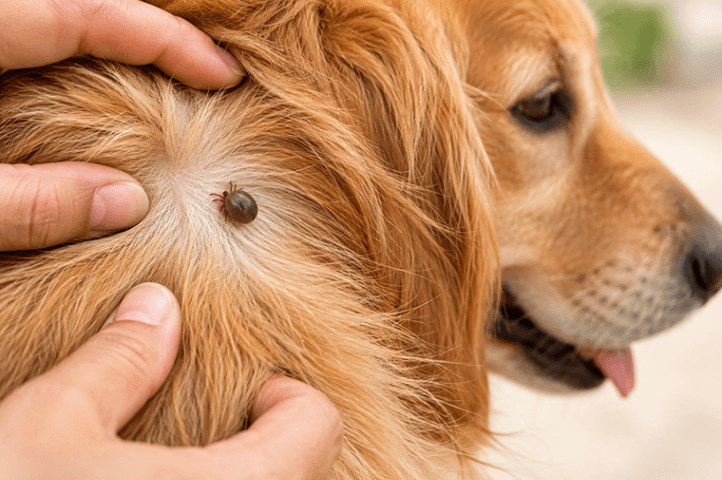
Tick Fever in Dogs: Symptoms, Causes, Treatment & Prevention
Ticks may be tiny, but they can cause serious health problems for dogs. A single tick bite can potentially expose your dog to organisms responsible for several tick-borne diseases, some of which can affect the blood, immune system and organs.
In India, pet parents commonly use the term “tick fever” to describe illnesses associated with tick bites. However, tick fever is not one specific disease. Dogs can develop different tick-borne infections, including ehrlichiosis, anaplasmosis and babesiosis, and each may require a different diagnostic and treatment approach.
The good news is that many tick-borne infections can be treated successfully when detected early. The key is recognizing the warning signs, getting appropriate veterinary testing and maintaining consistent tick prevention.
In this guide, we'll explain what tick fever is, how dogs get it, common symptoms, different types of tick-borne diseases, diagnosis, treatment, recovery, prevention and when you should take your dog to a veterinarian.
What Is Tick Fever in Dogs?
“Tick fever” is a commonly used term for illnesses caused by organisms transmitted through tick bites.
Depending on the organism involved, a dog may develop:
- Ehrlichiosis
- Anaplasmosis
- Babesiosis
- Other less common tick-borne infections
For example, canine ehrlichiosis is commonly associated with Ehrlichia canis, while anaplasmosis is caused by Anaplasma species. Babesiosis is caused by Babesia parasites that affect red blood cells.
These infections can produce overlapping symptoms, which is why simply looking at symptoms is not enough to determine which disease your dog has.
A veterinarian may need to combine the dog's history and physical examination with CBC/platelet testing, antibody tests, blood-smear examination and/or PCR testing to determine what is happening.
How Do Dogs Get Tick Fever?
The most common route is through the bite of an infected tick.
Ticks feed on animals and can acquire disease-causing organisms from infected hosts. When the infected tick subsequently feeds on another animal, it can transmit the organism.
One particularly important tick for dogs is the brown dog tick (Rhipicephalus sanguineus), which is associated with transmission of Ehrlichia canis and some other tick-borne pathogens.
Your dog can encounter ticks in places such as:
- Parks
- Gardens
- Tall grass
- Bushes and vegetation
- Open grounds
- Areas frequented by other animals
- Tick-infested homes or kennels
- Outdoor areas where wildlife or stray animals may pass
Importantly, ticks do not have to be visible for your dog to be at risk. A tick can be small and hidden deep within the coat.
What Are the Common Types of Tick-Borne Diseases in Dogs?
1. Ehrlichiosis
Ehrlichiosis is a bacterial infection caused by Ehrlichia species.
In dogs, Ehrlichia canis is an important cause of canine ehrlichiosis and is primarily associated with the brown dog tick.
The infection can cause changes in blood cells, particularly platelets, and may result in:
- Fever
- Reduced appetite
- Weakness
- Enlarged lymph nodes
- Enlarged spleen
- Nosebleeds
- Bruising
- Blood in urine or stool
- Anemia
- Weight loss
- Eye problems
- Neurological signs in some cases
Some dogs may initially have very few symptoms. Others can develop severe or chronic disease.
2. Anaplasmosis
Anaplasmosis is another tick-borne bacterial infection.
Depending on the species involved, the infection can affect white blood cells or platelets. Dogs may develop:
- Fever
- Lethargy
- Loss of appetite
- Enlarged lymph nodes
- Enlarged spleen
- Bleeding tendencies
- Low platelet count
- Lameness or joint-related discomfort
Some infections may be mild or even produce no obvious symptoms. Diagnosis can involve blood tests, serology and PCR.
3. Babesiosis
Babesiosis is different from ehrlichiosis and anaplasmosis because it is caused by Babesia parasites that affect red blood cells.
Depending on the species and severity of infection, affected dogs can develop:
- Fever
- Weakness
- Pale gums
- Anemia
- Yellowing of the skin or eyes
- Dark or reddish urine
- Reduced appetite
- Enlarged spleen
- Collapse in severe cases
Because several diseases can cause similar symptoms, laboratory testing is important when babesiosis is suspected.
Tick Fever Symptoms in Dogs
The symptoms of tick fever can vary considerably.
Some dogs may have mild symptoms, while others can become seriously ill.
Common symptoms include:
1. Fever
A dog may feel unusually warm and become less active.
2. Lethargy
Your dog may sleep more than usual, avoid playing or appear unusually tired.
3. Loss of appetite
A previously food-motivated dog may suddenly become uninterested in food.
4. Weakness
Dogs with anemia or other blood abnormalities may appear weak or reluctant to move.
5. Pale gums
Pale or white gums can indicate anemia or other serious problems and should not be ignored.
6. Nosebleeds
Low platelet counts associated with some tick-borne infections can contribute to abnormal bleeding.
7. Unusual bruising
Small red spots, bruises or bleeding under the skin can occur when platelet levels are very low.
8. Swollen lymph nodes
Enlarged lymph nodes can occur with infections.
9. Weight loss
Longer-lasting infections can result in gradual weight loss.
10. Vomiting or digestive problems
Some sick dogs may develop gastrointestinal symptoms.
11. Lameness
Certain tick-borne infections can cause joint or musculoskeletal symptoms.
12. Dark or reddish urine
This can occur with conditions involving destruction of red blood cells, including some cases of babesiosis.
Early Signs of Tick Fever You Should Not Ignore
Tick-borne disease does not always start dramatically.
Sometimes the first signs are simply:
“My dog isn't acting like himself.”
Pay attention if your dog suddenly:
- Stops eating
- Sleeps much more than usual
- Seems weak after a normal walk
- Develops a fever
- Has pale gums
- Loses weight
- Develops unexplained bruising
- Has a nosebleed
- Has blood in urine or stool
- Develops sudden lameness
If your dog has recently had ticks and develops any of these signs, contact a veterinarian rather than waiting for the symptoms to become severe.
Can Tick Fever Be Fatal in Dogs?
Yes, severe tick-borne infections can become life-threatening.
The risk depends on the specific infection, how early it is diagnosed, the dog's overall health and whether complications such as severe anemia, bleeding or organ involvement develop.
Chronic ehrlichiosis, for example, can be associated with significant blood and bone-marrow abnormalities. Severe bleeding or anemia may require intensive supportive treatment, including blood or platelet transfusions in appropriate cases.
This is why early veterinary evaluation is important.
How Is Tick Fever Diagnosed in Dogs?
There is no single test that can diagnose every type of “tick fever.”
A veterinarian may recommend several tests depending on your dog's symptoms.
1. Complete Blood Count (CBC)
A CBC can provide important information about:
- Red blood cells
- White blood cells
- Platelets
- Anemia
Low platelet counts are commonly associated with several tick-borne infections.
2. Blood Smear
A veterinarian or laboratory may examine a blood sample under a microscope to look for changes or, in some cases, organisms associated with infection.
3. Antibody/Serology Testing
Serological tests can identify antibodies indicating exposure to certain pathogens.
However, a positive antibody result does not always mean that the dog currently has active clinical disease. Antibodies can persist after exposure.
4. PCR Testing
PCR can detect genetic material from certain infectious organisms and can be particularly useful in appropriate stages of infection.
5. Additional Tests
Depending on the dog's condition, the veterinarian may also recommend:
- Liver-function testing
- Kidney-function testing
- Urinalysis
- Additional infectious-disease testing
- Imaging
- Repeat blood tests
This is particularly important because dogs can sometimes have more than one tick-borne infection at the same time.
Tick Fever Treatment in Dogs
The treatment depends on the specific infection and the severity of the disease.
There is no safe “one-size-fits-all” tick fever medicine that pet parents should give at home.
Treatment for Ehrlichiosis and Anaplasmosis
Doxycycline is commonly used by veterinarians to treat ehrlichiosis and anaplasmosis.
Veterinary guidelines commonly describe a treatment course of approximately 28 days, although the exact drug, dose, route and duration must be determined by the treating veterinarian for the individual dog.
In suspected ehrlichiosis, veterinarians may sometimes begin treatment before all diagnostic results are available when the clinical picture supports the diagnosis. An early negative antibody test does not necessarily rule out infection because antibodies can take time to develop.
Important:
Never start doxycycline or another antibiotic without veterinary guidance.
The correct treatment depends on:
- Your dog's weight
- Age
- Clinical condition
- Blood-test results
- Suspected organism
- Other medications
- Liver and kidney status
- Pregnancy status where relevant
- Presence of co-infections
Treatment for Babesiosis
Babesiosis requires a different treatment approach from ehrlichiosis and anaplasmosis.
Depending on the Babesia species and severity, veterinarians may use specific anti-parasitic treatment along with supportive care.
Dogs with severe anemia may require blood transfusions, while severely affected dogs may require hospitalization and intensive monitoring.
This is one reason why “give doxycycline for tick fever” is not an appropriate universal treatment recommendation.
Supportive Treatment for Tick Fever
Some dogs need more than medication targeting the infection.
Depending on their condition, supportive treatment may include:
- Fluid therapy
- Nutritional support
- Medication for vomiting or nausea
- Monitoring of blood counts
- Treatment for anemia
- Blood or platelet transfusion when medically necessary
- Monitoring of liver and kidney function
- Hospitalization for severely affected dogs
The veterinarian will determine the appropriate supportive treatment based on the dog's condition.
How Long Does Tick Fever Treatment Take?
The recovery timeline depends on the disease and how advanced it is.
For some acute infections, clinical improvement can occur relatively quickly after appropriate treatment. For example, fever associated with acute ehrlichiosis may improve within 24–48 hours after effective treatment begins. However, improvement in symptoms does not necessarily mean every blood abnormality has immediately returned to normal.
In chronic ehrlichiosis, blood abnormalities can take considerably longer to resolve, sometimes months.
Your veterinarian may therefore recommend follow-up blood tests even when your dog appears to feel better.
Can Tick Fever Come Back?
Yes.
A dog can be exposed to ticks again after recovering from a previous infection.
In addition, some tick-borne infections can persist or recur, and dogs do not necessarily develop reliable protective immunity after infection. CAPC notes that reinfection with Ehrlichia and Anaplasma can occur following treatment.
This means treatment and prevention are two separate things.
Treating the infection does not mean your dog is permanently protected from future tick exposure.
How to Prevent Tick Fever in Dogs
The most important strategy is consistent tick control.
1. Use a Vet-Recommended Tick Preventive
Your veterinarian can recommend an appropriate tick-control product based on your dog's:
- Age
- Weight
- Breed
- Lifestyle
- Health status
- Exposure risk
Different preventive products have different active ingredients, routes and dosing schedules.
Use them exactly according to the product label and your veterinarian's instructions.
2. Don't Stop Tick Prevention During “Low-Tick” Periods
Ticks can remain a problem throughout the year.
CAPC recommends year-round tick control because tick activity varies by region, season and environment.
For pet parents in India, this is particularly important because warm weather can support tick activity for significant portions of the year.
3. Check Your Dog After Outdoor Walks
After walks, especially in areas with grass or vegetation, check your dog's:
- Ears
- Neck
- Between the toes
- Armpits
- Groin
- Around the tail
- Under the collar
- Face and eyelids
- Other areas where ticks can hide
Remember that a tick can be very small.
4. Remove Attached Ticks Promptly
If you find an attached tick, remove it carefully using appropriate fine-tipped tweezers or a tick-removal tool.
Grasp the tick close to the skin and pull steadily.
Avoid crushing the tick against your dog's skin.
Wear gloves if possible and wash your hands after removal.
5. Keep the Home Environment Clean
If your dog has a significant tick infestation, treating only the dog may not be enough.
Ticks can survive in the environment and continue to create problems.
Discuss environmental tick control with your veterinarian or a qualified pest-control professional when necessary.
Keeping grass and vegetation around the home managed can also reduce suitable tick habitat.
Can Grooming Help Prevent Tick Problems?
Regular grooming can help you spot ticks earlier, particularly in dogs with thick or long coats.
During grooming, you may have a better opportunity to inspect areas that are difficult to see at home.
However, grooming is not a replacement for veterinary-approved tick prevention.
A bath or grooming appointment may remove some ticks, but it should not be considered sufficient protection against tick-borne disease.
The most effective prevention strategy is consistent tick control combined with regular inspection and prompt removal of attached ticks.
When Should You Take Your Dog to a Vet?
Seek veterinary attention if your dog has:
- Fever
- Severe lethargy
- Refusal to eat
- Pale or white gums
- Nosebleeding
- Unexplained bruising
- Blood in urine or stool
- Dark urine
- Difficulty walking
- Sudden weakness
- Collapse
- Breathing difficulty
- A known heavy tick infestation
Seek urgent veterinary care if:
Your dog collapses, has significant bleeding, has very pale gums, struggles to breathe, becomes extremely weak or appears severely unwell.
These signs can indicate a potentially serious condition requiring immediate assessment.
Can Humans Get Tick-Borne Diseases From Dogs?
Some tick-borne organisms can infect humans.
However, for diseases such as ehrlichiosis and anaplasmosis, the usual concern is the infected tick, rather than direct transmission from an infected dog to a person.
If your dog has ticks, take precautions when removing them and consider the possibility that ticks may also be present in the surrounding environment.
A dog diagnosed with a tick-borne infection can also be an indication that infected ticks are present in the area.
Common Myths About Tick Fever in Dogs
Myth 1: “If I don't see ticks, my dog can't have tick fever.”
False.
Ticks can be small and hidden within the coat. A dog may also have been bitten by a tick that is no longer attached.
Myth 2: “One tick bite always causes tick fever.”
False.
Transmission depends on factors including whether the tick carries a relevant pathogen and other biological factors.
Myth 3: “Once my dog recovers, it can never get tick fever again.”
False.
Dogs can be exposed to ticks again, and reinfection can occur with some tick-borne pathogens.
Myth 4: “A tick bath is enough to protect my dog.”
False.
Tick baths or grooming may help remove ticks, but long-term prevention requires an appropriate tick-control strategy.
Myth 5: “A positive tick test always means my dog needs antibiotics.”
Not necessarily.
Some tests indicate exposure rather than active disease. Veterinarians interpret test results together with symptoms, physical examination and other laboratory findings.
Tick Fever in Dogs: A Simple Checklist for Pet Parents
If your dog has had ticks recently:
Step 1 - Check your dog thoroughly for ticks.
Step 2 - Make sure your dog's tick preventive is up to date.
Step 3 - Watch for changes in appetite, energy, gum colour, urine and behaviour.
Step 4 - If symptoms appear, schedule a veterinary consultation.
Step 5 - Ask the veterinarian whether blood testing is appropriate.
Step 6 - Complete the prescribed treatment exactly as directed.
Step 7 - Follow up with recommended blood tests.
Step 8 - Continue tick prevention even after your dog recovers.
Frequently Asked Questions
What is tick fever in dogs?
Tick fever is a common term used for several tick-borne infections in dogs, including ehrlichiosis, anaplasmosis and babesiosis. These infections can affect a dog's blood cells, immune system and overall health.
What are the common symptoms of tick fever in dogs?
Common symptoms include fever, lethargy, weakness, loss of appetite, pale gums, weight loss, swollen lymph nodes, unusual bruising, nosebleeds and dark or reddish urine. Symptoms can vary depending on the type and severity of infection.
How is tick fever diagnosed in dogs?
A veterinarian may recommend a CBC, platelet count, blood smear, antibody testing or PCR testing. Additional tests may be required depending on the dog's symptoms and condition.
What is the treatment for tick fever in dogs?
Treatment depends on the specific tick-borne infection. Doxycycline is commonly used for conditions such as ehrlichiosis and anaplasmosis, while babesiosis requires a different treatment approach. Medication and dosage should always be prescribed by a veterinarian.
How long does tick fever take to recover?
Recovery varies depending on the infection, how early it is diagnosed and the dog's overall health. Some dogs improve within a few days of appropriate treatment, while blood abnormalities and chronic infections may take considerably longer to resolve.
Can tick fever come back in dogs?
Yes. Dogs can be exposed to infected ticks again after recovery, and reinfection can occur with some tick-borne diseases. Consistent tick prevention is therefore important even after successful treatment.
Can tick fever be prevented?
The best way to reduce the risk is consistent, veterinarian-recommended tick prevention. Regularly check your dog for ticks, remove attached ticks promptly and maintain good tick control in your home and surroundings.
Can tick fever be fatal for dogs?
Severe tick-borne infections can become life-threatening, particularly when associated with severe anemia, bleeding or other complications. Early diagnosis and veterinary treatment can significantly improve the chances of recovery.
Should I take my dog to a vet after finding a tick?
Finding a tick does not automatically mean your dog has a tick-borne disease. However, if your dog develops fever, weakness, loss of appetite, pale gums, bleeding or unusual behaviour after tick exposure, consult a veterinarian promptly.
Can grooming prevent tick fever?
Regular grooming can help you find ticks earlier, especially in dogs with thick or long coats. However, grooming alone does not prevent tick-borne diseases. A proper tick-prevention routine recommended by a veterinarian is essential.

Zifurs Editorial Team
The Zifurs Editorial Team is a group of passionate pet lovers, researchers, and writers dedicated to creating reliable and engaging content for pet parents. With a strong focus on animal care, health, and lifestyle, the team ensures that every article is well-researched, easy to understand, and practical for everyday use.
Related Blogs

Why Is My Dog Itching So Much After Monsoon? Causes & What to Do