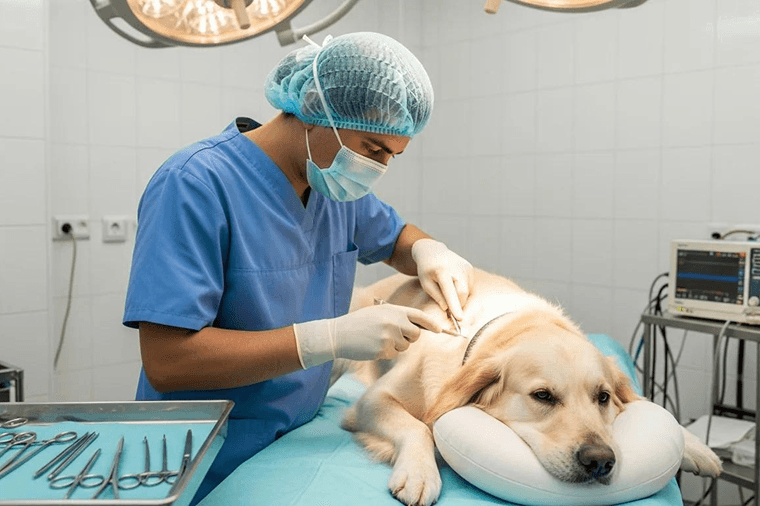
Spaying and Neutering Dogs: Benefits, Risks, Cost in Delhi & What Happens If You Don't?
As a responsible pet parent, you want your dog to live a long, healthy and happy life. One important decision you may face is whether to spay or neuter your dog.
Spaying and neutering are common veterinary procedures that prevent reproduction and can reduce the risk of certain reproductive health conditions. However, the benefits, potential risks and ideal timing differ between male and female dogs.
Female dogs can develop serious conditions such as pyometra, a potentially life-threatening uterine infection. Male dogs, particularly those that remain intact as they age, can develop prostate enlargement and testicular tumours. Both male and female dogs can also contribute to unplanned litters if they mate.
If you are a pet parent in Delhi NCR wondering whether these procedures are necessary, this guide explains the differences between spaying and neutering, their advantages and disadvantages, the indicative cost of dog sterilisation in Delhi, and the alternatives available if you decide not to proceed with surgery.
What Is Spaying and Neutering in Dogs?
Spaying and neutering are surgical procedures performed to prevent dogs from reproducing. Although the terms are sometimes used interchangeably, they refer to different procedures.
What is spaying in female dogs?
Spaying is the surgical sterilisation of a female dog. In a conventional procedure, the veterinarian removes the ovaries and usually the uterus under general anaesthesia. In some cases, only the ovaries are removed.
Spaying prevents pregnancy. It also eliminates normal heat cycles when ovarian tissue is completely removed and prevents conventional pyometra when the relevant reproductive organs are removed.
What is neutering in male dogs?
Neutering, also called castration, is the surgical removal of a male dog's testicles. This prevents the dog from fathering puppies and substantially reduces testosterone levels.
Neutering can also help prevent testicular tumours and treat certain hormone-dependent conditions, including benign prostatic hyperplasia.
Both procedures involve anaesthesia and recovery. Your veterinarian should recommend the most appropriate approach and timing based on your dog's breed, age, size, medical history and lifestyle.
What Are the Benefits of Spaying a Female Dog?
Spaying offers several reproductive health benefits. Here are the main advantages to discuss with your veterinarian.
1. Prevents unwanted pregnancy
Spaying permanently prevents pregnancy when the procedure is successful. This helps avoid unplanned litters, pregnancy-related complications and the responsibility of finding suitable homes for puppies.
It is also an important step towards responsible pet ownership.
2. Prevents pyometra
Pyometra is a serious infection of the uterus that can develop in unspayed female dogs, often following a heat cycle.
Symptoms may include lethargy, vomiting, loss of appetite, increased thirst, frequent urination, abdominal swelling and vaginal discharge. Some dogs develop a closed form of pyometra without visible discharge.
Pyometra can become life-threatening and may require emergency surgery and hospitalisation. Spaying that removes the uterus and ovaries prevents conventional pyometra.
3. May reduce the risk of mammary tumours
Mammary tumours develop in the tissue surrounding a dog's mammary glands. Intact female dogs are at increased risk of these tumours compared with dogs spayed at an appropriate early age.
However, the degree of protection offered by spaying and the ideal timing are subjects of ongoing veterinary discussion. Not all mammary tumours are cancerous, and spaying does not guarantee that a dog will never develop them.
4. Eliminates heat cycles
Female dogs experience heat cycles that can involve vaginal bleeding, swelling of the vulva, behavioural changes and increased attention from male dogs.
Spaying eliminates normal heat cycles and removes the need to manage heat-related bleeding or continually prevent mating during this period.
5. Helps prevent future false pregnancies
Some female dogs develop signs of false pregnancy after a heat cycle, including nesting, carrying toys as if they were puppies, enlarged mammary glands and milk production.
Appropriately timed spaying can prevent future hormone-driven reproductive cycles and related false pregnancies. If your dog is already experiencing a false pregnancy, consult your veterinarian about the safest timing for surgery.
What Are the Benefits of Neutering a Male Dog?
Male dogs also experience reproductive health problems. Neutering can reduce certain risks, although it does not prevent every prostate condition or eliminate all unwanted behaviours.
1. Prevents testicular tumours
Intact male dogs can develop testicular tumours, particularly as they get older. Removing the testicles eliminates the possibility of tumours developing in those removed organs.
2. Helps prevent benign prostatic hyperplasia
Benign prostatic hyperplasia, or BPH, is a non-cancerous enlargement of the prostate that commonly affects older, intact male dogs.
Symptoms may include blood in the urine, bloody discharge from the penis, straining to defecate or difficulty passing stools.
Because this condition is hormone-dependent, neutering is often an effective treatment and reduces the likelihood of developing BPH in the future.
3. Reduces mating-related behaviours in some dogs
Neutering may reduce testosterone-driven behaviours such as seeking females in heat, roaming to find a mate, mounting and urine marking.
However, these behaviours can have other causes, including stress, excitement, learned habits and anxiety. Neutering is not a guaranteed solution to every behavioural issue.
4. Prevents unwanted litters
Neutering prevents a male dog from fathering puppies after recovery and confirmation that the procedure was successful.
This helps prevent accidental breeding, particularly when male dogs live with unspayed females or have access to other dogs outdoors.
5. Can help manage certain reproductive conditions
Neutering is often recommended as part of treatment for hormone-dependent prostate enlargement and may be advised in certain cases involving testicular or reproductive disorders.
It does not reliably prevent all prostate diseases, and decisions should be based on veterinary examination rather than age alone.
What Are the Disadvantages or Risks of Spaying and Neutering?
Although both procedures are commonly performed, they are still surgeries and have potential risks.
1. Risks associated with anaesthesia and surgery
Both procedures require general anaesthesia. Possible complications include bleeding, infection, reactions to anaesthesia and post-operative problems.
Female spaying generally involves abdominal surgery and is more invasive than routine male neutering. Male dogs with retained testicles may require a more complex operation.
Pre-operative examinations, recommended blood tests, anaesthetic monitoring and proper recovery care help reduce risks.
2. Potential weight gain
Some dogs have lower energy requirements after sterilisation. If their food intake and exercise routine remain unchanged, they may gain weight.
Monitor your dog's body condition, adjust food portions when needed and maintain regular exercise to support a healthy weight.
3. Possible urinary incontinence in female dogs
Some spayed female dogs, particularly certain larger breeds, may develop urinary incontinence later in life.
This condition is not inevitable and can often be managed with veterinary treatment. Your veterinarian can discuss breed-specific risks and whether surgery timing may influence them.
4. Potential joint and other long-term health considerations
Some studies associate early spaying or neutering with increased risks of certain joint disorders or other health conditions in particular breeds, especially large and giant breeds.
These risks vary by sex, breed, adult size and age at surgery. The findings do not mean every dog should have surgery delayed, but they support individualised decisions about timing.
5. Recovery and temporary activity restrictions
After surgery, your dog may experience temporary discomfort, tiredness and reduced activity.
You will need to protect the surgical incision, administer prescribed medication and restrict running, jumping and rough play during recovery.
6. Not every behavioural problem improves
Neutering may help with some hormone-driven behaviours, but it does not automatically stop aggression, anxiety, barking, destructive behaviour or every form of mounting.
Behavioural problems may require training, environmental changes or professional veterinary behavioural advice.
What Is the Cost of Spaying and Neutering Dogs in Delhi?
The cost of dog sterilisation in Delhi NCR depends on the dog's sex, weight, age, health, surgical complexity and the veterinary hospital's facilities.
The following figures are indicative budgeting estimates, not verified citywide averages or guaranteed current prices.
Procedure or serviceIndicative costSpaying a female dog at a private clinic₹4,000–₹13,000+Neutering a male dog at a private clinic₹3,000–₹10,000+Additional blood tests, medication or hospitalisationMay cost extra
Female spaying is often more expensive because it involves abdominal surgery. Male neutering is usually less complex, although surgery can cost more for large dogs or dogs with retained testicles.
Community or subsidised services may be available at different prices, depending on eligibility, location and programme availability.
What is included in the surgery cost?
Before booking, ask your veterinary clinic whether the quoted price includes:
- Pre-operative consultation and physical examination
- Blood tests and other recommended investigations
- General anaesthesia and monitoring
- Surgical procedure and consumables
- Post-operative pain relief and medication
- Protective collar or recovery suit
- Follow-up consultation and wound checks
- Hospitalisation, if required
A low-cost quote may cover the surgery alone, while a more comprehensive package may include testing, medication and follow-up care.
If you are comparing clinics in Delhi, Gurugram, Noida or Faridabad, compare the services included rather than choosing solely on price.
What Happens If You Don't Spay or Neuter Your Dog?
Choosing not to spay or neuter your dog does not mean that a health problem will definitely develop. However, intact male and female dogs remain exposed to certain reproductive risks.
Risks for female dogs that are not spayed
Pyometra: Unspayed female dogs can develop a serious uterine infection. The risk increases with age and repeated reproductive cycles. Prompt veterinary treatment is essential if the condition is suspected.
Mammary tumours: Intact female dogs have a higher risk of mammary tumours. Early detection of lumps and regular veterinary examinations are important.
Unwanted pregnancy: Contact with an intact male during heat can lead to pregnancy, even if the encounter is brief.
False pregnancy: Hormonal changes following a heat cycle can cause nesting, mammary enlargement and milk production in some dogs.
Repeated heat cycles: Your dog will continue to experience heat cycles, often approximately every six months, although the frequency varies between dogs.
Risks for male dogs that are not neutered
Benign prostatic hyperplasia: Older intact male dogs are particularly susceptible to this hormone-dependent enlargement of the prostate.
Testicular tumours: Testicular tumours can develop in intact males as they age. Dogs with retained testicles may have additional risks.
Certain prostate disorders: Intact males are more prone to some prostate conditions, including BPH and certain infections. Neutering does not prevent every prostate disorder, and prostate cancer is not reliably prevented by neutering.
Perineal hernia: This condition involves weakness in the muscles around the pelvic outlet. It occurs particularly in older male dogs and can be associated with hormonal factors. Neutering is often recommended alongside appropriate treatment.
Roaming and accidental breeding: Some intact males may travel considerable distances or escape to reach females in heat, increasing the risk of injuries, road accidents and getting lost.
The important distinction is that reproductive risks differ by sex. Female dogs are particularly vulnerable to uterine infections and pregnancy-related complications, while intact males are more likely to develop certain hormone-dependent prostate conditions and testicular disease.
Are There Alternatives to Spaying or Neutering?
Yes, but the alternatives have limitations. Some measures prevent mating, while others help manage specific health conditions. None provides all the benefits of surgery.
1. Prevent unwanted mating through supervision
If you choose not to sterilise your dog, prevent contact with dogs of the opposite sex that could result in mating.
For female dogs in heat:
- Keep them securely separated from intact males.
- Use a leash during every outdoor walk.
- Avoid off-leash parks and unsupervised outdoor access.
- Never rely on dog diapers to prevent pregnancy.
For male dogs, secure fencing, supervised outdoor time and reliable leash control can help prevent roaming and accidental mating.
These measures require consistent supervision and do not eliminate reproductive health risks.
2. Discuss temporary medical options with a veterinarian
Certain hormonal medications may suppress or postpone heat cycles in selected female dogs. However, they can have significant side effects and may increase the risk of reproductive conditions depending on the medicine and the dog's health.
There are also medical options for managing some reproductive disorders in male dogs, including certain prostate conditions.
These treatments are not universally suitable, and they are not equivalent to permanent surgical sterilisation. Never give human contraceptive pills or hormonal medicines to a dog without veterinary direction.
3. Consider alternative sterilisation procedures
In selected cases, veterinarians may discuss procedures that prevent reproduction while preserving some reproductive hormones.
For example, vasectomy in males prevents sperm from being released during reproduction but leaves the testicles in place. This does not provide the same protection against testosterone-dependent conditions as conventional neutering.
Similarly, procedures that remove the ovaries but retain the uterus may prevent pregnancy and heat cycles while requiring a specific discussion of uterine health and surgical suitability.
The availability and appropriateness of these procedures vary. Ask your veterinarian to explain exactly which organs are removed or retained and which health risks remain.
4. Arrange regular veterinary check-ups
If you decide not to spay or neuter your dog, regular veterinary examinations become especially important.
For female dogs, watch for unusual vaginal discharge, increased thirst, vomiting, lethargy, abdominal swelling and mammary lumps.
For male dogs, watch for testicular swelling, blood in the urine, unusual penile discharge, difficulty passing stools or signs of pain.
These symptoms can indicate serious conditions and should not be ignored. In particular, suspected pyometra requires urgent veterinary attention.
Routine check-ups may help detect certain problems early, but they cannot guarantee prevention of reproductive diseases.
Can these alternatives completely prevent reproductive health problems?
No. Preventing mating reduces the chance of unwanted pregnancy, but it does not prevent pyometra or eliminate the risk of hormone-dependent prostate enlargement.
Medical management may be appropriate for certain dogs, but it requires professional assessment and does not necessarily prevent every future problem.
The right choice depends on your dog's individual risk factors, your ability to prevent mating and your veterinarian's recommendations.
What Is the Best Age to Spay or Neuter a Dog?
There is no single ideal age for every dog.
Small and medium-sized dogs may often be considered for spaying or neutering at around eight to ten months of age, depending on the veterinarian's advice. For some large and giant breeds, delaying surgery until later in development may be appropriate because of potential joint and other long-term health considerations.
Your veterinarian may recommend a different timeline based on your dog's breed, expected adult size, medical history, behaviour and reproductive health.
If your female dog is currently in heat, pregnant or nursing, ask your veterinarian about the safest timing. If your male dog has a retained testicle or signs of prostate disease, the recommended approach may also differ.
Rather than following a fixed age from an online article, arrange a veterinary consultation to make an informed decision.
How to Care for Your Dog After Spaying or Neutering
Most healthy dogs recover well when appropriate post-operative care is provided.
1. Restrict physical activity
Avoid running, jumping, rough play and strenuous exercise for the period advised by your veterinarian, often around 10–14 days.
2. Protect the incision
Use an Elizabethan collar or recovery suit as directed. Prevent your dog from licking, chewing or scratching the surgical area.
3. Give prescribed medication
Follow the prescribed dosage and schedule. Never give human painkillers unless specifically directed by a veterinarian.
4. Monitor the wound
Check for increasing redness, swelling, discharge, bleeding or an opening incision. Contact the clinic if you notice these signs.
5. Monitor eating and behaviour
Some tiredness after anaesthesia may be expected, but your dog should gradually improve. Contact your veterinarian if your dog repeatedly vomits, appears increasingly uncomfortable or refuses food for a prolonged period.
Seek urgent veterinary care for collapse, breathing difficulty, severe weakness or heavy bleeding.
6. Attend follow-up visits
Follow the clinic's instructions for wound checks, suture removal where applicable and the safe return to normal activity.
Final Thoughts
Spaying and neutering are important options for managing reproductive health in dogs, but they are not identical procedures and should not be treated as a one-size-fits-all decision.
For female dogs, spaying prevents pregnancy and conventional pyometra and may reduce the risk of mammary tumours when performed at an appropriate time. For male dogs, neutering prevents reproduction, eliminates testicular tumours in the removed testicles and can help manage certain prostate conditions.
If you decide against surgery, preventing unwanted mating and arranging regular veterinary examinations are important, but these measures cannot eliminate every reproductive health risk.
If you are unsure what is right for your dog, consult a qualified veterinarian about your dog's age, breed, size, lifestyle and medical history.
Looking for veterinary care in Delhi NCR? Explore veterinary services on Zifurs to find suitable care for your pet and discuss spaying, neutering and reproductive health with a qualified veterinarian.
Medical references
For further reading and veterinary review, consult:
- Cornell University College of Veterinary Medicine — Pyometra in dogs: https://www.vet.cornell.edu/departments-centers-and-institutes/riney-canine-health-center/canine-health-topics/pyometra
- VCA Animal Hospitals — Spaying in dogs: https://vcahospitals.com/know-your-pet/spaying-in-dogs
- American College of Veterinary Surgeons — Mammary tumours: https://www.acvs.org/small-animal/mammary-tumors/
- World Small Animal Veterinary Association — Guidelines for the control of reproduction in dogs and cats: https://wsava.org/wp-content/uploads/2024/05/J-of-Small-Animal-Practice-2024-Romagnoli-WSAVA-guidelines-for-the-control-of-reproduction-in-dogs-and-cats.pdf
The cost ranges in this article are indicative estimates for budgeting and should be confirmed directly with veterinary clinics in Delhi NCR. The medical content should be reviewed by a qualified veterinarian before publication.
Frequently Asked Questions
What is the difference between spaying and neutering dogs?
Spaying is a surgical procedure that removes a female dog's reproductive organs, usually the ovaries and often the uterus. Neutering, commonly called castration, removes a male dog's testicles. Both procedures prevent reproduction and may reduce certain reproductive health risks.
What are the benefits of neutering a male dog?
Neutering prevents testicular cancer, eliminates the risk of benign prostate enlargement related to testosterone, and can reduce roaming, mounting, and some hormone-driven behaviours. However, it does not guarantee behavioural changes or prevent every prostate condition.
What are the benefits of spaying a female dog?
Spaying prevents pregnancy and uterine infections such as pyometra. It also eliminates the risk of ovarian and uterine diseases when those organs are removed. The effect on mammary tumour risk depends partly on the timing of surgery, and the evidence should be discussed with a veterinarian.
What happens if I do not spay or neuter my dog?
Unsterilised dogs can reproduce and contribute to unwanted litters. Female dogs remain at risk of pyometra and other reproductive conditions, while intact males may develop benign prostate enlargement and testicular diseases. The level of risk varies with age, sex, breed, and individual health.
What is the cost of spaying or neutering a dog in Delhi NCR?
As a rough budgeting estimate, spaying a female dog may cost ₹4,000–₹13,000 or more, while neutering a male dog may cost ₹3,000–₹10,000 or more. Actual prices vary by clinic, dog's weight, pre-surgical tests, anaesthesia, medications, and post-operative care. Contact a veterinary clinic for a current quote.
At what age should a dog be spayed or neutered?
The appropriate age depends on the dog's breed, adult size, sex, health, and lifestyle. Some dogs can undergo the procedure at around six months, while larger breeds may benefit from waiting until they are more physically mature. Ask your veterinarian to recommend the timing for your dog.
Can neutering prevent aggression in male dogs?
Neutering may reduce some testosterone-related behaviours, including certain types of mounting and roaming, but it is not a guaranteed treatment for aggression. Fear, anxiety, pain, resource guarding, and learned behaviours may require veterinary assessment and behaviour training.
Are there risks associated with spaying or neutering dogs?
Spaying and neutering are common veterinary surgeries, but they carry risks associated with anaesthesia, bleeding, infection, and recovery. Some dogs may be more prone to weight gain, and certain dogs may have an increased risk of urinary incontinence or specific joint conditions depending on factors such as breed and age at surgery. A veterinarian can help assess individual risks.
Are there alternatives to spaying or neutering dogs?
Alternatives may include strict supervision, secure separation of intact males and females, and veterinary-directed reproductive management. Some procedures preserve hormone production but may not be widely available. Medication-based options have limitations and potential side effects, so discuss suitable options with a veterinarian.
Can a male dog still mate after being neutered?
A neutered male dog may continue mounting or show sexual interest after surgery. Fertility does not disappear immediately in every case, so follow your veterinarian's instructions about separating him from females in heat during the post-operative period.
How long does a dog take to recover after spaying or neutering?
Many dogs recover well within about 10–14 days, although the exact timeline varies. Keep your dog calm, prevent licking with a recovery collar or suitable alternative, check the incision daily, and follow the veterinarian's instructions. Contact the clinic if you notice swelling, discharge, wound opening, worsening pain, or unusual lethargy.
Does neutering make a dog gain weight?
Neutering can reduce energy requirements in some dogs, making weight gain more likely if food intake and exercise remain unchanged. Measure meals, provide appropriate exercise, and ask your veterinarian to adjust calorie intake to maintain a healthy body condition.

Zifurs Editorial Team
The Zifurs Editorial Team is a group of passionate pet lovers, researchers, and writers dedicated to creating reliable and engaging content for pet parents. With a strong focus on animal care, health, and lifestyle, the team ensures that every article is well-researched, easy to understand, and practical for everyday use.
Related Blogs
10 Signs Your Dog Needs to See a Vet Immediately