Dog Vaccination Aftercare Guide: Side Effects, Care Tips & Warning Signs
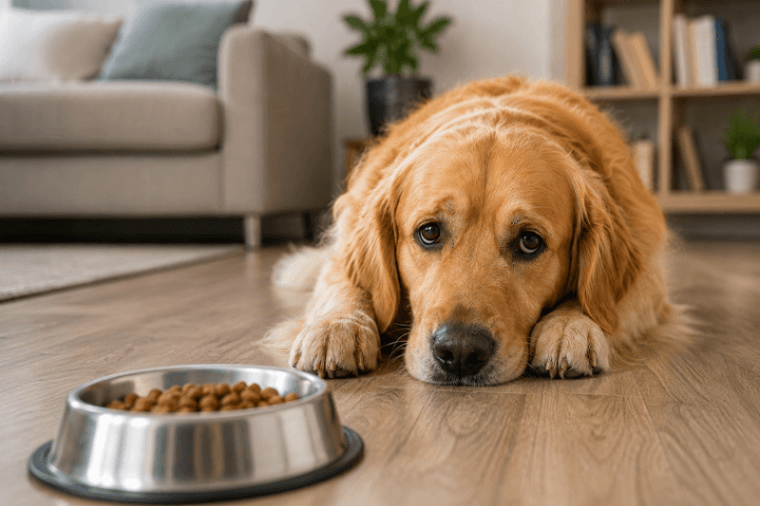
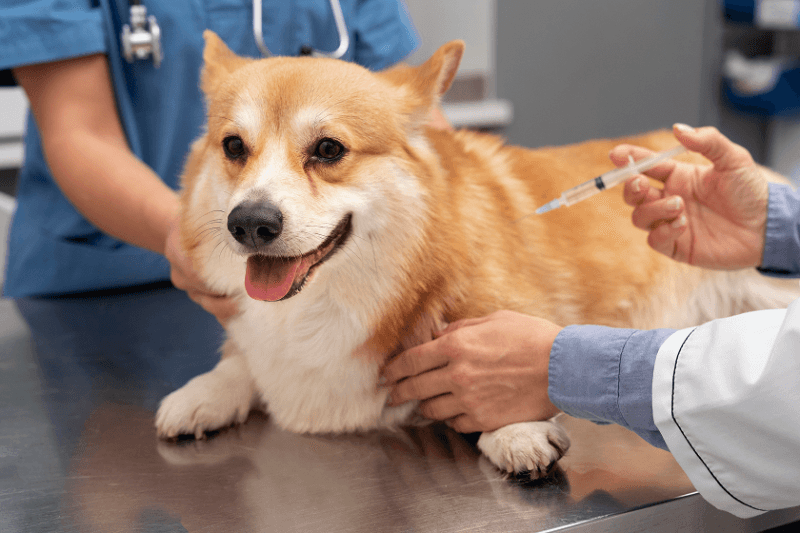
Vaccinations protect dogs against serious diseases such as rabies, parvovirus, distemper, kennel cough, and leptospirosis. Mild reactions like sleepiness, reduced appetite, or soreness at the injection site are usually temporary and occur because the immune system is responding to the vaccine. This guide explains what is considered normal after common dog vaccines, how to care for your dog at home, and when you should contact your veterinarian.
General Aftercare for Any Dog Vaccination
- Allow your dog to rest for 24–48 hours.
- Keep fresh drinking water available at all times.
- Offer normal meals unless your veterinarian recommends otherwise.
- Monitor the injection site for swelling or redness.
- Avoid strenuous exercise if your dog appears tired.
- Never give human medicines unless prescribed by your veterinarian.
Rabies Vaccine
What it protects against
Rabies is a fatal viral disease that affects both animals and humans. Vaccination is one of the most important preventive measures for every dog.
Common side effects
- Sleepiness
- Mild fever
- Reduced appetite
- Small lump or soreness at the injection site
Aftercare
- Allow your dog to rest.
- Provide fresh drinking water.
- Monitor the injection site for the next few days.
Avoid
- Heavy exercise if your dog seems tired.
- Giving human painkillers.
- Ignoring symptoms that worsen.
Contact your veterinarian immediately if
- Difficulty breathing
- Facial swelling
- Repeated vomiting
- Collapse
DHPP / DHPPI Vaccine
What it protects against
Protects against Distemper, Hepatitis, Parvovirus and Parainfluenza.
Common side effects
- Mild lethargy
- Soreness at the injection site
- Reduced appetite
Aftercare
- Allow plenty of rest.
- Keep your dog hydrated.
- Observe for 48 hours.
Avoid
- Dog parks until your veterinarian advises immunity has developed.
- Strenuous play.
Contact your veterinarian if
- Persistent vomiting
- Severe diarrhea
- Extreme weakness
Bordetella (Kennel Cough) Vaccine
What it protects against
Helps reduce the risk of kennel cough.
Common side effects
- Mild sneezing
- Occasional coughing
- Runny nose after intranasal vaccination
Aftercare
- Offer fresh water. If your veterinarian recommends it, room-temperature water may be more comfortable if your dog has mild throat irritation.
- Monitor coughing and appetite.
Avoid
- Smoke and dusty environments if coughing is present.
- Heavy exercise while your dog is uncomfortable.
Contact your veterinarian if
- Coughing becomes severe
- Difficulty breathing
- Loss of appetite lasts more than 24 hours
Leptospirosis Vaccine
What it protects against
Protects against leptospirosis, a bacterial disease that can affect both dogs and humans.
Common side effects
- Temporary tiredness
- Mild soreness
- Reduced appetite
Aftercare
- Encourage hydration.
- Allow quiet rest.
Avoid
- Heavy exercise if your dog appears uncomfortable.
Contact your veterinarian if
- Facial swelling
- Difficulty breathing
- Continuous vomiting
Emergency Warning Signs
- Difficulty breathing
- Facial swelling
- Collapse
- Repeated vomiting
- Bloody diarrhea
- Seizures
- Pale gums
- Extreme lethargy
Final Thoughts
Vaccinations are one of the safest and most effective ways to protect your dog from serious and potentially life-threatening diseases. While it is completely normal for some dogs to experience mild side effects such as sleepiness, reduced appetite, or slight soreness after vaccination, these reactions usually improve within 24 to 48 hours without any treatment. The most important part of post-vaccination care is close observation. Give your dog plenty of rest, ensure they stay hydrated, avoid strenuous activities if they seem tired, and monitor for any changes in their behavior or health. Knowing the difference between expected reactions and emergency warning signs allows you to respond quickly if something doesn't seem right.
If your dog's symptoms become severe, last longer than expected, or you notice signs such as difficulty breathing, facial swelling, repeated vomiting, collapse, or seizures, contact your veterinarian immediately. Early veterinary care can prevent complications and help your dog recover safely. Keeping up with your dog's vaccination schedule and following the aftercare instructions provided by your veterinarian are essential steps in maintaining their long-term health. With the right care and attention, your dog can recover comfortably after vaccination and continue enjoying a happy, healthy, and active life.
Frequently Asked Questions
Is it normal for my dog to sleep more after vaccination?
Yes. Mild sleepiness or lethargy for 24–48 hours is one of the most common reactions after vaccination as your dog's immune system responds to the vaccine. If the lethargy is severe or lasts longer than two days, contact your veterinarian.
Why is my dog not eating after vaccination?
A temporary loss of appetite can occur after vaccination and usually improves within a day. Ensure your dog has access to fresh water and offer their regular food. If your dog refuses food for more than 24 hours or develops vomiting or diarrhea, consult your veterinarian.
Can I take my dog for a walk after vaccination?
Short walks for bathroom breaks are generally fine if your dog feels well. Avoid strenuous exercise, long walks, or intense play for 24–48 hours, especially if your dog appears tired or sore.
Is a lump at the injection site normal after vaccination?
A small lump or mild swelling at the injection site is a common reaction and often resolves on its own within a few weeks. Contact your veterinarian if the lump becomes larger, painful, or does not improve.
Can I bathe my dog after vaccination?
If your dog seems tired or uncomfortable after vaccination, many veterinarians recommend waiting before bathing. Follow the aftercare instructions provided by your veterinarian, as recommendations may vary depending on your dog's condition.
What side effects can occur after the kennel cough (Bordetella) vaccine?
Dogs receiving the intranasal Bordetella vaccine may experience mild sneezing, coughing, or a runny nose for a short period. These symptoms are usually temporary. If coughing becomes severe, persistent, or is accompanied by breathing difficulty, seek veterinary care.
What symptoms after vaccination require immediate veterinary attention?
Seek emergency veterinary care if your dog develops difficulty breathing, facial swelling, repeated vomiting, bloody diarrhea, collapse, seizures, pale gums, or extreme weakness after vaccination.
Can vaccines make my dog sick?
Most vaccines only cause mild and temporary side effects such as tiredness, reduced appetite, or soreness. Serious allergic reactions are rare but require immediate veterinary attention if they occur.
How long do vaccine side effects last in dogs?
Most mild side effects resolve within 24 to 48 hours. Small injection-site lumps may take several weeks to disappear. If symptoms worsen or persist longer than expected, consult your veterinarian.
How can I help my dog recover after vaccination?
Provide a quiet place to rest, ensure your dog stays hydrated, offer regular meals, avoid strenuous exercise if your dog seems tired, and monitor for any unusual symptoms during the first 24–48 hours after vaccination.

Zifurs Editorial Team
The Zifurs Editorial Team is a group of passionate pet lovers, researchers, and writers dedicated to creating reliable and engaging content for pet parents. With a strong focus on animal care, health, and lifestyle, the team ensures that every article is well-researched, easy to understand, and practical for everyday use.
Related Blogs
Why Does My Dog Have Red Eyes? Causes, Symptoms & When to See a Vet