
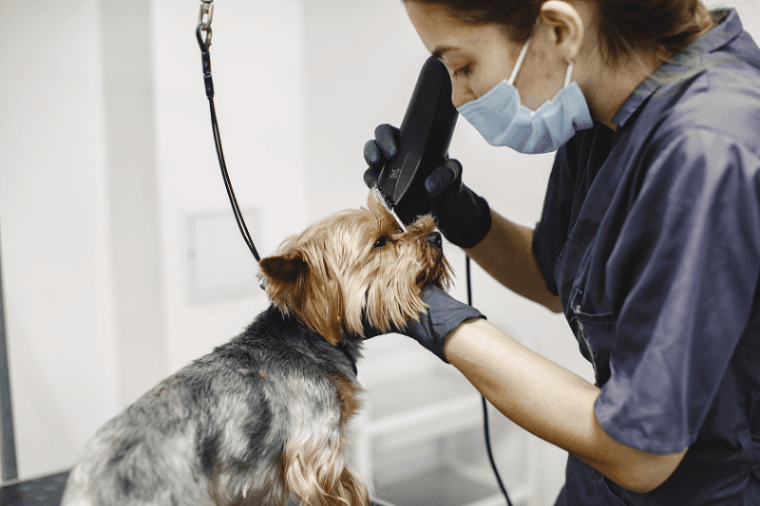
Best Dog Grooming Tips for Every Coat Type: The Complete Guide
A shiny coat isn't just about making your dog look adorable—it reflects their overall health. Regular grooming helps prevent skin infections, removes dirt and loose hair, reduces shedding, and gives you the opportunity to spot health issues early.
However, not all dogs have the same grooming needs. A Labrador's short coat requires a different routine than a Shih Tzu's flowing hair or a Poodle's curly coat. Using the wrong grooming techniques can lead to matting, excessive shedding, skin irritation, or discomfort.
In this guide, we'll explain the best grooming practices for every major dog coat type, along with expert tips to keep your furry friend comfortable and healthy.
Why Dog Grooming Is Important
Regular grooming provides much more than cosmetic benefits.
- Removes loose hair and reduces shedding.
- Prevents painful mats and tangles.
- Improves skin health.
- Helps detect fleas, ticks, and skin infections early.
- Reduces unpleasant odors.
- Keeps nails, ears, and teeth healthy.
- Improves blood circulation.
- Strengthens the bond between you and your dog.
Dogs that are groomed consistently are generally happier, cleaner, and healthier.
Understanding Different Dog Coat Types
Most dog breeds fall into one of these coat categories:
- Short Coat
- Medium Coat
- Long Coat
- Double Coat
- Curly Coat
- Wire Coat
- Hairless Breeds
Each coat requires a different grooming schedule.
1. Short Coat Dogs
Examples: Labrador Retriever, Beagle, Doberman, Boxer, Pug.
Although short-haired dogs require less maintenance, they still shed throughout the year.
Grooming Tips
- Brush 1–2 times every week using a rubber grooming mitt or soft-bristle brush.
- Bathe every 4–8 weeks using a dog-friendly shampoo.
- Wipe paws after outdoor walks.
- Clean ears weekly.
- Trim nails every 3–4 weeks.
Common Mistakes
- Over-bathing.
- Using human shampoo.
- Ignoring seasonal shedding.
2. Medium Coat Dogs
Examples: Border Collie, Cocker Spaniel, Australian Shepherd.
Medium-coated dogs need regular brushing to prevent tangles and keep their coat healthy.
- Brush 3–4 times per week.
- Use a slicker brush followed by a comb.
- Remove loose undercoat during shedding seasons.
- Check behind the ears and under the legs for knots.
Bath Frequency: Every 4–6 weeks.
3. Long Coat Dogs
Examples: Shih Tzu, Lhasa Apso, Yorkshire Terrier, Afghan Hound.
Long coats easily develop mats and require daily attention.
- Brush every day.
- Use a pin brush and steel comb.
- Detangle before bathing.
- Trim sanitary areas regularly.
- Schedule professional grooming every 4–6 weeks.
Important: Mats pull on the skin and may hide infections or parasites.
4. Double Coat Dogs
Examples: Golden Retriever, German Shepherd, Siberian Husky, Akita, Pomeranian.
These dogs have a soft insulating undercoat and a protective outer coat.
- Brush at least three times a week.
- Brush daily during shedding season.
- Use an undercoat rake.
- Never shave a double-coated dog unless recommended by a veterinarian.
Shaving removes the coat's natural insulation and can increase the risk of overheating and sunburn.
5. Curly Coat Dogs
Examples: Poodle, Labradoodle, Bichon Frise.
Curly coats trap loose hair instead of shedding it, making them prone to matting.
- Brush daily.
- Use a slicker brush followed by a comb.
- Schedule professional grooming every 4–8 weeks.
- Keep the coat trimmed for easier maintenance.
6. Wire Coat Dogs
Examples: Schnauzer, Wire Fox Terrier, Scottish Terrier.
- Brush 2–3 times weekly.
- Hand stripping may be required for show-quality coats.
- Regular clipping is suitable for pet dogs.
- Trim facial hair carefully.
7. Hairless Dogs
Examples: Chinese Crested, Xoloitzcuintli.
Hairless breeds don't require brushing, but their skin needs regular care.
- Bathe every 2–3 weeks.
- Use a veterinarian-approved moisturizer if needed.
- Apply pet-safe sunscreen before outdoor activities.
- Clean skin folds regularly.
Essential Grooming Tools
- Slicker brush
- Pin brush
- Steel comb
- Rubber grooming mitt
- Undercoat rake
- Nail clipper
- Nail grinder
- Dog shampoo
- Conditioner
- Ear cleaning solution
- Dog toothbrush
- Towels
- Pet dryer (optional)
How Often Should You Bathe Your Dog?
Coat TypeRecommended Bath FrequencyShort CoatEvery 4–8 weeksMedium CoatEvery 4–6 weeksLong CoatEvery 3–4 weeksCurly CoatEvery 3–6 weeksDouble CoatEvery 6–8 weeksHairlessEvery 2–3 weeks Avoid bathing your dog too frequently, as excessive bathing can strip natural oils and dry out the skin.
Nail Care
Long nails can affect posture and walking.
- Trim nails every 3–4 weeks.
- Indoor dogs may require more frequent trimming.
- If you hear nails clicking on the floor, it's time for a trim.
Ear Cleaning Tips
Check your dog's ears every week for:
- Bad odor
- Excessive wax
- Redness
- Swelling
- Frequent head shaking
Always use a veterinarian-approved ear cleaner and never insert cotton buds deep into the ear canal.
Dental Grooming Matters Too
Brush your dog's teeth at least three to four times each week, or ideally every day.
Good dental hygiene helps prevent:
- Bad breath
- Gum disease
- Tooth loss
- Health complications linked to oral infections
Signs Your Dog Needs Professional Grooming
- Severe matting
- Heavy undercoat buildup
- Dirty or greasy coat
- Long nails
- Persistent bad odor
- Excessive shedding
- Eye discharge staining facial hair
Professional groomers have specialized equipment to safely remove mats, trim coats, and maintain breed-specific styles.
Common Grooming Mistakes
- Using human shampoo.
- Shaving double-coated breeds unnecessarily.
- Ignoring mats.
- Bathing too often.
- Skipping nail trims.
- Not drying the coat completely after bathing.
- Pulling on knots instead of detangling them gently.
Seasonal Grooming Tips
Summer
- Brush more frequently.
- Keep your dog hydrated.
- Avoid shaving double-coated breeds.
- Check paws after walking on hot surfaces.
Monsoon
- Dry paws thoroughly after walks.
- Watch for fungal infections.
- Increase brushing if the coat gets wet frequently.
Winter
- Bathe less frequently unless necessary.
- Use moisturizer if recommended by your veterinarian.
- Dry the coat completely after bathing.
Final Thoughts
Every dog has unique grooming requirements based on their coat type, breed, lifestyle, and health. Establishing a consistent grooming routine keeps your pet comfortable, reduces the risk of skin problems, and helps maintain a healthy, shiny coat.
If you're unsure about the right grooming schedule or your dog has heavy matting, sensitive skin, or excessive shedding, consult a professional groomer or veterinarian. Regular grooming is an essential part of your dog's overall health and well-being.
Frequently Asked Questions
How often should I groom my dog?
The ideal grooming frequency depends on your dog's coat type. Short-coated dogs usually need brushing once or twice a week, while long-haired and curly-coated breeds often require daily brushing to prevent tangles and matting.
Can I use human shampoo on my dog?
No. Human shampoos have a different pH balance than dog shampoos and can irritate your dog's skin. Always use a shampoo specifically formulated for dogs.
Should double-coated dogs be shaved during summer?
Generally, no. A double coat helps regulate your dog's body temperature and protects the skin from sunburn. Shaving should only be done if recommended by a veterinarian for medical reasons.
What grooming tools should every dog owner have?
Basic grooming essentials include a brush suitable for your dog's coat type, a steel comb, dog shampoo, nail clippers, ear-cleaning solution, a toothbrush, and towels. Double-coated breeds also benefit from an undercoat rake.
How often should I bathe my dog?
Most dogs only need a bath every 4 to 8 weeks, depending on their coat type and activity level. Bathing too frequently can strip natural oils and lead to dry skin.
How do I know if my dog has matted fur?
Matted fur feels like tight knots close to the skin and may pull when touched. Mats can trap moisture, dirt, and parasites, making them uncomfortable and increasing the risk of skin infections.
How often should I trim my dog's nails?
Most dogs need their nails trimmed every 3 to 4 weeks. If you hear your dog's nails clicking on the floor while walking, it's usually time for a trim.
Why is regular brushing important for dogs?
Regular brushing removes loose hair, distributes natural oils, prevents mats and tangles, reduces shedding, improves skin health, and allows you to spot fleas, ticks, or skin issues early.
Can I groom my dog at home instead of visiting a professional groomer?
Yes, routine brushing, bathing, nail trimming, and ear cleaning can often be done at home. However, dogs with severe matting, thick double coats, or breed-specific grooming needs should visit a professional groomer regularly.
When should I take my dog to a professional groomer?
You should consider professional grooming if your dog has severe matting, excessive shedding, long nails, heavy undercoat buildup, persistent odor, or requires breed-specific trimming. Many long-haired and curly-coated breeds benefit from professional grooming every 4 to 8 weeks.

Zifurs Editorial Team
The Zifurs Editorial Team is a group of passionate pet lovers, researchers, and writers dedicated to creating reliable and engaging content for pet parents. With a strong focus on animal care, health, and lifestyle, the team ensures that every article is well-researched, easy to understand, and practical for everyday use.
Related Blogs
Ticks & Fleas in Dogs: Monsoon Prevention Guide
Most Common Diseases in Dogs in India: Symptoms, Prevention & Treatment Guide