Why Do Puppies Bite? Causes, Training Tips & When to Worry (Complete Guide)
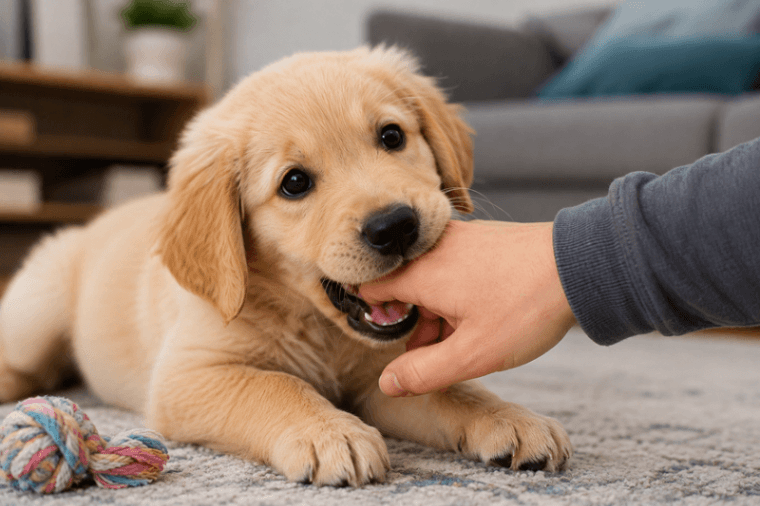
If you've recently brought home a puppy, you've probably experienced those tiny, sharp teeth on your hands, feet, clothes, or furniture. While puppy bites can be painful, the good news is that biting is a completely normal part of puppy development.
The key is to teach your puppy what is appropriate to bite and how gently to play. With patience and consistent training, most puppies naturally outgrow excessive biting.
In this guide, we'll explain why puppies bite, how to stop unwanted biting, mistakes to avoid, and when it's time to consult a veterinarian.
Why Do Puppies Bite?
Puppies don't bite because they're "bad" or aggressive. They bite for several natural reasons.
1. Teething
Between 3 and 6 months of age, puppies begin losing their baby teeth and growing adult teeth.
Just like human babies, this can make their gums sore and itchy. Chewing helps relieve discomfort.
Signs include:
- Constant chewing
- Biting toys, shoes, furniture
- Drooling
- Mild gum irritation
2. Exploring the World
Puppies explore using their mouths.
Instead of using hands like humans, they investigate objects by:
- Biting
- Licking
- Chewing
- Carrying things around
This curiosity is completely normal.
3. Playing
Puppies naturally bite each other while playing.
When playing with people, they often don't understand that human skin is much more sensitive than another puppy's fur.
This is called play biting and is one of the most common reasons owners experience nipping.
4. Attention Seeking
Some puppies quickly learn that biting gets a reaction.
Even saying "No!" loudly or pushing them away may unintentionally reward the behavior because they're getting attention.
5. Overexcitement
Many puppies become "mouthy" when they're overly excited.
You may notice increased biting:
- During zoomies
- Before meals
- After visitors arrive
- During rough play
6. Overtired Puppies
Surprisingly, puppies often bite more when they're tired.
Like toddlers, an exhausted puppy can become hyperactive and lose self-control.
If your puppy suddenly becomes very bitey in the evening, they may simply need a nap.
Is Puppy Biting Normal?
Yes.
Healthy puppies commonly bite until they are around 5–7 months old.
Most puppies gradually improve with:
- Training
- Socialization
- Consistent routines
- Plenty of appropriate chew toys
How to Stop Puppy Biting
1. Redirect to a Toy
Whenever your puppy bites your hands or clothes:
- Stay calm.
- Immediately offer a chew toy.
- Praise them when they choose the toy.
This teaches what is appropriate to chew.
2. Stop the Game
If biting becomes painful:
- Say "Ouch!" calmly.
- Stand up.
- Stop interacting for 20–30 seconds.
Your puppy learns that biting makes playtime end.
3. Reward Gentle Behavior
Instead of focusing only on bad behavior, reward your puppy whenever they:
- Sit calmly
- Lick instead of bite
- Play gently
- Choose toys independently
Positive reinforcement works much better than punishment.
4. Give Plenty of Exercise
A bored puppy often becomes a bitey puppy.
Daily activities help reduce excess energy:
- Walks (age-appropriate)
- Puzzle feeders
- Training sessions
- Sniffing games
- Fetch
- Tug with rules
5. Teach Basic Commands
Commands like:
- Sit
- Leave it
- Drop it
- Stay
help improve impulse control over time.
6. Provide Safe Chew Toys
Good chew options include:
- Rubber chew toys
- Puppy-safe teething rings
- Frozen carrots (occasionally)
- Frozen wet cloth (under supervision)
- Vet-approved dental chews
Avoid giving old shoes or socks, as puppies may not understand the difference between old and new items.
What NOT to Do
- ❌ Hitting your puppy
- ❌ Yelling loudly
- ❌ Holding their mouth shut
- ❌ Alpha-roll techniques
- ❌ Physical punishment
These methods can increase fear, anxiety, and even aggressive behavior.
Puppy Biting vs Aggression
Normal puppy biting usually includes:
- Relaxed body language
- Play bows
- Wagging tail
- Easily distracted
- Stops after training breaks
Warning signs include:
- Growling with stiff posture
- Lunging repeatedly
- Guarding food or toys
- Snapping without warning
- Biting to injure rather than play
If these behaviors occur, consult a veterinarian or a qualified dog behavior professional.
When Should You See a Veterinarian?
Schedule a veterinary visit if your puppy:
- Suddenly becomes unusually aggressive
- Shows pain while chewing
- Refuses food
- Has bleeding gums
- Breaks a tooth
- Has swollen gums or bad breath
- Continues biting despite consistent training and shows other concerning behavior
A vet can rule out dental pain, injuries, or medical conditions that may contribute to the behavior.
Final Thoughts
Puppy biting is a normal stage of growing up, but it doesn't have to become a lifelong habit. By understanding why your puppy bites and responding with calm, consistent training, you can teach gentle play while strengthening your bond.
Remember, every puppy learns at their own pace. If biting seems excessive, causes injuries, or is accompanied by unusual behavior, don't hesitate to seek professional advice from a veterinarian or certified dog trainer.
If you're concerned about your puppy's behavior or want expert guidance, book a consultation with a trusted veterinarian through Zifurs and get personalized advice for your puppy's health and development.
Frequently Asked Questions
At what age do puppies stop biting?
Most puppies improve significantly between 5 and 7 months of age. Some energetic breeds may remain mouthy for a little longer, but consistent training and socialization help reduce biting over time.
Is puppy biting a sign of aggression?
No. In most cases, puppy biting is a normal part of teething, play, and exploring the world. Aggressive behavior is usually accompanied by warning signs such as stiff body posture, repeated growling, or biting with the intent to injure.
Why does my puppy bite me more than other people?
Your puppy may feel more comfortable around you, spend more time playing with you, or have learned that biting gets your attention.
Should I let my puppy bite my hands?
No. Redirect your puppy to appropriate chew toys instead of allowing them to bite your hands. This teaches healthy chewing habits.
Can teething toys help reduce puppy biting?
Yes. Puppy-safe teething toys help soothe sore gums during teething while reducing the urge to bite hands, shoes, and furniture.
How can I stop my puppy from biting during play?
Pause play immediately, redirect your puppy to a toy, and reward gentle play. Consistency helps puppies learn bite inhibition.
When should I take my puppy to a veterinarian for biting?
Visit your veterinarian if your puppy suddenly becomes aggressive, refuses food, has painful or swollen gums, breaks a tooth, or shows other concerning symptoms.
Why does my puppy bite my feet and ankles?
Puppies often chase and bite moving feet because they see them as exciting moving targets. Redirecting their attention to toys and teaching commands like 'Leave it' can help.
Do all puppies go through a biting phase?
Yes. Nearly all puppies experience a biting or nipping phase while teething and learning how to interact with people and other animals.
Is it normal for puppies to bite while teething?
Yes. Teething causes sore gums, and chewing helps relieve discomfort. Providing safe chew toys can make this stage easier.
Can a tired puppy bite more often?
Yes. Overtired puppies often become overstimulated and lose self-control, making them more likely to nip or bite during play.
What are the best toys for puppies that bite a lot?
Durable rubber chew toys, puppy teething rings, rope toys, and veterinarian-approved dental chews are excellent choices for redirecting biting behavior.
Should I punish my puppy for biting?
No. Physical punishment or yelling can increase fear and anxiety. Positive reinforcement and redirection are much more effective training methods.
How long does the puppy teething phase last?
Most puppies begin teething around 3 months of age and finish by approximately 6 to 7 months, although timing can vary slightly between breeds.
Can socialization reduce puppy biting?
Yes. Proper socialization helps puppies learn appropriate play behavior and bite inhibition from people and other dogs.
Why does my puppy bite when excited?
Excitement can make puppies lose impulse control, causing playful nipping. Teaching calm behaviors and taking short breaks during play can reduce this.
When does puppy biting become a concern?
Puppy biting becomes concerning if it is accompanied by stiff body language, repeated growling, resource guarding, unexplained aggression, or bites that are intended to injure.
Can training completely stop puppy biting?
Yes. With patience, consistent training, proper exercise, and positive reinforcement, most puppies learn to stop inappropriate biting as they mature.

Zifurs Editorial Team
The Zifurs Editorial Team is a group of passionate pet lovers, researchers, and writers dedicated to creating reliable and engaging content for pet parents. With a strong focus on animal care, health, and lifestyle, the team ensures that every article is well-researched, easy to understand, and practical for everyday use.
Related Blogs
Why Does My Dog Keep Licking Its Paws? Common Causes, Treatment & When to See a Vet