How to Potty Train a Dog: Easy Step-by-Step Guide
Potty training your dog is one of the first and most important parts of helping them adjust to your home. Whether you have a young puppy or an adult dog that needs to learn new habits, consistent training can make toilet routines much easier for both you and your pet.
The good news is that most dogs can be potty trained with the right routine, patience, and positive reinforcement. In this guide, we’ll explain how to potty train your dog, how often you should take them outside, what to do when accidents happen, and how to build good bathroom habits that last.
How Long Does It Take to Potty Train a Dog?
The time required for potty training varies from dog to dog. Puppies may take several weeks or even a few months to become consistently reliable, while adult dogs that are new to a home may learn faster.
Your dog's age, previous training, daily routine, health, and consistency can all affect the process.
The most important thing is to focus on consistent habits rather than expecting your dog to learn overnight.
How to Potty Train Your Dog Step by Step
1. Choose a Potty Spot
Start by deciding where you want your dog to go to the toilet. If you have access to a safe outdoor area, choose one specific spot and take your dog there regularly.
Using the same location helps your dog associate that area with going to the bathroom.
If outdoor access isn't practical, you can train your dog to use puppy pads or an indoor toilet area. However, make sure the designated area remains consistent.
2. Create a Consistent Potty Schedule
A predictable routine is one of the most effective parts of dog potty training.
Take your dog to their potty spot:
- First thing in the morning
- After eating or drinking
- After waking up from a nap
- After playing or exercising
- Before bedtime
- Whenever you notice signs that they need to go
Young puppies generally need more frequent bathroom breaks because they have smaller bladders and are still learning to control them.
3. Watch for Signs Your Dog Needs to Go
Learning your dog's signals can help you prevent accidents.
Common signs include:
- Sniffing the floor
- Walking around restlessly
- Circling
- Whining or barking
- Going toward the door
- Suddenly stopping play
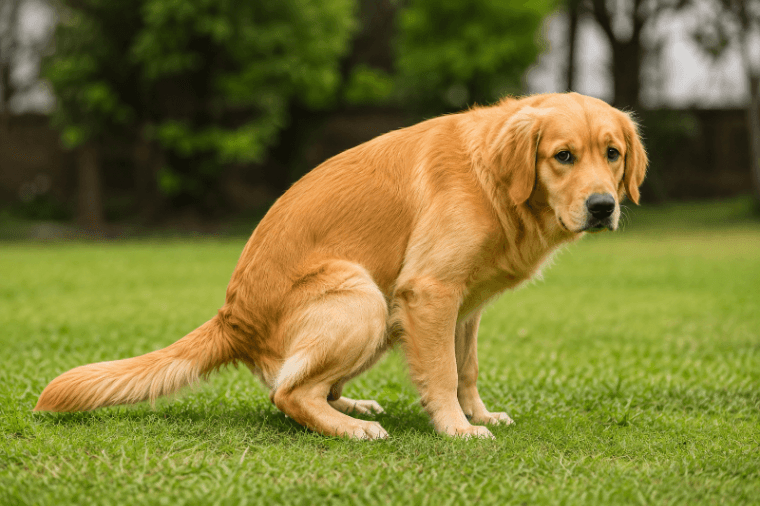
- Squatting
When you notice these behaviors, take your dog to their designated potty area immediately.
4. Use a Consistent Command
Choose a simple verbal cue such as “Go potty” or “Toilet.”
Say the command calmly when your dog reaches the designated area. Over time, your dog can learn to associate the phrase with going to the bathroom.
Keep the command consistent. Changing the words frequently can make the process more confusing.
5. Reward Your Dog Immediately
Positive reinforcement is an important part of successful potty training.
When your dog finishes going in the correct place, praise them immediately. You can also give them a small treat or their favorite reward.
The reward should happen right after they finish, so they can understand which behavior earned the reward.
For example:
Dog goes potty in the correct spot → immediate praise → treat or affection.
With repetition, your dog begins to understand that using the correct potty area leads to a positive outcome.
6. Supervise Your Dog Indoors
When you're potty training a puppy, avoid giving them complete freedom throughout the house.
Keep them in the same room as you or use a safe, puppy-proofed area where you can easily supervise them.
If you cannot supervise your dog, a properly introduced crate or confined area can help prevent them from wandering off and having an accident.
Remember that a crate should never be used as punishment.
7. Handle Accidents Calmly
Accidents are a normal part of potty training, especially with young puppies.
If you catch your dog in the middle of an accident, calmly interrupt them and take them to the appropriate potty area. If they finish there, praise them.
Never yell at your dog, hit them, or rub their nose in the mess.
Punishment can make dogs fearful and may cause them to hide when they need to go instead of learning where they should go.
8. Clean Accidents Thoroughly
Dogs can detect smells that humans may not notice. If an accident isn't cleaned properly, the remaining odor can encourage your dog to use the same spot again.
Use a pet-safe enzymatic cleaner designed to break down urine and other organic odors.
Thorough cleaning is especially important for carpets, rugs, sofas, and other absorbent surfaces.
How to Potty Train a Puppy
Puppies need extra patience because they are still developing bladder control.
A simple puppy potty-training routine can look like this:
Wake up → potty break → breakfast → potty break → play → potty break → nap → potty break → repeat.
Take your puppy out frequently rather than waiting for them to ask.
As your puppy becomes more reliable, you can gradually increase the time between bathroom breaks.
Remember that accidents don't necessarily mean your puppy is being stubborn. They are still learning what is expected of them.
Can You Potty Train an Adult Dog?
Yes. Adult dogs can also be potty trained.
If an adult dog has recently been adopted, moved to a new home, or never received proper house training, start with the same basic principles:
- Establish a regular schedule.
- Take the dog to the same potty area.
- Supervise them indoors.
- Reward successful potty trips.
- Clean accidents thoroughly.
- Avoid punishment.
An adult dog may already have some habits, so consistency is especially important while introducing a new routine.
Common Potty Training Mistakes to Avoid
Giving Too Much Freedom Too Soon
If your dog is still having accidents, allowing them to roam freely around the house can make training harder.
Gradually increase their access to different areas as they become more reliable.
Inconsistent Schedules
Taking your dog outside at completely different times every day can make it harder for them to develop a predictable routine.
Try to keep feeding, walking, and potty breaks relatively consistent.
Punishing Accidents
Punishment doesn't teach your dog where they should go. It can instead create fear and confusion.
Focus on rewarding the behavior you want to see.
Not Cleaning Accidents Properly
Residual odors can encourage repeat accidents in the same location. Use an appropriate pet-safe cleaner and clean the affected area thoroughly.
Expecting Results Too Quickly
Every dog learns at a different pace. Puppies especially need time to develop bladder control and understand the routine.
Consistency matters more than speed.
When Should You Contact a Vet?
If your dog suddenly starts having frequent accidents after being reliably potty trained, don't automatically assume it's a behavioral problem.
Changes in bathroom habits can sometimes be associated with health issues such as urinary problems, digestive issues, or other medical conditions.
Contact your veterinarian if you notice symptoms such as:
- Frequent urination
- Difficulty or discomfort while urinating
- Blood in the urine
- Excessive thirst
- Diarrhea or persistent digestive problems
- Sudden loss of previously established toilet habits
- Straining without being able to urinate
A veterinarian can help determine whether there is an underlying medical reason for the change.
Final Thoughts
Learning how to potty train your dog doesn't have to be stressful. A consistent routine, proper supervision, positive reinforcement, and patience can help your dog understand where and when they should go.
Remember that accidents are part of the learning process. Instead of focusing on mistakes, reward your dog every time they get it right. With time and consistency, good potty habits can become a natural part of your dog's daily routine.
Looking for professional pet care or veterinary support? Regular health checkups can help keep your dog happy, healthy, and comfortable throughout every stage of life.
Frequently Asked Questions
How long does it take to potty train a dog?
Potty training can take several weeks to a few months, depending on your dog's age, previous training, routine, and consistency. Puppies often need more time because they are still developing bladder control.
What is the fastest way to potty train a dog?
The most effective way to potty train a dog is to follow a consistent bathroom schedule, supervise your dog closely, take them to the same potty spot, and immediately reward them for going in the correct place.
How often should I take my puppy out to pee?
Young puppies need frequent potty breaks, especially after waking up, eating, drinking, playing, exercising, and before bedtime. The exact frequency depends on the puppy's age, size, health, and individual needs.
How do I stop my dog from peeing in the house?
Create a regular potty schedule, supervise your dog indoors, take them to their designated potty area frequently, and reward them immediately when they use it correctly. Clean previous accidents thoroughly to remove lingering odors.
Should I punish my dog for having a potty accident?
No. Punishing your dog can cause fear and confusion and may make potty training more difficult. Instead, calmly interrupt an accident if you catch it happening, take your dog to the correct potty area, and reward appropriate behavior.
Can you potty train an adult dog?
Yes, adult dogs can be potty trained. Use a consistent schedule, regular trips to the same potty area, indoor supervision, and positive reinforcement. Adult dogs may take some time to adjust if they already have established habits.
How do I teach my dog to tell me when they need to go outside?
Watch for signs such as sniffing, circling, restlessness, whining, or going toward the door. Take your dog outside when you notice these behaviors and reward them for using the correct potty area. Over time, they may learn to signal when they need to go.
Why is my potty-trained dog suddenly having accidents?
Sudden accidents in a previously potty-trained dog can sometimes be related to changes in routine, stress, or an underlying health problem. If the behavior continues or is accompanied by other symptoms, consult a veterinarian.
What should I do when my puppy has an accident indoors?
Stay calm and avoid punishment. If you catch your puppy during an accident, gently interrupt them and take them to the designated potty area. Clean the accident thoroughly with a pet-safe enzymatic cleaner to help prevent repeat accidents.
Can puppy pads be used for potty training?
Yes, puppy pads can be useful when outdoor potty breaks are not practical, particularly for young puppies. Keep the pad in a consistent location and gradually transition your puppy to the preferred outdoor potty area if that is your long-term goal.

Zifurs Editorial Team
The Zifurs Editorial Team is a group of passionate pet lovers, researchers, and writers dedicated to creating reliable and engaging content for pet parents. With a strong focus on animal care, health, and lifestyle, the team ensures that every article is well-researched, easy to understand, and practical for everyday use.