
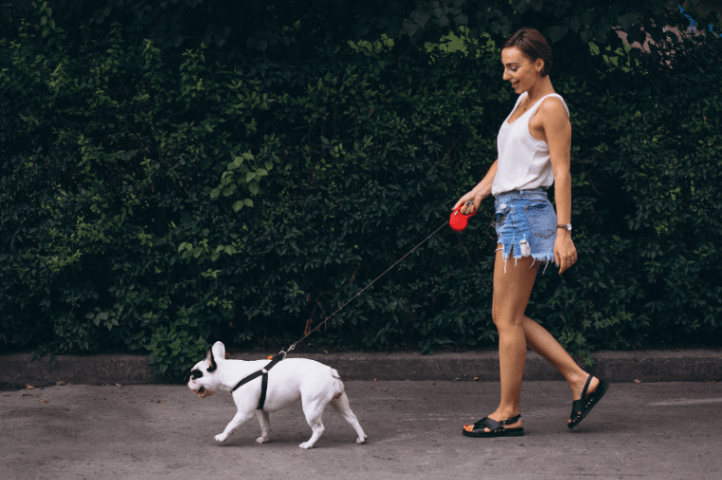
The Complete Guide to Dog Leash Walking: Train Your Dog to Walk Calmly Without Pulling
Walking your dog should be an enjoyable experience—not a constant battle with a pulling leash. Whether you have an energetic puppy or an adult dog that gets excited outdoors, proper leash training helps make walks safer, more comfortable, and more enjoyable for both of you.
In this guide, we'll explain why leash training matters, how to teach your dog to walk politely on a leash, common mistakes to avoid, and when it's time to seek professional help.
Why Leash Walking Is Important
Leash walking isn't just about following the law—it's an essential part of responsible pet ownership. A well-trained dog is less likely to run into traffic, chase other animals, or frighten people during walks.
Benefits of good leash walking include:
- Better safety for your dog and others
- Reduced pulling and strain on your arms and shoulders
- More enjoyable daily walks
- Improved obedience and focus
- Better physical and mental exercise
- Stronger bond between you and your dog
When Should You Start Leash Training?
The best time to introduce a leash is between 8 and 12 weeks of age, once your puppy is comfortable wearing a collar or harness.
However, it's never too late. Adult dogs can also learn proper leash manners with patience and consistent training.
Choosing the Right Equipment
Collar or Harness?
A well-fitted harness is generally recommended, especially for puppies and dogs that pull frequently. It distributes pressure across the chest instead of the neck and reduces the risk of injury.
Flat collars are suitable for dogs that already walk calmly but should not be used for harsh corrections.
Leash Length
Choose a standard leash measuring 4–6 feet (1.2–1.8 metres).
Avoid retractable leashes during training because they encourage pulling and make it difficult to teach consistent leash manners.
Treats
Use small, soft, high-value treats that your dog loves. Reward-based training works much better than punishment.
Step-by-Step Dog Leash Training
Step 1: Let Your Dog Get Comfortable
Allow your dog to wear the collar or harness around the house for short periods before attaching a leash.
Reward calm behaviour.
Step 2: Introduce the Leash Indoors
Attach the leash and let your dog walk around inside while supervised.
Practice short sessions where your dog follows you around the room.
Reward every time they stay close.
Step 3: Teach Your Dog to Focus on You
Call your dog's name.
When they look at you, immediately reward them.
This simple exercise helps your dog pay attention even when distractions appear outside.
Step 4: Start Walking
Begin walking slowly.
Whenever your dog walks beside you with a loose leash, praise them and offer a treat.
Reward frequently during the first few training sessions.
Step 5: Stop When Your Dog Pulls
One of the biggest mistakes owners make is continuing to walk while the dog pulls.
Instead:
- Stop walking immediately.
- Wait until the leash becomes loose.
- Call your dog back toward you.
- Reward them.
- Continue walking.
Your dog learns that pulling never gets them where they want to go.
Step 6: Practice in Different Environments
Once your dog walks well indoors, gradually move to:
- Quiet streets
- Parks during less crowded hours
- Busier neighbourhoods
- Pet-friendly public places
Increase distractions slowly.
How Long Does Leash Training Take?
Every dog learns differently.
Approximate timelines:
- Puppies: 2–6 weeks
- Adult dogs: 4–8 weeks
- Rescue dogs: May take longer depending on previous experiences
Consistency is more important than long training sessions.
Aim for 10–15 minutes of focused practice daily.
Common Leash Walking Problems
Dog Pulls Constantly
Possible reasons:
- Excitement
- Lack of training
- Too much energy
- Rewarding pulling unintentionally
Solution:
Never let pulling move the walk forward. Reward loose-leash walking consistently.
Dog Refuses to Walk
This may happen because of:
- Fear
- New surroundings
- Poorly fitted equipment
- Medical discomfort
Stay patient, encourage with treats, and avoid dragging your dog.
If the behaviour continues, consult your veterinarian.
Dog Lunges at People or Dogs
Remain calm.
Increase the distance from the trigger.
Reward your dog for looking at you instead of reacting.
Repeated positive experiences gradually reduce excitement and fear.
Dog Sniffs Everything
Sniffing is natural and mentally stimulating for dogs.
Instead of preventing it entirely, allow designated "sniff breaks" while maintaining loose-leash walking between them.
Common Mistakes to Avoid
Avoid these training mistakes:
- Pulling your dog back forcefully
- Using punishment-based methods
- Training only once a week
- Expecting perfect behaviour immediately
- Using retractable leashes during training
- Walking for too long during early sessions
- Forgetting to reward good behaviour
Helpful Leash Walking Tips
- Exercise energetic dogs before training.
- Keep training sessions short and positive.
- Carry treats during every walk initially.
- Stay patient and consistent.
- Use the same walking commands every time.
- End training on a positive note.
- Allow occasional sniffing as a reward.
Should You Use Training Collars?
Most dogs can learn excellent leash manners using positive reinforcement alone.
Training tools such as choke chains, prong collars, or electronic collars can cause fear, pain, or stress if used incorrectly. They should only be considered under the guidance of a qualified professional, and reward-based methods are generally the safest and most effective approach for family pets.
When to Consult a Veterinarian or Trainer
Seek professional help if your dog:
- Suddenly refuses to walk
- Cries while wearing a leash
- Shows signs of pain
- Becomes aggressive during walks
- Has extreme fear outdoors
- Pulls despite several weeks of consistent training
A veterinarian can rule out medical issues, while a certified dog trainer or behaviourist can create a personalised training plan.
Conclusion
Leash walking is a skill that takes time, consistency, and positive reinforcement. By using the right equipment, rewarding good behaviour, and practicing regularly, you can teach your dog to walk calmly without pulling.
Remember that every dog learns at their own pace. Stay patient, keep training sessions enjoyable, and celebrate small improvements. A well-trained walking companion makes every outing safer, less stressful, and much more rewarding for both you and your furry friend.
Frequently Asked Questions
Loose-leash walking is when your dog walks beside you without constantly pulling on the leash. The leash remains relaxed while your dog stays attentive and responsive.
You can start introducing a collar or harness and basic leash training when your puppy is 8 to 12 weeks old. Keep sessions short, positive, and reward-based.
A properly fitted harness is generally recommended for puppies and dogs that pull because it distributes pressure across the chest instead of the neck, making walks safer and more comfortable.
Stop walking as soon as your dog starts pulling. Wait until the leash becomes loose, call your dog back to you, reward them with praise or a treat, and then continue walking. Consistency is key.
Most puppies learn basic leash manners within 2 to 6 weeks, while adult dogs may take 4 to 8 weeks or longer depending on their age, temperament, and previous training.
Yes. Dogs of any age can learn loose-leash walking with patience, regular practice, and positive reinforcement techniques.
Aim for 10 to 15 minutes of focused training each day. Short, consistent sessions are usually more effective than long training sessions.
Many dogs are excited when they first go outside and want to explore. Reward calm behaviour and loose-leash walking from the start to help reduce pulling.
No. Retractable leashes can encourage pulling by giving dogs more freedom when they apply pressure. A standard 4 to 6-foot leash is better for teaching good leash manners.
Consult a veterinarian or certified dog trainer if your dog shows aggression, extreme fear, refuses to walk, appears to be in pain, or continues pulling despite several weeks of consistent training.

Zifurs Editorial Team
The Zifurs Editorial Team is a group of passionate pet lovers, researchers, and writers dedicated to creating reliable and engaging content for pet parents. With a strong focus on animal care, health, and lifestyle, the team ensures that every article is well-researched, easy to understand, and practical for everyday use.