
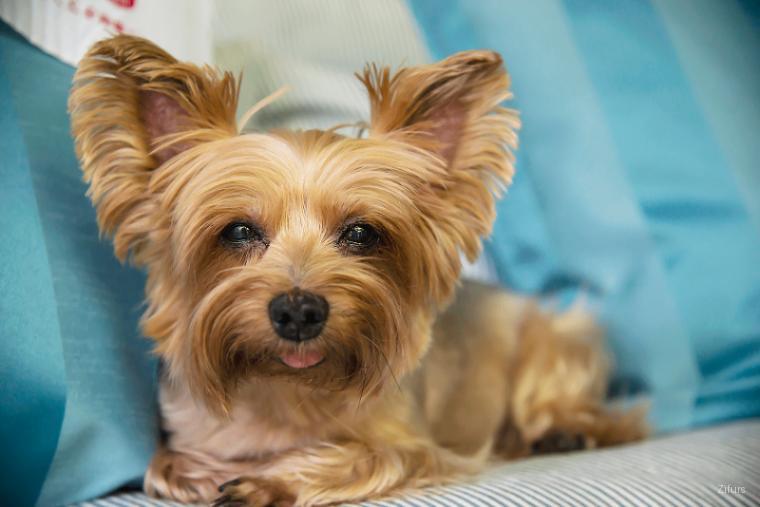
Yorkshire Terrier
Last Updated:
The Yorkshire Terrier dog breed (Yorkie) is a small, intelligent, and affectionate companion known for its silky coat and bold personality. Popular among apartment owners in India, Yorkies are low-shedding, easy to manage, and ideal for families and individuals. They require regular grooming, basic training, and moderate exercise to stay healthy and happy.
Height
7 - 9 Inches
Intelligence
High
Lifespan
13 - 16 years
Weight
1.8 - 3.2 Kg
Temperament
About
The Yorkshire Terrier, commonly known as the Yorkie, is a small toy dog breed known for its long, silky coat, confident personality, and affectionate nature. Despite its tiny size, the Yorkshire Terrier is lively, intelligent, and often surprisingly bold.
Yorkshire Terriers are known for being affectionate, intelligent, energetic, confident, playful, alert, and loyal. They often form strong bonds with their owners and enjoy being involved in family life.
Their compact size makes them suitable for apartment living, but their long coat requires regular grooming. Yorkies also benefit from early socialization, positive training, daily activity, and plenty of companionship.
Yorkshire Terrier Appearance
The Yorkshire Terrier has a small, compact body covered by a long, straight, silky coat. Its upright ears, dark eyes, and confident expression give it a distinctive appearance.
Common physical characteristics include:
- Very small toy-sized body
- Compact and well-proportioned build
- Long, straight, silky coat
- Small upright ears
- Dark, expressive eyes
- Black nose
- Long, flowing hair
- Tail carried above the level of the back
Yorkshire Terriers typically have a blue and tan coat. Puppies are generally born darker and develop their characteristic adult coloring as they mature.
Yorkshire Terrier Temperament
The Yorkshire Terrier temperament is generally confident, lively, affectionate, intelligent, and alert. Despite their small size, Yorkies often have a bold personality and may behave like much larger dogs.
They usually form strong attachments to their families and enjoy attention, play, and interactive activities. Early socialization is important because some Yorkies can become vocal or wary around unfamiliar people and dogs.
Are Yorkshire Terriers Good Family Dogs?
Yes, Yorkshire Terriers can make excellent companion dogs for families that understand their small size and care requirements. They are affectionate, adaptable, and can live comfortably in apartments or larger homes.
Because of their delicate size, families with very young children should supervise interactions and teach children to handle them gently.
Are Yorkshire Terriers Good with Children?
Yorkshire Terriers can be affectionate and playful with older, gentle children. However, their small bones and delicate body make them vulnerable to accidental injury.
Young children should always be supervised around a Yorkie and taught not to pull its hair, pick it up roughly, chase it, or disturb it while eating or sleeping.
Yorkshire Terrier Intelligence and Training
Yorkshire Terriers are intelligent and can learn commands, tricks, routines, and household manners. Their confidence and curiosity can make training enjoyable, although some Yorkies may have an independent or stubborn streak.
Training should include:
- Basic obedience
- House training
- Leash training
- Recall training
- Socialization
- Impulse control
- Handling and grooming practice
Positive reinforcement using treats, praise, and play generally works well. Short and consistent sessions can help keep a Yorkie focused.
Yorkshire Terrier Exercise Requirements
Yorkshire Terriers have moderate exercise needs. Their small size means they do not require long-distance exercise, but they still benefit from daily walks, indoor play, and mental stimulation.
Suitable activities include:
- Short daily walks
- Indoor play
- Fetch with small toys
- Interactive toys
- Puzzle feeders
- Obedience training
- Trick training
Exercise should be adjusted according to age, health, fitness level, and weather conditions.
Can Yorkshire Terriers Live in Apartments?
Yes, Yorkshire Terriers are well suited to apartment living. Their small size and moderate exercise requirements make them comfortable in smaller homes when provided with daily walks, indoor play, enrichment, and companionship.
They should still receive regular mental stimulation and opportunities to explore rather than being left indoors without activity.
Yorkshire Terrier Grooming Requirements
The Yorkshire Terrier's long, silky coat requires regular grooming. Without consistent brushing, the hair can develop tangles and mats.
Basic grooming should include:
- Daily brushing and combing for a long coat
- Regular bathing
- Routine nail trimming
- Regular ear checks
- Dental care
- Trimming around the face and paws when necessary
Many owners choose to keep their Yorkie's coat in a shorter puppy cut, which can make daily maintenance easier.
Do Yorkshire Terriers Shed a Lot?
Yorkshire Terriers are considered low-shedding dogs. Their hair continues to grow rather than undergoing the same shedding cycle as many double-coated breeds.
However, loose hair can become trapped in the coat, so regular brushing is necessary to prevent tangles and mats.
Are Yorkshire Terriers Hypoallergenic?
Yorkshire Terriers are often considered a relatively allergy-friendly breed because they shed very little. However, no dog is completely hypoallergenic.
People with allergies should spend time around a Yorkie before bringing one home because individual reactions can vary.
Yorkshire Terrier Health
Yorkshire Terriers can live healthy lives with responsible breeding, appropriate nutrition, regular dental care, and preventive veterinary attention. However, their small size and breed characteristics can predispose them to certain health conditions.
Potential health concerns include patellar luxation, dental disease, tracheal collapse, eye problems, hypoglycemia in very young or tiny puppies, and certain liver conditions such as portosystemic shunts.
Regular veterinary examinations and appropriate health screening can help identify potential problems early.
What Should You Feed a Yorkshire Terrier?
A Yorkshire Terrier should receive a complete and balanced diet appropriate for its age, size, activity level, and health requirements.
Because Yorkies are very small dogs, portion control is important. Puppies, particularly very small puppies, may require carefully managed feeding schedules to reduce the risk of low blood sugar.
Fresh drinking water should always be available.
Can Yorkshire Terriers Become Overweight?
Yes, Yorkies can gain excess weight when overfed or given too many treats. Even a small amount of extra food can represent a significant portion of their daily calorie requirements.
Measured meals, controlled treats, regular activity, and monitoring body condition can help maintain a healthy weight.
Yorkshire Terrier Socialization
Early socialization is important for Yorkshire Terriers. Puppies should gradually and positively experience different people, environments, sounds, handling, surfaces, and appropriately vaccinated dogs.
Good socialization can help prevent excessive fearfulness and reduce unwanted barking or nervous behavior.
Are Yorkshire Terriers Good with Other Pets?
Yorkshire Terriers can live with other dogs and compatible pets when properly socialized and introduced. Because of their small size, interactions with much larger dogs should be supervised even when both animals are friendly.
Some Yorkies may also show a strong instinct to chase small animals, so introductions to cats and other small pets should be handled carefully.
Are Yorkshire Terriers Affectionate?
Yes, Yorkshire Terriers are generally affectionate and strongly attached to their owners. They often enjoy cuddling, sitting close to family members, and participating in household activities.
Their strong attachment can also make them prone to separation-related behaviors if they are routinely left alone for long periods.
Are Yorkshire Terriers Good Watchdogs?
Despite their small size, Yorkshire Terriers can be alert and vocal. They may bark when they notice unfamiliar people, sounds, or activity around the home.
Positive training and early socialization can help prevent alert barking from becoming excessive.
Are Yorkshire Terriers Good for First-Time Dog Owners?
Yorkshire Terriers can be suitable for first-time owners because they are small, adaptable, affectionate, and intelligent. However, owners should be prepared for regular grooming, dental care, training, and their need for companionship.
Their small size also means owners need to take extra care to prevent accidental injuries.
Do Yorkshire Terriers Need a Lot of Attention?
Yorkshire Terriers are highly people-oriented and generally enjoy spending significant time with their owners. They can become bored or anxious when routinely left alone for extended periods.
Daily companionship, play, training, and mental stimulation are important for their wellbeing.
How Long Do Yorkshire Terriers Live?
Yorkshire Terriers commonly have a lifespan of around 11 to 15 years, with some individuals living longer. Genetics, nutrition, dental health, preventive veterinary care, body condition, and lifestyle all influence longevity.
Yorkshire Terrier Price in India
The Yorkshire Terrier price in India can vary depending on pedigree, breeder reputation, bloodline, health screening, age, location, coat quality, and availability.
As a general estimate, a Yorkshire Terrier puppy in India may cost approximately ₹30,000 to ₹80,000 or more.
Dogs from responsible breeders with documented pedigrees, appropriate health screening, and proper veterinary care may cost considerably more.
Prospective owners should consider vaccination records, health history, parental health, living conditions, and responsible breeding practices rather than choosing a puppy based solely on price.
Yorkshire Terrier Monthly Maintenance Cost in India
The estimated Yorkshire Terrier monthly maintenance cost in India can range from approximately ₹3,000 to ₹7,000 or more, depending on food, grooming, veterinary care, parasite prevention, dental care, treats, toys, and lifestyle.
Regular expenses may include:
- Quality small-breed dog food
- Routine veterinary care
- Vaccinations
- Deworming
- Tick and flea prevention
- Professional or home grooming
- Dental care
- Toys and enrichment
Can Yorkshire Terriers Live in India's Climate?
Yorkshire Terriers can adapt to India's climate, but extreme heat requires careful management. Their small size can make them vulnerable to overheating during very hot weather.
They should have access to fresh water, shade, good ventilation, and a cool indoor environment. Walks should preferably take place during cooler morning or evening hours.
Do Yorkshire Terriers Need Air Conditioning in India?
In areas with very hot summers, reliable indoor cooling can help keep a Yorkshire Terrier comfortable. During periods of extreme heat, outdoor exercise should be limited and scheduled for cooler parts of the day.
Are Yorkshire Terriers High-Maintenance?
Yorkshire Terriers have relatively low exercise requirements but can be considered moderately high-maintenance because of their long coat, grooming needs, dental care requirements, and strong need for companionship.
Keeping the coat short can make grooming easier for owners who prefer a lower-maintenance hairstyle.
Do Yorkshire Terriers Bark a Lot?
Yorkshire Terriers can be vocal and may bark to alert their owners, seek attention, or respond to unfamiliar sounds. Early socialization, positive training, mental stimulation, and appropriate exercise can help manage excessive barking.
Are Yorkshire Terriers Good for Indian Families?
Yorkshire Terriers can be excellent companions for Indian families, particularly those looking for a small indoor dog. Their compact size and moderate exercise requirements make them suitable for apartments and smaller homes.
Families should be prepared for regular grooming, dental care, companionship, and protection from extreme summer heat.
Final Thoughts
The Yorkshire Terrier is a small, confident, affectionate, and intelligent companion dog known for its beautiful silky coat and lively personality. Despite its tiny size, the Yorkie has a bold character and can be an entertaining and loving family companion.
For prospective owners in India, it is important to consider both the Yorkshire Terrier price in India and ongoing expenses for food, grooming, dental care, veterinary visits, parasite prevention, and enrichment.
With regular grooming, balanced nutrition, positive training, daily interaction, preventive veterinary care, and appropriate protection from extreme heat, a Yorkshire Terrier can be a loving and rewarding companion for many years.
Care Requirements
Compatibility
Available Colors
Health Considerations
- Tracheal Collapse
- Patellar Luxation
- Hypoglycemia
- Portosystemic Shunt
- Distichiasis
Fun Facts
- A Yorkie named Smokey was a famous WWII hero who carried communication cables through narrow underground pipes to save soldiers.
- Before the 1930s, Yorkshire Terriers were significantly larger, often weighing around 30 pounds, but were bred down to their current toy size over time.
- The smallest dog ever recorded was a Yorkshire Terrier that weighed only 10 ounces (284 g).
Frequently Asked Questions
Common questions about the Yorkshire Terrier breed.
What is a Yorkshire Terrier?
The Yorkshire Terrier, commonly called a Yorkie, is a small toy breed known for its long, silky coat, confident personality, affectionate nature, and lively temperament. Despite its small size, it retains many of the bold characteristics of a terrier.
How much does a Yorkshire Terrier cost in India?
The Yorkshire Terrier price in India varies depending on pedigree, breeder reputation, bloodline, health screening, age, location, and availability. A Yorkshire Terrier puppy may typically cost around ₹30,000 to ₹80,000 or more.
Are Yorkshire Terriers good family dogs?
Yes, Yorkshire Terriers can make affectionate and adaptable family companions. They are playful, people-oriented, and can live comfortably in apartments or larger homes when properly exercised and socialized.
Are Yorkshire Terriers good with children?
Yorkshire Terriers can be good with children, particularly older children who know how to handle a small dog gently. Because Yorkies are delicate, young children should always be supervised around them.
Are Yorkshire Terriers good with other dogs?
Yorkshire Terriers can generally get along with other dogs when properly socialized and introduced. Their small size means interactions with much larger dogs should be supervised.
Are Yorkshire Terriers affectionate?
Yes, Yorkshire Terriers are generally affectionate and form strong bonds with their owners. They often enjoy cuddling, staying close to their families, and participating in household activities.
Are Yorkshire Terriers intelligent?
Yes, Yorkshire Terriers are intelligent and capable of learning commands, tricks, obedience exercises, and dog sports such as agility and rally.
Are Yorkshire Terriers easy to train?
Yorkshire Terriers are intelligent and eager to please, but they can also be independent or stubborn. Positive reinforcement, consistency, patience, and short engaging training sessions generally work best.
How much exercise does a Yorkshire Terrier need?
Yorkshire Terriers have moderate exercise needs. Short daily walks, indoor play, interactive toys, and training sessions can provide appropriate physical and mental stimulation.
Can Yorkshire Terriers live in apartments?
Yes, Yorkshire Terriers are well suited to apartment living because of their small size and moderate exercise requirements. They still need daily walks, play, mental stimulation, and companionship.
Do Yorkshire Terriers shed a lot?
Yorkshire Terriers are considered low-shedding dogs. Their hair is more similar in growth and texture to human hair than the typical dog coat, but loose hair can still become tangled without regular grooming.
Are Yorkshire Terriers hypoallergenic?
Yorkshire Terriers are often considered a relatively allergy-friendly breed because they shed very little. However, no dog is completely hypoallergenic, and individual allergic reactions can vary.
How often should a Yorkshire Terrier be groomed?
A Yorkshire Terrier with a long coat should be brushed daily or several times a week to prevent tangles and mats. Regular bathing, trimming, nail care, ear checks, and dental care are also important.
Can a Yorkshire Terrier have a short haircut?
Yes, many pet Yorkshire Terriers are kept in a shorter puppy cut. A shorter coat can make everyday grooming easier while still requiring regular brushing and professional or home trimming.
Do Yorkshire Terriers need daily brushing?
Yes, daily brushing is ideal for a Yorkie with a long coat because the silky hair can tangle and mat easily. A shorter pet trim may require less intensive daily grooming.
Are Yorkshire Terriers prone to dental problems?
Yes, dental disease is an important health consideration for Yorkshire Terriers. Daily tooth brushing with dog-safe toothpaste and regular veterinary dental examinations can help maintain good oral health.
What health problems do Yorkshire Terriers have?
Yorkshire Terriers can be predisposed to conditions including patellar luxation, dental disease, eye abnormalities, tracheal problems, and certain liver disorders. Responsible breeding and regular veterinary care are important.
Are Yorkshire Terriers prone to patellar luxation?
Yes, patellar luxation, where the kneecap moves out of its normal position, can occur in Yorkshire Terriers. Responsible breeders can screen breeding dogs, and veterinary evaluation is recommended if a Yorkie develops limping or an unusual gait.
Are Yorkshire Terriers prone to eye problems?
Yorkshire Terriers can be susceptible to certain eye abnormalities. Regular veterinary eye examinations and prompt evaluation of redness, discharge, squinting, or changes in vision are important.
Do Yorkshire Terriers need health testing?
Responsible Yorkshire Terrier breeders should consider breed-relevant health screening. Recommended tests from the national breed club include patella evaluation and ophthalmologist evaluation.
How long do Yorkshire Terriers live?
Yorkshire Terriers commonly have a lifespan of around 11 to 15 years. Individual lifespan varies depending on genetics, nutrition, dental health, preventive veterinary care, body condition, and lifestyle.
Can Yorkshire Terriers become overweight?
Yes, Yorkshire Terriers can gain excess weight when overfed or given too many treats. Because they are very small dogs, even small amounts of extra food can significantly affect their calorie intake.
What should I feed a Yorkshire Terrier?
A Yorkshire Terrier should receive a complete and balanced diet appropriate for its age, size, activity level, and health. Portion control is important, and fresh water should always be available.
Do Yorkshire Terrier puppies need special feeding?
Very small Yorkshire Terrier puppies can be vulnerable to low blood sugar, particularly during early puppyhood. Feeding schedules for very young or unusually small puppies should be discussed with a veterinarian.
Are Yorkshire Terriers good for first-time owners?
Yorkshire Terriers can be suitable for first-time owners because they are small, affectionate, intelligent, and adaptable. However, owners should be prepared for regular grooming, dental care, training, and companionship.
Do Yorkshire Terriers need a lot of attention?
Yorkshire Terriers are social companion dogs and generally enjoy spending significant time with their owners. They can become bored or anxious if routinely left alone for extended periods.
Can Yorkshire Terriers be left alone?
Yorkshire Terriers can tolerate some time alone when properly trained, but they generally prefer companionship. Gradual alone-time training and appropriate toys or enrichment can help prevent separation-related problems.
Do Yorkshire Terriers bark a lot?
Yorkshire Terriers can be vocal and alert. They may bark when they notice unfamiliar people, sounds, or activity. Socialization, positive training, exercise, and mental stimulation can help manage excessive barking.
Are Yorkshire Terriers good watchdogs?
Yes, despite their small size, Yorkshire Terriers can be effective little watchdogs. Their alert and confident nature makes them likely to notify their owners when they notice unfamiliar activity.
Are Yorkshire Terriers aggressive?
Yorkshire Terriers are not inherently aggressive. They can be confident, feisty, and protective, but early socialization and positive training help them develop appropriate behavior around people and other animals.
Are Yorkshire Terriers good with cats?
Yorkshire Terriers can live with cats when properly socialized and introduced. However, their terrier background can give some individuals a strong instinct to chase small animals, so introductions should be gradual and supervised.
Are Yorkshire Terriers good indoor dogs?
Yes, Yorkshire Terriers are excellent indoor companion dogs. They adapt well to indoor living and can get much of their exercise through short walks and interactive play.
Can Yorkshire Terriers live in India's climate?
Yorkshire Terriers can adapt to India's climate, but they should be protected from extreme heat. They need fresh water, shade, good ventilation, and a cool indoor environment during very hot weather.
Do Yorkshire Terriers need air conditioning in India?
In areas with very hot summers, reliable indoor cooling can help keep a Yorkshire Terrier comfortable. During extreme heat, outdoor activity should be limited and scheduled during cooler parts of the day.
Are Yorkshire Terriers high-maintenance?
Yorkshire Terriers have moderate exercise needs but can be considered high-maintenance for grooming. Their long, silky coat requires frequent brushing, bathing, and trimming, while dental care is also particularly important.
What color are Yorkshire Terriers?
The characteristic Yorkshire Terrier coat is steel blue and rich golden tan. Puppies are typically born darker and develop their adult coloration as they mature.
Are Yorkshire Terriers good for senior citizens?
Yorkshire Terriers can be suitable companions for active senior owners because they are small, affectionate, and do not require extensive exercise. Their grooming and dental care needs should still be considered.
Are Yorkshire Terriers good for Indian families?
Yes, Yorkshire Terriers can be excellent companions for Indian families, particularly those living in apartments. Families should be prepared for regular grooming, dental care, companionship, and protection from extreme summer heat.
What is the monthly maintenance cost of a Yorkshire Terrier in India?
The estimated Yorkshire Terrier monthly maintenance cost in India can range from approximately ₹3,000 to ₹7,000 or more, depending on food, grooming, veterinary care, parasite prevention, dental care, treats, toys, and lifestyle.
Can Yorkshire Terriers participate in dog sports?
Yes, Yorkshire Terriers can participate in activities such as obedience, rally, and agility. Despite their small size, they are intelligent and athletic enough to enjoy appropriately scaled dog sports.
Why does my Yorkshire Terrier have tear stains?
Some Yorkshire Terriers can develop visible tear staining around the eyes. Persistent or excessive tearing, redness, discharge, or irritation should be evaluated by a veterinarian to rule out an underlying eye problem.
How often should a Yorkshire Terrier's teeth be brushed?
Ideally, a Yorkshire Terrier's teeth should be brushed daily with a toothbrush and toothpaste specifically formulated for dogs. Regular veterinary dental examinations are also recommended.
Is a Teacup Yorkshire Terrier a separate breed?
No. 'Teacup Yorkshire Terrier' is not a separate officially recognized breed. Extremely small Yorkies may be marketed using this term, but breeding specifically for extreme small size can increase health risks. Health and responsible breeding should be prioritized.
Are Yorkshire Terriers loyal?
Yes, Yorkshire Terriers are generally loyal and strongly attached to their families. They often enjoy staying close to their owners and can be very devoted companion dogs.
What kind of owner is best for a Yorkshire Terrier?
Yorkshire Terriers are best suited to owners who want a small, affectionate companion and can provide regular grooming, daily interaction, positive training, appropriate exercise, and preventive veterinary care.