
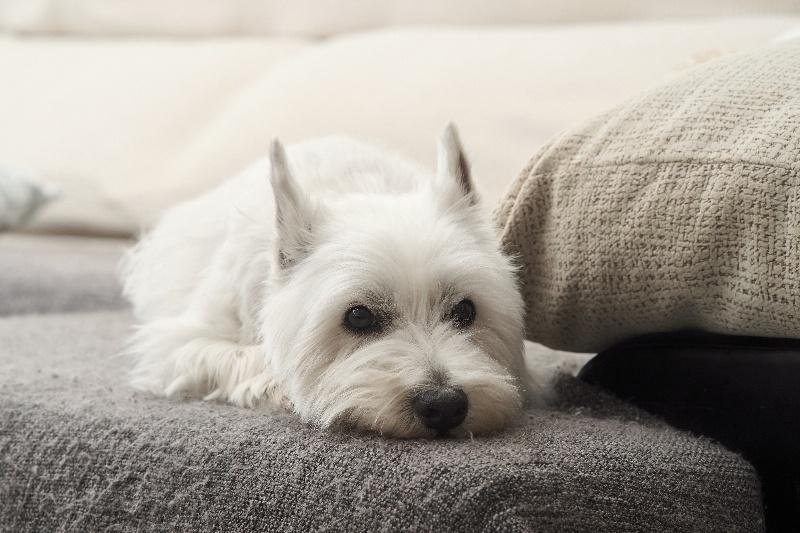
West Highland White Terrier
Last Updated:
The West Highland White Terrier, commonly known as the “Westie,” is a small, confident, and friendly dog breed known for its bright white coat and lively personality. Intelligent and affectionate, Westies are playful companions that adapt well to families, apartments, and active households.
Height
10 - 11 Inches
Intelligence
High
Lifespan
12 - 16 Years
Weight
6 - 9 Kg
Temperament
About
The West Highland White Terrier is a small but sturdy terrier breed originating from Scotland, where it was originally bred for hunting small animals such as foxes and rodents. Famous for its bright white coat, alert expression, and confident personality, the Westie has become one of the most beloved terrier breeds worldwide.
Westies have a compact, muscular build with erect ears, dark expressive eyes, and a harsh white double coat that gives them their iconic appearance. Their coat is weather-resistant and requires regular grooming to maintain its texture and cleanliness. Despite their small size, West Highland White Terriers are brave, energetic, and full of personality.
This breed is highly intelligent, playful, and affectionate with family members. Westies are known for being friendly and outgoing while still retaining the bold and independent nature typical of terriers. They enjoy companionship, interactive games, and spending time with their owners.
West Highland White Terriers require moderate daily exercise such as walks, play sessions, and mental stimulation to stay healthy and happy. Early training and socialization help them develop good behavior around children, strangers, and other pets.
The West Highland White Terriers dog price in India typically ranges between ₹40,000 to ₹80,000 depending on breeder quality, lineage, and location. Monthly maintenance costs range from ₹4,000 to ₹12,000 including food and healthcare.
Care Requirements
Compatibility
Available Colors
Health Considerations
- Skin Allergies
- Patellar Luxation
- Dental Disease
- Hip Dysplasia
Fun Facts
- The Westie’s famous white coat originated after a Scottish hunter accidentally mistook his darker terrier for a fox, leading him to breed only white dogs that were easier to spot in the wild.
Frequently Asked Questions
Common questions about the West Highland White Terrier breed.
What is a West Highland White Terrier?
The West Highland White Terrier, commonly called a Westie, is a small, sturdy terrier from Scotland known for its bright white coat, confident personality, intelligence, and playful nature.
How much does a West Highland White Terrier cost in India?
A West Highland White Terrier can cost around ₹30,000 to ₹80,000 or more in India, depending on pedigree, breeder reputation, location, age, and availability.
Are West Highland White Terriers good family dogs?
Yes. Westies are affectionate, loyal, playful, and confident companions that can suit active families.
Are West Highland White Terriers good with children?
Generally, yes. They can do well with respectful children when properly socialized and when interactions are supervised.
Are West Highland White Terriers good with other pets?
They can live with other pets when properly socialized and introduced gradually, but their terrier background gives them a strong prey drive toward small animals.
Are West Highland White Terriers affectionate?
Yes. Westies form strong bonds with their families and enjoy spending time with their owners, although many prefer being close to their people rather than constantly sitting on a lap.
Are West Highland White Terriers intelligent?
Yes. Westies are intelligent and quick learners, although their independent terrier personality can sometimes make training challenging.
Are West Highland White Terriers easy to train?
They can learn commands and tricks well with consistent, positive-reinforcement training. Patience is important because Westies can be independent and strong-willed.
Are West Highland White Terriers playful?
Yes. Westies are energetic and playful dogs that enjoy games such as fetch, chasing toys, exploring, and interactive activities.
How much exercise does a West Highland White Terrier need?
Westies need daily physical and mental exercise. Walks, playtime, training sessions, and enrichment activities can help keep them healthy and prevent boredom.
Are West Highland White Terriers suitable for apartments?
Yes. Westies can adapt to apartment living when they receive adequate daily exercise, mental stimulation, and training.
Do West Highland White Terriers shed a lot?
Westies generally shed less than many other breeds, but they still shed some hair and require regular grooming to maintain their coat.
How often should a West Highland White Terrier be groomed?
Regular brushing is recommended, along with professional grooming approximately every 4 to 6 weeks for many pet Westies. Show dogs may require more specialized coat care.
Are West Highland White Terriers hypoallergenic?
No dog breed is completely hypoallergenic. Westies may be suitable for some allergy sufferers better than certain heavily shedding breeds, but they can still produce allergens.
Do West Highland White Terriers need regular baths?
Occasional bathing is useful for keeping their white coat clean, but excessive bathing can irritate the skin. Use a dog-appropriate shampoo and follow veterinary or grooming advice.
Are West Highland White Terriers healthy dogs?
Westies are generally sturdy dogs, but like other breeds they can be susceptible to certain inherited and skin-related health conditions. Regular veterinary care is important.
Are West Highland White Terriers prone to skin problems?
Westies can be prone to skin irritation and allergies. Persistent itching, redness, hair loss, or recurrent ear problems should be evaluated by a veterinarian.
Are West Highland White Terriers prone to dental problems?
Like many small dogs, Westies can develop dental disease. Regular tooth brushing, dental care, and veterinary examinations can help maintain oral health.
Are West Highland White Terriers prone to obesity?
They can gain excess weight if they consume more calories than they use. Portion control, balanced nutrition, and daily activity help maintain a healthy weight.
What should I feed a West Highland White Terrier?
Feed a complete and balanced diet appropriate for the dog's age, size, activity level, and health needs. Portion sizes should be adjusted to maintain a healthy body condition.
How much water should a West Highland White Terrier drink?
Fresh, clean water should always be available. Water needs vary with body size, diet, activity, weather, and health.
Do West Highland White Terriers bark a lot?
Westies can be quite vocal and may bark to alert their owners, communicate, or respond to activity around them. Training and adequate exercise can help manage excessive barking.
Are West Highland White Terriers aggressive?
Westies are generally confident and friendly rather than aggressive, but their strong terrier instincts can make them assertive. Early socialization and consistent training are important.
Are West Highland White Terriers good for first-time dog owners?
They can be suitable for first-time owners who are prepared for regular grooming, daily exercise, consistent training, and the independent nature of a terrier.
Do West Highland White Terriers need a lot of attention?
Westies enjoy spending time with their families and need regular interaction, exercise, and mental stimulation, but they are also reasonably independent.
Can West Highland White Terriers be left alone?
They can tolerate reasonable periods alone, but prolonged isolation or boredom can lead to barking, digging, or destructive behavior. Exercise and enrichment before being left alone can help.
What is the lifespan of a West Highland White Terrier?
West Highland White Terriers commonly have a lifespan of around 12 to 16 years when provided with appropriate nutrition, preventive healthcare, exercise, and a safe environment.
How big do West Highland White Terriers get?
Westies are small, compact dogs and typically stand around 10 to 11 inches tall at the withers.
What color is a West Highland White Terrier?
The breed is white. Its distinctive white coat is one of the defining characteristics of the West Highland White Terrier.
What type of coat does a West Highland White Terrier have?
Westies have a double coat consisting of a harsh, straight outer coat and a short, soft undercoat.
Why are West Highland White Terriers white?
The white coat was favored historically because it made the dogs easier to distinguish from quarry while working in the Scottish Highlands.
Were West Highland White Terriers bred for hunting?
Yes. Westies were originally developed in Scotland as working terriers used to hunt vermin and small quarry. Their prey drive and digging instincts remain strong today.
Do West Highland White Terriers like to dig?
Yes. Digging is a natural terrier behavior. Providing appropriate enrichment and redirecting the behavior with positive training can help prevent unwanted digging.
Do West Highland White Terriers have a strong prey drive?
Yes. Their history as vermin hunters means they may chase birds, rodents, rabbits, cats, and other small animals. Secure fencing and leash control are important.
Can West Highland White Terriers learn tricks?
Yes. Westies are intelligent and can learn tricks, games, and obedience skills through short, engaging training sessions using positive reinforcement.
Can West Highland White Terriers walk off leash?
Off-leash activity should only be considered in secure areas. Their strong prey drive and independent nature can cause them to chase small animals or wander.
Are West Highland White Terriers good with cats?
They may live successfully with cats when raised and socialized appropriately, but their natural prey drive means introductions should be gradual and carefully supervised.
Are West Highland White Terriers good with dogs?
They can get along well with other dogs when properly socialized, although their confident terrier personality can sometimes lead to assertive behavior.
Are West Highland White Terriers suitable for the Indian climate?
They can live in India, but their dense double coat requires careful grooming and heat management. During hot weather, provide shade, fresh water, ventilation, and a cool indoor environment.
Do West Highland White Terriers need air conditioning in India?
Air conditioning can be helpful during periods of extreme heat, particularly in hot and humid areas. Ensure the dog always has access to a cool, comfortable space and fresh water.
Are West Highland White Terriers high-maintenance?
Their exercise needs are manageable for an active owner, but their white double coat requires regular brushing and professional grooming. Training and mental stimulation are also important.
Are West Highland White Terriers good for Indian families?
Yes. Westies can be excellent family companions in India when their grooming, exercise, training, socialization, nutrition, and heat-management needs are properly addressed.
How much does it cost to maintain a West Highland White Terrier in India?
Monthly expenses can include quality food, grooming, parasite prevention, toys, routine healthcare, and other supplies. Costs vary depending on diet, grooming frequency, location, and healthcare needs.
Do West Highland White Terriers require regular veterinary checkups?
Yes. Routine veterinary visits help monitor vaccinations, dental health, skin and coat condition, weight, parasite prevention, and overall wellbeing.
What type of owner is best for a West Highland White Terrier?
Westies are best suited to owners who want an active, intelligent, confident companion and can provide daily exercise, consistent training, socialization, grooming, and companionship.