
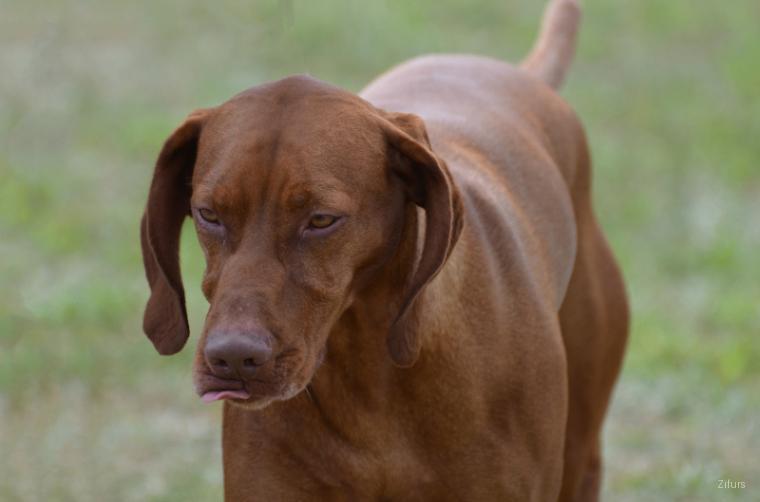
Vizsla
Last Updated:
The Vizsla is a highly energetic, intelligent, and affectionate hunting dog known for its sleek build and rust-colored coat. It thrives in active homes and forms strong bonds with its owners.
Height
21 - 24 Inches
Lifespan
12 - 14 years
Weight
20 - 30 Kg
Temperament
About
The Vizsla is a medium-sized sporting dog breed originally developed in Hungary. Known for its sleek golden-rust coat, athletic build, expressive eyes, and affectionate personality, the Vizsla was historically bred as a versatile hunting dog capable of pointing, retrieving, and working closely with people.
Vizslas are known for being intelligent, energetic, affectionate, loyal, and highly people-oriented. They often form strong bonds with their owners and prefer to stay close to their families. Their affectionate nature has earned them a reputation as "velcro dogs" because they frequently follow their owners around the home.
This breed has high exercise requirements and needs regular physical activity as well as mental stimulation. Vizslas are particularly well suited to active households where they can participate in walks, running, hiking, training, and interactive games.
Vizsla Appearance
The Vizsla has a lean, athletic, and muscular body designed for endurance and agility. Its short, smooth coat and elegant build give it a distinctive appearance.
Common physical characteristics of a Vizsla include:
- Medium-sized athletic body
- Short, smooth coat
- Golden-rust or copper-colored coat
- Long, muscular legs
- Long muzzle
- Large, expressive ears
- Lean and athletic build
- Long tail
The Vizsla's short coat requires relatively little grooming compared with many long-haired breeds.
Vizsla Temperament
The Vizsla temperament is generally affectionate, energetic, intelligent, sensitive, and people-oriented. Vizslas often develop very close relationships with their owners and enjoy being involved in family activities.
They are usually friendly and eager to interact with their families, but their sensitive nature means they respond best to positive and gentle training methods.
Because of their strong attachment to people, Vizslas may struggle when left alone for long periods and benefit from gradual independence training.
Are Vizslas Good Family Dogs?
Yes, Vizslas can make excellent family companions for active households. They are affectionate, playful, loyal, and generally enjoy spending time with their owners.
They can be suitable for families with children when properly socialized and supervised. Their high energy level means they are particularly well suited to families that can provide plenty of exercise and interaction.
Vizsla Training
Vizslas are intelligent and generally eager to learn, making them responsive to training when positive reinforcement is used. Their sensitive personality means harsh training methods can be counterproductive.
Training should focus on:
- Basic obedience
- Leash manners
- Recall training
- Impulse control
- Early socialization
- Crate and alone-time training
- Retrieving and interactive games
Short, engaging training sessions using treats, praise, toys, and play can help keep a Vizsla motivated.
Vizsla Exercise Requirements
Vizslas are high-energy sporting dogs and require substantial daily exercise. Simply taking them on a short walk may not be enough to meet their physical and mental needs.
Suitable activities can include:
- Long daily walks
- Running
- Hiking
- Fetch
- Swimming
- Agility activities
- Obedience training
- Scent games
Regular mental stimulation is equally important. Without enough activity, a bored Vizsla may develop unwanted behaviors such as excessive chewing, barking, or restlessness.
Can Vizslas Live in Apartments?
Vizslas can potentially live in apartments, but they are not an ideal choice for households that cannot provide significant daily exercise. Their high energy level means owners need to dedicate considerable time to walks, running, play, training, and mental stimulation.
An apartment can work if the dog's exercise and enrichment needs are consistently met.
Vizsla Grooming Requirements
Vizslas have a short, smooth coat and relatively simple grooming requirements. Their coat does not usually require extensive maintenance.
Basic grooming should include:
- Regular brushing
- Bathing when necessary
- Nail trimming
- Ear cleaning
- Dental care
- Routine veterinary check-ups
Occasional brushing can help remove loose hair and keep the coat clean and healthy.
Do Vizslas Shed a Lot?
Vizslas generally have a short coat and are considered moderate or relatively low-maintenance shedders compared with many double-coated breeds. However, they can still leave loose hair around the home.
Regular brushing can help remove loose hair and keep shedding manageable.
Vizsla Health
Like all dogs, Vizslas require regular veterinary examinations, vaccinations, parasite prevention, dental care, balanced nutrition, and appropriate weight management.
Prospective owners should ask breeders about health screening, vaccination records, parental health history, and responsible breeding practices.
What Should You Feed a Vizsla?
A Vizsla should receive a complete and balanced diet appropriate for its age, size, activity level, and individual health requirements.
Because Vizslas are highly active, their calorie requirements can be higher than those of less active dogs. However, portions should still be controlled to maintain a healthy body condition.
Fresh drinking water should always be available, particularly after exercise.
Vizsla Socialization
Early socialization is important for Vizslas. Puppies should gradually and positively experience different people, environments, sounds, surfaces, handling, and appropriately vaccinated dogs.
Proper socialization can help a Vizsla develop confidence and appropriate behavior around unfamiliar people, dogs, and environments.
Are Vizslas Good with Other Pets?
Vizslas can live with other dogs and household pets when properly socialized and introduced. However, they have a hunting background and may have a strong prey drive around smaller animals.
Introductions should be gradual and supervised, particularly when introducing a Vizsla to cats or other small pets.
Are Vizslas Affectionate?
Yes, Vizslas are known for being highly affectionate and people-oriented. Many enjoy staying close to their owners and may follow family members around the home.
Their strong desire for companionship can be a positive quality for families looking for an affectionate dog, but owners should also teach appropriate independence from an early age.
Are Vizslas Good for First-Time Dog Owners?
Vizslas can be suitable for first-time dog owners who are prepared for their high exercise and training requirements. Their intelligence and eagerness to learn can make training rewarding.
However, their energy level, sensitivity, need for companionship, and potential for separation-related problems can make them challenging for owners who have limited time for daily interaction.
Do Vizslas Have Separation Anxiety?
Vizslas can be prone to separation-related stress because they often form very strong bonds with their owners. Gradual alone-time training, mental enrichment, predictable routines, and teaching independence from an early age can help some dogs become more comfortable when alone.
How Long Do Vizslas Live?
Vizslas commonly have a lifespan of around 12 to 14 years, although individual lifespan can vary depending on genetics, nutrition, preventive healthcare, lifestyle, and overall health.
Vizsla Dog Price in India
The Vizsla dog price in India can vary significantly because the breed is relatively uncommon in the country. Factors such as breeder reputation, pedigree, lineage, health screening, location, age, and availability can influence the price.
As a general estimate, a Vizsla puppy in India may cost approximately ₹50,000 to ₹1,20,000 or more.
Imported or exceptionally well-bred puppies may cost more because of transportation, documentation, and limited availability.
Prospective owners should consider health records, vaccination history, parental health, puppy socialization, living conditions, and responsible breeding practices rather than choosing a puppy based solely on price.
Vizsla Monthly Maintenance Cost in India
The estimated Vizsla monthly maintenance cost in India can range from approximately ₹5,000 to ₹10,000 or more, depending on food, healthcare, preventive treatments, grooming, training, toys, and lifestyle.
Regular expenses may include:
- Quality dog food
- Routine veterinary care
- Vaccinations
- Flea and tick prevention
- Grooming supplies
- Dental care
- Toys and enrichment
- Training expenses
Can Vizslas Live in India's Climate?
Vizslas can adapt to India's climate, but hot weather can still be challenging, particularly during intense exercise. Owners should provide fresh water, shade, good ventilation, and a cool indoor environment during hot weather.
Exercise should preferably be scheduled during cooler parts of the day, especially during India's hottest months. Dogs should also be monitored for signs of overheating.
Are Vizslas Good Running Dogs?
Vizslas can be excellent running companions once they are physically mature and appropriately conditioned. Their athletic build and sporting background make them well suited to endurance activities.
Exercise intensity should always be appropriate for the dog's age, health, fitness level, and environmental conditions.
Final Thoughts
The Vizsla is an athletic, intelligent, affectionate, and highly energetic dog breed that thrives on companionship and activity. Its short coat makes grooming relatively simple, but its exercise and mental stimulation requirements are significant.
For prospective owners in India, it is important to consider both the Vizsla dog price in India and ongoing costs for food, healthcare, training, exercise, and enrichment before bringing one home.
With positive training, early socialization, regular exercise, appropriate nutrition, companionship, and preventive veterinary care, a Vizsla can be a loyal and rewarding companion for an active household.
Care Requirements
Compatibility
Available Colors
Health Considerations
- Hip Dysplasia
- Epilepsy
- Progressive Retinal Atrophy
- Hypothyroidism
- Skin Allergies
- Elbow Dysplasia
- Ear Infections
Fun Facts
- Vizslas are known as "Velcro dogs", they were bred to work closely with hunters, acting as both pointers and retrievers.
Frequently Asked Questions
Common questions about the Vizsla breed.
What is a Vizsla?
The Vizsla is a medium-sized sporting dog breed originally developed in Hungary. It is known for its sleek golden-rust coat, athletic build, intelligence, affectionate personality, and strong bond with its owners.
How much does a Vizsla cost in India?
The Vizsla dog price in India typically ranges from ₹50,000 to ₹1,20,000 or more. The price can vary depending on breeder reputation, pedigree, lineage, health screening, location, age, and availability.
Are Vizslas good family dogs?
Yes, Vizslas can make excellent family companions for active households. They are generally affectionate, playful, loyal, intelligent, and enjoy spending time with their families.
Are Vizslas good with children?
Vizslas can be good with children when properly socialized and supervised. Their energetic and playful nature can make them good companions for active families, but children should be taught to interact with dogs respectfully.
Are Vizslas good with other dogs?
Vizslas can generally get along well with other dogs when properly socialized and introduced. Early positive experiences and supervised introductions can help them develop appropriate social behavior.
Are Vizslas easy to train?
Vizslas are intelligent and generally eager to learn. They often respond well to positive reinforcement, praise, treats, and interactive training. Their sensitive nature means harsh training methods should be avoided.
How much exercise does a Vizsla need?
Vizslas are high-energy sporting dogs that need substantial daily exercise and mental stimulation. Long walks, running, hiking, fetch, swimming, scent games, and training can help meet their physical and mental needs.
Are Vizslas good apartment dogs?
Vizslas can live in apartments if their significant exercise and mental stimulation needs are consistently met. They are better suited to apartments when owners can provide plenty of daily outdoor activity, training, and interactive play.
Do Vizslas shed a lot?
Vizslas have a short, smooth coat and generally shed less noticeably than many double-coated breeds. They can still shed loose hair, and regular brushing can help keep shedding manageable.
How often should a Vizsla be groomed?
Vizslas have relatively low grooming requirements because of their short, smooth coat. Regular brushing, occasional bathing, nail trimming, ear cleaning, and dental care are generally sufficient.
Are Vizslas affectionate?
Yes, Vizslas are known for being highly affectionate and people-oriented. They often form strong bonds with their owners and may follow family members around the home. Their strong desire for companionship is why they are sometimes called 'Velcro dogs.'
Do Vizslas have separation anxiety?
Vizslas can be prone to separation-related stress because they often form very strong attachments to their owners. Gradual alone-time training, mental enrichment, predictable routines, and independence-building exercises can help them become more comfortable when alone.
What is the monthly maintenance cost of a Vizsla in India?
The estimated Vizsla monthly maintenance cost in India can range from around ₹5,000 to ₹10,000 or more. Expenses may include food, veterinary care, vaccinations, parasite prevention, grooming, toys, training, and other routine care.
What should I feed a Vizsla?
A Vizsla should receive a complete and balanced diet appropriate for its age, size, activity level, and health requirements. Because Vizslas are highly active, their calorie requirements can be substantial, but portions should still be controlled to maintain a healthy body condition.
Are Vizslas good for first-time dog owners?
Vizslas can be suitable for first-time owners who have enough time for daily exercise, training, socialization, and companionship. Their high energy level and need for interaction can make them challenging for owners with limited time.
How long do Vizslas live?
Vizslas commonly have a lifespan of around 12 to 14 years, although individual lifespan can vary depending on genetics, nutrition, preventive healthcare, lifestyle, and overall health.
Can Vizslas live in India's hot climate?
Vizslas can adapt to India's climate with appropriate care, but hot weather can be challenging, particularly during intense exercise. Fresh water, shade, ventilation, a cool indoor environment, and exercise during cooler parts of the day are important.
Are Vizslas good running dogs?
Vizslas can be excellent running companions once they are physically mature and appropriately conditioned. Their athletic build and sporting background make them well suited to endurance activities, provided exercise intensity is appropriate for their age and health.
Are Vizslas good hunting dogs?
Yes, Vizslas were originally developed as versatile hunting dogs in Hungary. They were valued for their ability to point and retrieve game and for working closely with hunters. Their athleticism, intelligence, and strong sense of smell remain important characteristics of the breed.
Are Vizslas high-maintenance dogs?
Vizslas have relatively low grooming requirements because of their short coat, but they are demanding in terms of exercise, companionship, training, and mental stimulation. They are best suited to owners who can provide an active lifestyle.