
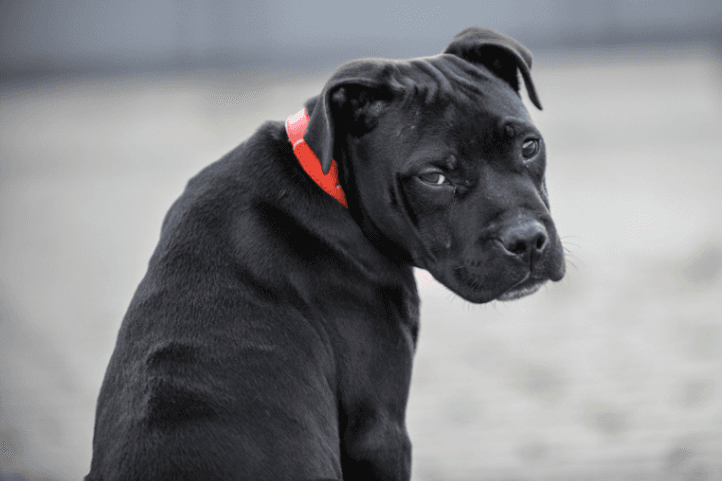
Staffordshire Bull Terrier
Last Updated:
The Staffordshire Bull Terrier is a strong, affectionate, and courageous dog breed known for its muscular build and loving personality. Often called the “Staffy,” this breed is loyal, playful, and especially affectionate with families and children, making it a popular companion dog worldwide.
Height
14 - 16 Inches
Intelligence
High
Lifespan
12 - 14 Years
Weight
11 - 17 Kg
Temperament
About
The Staffordshire Bull Terrier is a medium-sized, muscular dog breed originally developed in England for bull-baiting and later as a companion and working dog. Despite its tough appearance, the Staffordshire Bull Terrier is widely known for its affectionate nature, loyalty, and strong bond with families. Today, the breed is loved for its playful personality and confident temperament.
Staffordshire Bull Terriers have a compact, athletic body with a broad head, powerful jaw, short smooth coat, and expressive eyes. Their coat comes in a variety of colors including black, blue, brindle, fawn, red, white, and combinations with white markings. Their strong physique and energetic nature make them highly active and agile dogs.
This breed is intelligent, courageous, and eager to please. Staffordshire Bull Terriers thrive on human interaction and are known for being especially affectionate with children, earning them the nickname “nanny dog” in some regions. Early training and socialization are important to help them interact confidently with strangers and other pets.
Staffies are energetic dogs that require regular exercise and mental stimulation. Daily walks, play sessions, obedience training, and interactive games help keep them healthy and happy. They are highly people-oriented and do best in homes where they receive plenty of companionship and attention.
Care Requirements
Compatibility
Available Colors
Health Considerations
- Hip Dysplasia
- Skin Allergies
- Patellar Luxation
- Joint Problems
- Obesity
- Cataracts
Fun Facts
- Thanks to their broad, muscular jaws and expressive faces, many Staffordshire Bull Terriers appear to “smile” when they are happy, relaxed, or excited around their favorite people.
- Staffordshire Bull Terriers were historically nicknamed the “Nanny Dog” because of their affectionate, gentle, and protective nature around children when properly trained and socialized.
Frequently Asked Questions
Common questions about the Staffordshire Bull Terrier breed.
What is a Staffordshire Bull Terrier?
The Staffordshire Bull Terrier, often called a Staffy, is a muscular medium-sized British terrier known for its affectionate nature, confidence, intelligence, and strong bond with people.
How much does a Staffordshire Bull Terrier cost in India?
A Staffordshire Bull Terrier can cost around ₹25,000 to ₹60,000 or more in India, depending on pedigree, breeder reputation, location, age, and availability.
Are Staffordshire Bull Terriers good family dogs?
Yes. Well-socialized Staffordshire Bull Terriers are affectionate, loyal, playful, and people-oriented, making them capable family companions.
Are Staffordshire Bull Terriers good with children?
They can be excellent family dogs when properly trained and socialized. Because they are strong and energetic, interactions with young children should always be supervised.
Are Staffordshire Bull Terriers good with other dogs?
They can live successfully with other dogs when properly socialized and introduced, although individual temperament and early experiences can influence how they interact with other dogs.
Are Staffordshire Bull Terriers good with cats?
They may live with cats when raised and introduced appropriately, but their terrier instincts can create a prey drive toward smaller animals. Supervision and gradual introductions are important.
Are Staffordshire Bull Terriers affectionate?
Yes. Staffordshire Bull Terriers are typically very people-oriented and enjoy close interaction, companionship, and affection from their families.
Are Staffordshire Bull Terriers intelligent?
Yes. They are intelligent and generally eager to engage with their owners, although their independent and energetic nature requires consistent training.
Are Staffordshire Bull Terriers easy to train?
They can respond well to positive-reinforcement training. Consistency, patience, early socialization, and short engaging sessions are especially useful.
Are Staffordshire Bull Terriers playful?
Yes. They are energetic and playful dogs that often enjoy games such as fetch, tug, interactive toys, and training activities.
How much exercise does a Staffordshire Bull Terrier need?
They need daily physical activity and mental stimulation. Walks, play sessions, training, and enrichment activities can help keep them healthy and well behaved.
Are Staffordshire Bull Terriers suitable for apartments?
They can adapt to apartment living if they receive enough daily exercise, training, mental stimulation, and companionship.
Do Staffordshire Bull Terriers shed a lot?
They have a short, smooth coat and generally shed a moderate amount. Regular brushing can help remove loose hair.
How often should a Staffordshire Bull Terrier be groomed?
Their short coat is relatively easy to maintain. Weekly brushing is usually sufficient, with bathing as needed to keep the coat and skin clean.
Are Staffordshire Bull Terriers hypoallergenic?
No dog breed is completely hypoallergenic. Staffordshire Bull Terriers can still produce allergens through dander, saliva, and skin particles.
Are Staffordshire Bull Terriers healthy dogs?
They are generally robust dogs, but like other breeds they can be susceptible to certain inherited and common health conditions. Regular veterinary care is important.
Are Staffordshire Bull Terriers prone to skin problems?
Some Staffordshire Bull Terriers can experience skin allergies or irritation. Persistent itching, redness, hair loss, or recurrent skin infections should be evaluated by a veterinarian.
Are Staffordshire Bull Terriers prone to hip problems?
Hip dysplasia can occur in dogs, including Staffordshire Bull Terriers. Maintaining a healthy weight and obtaining appropriate veterinary screening can help manage joint health.
Are Staffordshire Bull Terriers prone to eye problems?
Certain inherited eye conditions can occur in the breed. Responsible breeders may use appropriate health screening, while routine veterinary examinations can help monitor eye health.
Are Staffordshire Bull Terriers prone to obesity?
They can gain excess weight if calorie intake is not balanced with activity. Portion control, a balanced diet, and regular exercise are important.
What should I feed a Staffordshire Bull Terrier?
Feed a complete and balanced diet appropriate for the dog's age, size, activity level, and health needs. Portion sizes should be adjusted to maintain a healthy body condition.
How much water should a Staffordshire Bull Terrier drink?
Fresh, clean water should always be available. Water requirements vary according to body size, diet, activity, weather, and health.
Do Staffordshire Bull Terriers bark a lot?
They are not necessarily excessive barkers, but they may vocalize in response to excitement, boredom, unfamiliar activity, or environmental triggers. Training and adequate exercise can help manage unwanted barking.
Are Staffordshire Bull Terriers aggressive?
A well-socialized Staffordshire Bull Terrier is generally affectionate and people-oriented. However, individual temperament varies, and responsible socialization, training, and supervision are important.
Are Staffordshire Bull Terriers good for first-time dog owners?
They can be suitable for first-time owners who are prepared to provide consistent training, early socialization, daily exercise, and responsible handling of a strong, energetic dog.
Do Staffordshire Bull Terriers need a lot of attention?
Yes. They are highly people-oriented dogs that enjoy companionship, interaction, play, and training. Regular mental and physical engagement helps prevent boredom.
Can Staffordshire Bull Terriers be left alone?
They can tolerate reasonable periods alone when gradually accustomed to it, but prolonged isolation can contribute to boredom or separation-related behaviors.
What is the lifespan of a Staffordshire Bull Terrier?
Staffordshire Bull Terriers commonly live around 12 to 14 years, although individual lifespan varies with genetics, nutrition, healthcare, and lifestyle.
How big do Staffordshire Bull Terriers get?
They are medium-sized, compact, muscular dogs. Adult males are generally around 36 to 41 cm tall, while females are typically around 33 to 38 cm.
What colors do Staffordshire Bull Terriers come in?
Common recognized colors include red, fawn, white, black, blue, brindle, and combinations of these colors with white.
What type of coat does a Staffordshire Bull Terrier have?
They have a short, smooth, close-lying coat that is relatively easy to groom.
Are Staffordshire Bull Terriers strong dogs?
Yes. Despite their medium size, they are muscular and powerful dogs. Good leash manners and consistent training are important because of their strength.
Were Staffordshire Bull Terriers bred for fighting?
The breed has historical links to bull-baiting and fighting dogs, but modern Staffordshire Bull Terriers are bred and kept primarily as companion dogs. Responsible breeding and socialization focus on stable temperament.
Do Staffordshire Bull Terriers have a strong prey drive?
Some may have a strong instinct to chase smaller animals because of their terrier heritage. Secure handling and appropriate training are important around small pets and wildlife.
Can Staffordshire Bull Terriers learn tricks?
Yes. They are intelligent and playful and can learn obedience skills, tricks, games, and other behaviors through positive-reinforcement training.
Can Staffordshire Bull Terriers walk off leash?
Off-leash activity should only be allowed in secure areas unless the dog has reliable recall and the environment is appropriate. Their excitement and prey drive can make reliable control important.
Are Staffordshire Bull Terriers good with dogs in dog parks?
Not every dog is comfortable in dog-park environments. Individual temperament, socialization, training, and the behavior of other dogs should be considered before allowing off-leash interaction.
Are Staffordshire Bull Terriers suitable for the Indian climate?
They can live in India, but hot weather requires careful management. Provide shade, fresh water, good ventilation, and exercise during cooler parts of the day.
Do Staffordshire Bull Terriers need air conditioning in India?
Air conditioning can be helpful during periods of extreme heat, especially in hot and humid regions. Dogs should always have access to a cool, comfortable indoor space and fresh water.
Are Staffordshire Bull Terriers high-maintenance?
Their short coat makes grooming relatively easy, but they require regular exercise, training, socialization, companionship, and preventive healthcare.
Are Staffordshire Bull Terriers good for Indian families?
Yes. They can be good family companions in India when owners can provide proper training, socialization, daily exercise, responsible supervision, nutrition, and heat management.
How much does it cost to maintain a Staffordshire Bull Terrier in India?
Monthly expenses can include food, grooming, parasite prevention, toys, routine veterinary care, and other supplies. Costs vary depending on diet, location, lifestyle, and healthcare needs.
Do Staffordshire Bull Terriers require regular veterinary checkups?
Yes. Routine veterinary visits help monitor vaccinations, dental health, weight, skin condition, parasite prevention, joints, and overall wellbeing.
What type of owner is best for a Staffordshire Bull Terrier?
They are best suited to owners who want a loyal, active, people-oriented companion and can provide consistent training, socialization, daily exercise, companionship, and responsible handling.