
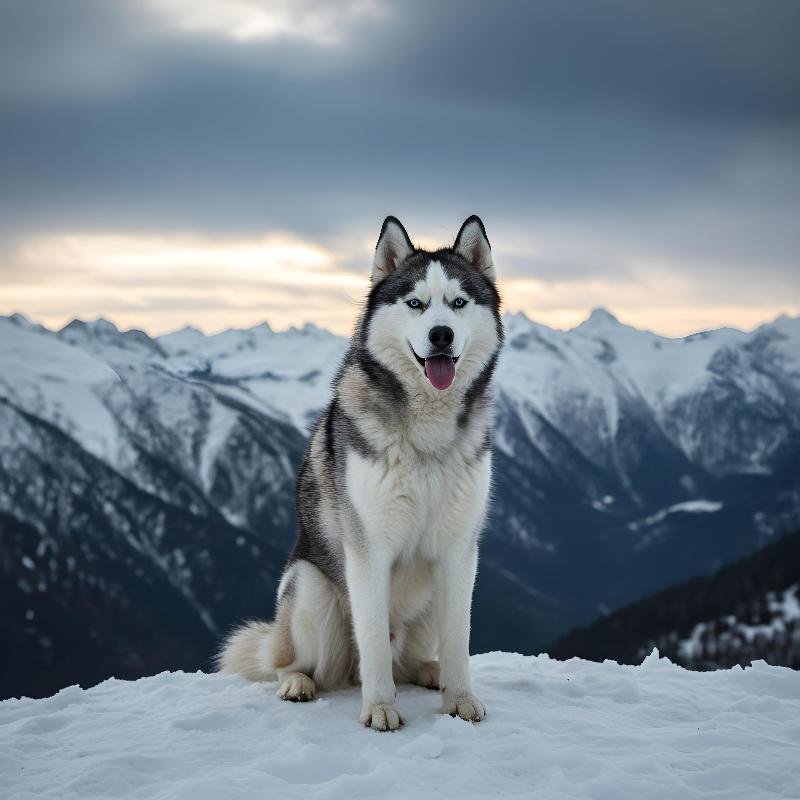
Siberian Husky
Last Updated:
The Siberian Husky dog breed is a striking, energetic, and intelligent dog known for its blue eyes and thick double coat. Popular among dog lovers in India, Huskies are friendly, social, and highly active. However, they require cold environments, intense exercise, and experienced handling, making them best suited for cooler regions and active owners.
Height
51 - 60 cm
Intelligence
High
Lifespan
12 to 15 years
Weight
16 - 27 Kg
Temperament
About
The Siberian Husky is a medium-sized working dog known for its striking appearance, blue or brown eyes, thick double coat, endurance, and energetic personality. Originally developed by the Chukchi people of Siberia as a sled dog, the Siberian Husky was bred to travel long distances while pulling loads in cold climates.
Siberian Huskies are known for being friendly, energetic, intelligent, independent, playful, social, and adventurous. They are highly active dogs that thrive when they receive plenty of physical exercise, mental stimulation, and companionship.
Because Siberian Huskies were developed for cold environments, owners in warmer regions such as India need to take special care with heat management. They are not a low-maintenance breed when it comes to exercise, training, grooming, or climate control.
Siberian Husky Appearance
Siberian Huskies have an athletic, balanced build designed for endurance rather than heavy strength. Their thick double coat, erect ears, bushy tail, and distinctive facial markings contribute to their recognizable appearance.
Common physical characteristics include:
- Medium-sized athletic body
- Well-proportioned build
- Erect triangular ears
- Almond-shaped eyes
- Long, straight muzzle
- Thick double coat
- Plumed, bushy tail
- Strong legs and compact paws
- Distinctive facial masks and markings
Siberian Huskies can have blue, brown, amber, or partially colored eyes, and some individuals may have different-colored eyes. Their coat can occur in several colors and patterns, including black and white, gray and white, red and white, sable, and agouti.
Siberian Husky Temperament
The Siberian Husky temperament is generally friendly, energetic, outgoing, playful, and independent. They tend to enjoy social interaction and often form strong bonds with their families.
Huskies are also known for their independent thinking and adventurous nature. Their intelligence does not always translate into obedience, and they may choose to follow their own interests when distracted.
Are Siberian Huskies Good Family Dogs?
Yes, Siberian Huskies can be excellent family companions for active households. They are generally social, playful, and affectionate and often enjoy participating in family activities.
However, their high energy level, exercise requirements, vocal nature, and tendency to escape mean they require more management than many companion breeds.
Are Siberian Huskies Good with Children?
Siberian Huskies can be good with children when properly socialized and trained. Their playful nature can make them enjoyable companions for active families.
Young children should always be supervised around dogs, and children should be taught to interact respectfully with the dog.
Siberian Husky Intelligence and Training
Siberian Huskies are intelligent dogs, but they can also be independent and easily distracted. Their working background means they often have strong instincts and may not always respond immediately to commands.
Training should include:
- Basic obedience
- Leash training
- Reliable recall
- Impulse control
- House training
- Early socialization
- Escape-prevention training
- Handling and grooming practice
Positive reinforcement, consistency, patience, and short engaging sessions generally work best. Huskies should not be allowed to roam freely because of their strong exploratory instincts.
Siberian Husky Exercise Requirements
Siberian Huskies are highly energetic working dogs and require substantial daily physical activity and mental stimulation. They are not well suited to a sedentary lifestyle.
Suitable activities include:
- Long walks
- Hiking
- Running in suitable conditions
- Interactive games
- Obedience training
- Scent games
- Agility
- Structured outdoor activities
Exercise should always be adjusted according to age, health, fitness, and weather. In India's hot climate, strenuous activity should be avoided during warm periods.
Can Siberian Huskies Live in Apartments?
Siberian Huskies can live in apartments in some situations, but their high exercise and stimulation requirements make them challenging for owners with limited time.
An apartment-based Husky needs significant daily exercise, mental enrichment, companionship, and a secure environment. Without sufficient activity, boredom can lead to destructive behavior, excessive vocalization, or escape attempts.
Siberian Husky Grooming Requirements
Siberian Huskies have a thick double coat that requires regular brushing. Their coat is designed to protect them from extreme temperatures and naturally sheds seasonally.
Basic grooming should include:
- Brushing several times a week
- More frequent brushing during shedding seasons
- Bathing when necessary
- Regular nail trimming
- Routine ear checks
- Regular dental care
- Skin and coat checks
Regular brushing helps remove loose undercoat and reduce excessive hair around the home.
Do Siberian Huskies Shed a Lot?
Yes, Siberian Huskies are heavy seasonal shedders. They can shed significant amounts of undercoat during seasonal coat changes.
Regular brushing is particularly important during these periods to remove loose hair and keep the coat manageable.
Are Siberian Huskies Hypoallergenic?
No, Siberian Huskies are not considered hypoallergenic. Their substantial shedding can spread dander and allergens throughout the home.
Siberian Husky Health
Siberian Huskies are generally active and resilient dogs, but like all breeds they can be susceptible to certain health conditions.
Potential health concerns include hip dysplasia, hereditary eye disorders, cataracts, progressive retinal atrophy, corneal dystrophy, and certain skin conditions.
Responsible breeding, appropriate health screening, regular veterinary examinations, a healthy weight, and proper nutrition can help support long-term health.
Are Siberian Huskies Prone to Eye Problems?
Yes, Siberian Huskies can be predisposed to certain inherited eye conditions. Regular eye examinations are particularly important for breeding dogs and can help identify problems early.
Cloudiness, redness, squinting, discharge, changes in vision, or unusual eye appearance should be evaluated by a veterinarian.
Are Siberian Huskies Prone to Hip Dysplasia?
Hip dysplasia can occur in Siberian Huskies, although the breed is generally considered less predisposed than some other large breeds. Maintaining a healthy weight, providing appropriate exercise, and choosing puppies from health-tested parents can support joint health.
What Should You Feed a Siberian Husky?
A Siberian Husky should receive a complete and balanced diet appropriate for its age, size, activity level, and health.
Portion control is important because individual Huskies can vary significantly in appetite and energy requirements. Fresh drinking water should always be available.
Can Siberian Huskies Become Overweight?
Yes, Siberian Huskies can gain excess weight if calorie intake consistently exceeds their energy needs. Maintaining an appropriate body condition is important for protecting their joints and overall health.
Measured meals, controlled treats, regular exercise, and monitoring body condition can help maintain a healthy weight.
Siberian Husky Socialization
Early socialization helps Siberian Huskies become comfortable around different people, dogs, environments, sounds, and situations.
Positive experiences during puppyhood can help develop confidence and make everyday experiences such as veterinary visits, travel, grooming, and meeting unfamiliar people easier.
Are Siberian Huskies Good with Other Dogs?
Yes, Siberian Huskies are generally social dogs and can get along well with other dogs when properly socialized.
However, their individual temperament and prey drive vary, so interactions with smaller animals should be carefully managed.
Are Siberian Huskies Good with Cats?
Siberian Huskies can live with cats in some households when properly socialized and introduced, but their prey drive can make interactions with smaller animals more challenging.
Introductions should be gradual and supervised, and the cat should always have safe areas where the dog cannot access it.
Are Siberian Huskies Affectionate?
Yes, Siberian Huskies are generally affectionate and enjoy spending time with their families. They often prefer being involved in household activities rather than being isolated.
They can be friendly with strangers as well, which is one reason they are not typically considered dedicated guard dogs.
Are Siberian Huskies Good Guard Dogs?
Siberian Huskies are generally not considered ideal guard dogs. They tend to be friendly and social with people and may not have the naturally suspicious temperament expected of a traditional protection breed.
Do Siberian Huskies Bark a Lot?
Siberian Huskies are often more known for howling, whining, and vocalizing than for traditional barking. They can be quite vocal when excited, bored, seeking attention, or communicating with their owners.
Regular exercise, mental stimulation, companionship, and positive training can help manage excessive vocalization.
Are Siberian Huskies Aggressive?
Siberian Huskies are generally friendly and social and are not considered an inherently aggressive breed. Individual behavior depends on genetics, socialization, training, environment, and experiences.
Early socialization and responsible training help develop a confident and well-mannered dog.
Are Siberian Huskies Good for First-Time Dog Owners?
Siberian Huskies can be challenging for first-time owners because of their high exercise requirements, independence, vocal behavior, heavy shedding, and tendency to escape.
They are best suited to owners who have the time and commitment to provide substantial daily exercise, training, enrichment, and companionship.
Do Siberian Huskies Need a Lot of Attention?
Yes, Siberian Huskies are social and active dogs that benefit from regular companionship. They need physical exercise, mental stimulation, training, and opportunities to interact with their family.
Long periods of boredom can contribute to digging, chewing, howling, escaping, and other unwanted behaviors.
Can Siberian Huskies Be Left Alone?
Siberian Huskies can learn to spend reasonable periods alone, but they generally do not thrive when isolated for long periods. They need adequate exercise and enrichment before and after alone time.
Gradual independence training, puzzle toys, safe chew toys, and a secure environment can help reduce boredom.
Why Do Siberian Huskies Try to Escape?
Siberian Huskies are naturally curious, energetic, and independent. Their history as sled dogs and their strong desire to explore can contribute to escape behavior.
Secure fencing, supervised outdoor activity, leash training, identification, and adequate daily exercise are important for keeping them safe.
How Long Do Siberian Huskies Live?
Siberian Huskies commonly live around 12 to 14 years, although individual lifespan varies depending on genetics, responsible breeding, nutrition, healthy weight, preventive veterinary care, and overall health.
Siberian Husky Price in India
The Siberian Husky price in India varies depending on pedigree, breeder reputation, bloodline, coat and eye characteristics, health screening, age, location, and availability.
As a general estimate, a Siberian Husky puppy in India may cost approximately ₹30,000 to ₹80,000 or more.
Puppies from responsible breeders with documented pedigrees, appropriate health screening, and proper veterinary care may cost more.
Prospective owners should consider vaccination records, parental health, eye screening, living conditions, responsible breeding practices, and the puppy's overall health rather than choosing a puppy based solely on appearance or price.
Siberian Husky Monthly Maintenance Cost in India
The estimated Siberian Husky monthly maintenance cost in India can range from approximately ₹5,000 to ₹10,000 or more, depending on food, veterinary care, grooming, parasite prevention, training, treats, toys, and lifestyle.
Regular expenses may include:
- Quality dog food
- Routine veterinary care
- Vaccinations
- Deworming
- Tick and flea prevention
- Professional grooming
- Dental care
- Training
- Toys and enrichment
Veterinary expenses can be higher if the dog develops orthopedic, eye, skin, or other health problems.
Can Siberian Huskies Live in India's Climate?
Siberian Huskies can live in India, but India's hot climate presents a significant management challenge for this cold-weather breed. Their thick double coat and high activity level can increase the risk of overheating.
They should have access to a cool indoor environment, fresh water, shade, and good ventilation. Exercise should preferably take place during cooler morning or evening hours.
Strenuous exercise should be avoided during extreme heat and humidity.
Do Siberian Huskies Need Air Conditioning in India?
In many parts of India, air conditioning can be very helpful for Siberian Huskies during the hottest summer periods. Maintaining a cool indoor environment can reduce heat stress.
Fresh water, shade, ventilation, and appropriate exercise timing remain important even when air conditioning is available.
Should You Shave a Siberian Husky in Summer?
Siberian Huskies generally should not be shaved simply because the weather is hot. Their double coat provides insulation and helps protect the skin from environmental exposure.
Regular brushing to remove loose undercoat, combined with appropriate cooling and heat management, is generally preferable to shaving the coat.
Are Siberian Huskies High-Maintenance?
Siberian Huskies are relatively manageable in basic grooming outside shedding seasons, but they are considered demanding in terms of exercise, mental stimulation, companionship, training, and climate management.
Their heavy seasonal shedding and tendency to escape also require additional commitment from owners.
Are Siberian Huskies Good for Active Families?
Yes, Siberian Huskies can be excellent companions for active families that can provide substantial daily exercise and mental stimulation.
They often enjoy hiking, running in suitable weather, long walks, interactive games, and other activities that allow them to use their energy.
Are Siberian Huskies Good for Indian Families?
Siberian Huskies can be suitable for experienced Indian families that can provide enough exercise, companionship, grooming, and reliable climate control.
Families living in particularly hot regions should carefully consider whether they can maintain a sufficiently cool environment throughout the hottest parts of the year.
Final Thoughts
The Siberian Husky is an energetic, intelligent, friendly, independent, and striking working breed. Its playful personality and social nature can make it a wonderful companion for active families, but it requires significantly more exercise and stimulation than many companion breeds.
For prospective owners in India, it is important to consider both the Siberian Husky price in India and the ongoing costs associated with quality nutrition, grooming, veterinary care, exercise, training, and especially climate management.
With responsible breeding, early socialization, consistent positive training, adequate daily exercise, appropriate nutrition, regular grooming, and careful protection from India's heat, a Siberian Husky can be a happy and rewarding companion.
Care Requirements
Compatibility
Available Colors
Health Considerations
- Progressive Retinal Atrophy
- Cataract
- Hip dysplasia
- Hypothyroidism
- Degenerative Myelopathy
- Ectopic ureter
Fun Facts
- They are super runners; they can run for days, over 100 miles a day, without consuming much food.
- In 1925, a team of Huskies (including Balto and Togo) made a treacherous 600-mile, multi-day journey to deliver life-saving diphtheria antitoxin to Nome, Alaska.
- They are known as the "Houdinis" of the dog world because of their mischevious and clever nature.
Frequently Asked Questions
Common questions about the Siberian Husky breed.
What is a Siberian Husky?
The Siberian Husky is a medium-sized working dog originally developed as a sled dog in northeastern Asia. It is known for its thick double coat, almond-shaped eyes, endurance, friendly temperament, and high energy level.
How much does a Siberian Husky cost in India?
The Siberian Husky price in India varies depending on pedigree, breeder reputation, bloodline, health screening, age, location, and availability. A puppy may typically cost around ₹30,000 to ₹80,000 or more.
Are Siberian Huskies good family dogs?
Yes, Siberian Huskies can make excellent family dogs, especially for active households. They are generally friendly, social, playful, and enjoy spending time with people and other dogs.
Are Siberian Huskies good with children?
Siberian Huskies are generally friendly with children and can make playful family companions. Children should still be supervised around dogs and taught how to interact with them respectfully.
Are Siberian Huskies good with other dogs?
Yes, Siberian Huskies are generally social and tend to get along well with other dogs when properly socialized. Individual temperament can vary, so introductions should still be gradual and supervised.
Are Siberian Huskies affectionate?
Yes, Siberian Huskies are generally affectionate and social with their families. They often enjoy being involved in household activities and spending time with their owners.
Are Siberian Huskies intelligent?
Yes, Siberian Huskies are intelligent and capable working dogs. However, they are also independent and curious, which can make them less consistently obedient than some breeds.
Are Siberian Huskies easy to train?
Siberian Huskies can be trained successfully with patience, consistency, and positive reinforcement. Their independent nature means training should be engaging and rewarding rather than repetitive or harsh.
When should Siberian Husky training start?
Training and socialization should begin during puppyhood. Early exposure to people, dogs, environments, sounds, handling, and basic obedience helps develop a confident and well-mannered adult Husky.
How much exercise does a Siberian Husky need?
Siberian Huskies are highly active working dogs that need substantial daily physical exercise and mental stimulation. Long walks, hiking, running in suitable weather, structured play, agility, and obedience activities can help meet their needs.
Can Siberian Huskies live in apartments?
Siberian Huskies can adapt to apartment living if their substantial exercise and mental stimulation needs are consistently met. They can be challenging in apartments if they do not receive enough daily activity.
Do Siberian Huskies shed a lot?
Yes, Siberian Huskies are heavy seasonal shedders. Their dense undercoat is shed heavily during seasonal coat changes, so regular brushing is important.
How often should a Siberian Husky be groomed?
Weekly brushing is generally recommended to keep the coat and skin healthy. During heavy shedding periods, more frequent brushing may be necessary to remove the loose undercoat.
Do Siberian Huskies need professional grooming?
Siberian Huskies generally do not require frequent professional grooming. Their naturally clean double coat can usually be maintained with regular brushing, occasional bathing, nail trimming, and routine ear and dental care.
Should you shave a Siberian Husky in summer?
Siberian Huskies generally should not be shaved simply because of hot weather. Their double coat provides insulation and protects the skin. Regular brushing and appropriate cooling are preferable to shaving.
Are Siberian Huskies hypoallergenic?
No, Siberian Huskies are not considered hypoallergenic. Their heavy shedding can spread dander and other allergens around the home.
Are Siberian Huskies prone to eye problems?
Yes, Siberian Huskies can be predisposed to certain inherited eye conditions. Responsible breeders should screen breeding dogs, and any changes such as cloudiness, redness, squinting, discharge, or vision problems should be evaluated by a veterinarian.
Are Siberian Huskies prone to hip dysplasia?
Hip dysplasia can occur in Siberian Huskies. Maintaining a healthy weight, providing appropriate exercise, and choosing puppies from health-tested parents can help support joint health.
What health tests should a Siberian Husky breeder provide?
Recommended health evaluations for breeding Siberian Huskies include hip evaluation, ophthalmologist evaluation, and relevant genetic testing such as screening for Siberian Husky Shaking Puppy Syndrome Type 1 and Siberian Husky Polyneuropathy Type 1.
What health problems do Siberian Huskies have?
Siberian Huskies are generally considered a healthy breed, but they can be affected by certain eye disorders, hip dysplasia, cancer, arthritis, and some inherited neurological conditions. Responsible breeding and regular veterinary care are important.
Can Siberian Huskies become overweight?
Yes, Siberian Huskies can gain excess weight if their calorie intake exceeds their energy needs. Maintaining an appropriate body condition is important for protecting their joints and overall health.
What should I feed a Siberian Husky?
A Siberian Husky should receive a complete and balanced diet appropriate for its age, activity level, and health. Working Huskies may have different nutritional requirements depending on their workload. Portion sizes should be adjusted to maintain a healthy body condition.
Are Siberian Huskies good guard dogs?
No, Siberian Huskies are generally not considered good guard dogs. They tend to be friendly and welcoming toward strangers and do not typically have the possessive or suspicious temperament associated with protection breeds.
Do Siberian Huskies bark a lot?
Siberian Huskies can be highly vocal, although they are often known for howling, whining, and other vocalizations rather than constant barking. Boredom, excitement, loneliness, and attention-seeking can increase vocal behavior.
Why do Siberian Huskies howl?
Howling is a natural form of communication for Siberian Huskies. They may howl in response to sounds, excitement, loneliness, attention-seeking, or interaction with other dogs.
Are Siberian Huskies aggressive?
Siberian Huskies are generally friendly and gentle and are not considered an inherently aggressive breed. Proper socialization, training, responsible breeding, and appropriate handling help encourage stable behavior.
Are Siberian Huskies good for first-time dog owners?
Siberian Huskies can be challenging for first-time owners because of their high exercise requirements, independence, heavy shedding, vocal behavior, and strong desire to run. They are best suited to owners prepared for an active lifestyle.
Do Siberian Huskies need a lot of attention?
Yes, Siberian Huskies are highly social and active dogs that benefit from regular companionship, exercise, training, and mental stimulation. They generally do not thrive when isolated for long periods.
Can Siberian Huskies be left alone?
Siberian Huskies should not routinely be left alone all day. They are social dogs that need companionship and activity, and prolonged boredom can contribute to howling, digging, chewing, destructive behavior, or escape attempts.
Why do Siberian Huskies try to escape?
Siberian Huskies have a strong instinct to run and explore. Their curiosity, energy, and working history can make them effective escape artists. Secure fencing, leash use, supervision, and adequate exercise are essential.
Can Siberian Huskies be off-leash?
Siberian Huskies should generally be kept on a leash, harness, or inside a securely fenced area. Their strong desire to run and explore means they may ignore recall when distracted.
Are Siberian Huskies good with cats?
Some Siberian Huskies can live successfully with cats, especially when raised and socialized with them. However, their prey drive can make interactions with smaller animals unpredictable, so introductions should be gradual and supervised.
Can Siberian Huskies live in India's climate?
Siberian Huskies can live in India with careful management, but India's hot and humid climate can pose significant heat-related challenges for this cold-climate breed. They need a cool environment, fresh water, shade, ventilation, and carefully timed exercise.
Do Siberian Huskies need air conditioning in India?
Air conditioning can be very helpful for Siberian Huskies during India's hottest summer periods, especially in areas with extreme temperatures. A cool indoor environment, fresh water, shade, and appropriate exercise timing are also important.
Are Siberian Huskies prone to heatstroke?
Siberian Huskies can overheat in hot and humid conditions despite having a double coat. They should be protected from extreme heat and strenuous exercise during warm periods, and signs of heat stress require prompt attention.
Can Siberian Huskies swim?
Many Siberian Huskies can learn to swim, but swimming ability varies between individuals. They should always be supervised around pools and other bodies of water.
Are Siberian Huskies high-maintenance?
Siberian Huskies have relatively manageable bathing needs, but they are demanding in terms of exercise, mental stimulation, companionship, shedding, training, and secure outdoor management.
Are Siberian Huskies good indoor dogs?
Siberian Huskies can live indoors and generally benefit from being part of the family. However, indoor living must be combined with substantial daily exercise and mental stimulation.
Are Siberian Huskies good for active families?
Yes, Siberian Huskies can be excellent companions for active families. They enjoy activities such as hiking, long walks, running in suitable weather, agility, obedience, and other forms of structured exercise.
Are Siberian Huskies good for Indian families?
Siberian Huskies can be suitable for experienced Indian families that can provide substantial exercise, companionship, grooming, secure housing, and reliable climate management during hot weather.
How long do Siberian Huskies live?
Siberian Huskies commonly live around 12 to 14 years. Individual lifespan varies depending on genetics, responsible breeding, nutrition, healthy weight, preventive veterinary care, and overall health.
What is the monthly maintenance cost of a Siberian Husky in India?
The estimated Siberian Husky monthly maintenance cost in India can range from approximately ₹5,000 to ₹10,000 or more, depending on food, veterinary care, grooming, parasite prevention, training, treats, toys, and lifestyle.
Are Siberian Huskies good for senior citizens?
Siberian Huskies are generally better suited to active owners who can meet their substantial exercise and companionship needs. They may not be the best choice for someone looking for a low-energy companion.
What colors do Siberian Huskies come in?
Siberian Huskies can have several recognized coat colors, including black and white, gray and white, red and white, sable and white, agouti and white, brown and white, and white.
Can Siberian Huskies live in hot weather?
Siberian Huskies can cope with warm conditions when carefully managed, but extreme heat and humidity can be dangerous. They should have access to a cool environment, fresh water, shade, and appropriately timed exercise.
What kind of owner is best for a Siberian Husky?
A Siberian Husky is best suited to an active owner or family that can provide substantial daily exercise, mental stimulation, companionship, positive training, regular grooming, secure fencing, and careful protection from extreme heat.