
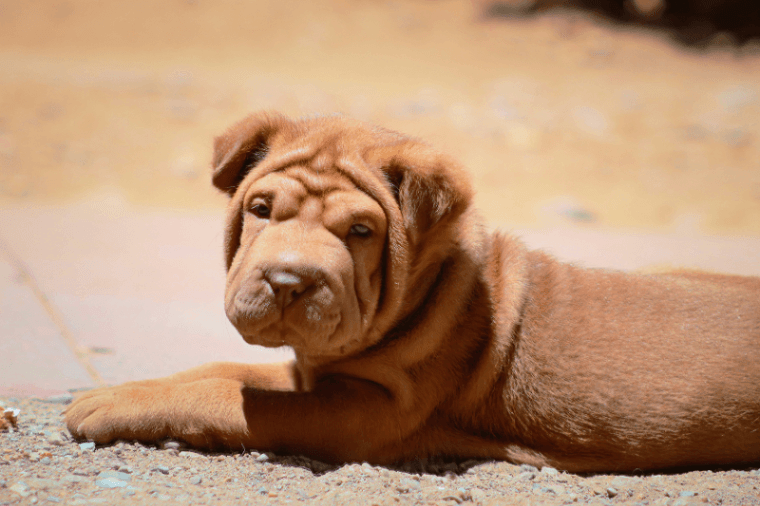
Shar-Pei
Last Updated:
The Shar-Pei is a loyal, calm, and distinctive dog breed known for its deep wrinkles, blue-black tongue, and protective nature. Originally bred in China as a guard and working dog, Shar-Peis are independent yet affectionate companions that thrive in calm and confident homes.
Height
18 - 20 Inches
Intelligence
High
Lifespan
8 - 12 Years
Weight
18 - 30 Kg
Temperament
About
The Shar-Pei is a unique and ancient dog breed from China, best known for its loose, wrinkled skin, broad “hippopotamus” muzzle, small ears, and distinctive blue-black tongue. Originally bred as a versatile working dog for guarding, hunting, and protecting farms, the Shar-Pei is now valued as a loyal, independent, and protective family companion.
With its calm personality, muscular build, and unmistakable appearance, the Shar-Pei is one of the most recognizable dog breeds in the world. However, its independent temperament and specific skin-care requirements mean that prospective owners should understand the breed's needs before bringing one home.
Shar-Pei Appearance
The Shar-Pei has a compact, muscular, and powerful body with a short, harsh coat. Its most distinctive feature is its loose, wrinkled skin, particularly around the head, face, neck, and shoulders.
Shar-Pei puppies typically have much more prominent wrinkles covering their bodies. As they mature, some of these wrinkles become less pronounced, although adult dogs generally retain characteristic folds around the head and shoulders.
Key physical characteristics include:
- Compact and muscular body
- Broad, distinctive muzzle
- Small triangular ears
- Deep-set eyes
- Blue-black tongue
- Loose skin and facial wrinkles
- Short, bristly coat
- Tapered tail carried over the back
Shar-Pei Coat Colors
Shar-Peis are available in several solid colors, including:
- Cream
- Fawn
- Red
- Black
- Chocolate
- Blue
Their short coat makes routine brushing relatively simple, but their skin folds require more attention than the coat itself.
Shar-Pei Temperament and Personality
The Shar-Pei temperament is typically calm, confident, independent, and loyal. They often develop strong bonds with their families and can be naturally protective of their home and loved ones.
Shar-Peis are generally reserved around unfamiliar people. They may observe strangers carefully before becoming comfortable with them, which is partly related to their history as guard and farm dogs.
Their personality can be described as:
- Loyal and devoted
- Calm and dignified
- Independent
- Intelligent
- Protective
- Reserved with strangers
- Confident
- Moderately playful
Because they are naturally independent, Shar-Peis may not always seek constant attention. They often enjoy spending time near their owners while maintaining some personal space.
Are Shar-Peis Good Family Dogs?
Yes, Shar-Peis can make good family dogs when properly socialized and trained from an early age. They can form strong relationships with their owners and become devoted household companions.
However, their naturally protective and reserved temperament means that early exposure to people, animals, environments, and everyday situations is important.
Families should establish consistent rules and use positive reinforcement to encourage good behavior.
Are Shar-Peis Good With Children?
Shar-Peis can live successfully with children when properly socialized and supervised. Their calm nature can make them suitable family companions, but they may not tolerate rough handling or being disturbed while eating or resting.
Children should be taught to:
- Handle the dog gently
- Avoid pulling its wrinkles, ears, or tail
- Give the dog space while eating
- Avoid disturbing it while sleeping
- Respect its body language
Young children should always be supervised around dogs.
Are Shar-Peis Good With Other Dogs and Pets?
Shar-Peis can live with other dogs when appropriately socialized and introduced gradually. However, individual temperament varies, and some Shar-Peis may be reserved or less tolerant of unfamiliar dogs.
Early socialization can help them become more comfortable around other animals.
If living with cats or smaller pets, introductions should be gradual and supervised because individual dogs may have different levels of prey drive.
Shar-Pei Training
The Shar-Pei is an intelligent but independent dog, which can make training both rewarding and challenging.
They generally respond best to:
- Positive reinforcement
- Short training sessions
- Consistent commands
- Food or toy rewards
- Early socialization
- Clear household boundaries
Harsh training methods should be avoided. Building trust and keeping training sessions engaging can encourage better cooperation.
When Should Shar-Pei Training Start?
Training and socialization should begin during puppyhood. Early exposure to different people, sounds, environments, handling, and well-socialized dogs can help develop a confident adult Shar-Pei.
Shar-Pei Exercise Requirements
Shar-Peis generally have moderate exercise needs. They do not usually require extremely intense physical activity but should receive daily exercise to support their physical and mental wellbeing.
Suitable activities include:
- Daily walks
- Short play sessions
- Training exercises
- Interactive toys
- Mental stimulation
- Supervised outdoor activities
Exercise should be adjusted according to the dog's age, health, weather, and individual fitness level.
Are Shar-Peis Good for Apartment Living?
Yes. A Shar-Pei can live in an apartment if its daily exercise and mental stimulation requirements are met.
They are generally calmer indoors than highly energetic breeds, but apartment owners should still provide regular walks, playtime, training, and enrichment.
Because they can be protective and reserved with strangers, proper socialization is especially important in apartment buildings with frequent visitors and shared spaces.
Shar-Pei Grooming
Shar-Peis have a short coat that is relatively easy to maintain. Regular brushing can help remove loose hair and keep the coat clean.
However, Shar-Pei skin-fold care is particularly important.
Owners should regularly inspect the folds for:
- Moisture
- Dirt
- Redness
- Unusual odor
- Irritation
- Discharge
Skin folds should be kept clean and dry. If persistent redness, itching, odor, sores, or discomfort develops, veterinary advice should be sought.
How Often Should a Shar-Pei Be Groomed?
Routine brushing can generally be done weekly, while bathing can be performed when necessary. The exact grooming schedule depends on the individual dog's coat, skin condition, lifestyle, and veterinary or grooming recommendations.
Do Shar-Peis Shed?
Shar-Peis generally have a short coat and are not considered heavy shedders. Regular brushing can help remove loose hair and reduce hair around the home.
Seasonal changes may result in increased shedding.
Are Shar-Peis Hypoallergenic?
No dog breed is completely hypoallergenic. Shar-Peis can still produce allergens through dander, saliva, and skin particles.
People with allergies should spend time around the breed before deciding to adopt or purchase one.
Shar-Pei Health
Like all dog breeds, Shar-Peis can be susceptible to certain health conditions. Their distinctive skin folds and physical characteristics mean that regular veterinary care and careful observation are particularly important.
Potential concerns can include:
- Skin irritation and infections
- Ear problems
- Eye conditions
- Joint problems
- Allergies
- Weight-related issues
Not every Shar-Pei will develop these problems, and responsible breeding, appropriate nutrition, hygiene, exercise, and preventive veterinary care can support better long-term health.
Shar-Pei Skin Care
Skin care is one of the most important parts of owning a Shar-Pei.
Regularly inspect the skin folds, particularly around the face and neck. Keeping folds clean and dry can help reduce irritation caused by trapped moisture and debris.
Contact a veterinarian if you notice:
- Persistent itching
- Redness
- Swelling
- Bad odor
- Hair loss
- Open sores
- Discharge
- Signs of pain
Avoid using human skincare products or medications unless specifically recommended by a veterinarian.
Shar-Pei Diet and Nutrition
A balanced diet for a Shar-Pei should provide appropriate levels of protein, fats, carbohydrates, vitamins, and minerals based on the dog's age, activity level, and health.
Puppies, adults, and senior dogs have different nutritional requirements.
Portion control is important because excessive weight can place additional stress on the joints and affect overall health.
Fresh, clean drinking water should always be available.
Are Shar-Peis Prone to Obesity?
Shar-Peis can gain excess weight if they consume more calories than they use. Maintaining a healthy body condition is important for supporting mobility and overall wellbeing.
Owners should combine:
- Appropriate portions
- Balanced nutrition
- Daily exercise
- Regular weight monitoring
with routine veterinary checkups.
Do Shar-Peis Bark a Lot?
Shar-Peis are not necessarily excessive barkers, but they can be vocal when they notice unfamiliar people, animals, sounds, or activity around their territory.
Because of their protective nature, early socialization and training can help prevent unnecessary barking.
Are Shar-Peis Aggressive?
Shar-Peis are generally protective and reserved rather than naturally aggressive. Their response to unfamiliar people and animals can vary depending on genetics, socialization, training, environment, and individual temperament.
Responsible ownership includes early socialization, appropriate training, and careful management around unfamiliar people and dogs.
Are Shar-Peis Good for First-Time Dog Owners?
A Shar-Pei may be challenging for some first-time owners because of its independent personality, protective instincts, and specific skin-care requirements.
They are generally better suited to owners who understand the importance of:
- Consistent training
- Early socialization
- Skin-fold care
- Regular veterinary checkups
- Daily exercise
- Responsible handling
Can Shar-Peis Be Left Alone?
Shar-Peis can generally tolerate reasonable periods alone, but they still need companionship, exercise, and mental stimulation.
Long periods of isolation can contribute to boredom or unwanted behaviors. Providing appropriate toys, a comfortable environment, and sufficient exercise can help.
Shar-Pei Lifespan
The Shar-Pei lifespan is generally around 8 to 12 years, although individual dogs can live longer depending on genetics, healthcare, nutrition, lifestyle, and overall wellbeing.
Regular veterinary checkups and preventive healthcare can help identify health concerns early.
Shar-Pei Size
The Shar-Pei is a medium-sized, compact dog with a strong and muscular build.
Adult size can vary based on genetics, sex, and individual development. Maintaining an appropriate body condition is more important than focusing solely on weight.
Shar-Pei Price in India
The Shar-Pei price in India can vary significantly depending on factors such as pedigree, breeder reputation, location, age, health screening, and availability.
A Shar-Pei puppy may typically cost around ₹30,000 to ₹80,000 or more.
Prospective owners should prioritize responsible breeding, health records, vaccination status, and proper socialization rather than choosing a puppy based solely on price.
Shar-Pei Monthly Maintenance Cost in India
The monthly cost of caring for a Shar-Pei can include:
- Quality dog food
- Grooming supplies
- Skin-care products
- Parasite prevention
- Toys and enrichment
- Routine veterinary care
- Vaccinations and preventive healthcare
The total cost can vary depending on the dog's diet, health, grooming requirements, location, and lifestyle.
Is a Shar-Pei Suitable for the Indian Climate?
Shar-Peis can live in India, but hot and humid weather requires careful management.
Owners should provide:
- Plenty of fresh water
- A cool indoor environment
- Good ventilation
- Shade
- Exercise during cooler hours
- Protection from prolonged heat exposure
During particularly hot weather, avoid strenuous exercise during the hottest part of the day.
Do Shar-Peis Need Air Conditioning in India?
Air conditioning can be helpful during periods of extreme heat, particularly in hot and humid parts of India. However, the most important requirement is ensuring the dog has access to a cool, comfortable, well-ventilated environment and plenty of fresh water.
Is a Shar-Pei a High-Maintenance Dog?
The Shar-Pei's short coat makes basic grooming relatively easy, but skin-fold care can require additional attention.
Overall maintenance includes:
- Regular skin inspections
- Weekly brushing
- Appropriate bathing
- Ear and dental care
- Nail trimming
- Daily exercise
- Balanced nutrition
- Preventive veterinary care
Are Shar-Peis Good for Indian Families?
Yes, Shar-Peis can be suitable for Indian families that understand the breed's independent personality and care requirements. They can become loyal and protective companions when provided with proper socialization, training, exercise, nutrition, grooming, and veterinary care.
Conclusion
The Shar-Pei is a distinctive Chinese dog breed known for its wrinkles, broad muzzle, blue-black tongue, calm temperament, and strong loyalty to its family. While their appearance makes them instantly recognizable, their independent personality and protective instincts require thoughtful training and early socialization.
With proper Shar-Pei grooming, skin-fold care, nutrition, exercise, training, and veterinary attention, this unique breed can become a devoted and rewarding family companion.
If you're considering bringing a Shar-Pei home, understanding its temperament, health needs, grooming requirements, exercise needs, and suitability for the Indian climate can help you make a responsible and informed decision.
Care Requirements
Compatibility
Available Colors
Health Considerations
- Skin Fold Infections
- Entropion
- Hip Dysplasia
- Ear Infections
- Familial Shar-Pei Fever (FSF)
Fun Facts
- In the 1960s and 1970s, the Shar-Pei was listed in the Guinness Book of World Records as the world's rarest dog breed.
- Along with the Chow Chow, the Shar-Pei is one of a few dog breeds with a solid blue-black or purplish tongue, which is caused by extra pigmentation.
Frequently Asked Questions
Common questions about the Shar-Pei breed.
What is a Shar-Pei?
The Shar-Pei, also known as the Chinese Shar-Pei, is a medium-sized dog breed from China known for its loose, wrinkled skin, broad muzzle, short harsh coat, and blue-black tongue. It is intelligent, independent, loyal, and naturally protective of its family.
What is the price of a Shar-Pei in India?
A Shar-Pei puppy in India can typically cost around ₹40,000 to ₹1,00,000 or more, depending on the breeder, pedigree, location, health screening, and lineage. Responsible breeding and proper health testing are important considerations.
Is Shar-Pei a good family dog?
Yes, a well-socialized Shar-Pei can be a loyal and protective family companion. They tend to form strong bonds with their family but may be reserved around strangers and are generally more independent than highly social breeds.
Are Shar-Pei good with children?
Shar-Pei can live well with children when properly socialized and trained. Because they can be reserved and independent, children should be taught to interact respectfully with the dog, and younger children should always be supervised.
Are Shar-Pei good with other dogs?
Shar-Pei can be selective or reserved around unfamiliar dogs. Early socialization and controlled introductions are important, particularly because the breed can have a strong and confident personality.
Are Shar-Pei good with cats?
Some Shar-Pei can live successfully with cats and other household pets, especially when raised with them. Early socialization and gradual introductions are recommended because individual temperament and prey drive can vary.
Are Shar-Pei affectionate?
Shar-Pei are generally affectionate and deeply devoted to their families, although they may not be as openly demonstrative as some companion breeds. They often show affection through loyalty and staying close to their preferred people.
Are Shar-Pei intelligent?
Yes, Shar-Pei are intelligent dogs. However, their independent and sometimes stubborn nature can make training more challenging than with highly eager-to-please breeds.
Are Shar-Pei easy to train?
Shar-Pei can be trained successfully with patience, consistency, positive reinforcement, and clear boundaries. Early obedience training and socialization are especially important because of their independent temperament.
Do Shar-Pei need a lot of exercise?
No, Shar-Pei generally have moderate exercise needs. Daily walks, light play, and mental stimulation are usually sufficient. They should not be pushed into excessive or strenuous exercise, particularly in hot weather.
Can Shar-Pei live in an apartment?
Yes, Shar-Pei can adapt to apartment living when they receive regular walks, appropriate mental stimulation, and enough interaction with their family. Their moderate exercise needs can make them suitable for many urban homes.
Do Shar-Pei need a garden?
A garden is not essential for a Shar-Pei. Regular walks and play sessions can provide adequate exercise, provided the dog has a safe and comfortable living environment.
Do Shar-Pei shed a lot?
Shar-Pei do shed, although their short coat does not usually require extensive grooming. Regular brushing can help remove loose hair and keep the coat clean.
Are Shar-Pei easy to groom?
The short coat of a Shar-Pei is relatively easy to maintain, but their skin folds require additional attention. Wrinkles should be checked regularly and kept clean and dry to reduce the risk of skin irritation and infection.
How often should a Shar-Pei be bathed?
Shar-Pei generally do not need frequent bathing. Bathing can be done when necessary, using a dog-safe shampoo, while making sure the skin folds are thoroughly dried afterward.
How do you care for Shar-Pei wrinkles?
Inspect the wrinkles regularly for redness, moisture, odor, irritation, or hair loss. Keep affected folds clean and dry, and consult a veterinarian if you notice signs of infection or persistent skin problems.
Are Shar-Pei hypoallergenic?
No. Shar-Pei are not considered a hypoallergenic breed. They shed and can produce allergens through their skin, saliva, and dander.
Are Shar-Pei healthy dogs?
Shar-Pei can be healthy companions, but the breed has several health concerns that owners should be aware of. Eye disorders, skin problems, and other breed-related conditions can occur, so regular veterinary care is important.
What health problems are common in Shar-Pei?
Shar-Pei can be prone to certain eye, skin, immune-mediated, musculoskeletal, respiratory, gastrointestinal, and cardiovascular conditions. Regular veterinary examinations can help identify problems early.
Do Shar-Pei have eye problems?
Yes, eye conditions can occur in Shar-Pei, including entropion and glaucoma. Regular eye examinations are important, especially if you notice squinting, excessive tearing, redness, cloudiness, or signs of discomfort.
Can Shar-Pei develop skin infections?
Yes. Their skin folds can trap moisture and debris, which may contribute to irritation or skin infections. Regular inspection and keeping the folds clean and dry can help reduce problems.
Do Shar-Pei have breathing problems?
Some Shar-Pei may experience respiratory difficulties, particularly those with excessive skin or facial features that affect airflow. Avoid strenuous exercise in hot weather and seek veterinary advice if breathing appears difficult.
Are Shar-Pei prone to allergies?
Some Shar-Pei can experience skin or food-related allergies. Persistent itching, redness, recurrent ear problems, or digestive symptoms should be evaluated by a veterinarian rather than treated based only on assumptions.
What should a Shar-Pei eat?
A Shar-Pei should receive a complete and balanced diet appropriate for its age, size, activity level, and individual health needs. If the dog has food sensitivities or allergies, a veterinarian can recommend an appropriate diet.
How much food does a Shar-Pei need?
The amount of food depends on the dog's age, weight, activity level, metabolism, and the calorie density of its food. Follow the food manufacturer's feeding guidance and adjust portions with veterinary advice to maintain a healthy body condition.
Do Shar-Pei gain weight easily?
Shar-Pei can gain excess weight if they are overfed or do not receive enough activity. Portion control, regular exercise, and monitoring body condition can help maintain a healthy weight.
Do Shar-Pei need supplements?
Healthy Shar-Pei do not automatically need supplements when fed a complete and balanced diet. Supplements should only be given when recommended by a veterinarian for a specific nutritional or health requirement.
Do Shar-Pei drink a lot of water?
Water intake varies according to diet, activity, temperature, and individual needs. Fresh, clean water should always be available, and a sudden increase or decrease in drinking should be discussed with a veterinarian.
Are Shar-Pei aggressive?
Shar-Pei are not inherently aggressive, but they can be protective, confident, reserved, and wary of unfamiliar people or dogs. Early socialization, responsible training, and appropriate management are important for developing good behavior.
Are Shar-Pei good watchdogs?
Yes. Shar-Pei are naturally alert and protective of their families and can make effective watchdogs. Their reserved attitude toward strangers can contribute to their guarding instincts.
Do Shar-Pei bark a lot?
Shar-Pei are not generally known as excessively vocal dogs. However, they may bark to alert their owners to unfamiliar people, animals, or unusual activity.
Can Shar-Pei be left alone?
Shar-Pei are independent, but they still need regular companionship and interaction. They should not routinely be left alone for very long periods, especially if they become bored or stressed.
Are Shar-Pei good for first-time dog owners?
Shar-Pei can be challenging for inexperienced owners because of their independent and sometimes stubborn temperament. First-time owners should be prepared to provide consistent training, early socialization, and appropriate veterinary and grooming care.
Do Shar-Pei need early socialization?
Yes. Early socialization is particularly important for Shar-Pei. Gradually introducing puppies to different people, environments, sounds, handling experiences, and well-mannered animals can help them develop into confident and well-adjusted adults.
Can Shar-Pei live in India's climate?
Shar-Pei can live in India, but hot and humid conditions require careful management. They can overheat, so exercise should be scheduled during cooler parts of the day, with access to shade, ventilation, and plenty of fresh water.
Do Shar-Pei need air conditioning in India?
Air conditioning is not necessarily required at all times, but a cool, well-ventilated environment can be very helpful during India's hot weather. Avoid prolonged outdoor activity during peak heat and monitor the dog for signs of overheating.
How much does it cost to maintain a Shar-Pei in India?
Monthly Shar-Pei expenses can include food, grooming, parasite prevention, vaccinations, routine veterinary care, and other supplies. A typical budget may range from ₹4,000 to ₹10,000 or more per month depending on diet, healthcare needs, grooming, and lifestyle.
What grooming does a Shar-Pei need?
Shar-Pei generally need regular brushing, nail trimming, ear cleaning, dental care, and bathing when necessary. Their skin folds should also be inspected and kept clean and dry to help prevent irritation.
Do Shar-Pei need dental care?
Yes. Regular dental care is important for Shar-Pei, just as it is for other dogs. Brushing with dog-safe toothpaste and periodic veterinary dental examinations can help maintain oral health.
How long do Shar-Pei live?
Shar-Pei commonly live for more than 10 years, although lifespan varies between individual dogs. Genetics, nutrition, preventive healthcare, weight management, and overall lifestyle can all influence longevity.
How big do Shar-Pei get?
Shar-Pei are medium-sized dogs with a compact, muscular build. Their adult size varies depending on sex, genetics, and individual development.
What colors do Shar-Pei come in?
Shar-Pei are available in a variety of solid colors and sable, depending on breed standards. Commonly seen colors include cream, fawn, red, black, chocolate, and blue.
Why does the Shar-Pei have wrinkles?
The Shar-Pei's loose, wrinkled skin is one of its defining characteristics and has historical links to the breed's working and fighting origins. Puppies generally have more extensive wrinkles, which often become less pronounced as they mature.
Why does a Shar-Pei have a blue-black tongue?
A blue-black tongue is a distinctive characteristic of the Shar-Pei, shared notably with the Chow Chow. It is considered a normal breed trait.
Is Shar-Pei a high-maintenance dog?
Shar-Pei have relatively simple coat grooming needs, but their skin folds, ears, eyes, and overall health require attentive care. They are therefore not extremely high-maintenance for grooming, but they do benefit from owners who are consistent with preventive healthcare.
What type of owner is best for a Shar-Pei?
The ideal Shar-Pei owner is patient, consistent, responsible, and comfortable handling an independent dog. They should be willing to provide early socialization, reward-based training, regular exercise, skin-fold care, and routine veterinary checkups.