
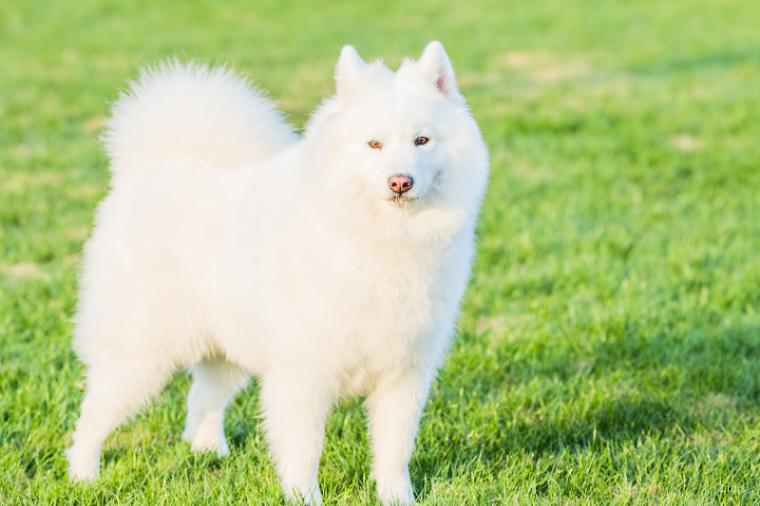
Samoyed
Last Updated:
The Samoyed dog breed is a fluffy, friendly, and highly energetic companion known for its bright white coat and signature “Sammy smile.” Popular among dog lovers in India for its stunning appearance, the Samoyed is affectionate, social, and ideal for active families. However, it requires regular grooming, exercise, and cooler environments due to its thick coat.
Height
19 - 23.5 Inches
Intelligence
High
Lifespan
12 - 14 years
Weight
16 - 30 Kg
Temperament
About
The Samoyed is a medium to large-sized working dog known for its beautiful white coat, friendly personality, distinctive smile, and playful nature. Originally developed by the Samoyede people of Siberia, the breed was used for herding reindeer, pulling sleds, and providing companionship in extremely cold environments.
Samoyeds are known for being friendly, affectionate, intelligent, playful, social, energetic, and loyal. Their famous "Sammy smile" and fluffy white coat make them one of the most recognizable dog breeds. They generally enjoy being around people and can become deeply attached to their families.
However, Samoyeds are not a low-maintenance breed. Their thick double coat requires regular grooming, they need daily physical and mental stimulation, and their thick coat makes India's hot climate an important consideration for prospective owners.
Samoyed Appearance
The Samoyed has a strong, well-balanced body covered by a thick double coat designed to protect it from extremely cold temperatures. Its upright ears, dark eyes, curled or carried-over-the-back tail, and characteristic smiling expression give it a distinctive appearance.
Common physical characteristics include:
- Medium to large-sized body
- Strong and athletic build
- Thick double coat
- Wedge-shaped head
- Dark, almond-shaped eyes
- Small, erect ears
- Plumed tail
- Strong legs and compact feet
- Characteristic upturned mouth corners
The coat is most commonly pure white, cream, biscuit, or white and biscuit. The thick outer coat and soft undercoat give the Samoyed its distinctive fluffy appearance.
Samoyed Temperament
The Samoyed temperament is generally friendly, social, affectionate, playful, and intelligent. Samoyeds typically enjoy human companionship and often want to participate in family activities.
They can be independent and occasionally stubborn, so consistent positive training is important. Their social nature also means they may not do well when routinely isolated for long periods.
Are Samoyeds Good Family Dogs?
Yes, Samoyeds can make excellent family companions for households that can meet their exercise, grooming, and social needs. They are generally friendly and affectionate and often enjoy spending time with their families.
Their energetic and playful nature makes them particularly suitable for active households. Owners should also be prepared for regular grooming and careful heat management in warm climates.
Are Samoyeds Good with Children?
Samoyeds are generally friendly and playful with children when properly socialized. Their energetic personality can make them fun companions for families.
Because they are strong and energetic, interactions with young children should be supervised. Children should also be taught to interact gently and respectfully with dogs.
Samoyed Intelligence and Training
Samoyeds are intelligent and capable of learning a wide range of commands and behaviors. However, they can also be independent and may lose interest in repetitive training.
Training should include:
- Basic obedience
- Leash training
- Recall training
- Impulse control
- Crate training
- Socialization
- Handling and grooming practice
Short, engaging sessions using positive reinforcement generally work well. Starting training early is particularly important because unwanted behaviors can become difficult to manage as the dog grows.
Samoyed Exercise Requirements
Samoyeds are active working dogs and need regular daily exercise and mental stimulation. They enjoy activities that allow them to walk, explore, play, and interact with their owners.
Suitable activities include:
- Daily walks
- Hiking
- Interactive play
- Fetch
- Obedience training
- Scent games
- Puzzle toys
- Controlled outdoor activities
Exercise should be adjusted according to the dog's age, health, fitness level, and weather. In hot weather, strenuous exercise should be avoided during the hottest parts of the day.
Can Samoyeds Live in Apartments?
Samoyeds can adapt to apartment living if their exercise and mental stimulation requirements are consistently met. However, their energy level, heavy shedding, size, and tendency to vocalize can make apartment ownership more demanding.
Owners should provide daily walks, interactive play, training, enrichment, and a comfortable temperature-controlled indoor environment.
Samoyed Grooming Requirements
The Samoyed has a thick double coat that requires significant grooming. Regular brushing helps remove loose hair, prevent mats, and maintain the coat's condition.
Basic grooming should include:
- Brushing several times a week
- More frequent brushing during seasonal shedding
- Regular nail trimming
- Routine ear checks
- Dental care
- Bathing when necessary
The dense coat can trap dirt and loose undercoat, making regular grooming an important part of Samoyed care.
Do Samoyeds Shed a Lot?
Yes, Samoyeds are heavy shedders. Their thick double coat undergoes seasonal shedding, during which they can lose significant amounts of undercoat.
Regular brushing is essential for managing shedding and preventing loose fur from accumulating around the home.
Are Samoyeds Hypoallergenic?
No, Samoyeds are not considered hypoallergenic. Their thick double coat sheds and can spread dander around the home.
People with dog allergies should spend time around a Samoyed before deciding to adopt one.
Samoyed Health
Samoyeds can be healthy dogs when responsibly bred and provided with appropriate nutrition, exercise, preventive veterinary care, and regular health screening.
Some health concerns associated with the breed include hip dysplasia, progressive retinal atrophy, hereditary glomerulopathy, diabetes mellitus, and certain eye conditions.
Responsible breeders should conduct appropriate health screening, and regular veterinary examinations can help detect potential health problems early.
What Should You Feed a Samoyed?
A Samoyed should receive a complete and balanced diet appropriate for its age, size, activity level, and health requirements.
Growing puppies require appropriately formulated puppy nutrition, while adult dogs need controlled portions to maintain a healthy body condition. Excess weight can place additional stress on joints.
Fresh drinking water should always be available, especially in India's warm climate.
Samoyed Socialization
Early socialization is important for Samoyeds. Puppies should gradually experience different people, environments, sounds, surfaces, handling, and appropriately vaccinated dogs.
Positive socialization can help them become confident and comfortable in different situations while reducing the likelihood of fear-based behavior.
Are Samoyeds Good with Other Pets?
Samoyeds can generally live with other dogs and compatible pets when properly socialized and introduced. Their friendly nature can help them adapt to multi-pet households.
However, individual temperament and prey drive vary, so interactions with smaller animals should be introduced gradually and supervised.
Are Samoyeds Affectionate?
Yes, Samoyeds are generally affectionate and people-oriented. They often enjoy spending time with their families, participating in activities, and receiving attention.
Their social personality means they usually thrive when they are treated as part of the family rather than being isolated outdoors.
Are Samoyeds Good Guard Dogs?
Samoyeds are alert and can bark when they notice something unusual, but they are not primarily guard dogs. Their generally friendly nature means they are more suited to being family companions and watchdogs than aggressive property guardians.
Are Samoyeds Good for First-Time Dog Owners?
Samoyeds can be challenging for first-time owners because of their grooming requirements, high energy, intelligence, vocal nature, and need for companionship.
First-time owners who are prepared to invest significant time in grooming, training, exercise, and socialization may successfully raise a Samoyed, but the breed is generally easier for owners who understand active working dogs.
Do Samoyeds Need a Lot of Attention?
Yes, Samoyeds generally enjoy substantial human interaction. They are social dogs and can become bored or frustrated when left alone for long periods without adequate exercise and enrichment.
Daily walks, play, training, mental stimulation, and family interaction are important for their wellbeing.
How Long Do Samoyeds Live?
Samoyeds commonly have a lifespan of around 12 to 14 years, although individual dogs may live longer with good genetics, responsible breeding, appropriate nutrition, preventive healthcare, and a healthy lifestyle.
Samoyed Price in India
The Samoyed price in India can vary depending on pedigree, breeder reputation, bloodline, health screening, coat quality, age, location, and availability.
As a general estimate, a Samoyed puppy in India may cost approximately ₹50,000 to ₹1,50,000 or more.
Dogs from established breeders with documented pedigrees, health screening, and responsible breeding practices may cost considerably more.
Prospective owners should consider vaccination records, health history, parental health, living conditions, and responsible breeding practices rather than choosing a puppy based solely on price.
Samoyed Monthly Maintenance Cost in India
The estimated Samoyed monthly maintenance cost in India can range from approximately ₹6,000 to ₹12,000 or more, depending on food, grooming, veterinary care, parasite prevention, training, treats, toys, and lifestyle.
Regular expenses may include:
- Quality dog food
- Routine veterinary care
- Vaccinations
- Deworming
- Tick and flea prevention
- Professional or home grooming
- Dental care
- Treats and enrichment
Can Samoyeds Live in India's Climate?
Samoyeds can be challenging to keep comfortable in India's hot climate because their thick double coat was developed for extremely cold environments. Owners need to take heat management seriously, particularly during summer.
Samoyeds should have access to a cool indoor environment, fresh water, shade, and good ventilation. Exercise should be scheduled during cooler parts of the day, and strenuous activity should be avoided during peak heat.
In regions with very hot summers, reliable air conditioning can be important for maintaining comfort and reducing the risk of heat stress.
Should a Samoyed Be Shaved in Summer?
Shaving a Samoyed's double coat is generally not recommended simply to keep the dog cool. The coat provides insulation and protection from the environment. Regular brushing and appropriate temperature control are preferable ways to help manage heat.
Are Samoyeds High-Maintenance?
Yes, Samoyeds can be considered relatively high-maintenance because of their thick double coat, heavy shedding, exercise requirements, social needs, and grooming demands.
Owners should be prepared to invest significant time in brushing, exercise, training, and keeping the dog comfortable during hot weather.
Do Samoyeds Bark a Lot?
Samoyeds can be quite vocal. They may bark, howl, whine, or make other sounds to communicate. Boredom, excitement, loneliness, and insufficient exercise can increase vocalization.
Consistent training, adequate exercise, and mental stimulation can help manage excessive barking.
Are Samoyeds Good for Indian Families?
Samoyeds can be suitable for Indian families that have enough time, resources, and commitment to meet their grooming, exercise, social, and temperature-management needs.
The biggest consideration is India's climate. Families living in hot regions should be prepared to provide a cool indoor environment and carefully manage outdoor activity throughout the warmer months.
Final Thoughts
The Samoyed is a friendly, affectionate, intelligent, and energetic working dog known for its beautiful white coat, cheerful expression, and strong bond with its family. Its playful personality makes it an appealing companion, but its grooming requirements and thick coat make ownership a significant commitment.
For prospective owners in India, it is important to consider both the Samoyed price in India and ongoing expenses for food, grooming, veterinary care, training, parasite prevention, and enrichment.
Most importantly, India's climate should be carefully considered before choosing this breed. With proper cooling, regular grooming, balanced nutrition, daily exercise, positive training, socialization, and veterinary care, a Samoyed can be a loving and rewarding family companion.
Care Requirements
Compatibility
Available Colors
Health Considerations
- Hip Dysplasia
- Samoyed Hereditary Glomerulopathy
- Cataracts and glaucoma
- Pulmonic Stenosis
- Diabetes
Fun Facts
- Samoyeds were part of famous polar expeditions, including those led by Fridtjof Nansen and Roald Amundsen.
- The breed gets its name from the Samoyede people of Siberia, who used these dogs for herding reindeer and pulling sleds.
Frequently Asked Questions
Common questions about the Samoyed breed.
What is a Samoyed?
The Samoyed is a medium to large working dog originally developed in Siberia for herding, pulling sleds, and companionship. It is known for its thick white double coat, friendly personality, intelligence, and distinctive smiling expression.
How much does a Samoyed cost in India?
The Samoyed price in India can vary depending on pedigree, breeder reputation, bloodline, health screening, age, location, and availability. A Samoyed puppy may typically cost around ₹50,000 to ₹1,50,000 or more.
Are Samoyeds good family dogs?
Yes, Samoyeds can make excellent family companions. They are generally friendly, affectionate, social, and playful, but they require regular exercise, grooming, training, and companionship.
Are Samoyeds good with children?
Samoyeds are generally friendly and affectionate with children when properly socialized. Their energetic nature and size mean interactions with young children should be supervised, and children should be taught to interact with dogs respectfully.
Are Samoyeds good with other dogs?
Samoyeds are generally social and can get along well with other dogs when properly socialized and introduced. Individual temperament still varies, so introductions should be gradual and supervised.
Are Samoyeds affectionate?
Yes, Samoyeds are known for being affectionate and people-oriented. They generally enjoy staying close to their families and participating in household activities.
Are Samoyeds intelligent?
Yes, Samoyeds are intelligent and versatile working dogs. They can learn obedience, tricks, agility, and other activities, although their independent nature means training needs to remain consistent and engaging.
Are Samoyeds easy to train?
Samoyeds can be trained successfully with positive reinforcement, consistency, and patience. They are intelligent but can become bored with repetitive training, so short and engaging sessions generally work best.
How much exercise does a Samoyed need?
Samoyeds need daily physical exercise and mental stimulation. Long walks, interactive play, training, hiking, scent games, and other age-appropriate activities can help meet their needs.
Can Samoyeds live in apartments?
Samoyeds can adapt to apartment living if their exercise, mental stimulation, grooming, and companionship needs are consistently met. Their energy level, heavy shedding, and vocal nature can make apartment ownership more demanding.
Do Samoyeds shed a lot?
Yes, Samoyeds are heavy shedders. They have a dense double coat and experience heavier seasonal shedding. Regular brushing, often daily during heavy shedding periods, helps manage loose hair.
How often should a Samoyed be groomed?
Samoyeds require frequent grooming because of their thick double coat. Daily brushing is ideal for managing loose hair and preventing mats, particularly during seasonal shedding. Nails should also be trimmed regularly and ears and teeth checked routinely.
Are Samoyeds hypoallergenic?
No, Samoyeds are not considered hypoallergenic. They shed considerably and can spread dander around the home. People with dog allergies should spend time around a Samoyed before adopting one.
Are Samoyeds vocal?
Yes, Samoyeds can be quite vocal. They may bark, howl, whine, or make other sounds to communicate. Boredom, loneliness, excitement, or insufficient exercise can increase vocalization.
Do Samoyeds bark a lot?
Samoyeds can bark and vocalize frequently, although the amount varies between individuals. Regular exercise, training, companionship, and mental stimulation can help manage excessive barking.
Are Samoyeds good guard dogs?
Samoyeds can act as alert watchdogs and may vocalize when they notice unfamiliar activity, but they are not primarily guard dogs. Their generally friendly and social temperament makes them better suited as family companions.
What should I feed a Samoyed?
A Samoyed should receive a complete and balanced diet appropriate for its age, size, activity level, and health. Portion control is important because some Samoyeds can gain excess weight. Fresh drinking water should always be available.
Can Samoyeds become overweight?
Yes, Samoyeds can gain excess weight if they consume more calories than they use. Measured meals, regular exercise, appropriate treats, and monitoring body condition can help maintain a healthy weight.
What health problems do Samoyeds have?
Samoyeds can be affected by conditions including hip dysplasia, certain inherited eye disorders, cardiac conditions, retinal dysplasia, and other inherited diseases. Responsible breeders should perform appropriate health screening.
Are Samoyeds prone to hip dysplasia?
Hip dysplasia is a recognized health concern in Samoyeds. Responsible breeders should screen breeding dogs, and maintaining an appropriate body weight can help reduce unnecessary stress on the joints.
Do Samoyeds need health testing?
Responsible Samoyed breeders should consider health screening such as hip evaluation, cardiac examination, ophthalmologist evaluation, and appropriate DNA testing for inherited conditions identified by the breed's health organizations.
How long do Samoyeds live?
Samoyeds commonly have a lifespan of around 12 to 14 years. Genetics, responsible breeding, nutrition, preventive healthcare, body condition, and lifestyle can influence individual lifespan.
Are Samoyeds good for first-time dog owners?
Samoyeds can be suitable for first-time owners who are prepared for their high grooming, exercise, training, and social needs. Their friendly temperament is helpful, but they require significant time and consistent care.
Do Samoyeds need early socialization?
Yes, early socialization is important for Samoyeds. Positive exposure to different people, dogs, environments, sounds, handling, and everyday situations can help them develop into confident and well-adjusted adults.
Can Samoyeds be left alone?
Samoyeds generally do not tolerate long periods of isolation well. They are social dogs and may become bored, anxious, or destructive when routinely left alone without sufficient companionship and enrichment.
Do Samoyeds like to be around people?
Yes, Samoyeds are highly social and generally enjoy being around their families. They tend to thrive when included in household activities rather than being isolated in a yard.
Are Samoyeds high-maintenance?
Yes, Samoyeds can be considered relatively high-maintenance because of their thick double coat, heavy shedding, frequent grooming requirements, high activity level, and strong need for companionship.
Can Samoyeds live in India's climate?
Samoyeds can be challenging to keep comfortable in India's hot climate because their thick double coat was developed for extremely cold conditions. They require careful heat management, a cool indoor environment, fresh water, shade, and exercise during cooler hours.
Can Samoyeds tolerate Indian summers?
Indian summers can be particularly challenging for Samoyeds. During hot weather, strenuous daytime exercise should be avoided, and the dog should have access to reliable cooling, fresh water, shade, and good ventilation.
Do Samoyeds need air conditioning in India?
In regions with very hot summers, reliable indoor cooling can be important for keeping a Samoyed comfortable and reducing heat-stress risk. The exact cooling requirement depends on local temperature, humidity, ventilation, and the individual dog's health.
Should a Samoyed be shaved in summer?
A Samoyed's double coat generally should not be shaved simply to keep it cool. The coat provides insulation and protection from the environment. Regular brushing and appropriate environmental cooling are preferable.
Do Samoyeds like cold weather?
Yes, Samoyeds are exceptionally well adapted to cold weather. Their thick double coat and working-dog heritage were developed to protect them while working in extremely cold environments.
Do Samoyeds like to swim?
Some Samoyeds enjoy swimming, although individual preferences vary. If introduced safely, swimming can provide physical activity, but dogs should always be supervised around water.
Are Samoyeds good for active families?
Yes, Samoyeds can be excellent companions for active families. They enjoy walks, outdoor activities, play, training, and spending time with their owners.
Are Samoyeds good with cats?
Some Samoyeds can live successfully with cats, especially when introduced gradually and socialized from an early age. Individual prey drive and temperament vary, so interactions should be supervised.
Do Samoyeds have a lot of energy?
Yes, Samoyeds are energetic working dogs that need regular physical activity and mental stimulation. Without enough exercise and engagement, they may become bored or develop unwanted behaviors.
Why do Samoyeds have a smile?
The Samoyed's characteristic 'smile' comes from the shape and upturned corners of its mouth. The breed's facial structure is also associated with reducing drooling, which was useful in cold conditions where excessive saliva could freeze.
What colors do Samoyeds come in?
Samoyeds are most commonly white, but recognized coat colors also include cream, biscuit, and white and biscuit combinations.
What is the monthly maintenance cost of a Samoyed in India?
The estimated Samoyed monthly maintenance cost in India can range from approximately ₹6,000 to ₹12,000 or more, depending on food, grooming, veterinary care, parasite prevention, training, treats, and enrichment.
Are Samoyeds good indoor dogs?
Yes, Samoyeds can live indoors with their families and generally benefit from being included in household life. They still require daily exercise, mental stimulation, regular grooming, and a cool environment in hot climates.
Are Samoyeds loyal?
Yes, Samoyeds are generally loyal and devoted to their families. Their social nature and history of close companionship with people contribute to their strong family bonds.