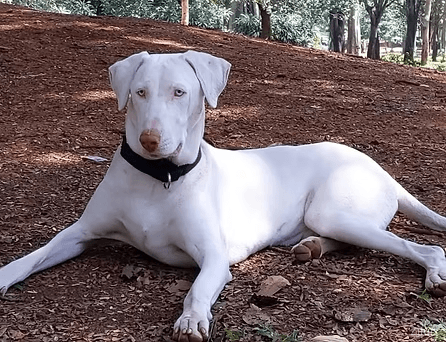
Rajapalayam
Last Updated:
The Rajapalayam is a rare and majestic native Indian dog breed from Tamil Nadu, known for its striking white coat, loyalty, intelligence, and strong guarding instincts. Originally bred for hunting and protection, Rajapalayam dogs are fearless, athletic, and deeply devoted to their families.
Height
25 - 30 Inches
Intelligence
High
Lifespan
10 - 12 years
Weight
22 - 32 Kg
Temperament
About
The Rajapalayam is one of Inda's most distinctive native dog breeds, originating from the town of Rajapalayam in Tamil Nadu. Known for its elegant appearance, athletic build, pure white coat, and strong protective instincts, the breed has a long history as a hunting and guard dog. Rajapalayam dogs were traditionally associated with royal households and were valued for their courage, endurance, and ability to hunt animals such as wild boar.
Today, the Rajapalayam remains an important part of India's native canine heritage. Although traditionally bred for hunting and guarding, these dogs can form strong bonds with their families and become devoted companions when raised with appropriate socialization and training.
Rajapalayams are best suited to owners who understand the needs of an athletic and independent breed. They require regular physical activity, mental stimulation, consistent training, and sufficient space to move around. Their natural alertness and protective instincts also make early socialization particularly important.
Rajapalayam Dog Appearance
Rajapalayam dogs have a tall, muscular, and athletic build that reflects their history as hunting and guarding dogs. They have long legs, a deep chest, a strong body, and an elegant posture.
The breed is particularly famous for its pure white coat and pink or flesh-colored nose. Their eyes may range from golden to brown shades, while some dogs can have lighter-colored eyes. Their ears are typically medium-sized and folded or semi-folded.
The overall appearance of the Rajapalayam is graceful yet powerful. Their long limbs and muscular body allow them to move efficiently and cover considerable distances when running.
Rajapalayam Coat and Colors
The Rajapalayam is best known for its short, smooth, predominantly white coat. The coat is relatively easy to maintain compared with long-haired dog breeds.
Some Rajapalayams may have subtle variations in pigmentation around the ears or face, but the characteristic breed appearance is a clean white coat. Their short fur provides relatively little protection against cold weather, so appropriate care should be taken during colder conditions.
Rajapalayam Dog Personality and Temperament
Rajapalayam dogs are generally known for being loyal, courageous, alert, intelligent, independent, and protective. They often form particularly strong bonds with their owners and can be highly devoted to their families.
They can be naturally reserved around strangers and may quickly notice unfamiliar people or activity around their home. This alertness has historically made them valuable guard dogs.
Because of their independent nature, Rajapalayams may not always respond well to inconsistent training. They benefit from calm leadership, clear boundaries, early socialization, and positive reinforcement.
Are Rajapalayam Dogs Good Family Dogs?
Rajapalayam dogs can become devoted family companions when raised in an appropriate environment. They are often affectionate and loyal toward the people they know and trust.
However, they may not be the ideal choice for every household because of their protective instincts and independent personality. Families should be prepared to provide appropriate training and supervision, particularly around unfamiliar visitors and young children.
Children should be taught to interact with the dog respectfully and should not disturb the dog while it is eating, sleeping, or resting.
Are Rajapalayam Dogs Good With Other Pets?
Rajapalayams can vary in their compatibility with other animals. Their history as hunting dogs means they may have a strong prey drive and may instinctively chase smaller animals.
Early socialization and controlled introductions can help them become more comfortable around other dogs and household pets. However, interactions with cats, small animals, or unfamiliar dogs should be managed carefully based on the individual dog's temperament.
Rajapalayam Dog Exercise and Activity Needs
Rajapalayams are athletic dogs that require regular daily exercise. They are better suited to owners who can provide sufficient physical activity rather than households looking for a low-energy companion.
Daily walks, controlled running, interactive games, obedience exercises, and exploration can help satisfy their physical and mental needs. Secure outdoor areas can be particularly beneficial because of their athletic ability and natural curiosity.
Because they have a strong chase instinct, off-leash exercise should only be provided in a securely enclosed area.
Regular activity can help prevent boredom, restlessness, and destructive behavior.
Rajapalayam Dog Training
Rajapalayams are intelligent but can also be independent and strong-willed. They respond best to consistent, patient, and positive reinforcement-based training.
Training should begin early and include basic obedience, leash manners, recall, impulse control, and appropriate socialization. Rewarding good behavior with treats, praise, or play can help make training more effective.
Early exposure to different people, environments, sounds, and appropriately vaccinated dogs can help reduce excessive fear or suspicion toward unfamiliar situations.
Harsh physical punishment should be avoided because it can damage trust and potentially increase fear or defensive behavior.
Rajapalayam Dog Grooming
The Rajapalayam has a short, smooth coat that is relatively easy to maintain. Weekly brushing or occasional grooming can help remove loose hair and keep the coat clean.
Frequent bathing is generally unnecessary unless the dog becomes particularly dirty. A suitable dog shampoo should be used when bathing is required.
Routine care should also include nail trimming, ear checks, dental hygiene, and regular inspection of the skin. Because the coat is short and white, dirt, irritation, or skin changes may be relatively easy to notice.
Rajapalayam Dog Diet and Nutrition
A complete and balanced diet is essential for supporting a Rajapalayam dog's athletic body, muscles, energy levels, and overall health.
The diet should contain appropriate levels of high-quality protein, healthy fats, vitamins, minerals, and other essential nutrients. Feeding requirements depend on the dog's age, weight, activity level, health, and lifestyle.
Because Rajapalayams are active dogs, their nutritional requirements may be higher than those of sedentary dogs. However, overfeeding should still be avoided because maintaining a healthy body weight is important for protecting the joints.
Fresh drinking water should always be available. A veterinarian can provide personalized advice about food selection, portions, and feeding schedules.
Rajapalayam Dog Health
Rajapalayams are generally considered hardy native dogs, but like all breeds, they can experience health problems. Responsible breeding, proper nutrition, exercise, and regular veterinary care can help support their overall wellbeing.
Potential concerns may include skin problems, joint issues, dental disease, eye problems, and other conditions common to medium and large dogs. Individual health risks can vary depending on genetics, age, nutrition, environment, and lifestyle.
Because of their predominantly white coat and lighter pigmentation around certain areas, owners should also pay attention to skin health and protect the dog from excessive exposure to harsh sunlight.
Regular veterinary examinations can help detect potential health problems early. Changes in appetite, weight, mobility, skin condition, vision, or behavior should be discussed with a veterinarian.
Rajapalayam Dog Vaccination and Preventive Care
Routine preventive healthcare is important for keeping a Rajapalayam healthy. Vaccinations should follow a veterinarian-recommended schedule based on the dog's age, lifestyle, vaccination history, and local disease risks.
Preventive care may include vaccinations, rabies vaccination where appropriate, deworming, flea and tick prevention, dental care, nail trimming, and regular veterinary examinations.
Dogs that spend significant time outdoors may have greater exposure to parasites and infectious diseases, making appropriate parasite prevention particularly important.
Rajapalayam Dog Lifespan
With appropriate nutrition, regular exercise, preventive healthcare, and responsible care, Rajapalayam dogs can commonly live for around 10 to 12 years. Individual lifespan can vary depending on genetics, healthcare, diet, environment, and overall wellbeing.
Maintaining a healthy body weight, providing appropriate exercise, and scheduling routine veterinary checkups can help support a longer and healthier life.
Are Rajapalayam Dogs Suitable for Apartment Living?
Rajapalayams are generally better suited to homes with sufficient space and access to safe outdoor exercise areas. Their athletic build, energy levels, and need for regular activity can make apartment living challenging if their exercise requirements are not properly met.
They can potentially adapt to smaller homes when owners are committed to providing enough daily exercise, training, and mental stimulation, but a secure and spacious environment is generally more suitable.
Are Rajapalayam Dogs Good Guard Dogs?
Yes, Rajapalayams have a natural history as guard and property-protection dogs. They are alert, observant, loyal, and often reserved around strangers.
However, responsible owners should focus on controlled obedience and socialization rather than encouraging aggressive behavior. A well-trained guard dog should be able to distinguish between normal situations and genuine threats while remaining manageable around visitors and family members.
Are Rajapalayam Dogs Good for First-Time Owners?
Rajapalayams may be challenging for inexperienced owners because of their independent personality, athletic nature, protective instincts, and prey drive.
They are generally better suited to owners who understand dog behavior and are prepared to invest time in early socialization, consistent training, exercise, and responsible handling. Working with an experienced positive-reinforcement trainer can be particularly helpful for first-time owners.
Do Rajapalayam Dogs Need a Lot of Exercise?
Yes, Rajapalayams are active and athletic dogs that benefit from regular exercise. Daily walks combined with controlled running, interactive games, obedience training, and exploration can help meet their physical and mental needs.
Because of their hunting background and strong prey drive, exercise areas should be secure. They should not be allowed to roam freely in unsafe or uncontrolled environments.
Tips for Taking Care of a Rajapalayam Dog
Provide your Rajapalayam with a balanced diet, fresh water, daily exercise, consistent training, early socialization, and plenty of mental stimulation. Secure outdoor space can be particularly useful for this athletic breed.
Maintain regular grooming, dental care, nail trimming, vaccinations, parasite prevention, and veterinary checkups. Protect the dog from extreme temperatures and monitor its skin, particularly because of its short white coat.
Use positive reinforcement during training and establish clear household rules from an early age. Carefully manage interactions with unfamiliar people, dogs, and smaller animals based on the dog's individual temperament.
Monitor changes in appetite, weight, mobility, skin condition, vision, energy levels, or behavior and consult a veterinarian if anything unusual or persistent develops.
Final Thoughts
The Rajapalayam is a remarkable Indian native dog breed known for its elegant white appearance, athletic build, courage, loyalty, and protective instincts. Its long history in Tamil Nadu and association with hunting and guarding make it an important part of India's canine heritage.
Although Rajapalayams can be affectionate and deeply devoted to their families, they are independent and naturally cautious around unfamiliar people. They thrive with owners who understand their temperament and can provide early socialization, consistent positive training, regular exercise, and appropriate boundaries.
With responsible care, proper nutrition, preventive healthcare, and plenty of physical and mental activity, the Rajapalayam can be a loyal, courageous, and devoted companion while continuing to represent one of India's most distinctive native dog breeds.
Care Requirements
Compatibility
Available Colors
Health Considerations
- Deafness
- Hip dysplasia
- Joint problems
- Bloat
- Skin allergies
Fun Facts
- In 2005, the Indian Government celebrated their bravery and heritage by issuing a commemorative postage stamp featuring the Rajapalayam.
- Despite their lean frames, they are incredibly athletic and are known to clear fences as high as 6 feet.
Frequently Asked Questions
Common questions about the Rajapalayam breed.
What is a Rajapalayam dog?
The Rajapalayam is a distinctive Indian native dog breed originating from the Rajapalayam region of Tamil Nadu. It is known for its white coat, athletic build, loyalty, alertness, and protective nature.
What is the temperament of a Rajapalayam dog?
Rajapalayam dogs are generally loyal, intelligent, courageous, alert, and independent. They often form strong bonds with their families and may be reserved around unfamiliar people.
Are Rajapalayam dogs good family dogs?
Rajapalayams can be devoted family companions when properly socialized and trained. They are particularly suited to experienced owners who understand their independent and protective temperament.
Are Rajapalayam dogs good with children?
Rajapalayam dogs can live with children when properly socialized and supervised. Because they are strong and naturally protective, children should be taught to interact with them respectfully and avoid rough handling.
Are Rajapalayam dogs good with other pets?
Rajapalayams may be able to live with other pets when introduced carefully from an early age. However, their hunting background can give them a strong prey drive, so interactions with smaller animals should be supervised.
How much exercise does a Rajapalayam dog need?
Rajapalayams are athletic dogs that need regular daily exercise. Walks, controlled running, interactive games, obedience training, and mental stimulation can help meet their physical and behavioral needs.
Are Rajapalayam dogs suitable for apartment living?
Rajapalayams are generally better suited to homes with sufficient space and access to secure outdoor exercise areas. They can potentially adapt to smaller homes if their exercise and mental stimulation needs are consistently met.
Are Rajapalayam dogs good guard dogs?
Yes. Rajapalayams have a long history as hunting and property-guarding dogs. Their natural alertness, loyalty, and protective instincts can make them effective watchdogs when properly trained.
Are Rajapalayam dogs easy to train?
Rajapalayams are intelligent but can be independent and strong-willed. They generally respond best to patient, consistent, positive reinforcement training combined with early socialization.
Do Rajapalayam dogs have a strong prey drive?
Yes. Because the breed has a history of hunting, some Rajapalayams may have a strong instinct to chase smaller animals. Secure outdoor areas and careful supervision around small pets are recommended.
How often should a Rajapalayam dog be groomed?
Rajapalayams have a short, smooth coat and relatively low grooming requirements. Regular brushing, occasional bathing, nail trimming, ear checks, and dental care are generally sufficient.
What color is a Rajapalayam dog?
Rajapalayams are best known for their predominantly white, short coat. Their characteristic appearance also includes light pigmentation around areas such as the nose, although individual pigmentation can vary.
What do Rajapalayam dogs eat?
Rajapalayams should receive a complete and balanced diet appropriate for their age, size, activity level, and health. Quality protein, appropriate portions, and access to fresh drinking water are important.
What health problems can Rajapalayam dogs have?
Rajapalayams can be affected by health concerns including congenital deafness, skin problems, sun sensitivity, hip dysplasia, and other conditions. Responsible breeding, veterinary screening, preventive care, and regular checkups are important.
What is the lifespan of a Rajapalayam dog?
Rajapalayam dogs commonly have a lifespan of around 10 to 12 years. Proper nutrition, regular exercise, preventive healthcare, responsible breeding, and routine veterinary care can support their overall longevity.
Are Rajapalayam dogs good for first-time owners?
Rajapalayams may be challenging for inexperienced owners because of their independent nature, protective instincts, athleticism, and prey drive. They are generally better suited to owners who can provide consistent training and early socialization.
Do Rajapalayam dogs need a lot of space?
Rajapalayams benefit from sufficient space because they are athletic and active dogs. A secure outdoor area can be particularly useful, although daily walks and structured exercise remain important even when a large yard is available.
Are Rajapalayam dogs affectionate?
Rajapalayams can be deeply affectionate and loyal toward their owners and family members. They may be more reserved with strangers and often form particularly strong bonds with the people they trust.
Are Rajapalayam dogs suitable for hot weather?
Rajapalayams originated in southern India and can generally adapt well to warm climates. However, they still need access to shade, fresh water, and a cool resting area, and strenuous exercise should be avoided during extreme heat.
How can I keep my Rajapalayam dog healthy?
Provide a balanced diet, fresh water, regular exercise, positive training, early socialization, parasite prevention, vaccinations, dental care, and routine veterinary checkups. Monitor their skin, hearing, mobility, appetite, and behavior for any changes.