
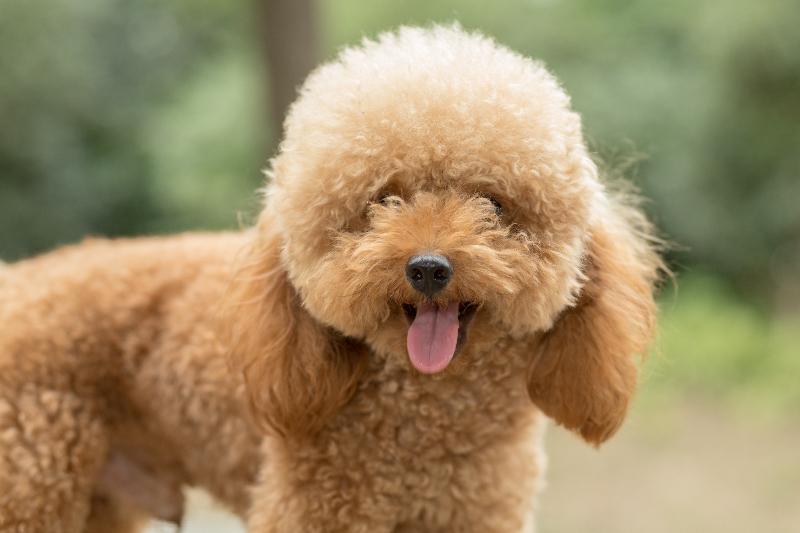
Poodle
Last Updated:
The Poodle dog breed is an intelligent, elegant, and highly trainable companion known for its curly coat and low-shedding nature. Available in Toy, Miniature, and Standard sizes, Poodles are popular in India for their adaptability, hypoallergenic coat, and friendly temperament. They require regular grooming, mental stimulation, and proper care, making them ideal for families and active pet owners.
Height
9.5 - 24 inches
Intelligence
High
Lifespan
12 – 15 years
Weight
2 - 32 kg
Temperament
About
The Poodle is an elegant, intelligent, and athletic dog breed recognized for its distinctive curly coat, graceful appearance, and highly trainable personality. Originally developed as a water retriever, the Poodle has a strong and athletic body hidden beneath its luxurious coat. Today, Poodles are popular companion dogs and are also known for their success in obedience, agility, and other dog sports.
Poodles are available in three recognized sizes: Standard Poodle, Miniature Poodle, and Toy Poodle. Despite the difference in size, all three varieties share many of the breed's defining characteristics, including intelligence, athleticism, alertness, and a curly or corded coat.
Key physical characteristics of the Poodle include:
- Elegant and well-proportioned body
- Curly, dense coat
- Long and refined muzzle
- Dark, expressive eyes
- Long, floppy ears
- Strong and athletic legs
- Graceful movement
- Distinctive curly or corded hair
- Available in Standard, Miniature, and Toy sizes
- Alert and intelligent facial expression
Poodle Coat Colors
Poodles are available in a variety of solid coat colors. Their dense, curly coat is one of their most recognizable features and can be styled in many different ways.
Common Poodle coat colors include:
- White
- Black
- Brown
- Apricot
- Red
- Silver
- Gray
- Cream
- Blue
The coat texture can range from tightly curled to corded. Regular grooming is essential because the dense hair can become tangled and matted if it is not brushed and maintained properly.
Poodle Temperament and Personality
Poodles are widely known for their intelligence, affectionate nature, alertness, and eagerness to learn. They are highly people-oriented dogs that often form strong bonds with their families and enjoy participating in household activities.
Although their elegant appearance can make them look delicate, Poodles are athletic and energetic dogs. They enjoy physical activity, interactive games, training, and mental challenges. Their intelligence means that they can become bored if they do not receive enough stimulation.
Common Poodle personality traits include:
- Highly intelligent
- Affectionate and loyal
- Alert and observant
- Playful and energetic
- Eager to learn
- People-oriented
- Adaptable
- Sensitive and responsive
- Active and athletic
- Highly trainable
Is the Poodle a Good Family Dog?
Yes, Poodles can make excellent family dogs when their exercise, training, grooming, and companionship needs are met. Their intelligence and affectionate personality allow them to become closely bonded with their families.
The right Poodle size should be considered based on the household. Standard Poodles are larger and more athletic, while Miniature and Toy Poodles may be more convenient for smaller homes. Regardless of size, all Poodles require attention, mental stimulation, and regular interaction.
Are Poodles Good With Children?
Poodles can be good with children when properly socialized and taught appropriate behavior. Their playful and intelligent nature can make them engaging family companions.
Interactions between dogs and young children should always be supervised. Children should be taught to treat the dog gently and avoid disturbing it while eating, sleeping, or resting. Smaller Toy Poodles should receive additional care because of their delicate size.
Are Poodles Good With Other Dogs and Pets?
Poodles can generally live well with other dogs and compatible household pets when introduced gradually and socialized from an early age. Their adaptable and intelligent personality can help them adjust to multi-pet households.
Proper introductions, supervision, and individual temperament should always be considered when bringing a Poodle into a home with other animals.
Are Poodles Easy to Train?
Poodles are considered one of the most intelligent and trainable dog breeds. They are generally quick to understand new commands and can excel in obedience training, tricks, agility, and other dog sports.
Positive reinforcement using treats, praise, toys, and play can make training particularly effective. Because Poodles are intelligent, repetitive training can become boring, so owners should introduce variety and mental challenges.
When Should Poodle Training Start?
Training and socialization should begin during puppyhood. Early training helps establish good household habits, leash manners, basic obedience, recall, and appropriate social behavior.
Early socialization should include positive exposure to different people, dogs, environments, sounds, surfaces, and everyday situations. Consistency is important because Poodles learn quickly and can develop unwanted habits if inappropriate behavior is repeatedly rewarded.
Poodle Exercise Needs
Poodles are active and intelligent dogs that require regular physical exercise as well as mental stimulation. Their exercise requirements vary according to size, age, health, and individual energy level.
Suitable activities for Poodles include:
- Daily walks
- Fetch
- Running
- Swimming
- Agility training
- Obedience exercises
- Interactive games
- Puzzle toys
- Scent games
- Trick training
Standard Poodles generally require more physical activity than Toy Poodles, but all varieties benefit from regular play and mental enrichment. Providing a combination of exercise and training can help keep a Poodle happy and well-adjusted.
Can Poodles Live in Apartments?
Yes, Poodles can adapt to apartment living when their exercise and mental stimulation needs are properly met. Toy and Miniature Poodles are particularly convenient for smaller homes because of their compact size.
Standard Poodles can also live in apartments if they receive sufficient daily exercise. Apartment owners should provide regular walks, interactive play, training, and enrichment. Poodles can also be alert and vocal, so early training can help manage unnecessary barking.
Poodle Grooming
Poodles have relatively high grooming requirements because their curly hair continues to grow and can become tangled or matted without regular maintenance. Unlike many dogs that shed loose hair around the home, Poodles tend to retain much of their loose hair within the coat.
Regular brushing and professional grooming are important for maintaining a healthy and comfortable coat. Owners should also pay attention to the ears, eyes, nails, and teeth as part of the dog's overall hygiene routine.
Important Poodle grooming tasks include:
- Frequent brushing
- Regular professional haircuts
- Nail trimming
- Ear cleaning
- Dental care
- Eye-area cleaning
- Bathing when required
- Regular coat inspection
How Often Should a Poodle Be Groomed?
Poodles generally require regular brushing to prevent tangles and mats. Depending on coat length and lifestyle, professional grooming may be required every few weeks to maintain a manageable coat.
Owners should establish grooming routines from puppyhood so the dog becomes comfortable with brushing, bathing, nail trimming, ear cleaning, and professional grooming.
Do Poodles Shed a Lot?
Poodles are generally considered low-shedding dogs. Their curly coat tends to trap loose hair rather than allowing large amounts of fur to fall around the home.
However, low shedding does not mean low maintenance. The retained loose hair can contribute to matting, making regular brushing and professional grooming essential.
Are Poodles Hypoallergenic?
Poodles are often considered one of the more allergy-friendly dog breeds because they typically shed less than many other breeds. However, no dog is completely hypoallergenic.
Dog allergens can come from dander, saliva, and other natural sources, so people with allergies should spend time around a Poodle before deciding to bring one home.
Poodle Health
Poodles can be healthy and active dogs when responsibly bred and properly cared for. However, like all dog breeds, they can be susceptible to certain inherited and age-related health conditions. Regular veterinary checkups, preventive healthcare, balanced nutrition, exercise, and responsible breeding can help support their overall health.
Potential health concerns may include:
- Dental problems
- Patellar luxation
- Eye conditions
- Hip dysplasia, particularly in larger dogs
- Ear infections
- Skin and allergy-related problems
- Progressive retinal atrophy
- Other inherited or age-related conditions
Routine veterinary examinations can help identify potential health concerns early and allow appropriate treatment and management.
Poodle Diet and Nutrition
Poodles should receive a complete and balanced diet appropriate for their age, size, activity level, and individual health requirements. Because the breed comes in three different sizes, nutritional needs can vary considerably between a Toy Poodle and a Standard Poodle.
Puppies require age-appropriate nutrition to support healthy growth, while adult dogs need a balanced diet that supports healthy muscles, energy levels, skin, and coat.
Fresh drinking water should always be available, and treats should be provided in moderation.
Are Poodles Prone to Obesity?
Poodles can gain excess weight if they receive too many calories or do not receive sufficient exercise. Maintaining an appropriate body condition is important for protecting their joints and supporting long-term health.
Portion control, regular physical activity, appropriate treats, and routine weight monitoring can help maintain a healthy weight.
Do Poodles Bark a Lot?
Poodles can be alert and vocal dogs, particularly when they notice unfamiliar people, animals, sounds, or activity around the home. Some individuals may bark more frequently than others depending on temperament, training, environment, and stimulation.
Early socialization and positive reinforcement training can help manage unnecessary barking. Providing enough physical activity and mental stimulation can also reduce barking associated with boredom or frustration.
Are Poodles Aggressive?
Poodles are not generally considered an inherently aggressive breed. They are typically intelligent, affectionate, and social dogs. However, individual temperament can vary depending on genetics, socialization, training, environment, and previous experiences.
Fear, stress, pain, poor socialization, or inappropriate handling can influence the behavior of any dog. Early positive socialization and consistent training can help a Poodle become a confident and well-adjusted companion.
Are Poodles Good for First-Time Owners?
Poodles can be a good choice for first-time dog owners because of their intelligence, trainability, adaptability, and affectionate nature. They can learn household routines and basic commands relatively quickly when training is consistent.
However, first-time owners should understand that Poodles require regular grooming and mental stimulation. Owners should be prepared for professional grooming expenses, daily interaction, exercise, training, and preventive healthcare.
How Long Can a Poodle Be Left Alone?
Poodles are social and intelligent dogs that generally enjoy human companionship. They can learn to spend reasonable periods alone, but extended isolation may lead to boredom, stress, or separation-related behaviors.
Alone time should be introduced gradually, particularly with puppies. Providing safe toys, puzzle feeders, comfortable resting areas, and enrichment activities can help keep a Poodle occupied during short periods alone.
Poodle Lifespan
The Poodle lifespan can vary depending on its size. Toy and Miniature Poodles often have longer lifespans than Standard Poodles, although individual dogs can live longer or shorter lives depending on genetics, nutrition, healthcare, exercise, and lifestyle.
Regular veterinary checkups, preventive healthcare, dental care, appropriate nutrition, healthy weight management, and regular exercise can help support a long and healthy life.
Poodle Size
Poodles are available in three commonly recognized size varieties: Standard Poodle, Miniature Poodle, and Toy Poodle. Their exact size and weight can vary between individual dogs.
Standard Poodles are the largest variety and are well suited to active households. Miniature Poodles offer a smaller alternative while retaining the breed's intelligence and athletic ability. Toy Poodles are the smallest variety and are particularly convenient for apartment living and urban households.
Poodle Price in India
The Poodle price in India can vary significantly depending on the variety, breeder reputation, pedigree, lineage, location, availability, coat characteristics, health screening, and registration.
Toy, Miniature, and Standard Poodles can have different prices because of differences in availability, breeding, size, and demand. Prospective owners should prioritize responsible breeding, health records, vaccination history, and appropriate puppy care rather than selecting a dog based only on price.
When purchasing a Poodle puppy, important factors to consider include:
- Vaccination and deworming records
- Health screening
- Parent health and temperament
- Responsible breeding practices
- Living conditions
- Early socialization
- Breeder transparency
Poodle Monthly Maintenance Cost in India
The monthly cost of keeping a Poodle in India depends on its size, food requirements, grooming frequency, healthcare, parasite prevention, toys, treats, and lifestyle.
Regular expenses may include:
- Quality dog food
- Professional grooming
- Preventive healthcare
- Vaccinations
- Parasite prevention
- Grooming supplies
- Toys and enrichment
- Dental care
- Veterinary consultations
Grooming can be one of the more significant recurring expenses for Poodle owners because their coat requires regular maintenance. Owners should also maintain an emergency veterinary budget for unexpected medical expenses.
Can Poodles Handle the Indian Climate?
Poodles can adapt to India's climate with appropriate care and climate management. Their dense coat requires regular grooming, particularly during hot and humid weather, to keep the dog comfortable.
During Indian summers, Poodles should have access to fresh water, shade, good ventilation, and a cool indoor environment. Walks and outdoor activities should preferably be scheduled during the cooler parts of the morning or evening.
Owners should avoid strenuous exercise during peak afternoon heat and monitor their dog carefully during periods of extreme temperature.
Do Poodles Need AC in India?
Air conditioning is not necessarily required for every Poodle in India, but it can be beneficial during periods of extreme heat and humidity. The most important factor is providing a cool, comfortable, and well-ventilated environment.
Regular grooming, fresh water, shade, appropriate exercise timing, and good ventilation can help a Poodle remain comfortable during warmer months.
Are Poodles High-Maintenance?
Poodles can be considered moderately to highly maintenance-intensive, primarily because of their coat and grooming requirements. Their curly hair can mat easily if it is not brushed and professionally maintained.
In addition to grooming, Poodles require regular exercise, mental stimulation, training, dental care, ear care, and companionship. Their intelligence means they benefit from activities that challenge them mentally as well as physically.
For owners who are prepared to maintain the coat and provide sufficient interaction and enrichment, Poodles can be exceptionally rewarding companions.
Are Poodles Good for Indian Families?
Poodles can be excellent companions for Indian families when their grooming, exercise, training, nutrition, and healthcare needs are properly managed. Their intelligence and adaptable personality allow them to fit into many different types of households.
Toy and Miniature Poodles can be particularly convenient for apartment living, while Standard Poodles may be better suited to families with more space and an active lifestyle.
Families living in hot and humid regions should have a reliable plan for keeping their Poodle cool, hydrated, and comfortable during summer.
With proper grooming, training, socialization, nutrition, preventive veterinary care, exercise, and companionship, a Poodle can become an intelligent, affectionate, playful, and loyal family companion.
Conclusion
The Poodle is a highly intelligent and versatile dog breed known for its elegant appearance, curly coat, athletic ability, and exceptional trainability. Available in Standard, Miniature, and Toy sizes, Poodles can suit a wide range of households and lifestyles.
Although their low-shedding coat can be appealing to many pet parents, Poodles are not low-maintenance dogs when it comes to grooming. Regular brushing, professional haircuts, ear care, dental hygiene, and routine veterinary attention are important parts of responsible ownership.
The breed's intelligence also means that Poodles need regular mental stimulation and training. Without enough activity and interaction, they can become bored or develop unwanted behaviors.
With responsible breeding, balanced nutrition, early socialization, positive training, regular exercise, professional grooming, preventive healthcare, and plenty of companionship, the Poodle can be an affectionate, intelligent, elegant, and rewarding companion for families, singles, and active pet parents.
Care Requirements
Compatibility
Available Colors
Health Considerations
- Addison’s Disease
- Bloating (Gastric Dilatation-Volvulus)
- Progressive Retinal Atrophy
- Cataracts
- Sebaceous adenitis
- Atopic dermatitis (Allergies)
- Hip dysplasia
- Patellar luxation
- Hypothyroidism
Fun Facts
- The name Poodle comes from a german word "Pudel" which means "to splash."
- Their famous "poodle cut" isn't just for style - it protects vital organs and joints while keeping other parts light for swimming.
- They comes in 3 different sizes - Toy, Miniature and Standard, same breed just different heights.
Frequently Asked Questions
Common questions about the Poodle breed.
Is a Poodle a good family dog?
Yes. Poodles are intelligent, social, active, and people-oriented dogs that can make excellent family companions when their exercise, training, and grooming needs are met.
Is a Poodle good with children?
Yes. Poodles can be good with children when properly socialized and trained. Young children should be supervised and taught to interact gently, particularly with Toy and Miniature Poodles.
Is a Poodle good with other dogs?
Yes. Poodles can generally get along well with other dogs when properly socialized from an early age. Individual temperament and training should still be considered.
Is a Poodle aggressive?
Poodles are generally not considered an aggressive breed. They are typically intelligent, alert, and social, although poor socialization, fear, frustration, or inadequate training can contribute to unwanted behavior in individual dogs.
Is a Poodle easy to train?
Yes. Poodles are exceptionally intelligent and generally respond very well to training. They are eager to learn and tend to respond best to consistent, positive reinforcement-based methods.
When should Poodle training start?
Training and socialization should begin during puppyhood. Basic commands, house training, leash manners, handling, and positive exposure to people, animals, sounds, and different environments should be introduced early.
How much exercise does a Poodle need?
Poodles are active dogs and need regular daily exercise. Walks, play, fetch, swimming, training sessions, and dog sports can help meet their physical and mental needs. Exercise requirements vary between Toy, Miniature, and Standard Poodles.
Is a Poodle a high-energy dog?
Yes. Poodles are active and intelligent dogs that need both physical activity and mental stimulation. Without enough enrichment, they can become bored and develop unwanted behaviors.
Can a Poodle live in an apartment?
Yes. Poodles can adapt well to apartment living, particularly Toy and Miniature Poodles, provided they receive sufficient daily exercise, training, mental stimulation, and companionship.
Does a Poodle bark a lot?
Poodles can be relatively vocal and may bark when alert, excited, bored, or responding to unfamiliar activity. Consistent training and adequate exercise can help manage unnecessary barking.
Is a Poodle a good watchdog?
Yes, Poodles can be effective alert dogs because they are observant and may bark when they notice unfamiliar people, sounds, or activity. They are not primarily protection dogs.
Does a Poodle shed?
Poodles shed minimally compared with many other breeds. Their loose hair tends to become trapped within the curly coat, which is one reason regular brushing and grooming are important.
Is a Poodle hypoallergenic?
Poodles are often considered a more allergy-friendly breed because they shed minimally, but no dog is completely hypoallergenic. People with allergies can still react to dander, saliva, and other allergens.
How often should a Poodle be groomed?
Poodles require regular grooming because their continuously growing curly coat can mat. Frequent brushing is important, and professional grooming or trimming is commonly needed every four to eight weeks depending on the coat length and style.
Can a Poodle be shaved in summer?
A shorter trim can make a Poodle's coat easier to maintain during hot weather, but shaving the coat extremely close to the skin is not generally necessary. A professional groomer can recommend a suitable summer trim.
Why does a Poodle get mats?
Poodle hair can tangle and mat because of its dense, curly texture and continuous growth. Regular brushing down to the skin and routine professional grooming help prevent serious matting.
Does a Poodle need professional grooming?
Yes. Professional grooming is usually recommended for Poodles because their coat requires regular trimming and maintenance. Grooming also provides an opportunity to maintain nails, ears, face, and overall hygiene.
How often should a Poodle be bathed?
Bathing frequency depends on coat length, lifestyle, and skin condition. Many Poodles are bathed and trimmed approximately every four to eight weeks, although individual grooming schedules can vary.
Are Poodles prone to ear infections?
Poodles can be prone to ear problems because hair can grow inside their ear canals and their drop ears can retain moisture. Regular ear checks and appropriate cleaning can help reduce the risk.
Are Poodles prone to dental problems?
Poodles can develop dental disease, particularly smaller varieties. Regular tooth brushing with dog-safe toothpaste and routine veterinary dental care are important for maintaining oral health.
What are common health problems in Poodles?
Potential health concerns vary by size and individual genetics and can include dental disease, patellar luxation, eye conditions, hip problems, skin issues, and other inherited disorders. Regular veterinary examinations and responsible breeding practices are important.
Are Poodles prone to obesity?
Poodles can gain excess weight if they consume too many calories or do not receive enough activity. Measured meals, controlled treats, regular exercise, and monitoring body condition can help maintain a healthy weight.
How long does a Poodle live?
Poodles generally have a relatively long lifespan, although it varies by size and individual health. Toy and Miniature Poodles can often live into their mid-to-late teens, while Standard Poodles commonly have shorter lifespans.
What are the three types of Poodles?
Poodles are commonly divided into three size varieties: Toy Poodle, Miniature Poodle, and Standard Poodle. They share the same general breed characteristics but differ significantly in size.
What is the size of a Poodle?
Standard Poodles stand over 15 inches tall, Miniature Poodles are approximately 10–15 inches tall, and Toy Poodles are under 10 inches tall. Weight varies according to size and individual build.
What colors do Poodles come in?
Poodles can come in several recognized colors, including black, white, brown, cream, apricot, red, silver, blue, gray, silver beige, and café-au-lait.
Is a Poodle good for first-time dog owners?
Yes. Poodles can be suitable for first-time owners because they are highly intelligent and trainable. However, owners should be prepared for their activity level, mental stimulation needs, and regular grooming requirements.
Can a Poodle be left alone at home?
Poodles are social dogs and generally prefer spending time with their families. They can learn to stay alone for reasonable periods with gradual training, but prolonged isolation may lead to boredom or separation-related behaviors.
Do Poodles suffer from separation anxiety?
Some Poodles can develop separation-related behaviors because they are intelligent and strongly bonded to their owners. Gradual alone-time training, enrichment, and a predictable routine can help promote independence.
Do Poodles need mental stimulation?
Yes. Mental stimulation is especially important for Poodles because of their high intelligence. Puzzle toys, obedience training, scent games, retrieving, trick training, and dog sports can help keep them mentally engaged.
Can Poodles live with cats?
Many Poodles can live successfully with cats when introduced gradually and socialized properly. Individual temperament and prey or chase drive should be considered.
Are Poodles good with other pets?
Poodles can generally live with other household pets when properly socialized and introduced. Supervision is recommended during initial interactions, particularly with smaller animals.
Are Poodles good swimmers?
Yes. Poodles have a history as water-retrieving dogs and many enjoy swimming. Dogs should always be introduced to water safely and supervised around pools, lakes, and other bodies of water.
Can Poodles run and hike?
Healthy adult Poodles can enjoy running, hiking, swimming, and other active pursuits when gradually conditioned. Puppies and dogs with health conditions should follow age- and condition-appropriate exercise routines.
Are Poodles suitable for senior citizens?
Toy and Miniature Poodles may be suitable for active seniors who can provide regular grooming, walks, training, and companionship. Standard Poodles require more space and physical activity, so lifestyle should be considered carefully.
Are Poodles suitable for hot Indian weather?
Poodles can live in India, but hot and humid conditions should be managed carefully. Provide fresh water, shade, ventilation, regular grooming, and exercise during cooler parts of the day.
Does a Poodle need AC in India?
A Poodle does not necessarily need air conditioning throughout the year, but AC or another effective cooling method can be useful during periods of extreme heat and humidity. Fresh water, shade, ventilation, and avoiding peak afternoon heat are also important.
Is a Poodle a high-maintenance dog?
Poodles are relatively high-maintenance when it comes to grooming. Their low-shedding, continuously growing coat requires frequent brushing and regular professional trimming. Their intelligence also means they need consistent mental stimulation.
Does a Poodle smell?
A healthy and properly groomed Poodle should not normally have a strong odor. Persistent odor may be associated with dental, ear, skin, or other health problems and should be evaluated by a veterinarian.
What should a Poodle eat?
A Poodle should receive a complete and balanced diet appropriate for its age, size, activity level, and health status. Portion sizes should be measured carefully and adjusted according to body condition.
How often should a Poodle be brushed?
Poodles require frequent brushing because their curly hair can mat easily. Dogs with longer coats may need daily brushing, while shorter trims can reduce the amount of brushing required.
How much does a Poodle cost in India?
Poodle prices in India vary according to size, location, breeder reputation, lineage, age, health screening, and other factors. Prospective owners should prioritize responsible breeding practices and health records rather than choosing solely based on price.
What is the monthly cost of maintaining a Poodle in India?
Monthly expenses can include food, professional grooming, parasite prevention, veterinary care, dental care, treats, toys, and other supplies. Costs vary significantly depending on the Poodle's size, diet, grooming frequency, location, and healthcare needs.
Are Poodles good for Indian families?
Yes. Poodles can be excellent companions for Indian families when their exercise, mental stimulation, grooming, training, and heat-management needs are properly addressed.
What makes Poodles special?
Poodles are known for exceptional intelligence, trainability, athletic ability, low shedding, and distinctive curly coats. They come in Toy, Miniature, and Standard sizes and can excel as family companions as well as in activities such as obedience, agility, retrieving, and swimming.
What is the difference between a Toy, Miniature, and Standard Poodle?
The primary difference is size. Toy Poodles are under 10 inches tall, Miniature Poodles are approximately 10–15 inches, and Standard Poodles are over 15 inches. Their general intelligence, coat type, and core breed characteristics remain similar.
Why is my Poodle barking so much?
Poodles can be alert and vocal. Excessive barking may be related to boredom, excitement, attention-seeking, unfamiliar sounds, anxiety, or insufficient exercise and mental stimulation. Training and enrichment can help identify and manage the underlying cause.
Why does my Poodle follow me everywhere?
Poodles are highly social and people-oriented dogs that often form strong bonds with their owners. Following family members around the home can be normal, although gradual independence training is useful if the behavior becomes excessive.
Are Poodles good service dogs?
Yes. Poodles are highly intelligent, trainable, attentive, and adaptable, which can make them suitable for various assistance and service roles depending on the individual dog's temperament and training.