
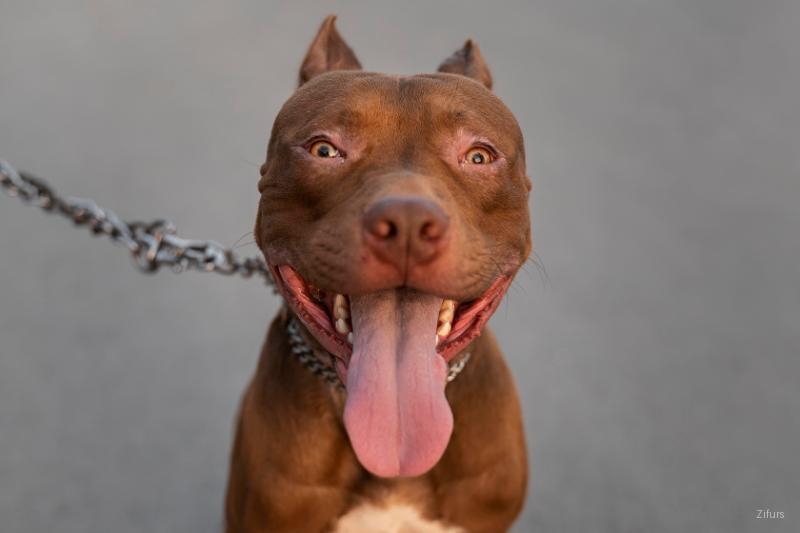
Pitbull
Last Updated:
The Pitbull dog breed (American Pit Bull Terrier) is a strong, intelligent, and loyal companion known for its muscular build and affectionate nature. Popular in India for both companionship and guarding, Pitbulls are highly trainable, energetic, and deeply devoted to their families. With proper training and socialization, they make loving and well-behaved pets.
Height
17 - 21 Inches
Intelligence
High
Lifespan
11 - 14 years
Weight
13.6 - 27.2 kg
Temperament
About
The Pitbull is a muscular, athletic, and energetic type of dog known for its strength, intelligence, confidence, and strong bond with people. The term "Pitbull" is commonly used to describe several closely related or similar-looking dogs, including the American Pit Bull Terrier and other bull-type breeds. Because the term can refer to different dogs, appearance and temperament can vary considerably.
Pitbull-type dogs are often known for being affectionate, energetic, intelligent, playful, confident, loyal, and people-oriented. With responsible ownership, early socialization, positive training, regular exercise, and appropriate supervision, many can become loving family companions.
These dogs are generally athletic and require regular physical activity and mental stimulation. Their short coat is relatively easy to maintain, but their muscular build and energy level mean that training and exercise are important parts of responsible ownership.
Pitbull Appearance
Pitbull-type dogs generally have a muscular, athletic build with a broad chest, strong shoulders, short coat, and powerful appearance. However, physical characteristics can vary depending on the specific breed or mix being described as a Pitbull.
Common characteristics may include:
- Medium-sized, muscular body
- Athletic build
- Broad chest
- Strong shoulders and legs
- Short, smooth coat
- Broad head
- Powerful jaw and muzzle
- Short to medium-length tail
- Well-developed musculature
Coat colors can include black, white, blue, gray, brown, red, fawn, brindle, and combinations of these colors.
Pitbull Temperament
The Pitbull temperament can vary depending on the individual dog, genetics, socialization, training, and environment. Many well-socialized Pitbull-type dogs are affectionate, playful, energetic, and strongly attached to their families.
They can be confident and determined dogs and may have strong prey drive or dog-selective behavior depending on their individual background. Responsible socialization and training are therefore important from an early age.
Are Pitbulls Good Family Dogs?
Well-socialized and properly trained Pitbull-type dogs can make affectionate and devoted family companions. Many enjoy spending time with their owners and can be playful and affectionate with familiar people.
Because of their strength and athleticism, owners should provide appropriate training, supervision, and management, particularly in households with children or other animals.
Are Pitbulls Good with Children?
Individual Pitbull-type dogs can be affectionate and playful with children when properly socialized and raised in a suitable environment. However, no dog should be left unsupervised with young children.
Children should be taught to interact respectfully with dogs and should never disturb a dog while it is eating, sleeping, or resting.
Pitbull Intelligence and Training
Pitbull-type dogs are generally intelligent, energetic, and responsive to training. Many enjoy learning new commands, tricks, and activities, especially when training is reward-based and engaging.
Training should include:
- Basic obedience
- Leash manners
- Recall training
- Impulse control
- Socialization
- Handling and grooming practice
- Calm behavior around people and other animals
Positive reinforcement and consistency are recommended. Because these dogs can be strong and athletic, good leash manners and reliable recall are particularly valuable.
Pitbull Exercise Requirements
Pitbull-type dogs are generally active and athletic and benefit from regular daily exercise. Physical activity should be combined with mental stimulation to keep them engaged and well-adjusted.
Suitable activities include:
- Daily walks
- Brisk walking
- Fetch
- Tug games
- Obedience training
- Scent games
- Puzzle toys
- Agility-style activities
Exercise should be adjusted according to the dog's age, health, fitness level, and individual energy needs.
Can Pitbulls Live in Apartments?
Yes, some Pitbull-type dogs can adapt to apartment living when they receive sufficient daily exercise, mental stimulation, training, and companionship.
Apartment owners should be prepared to provide regular walks and structured activities rather than relying solely on indoor space for exercise.
Pitbull Grooming Requirements
Pitbull-type dogs generally have short, smooth coats that are relatively easy to maintain. They do not usually require extensive professional grooming.
Basic grooming should include:
- Weekly brushing
- Bathing when necessary
- Regular nail trimming
- Routine ear checks
- Dental care
- Regular veterinary examinations
Regular brushing helps remove loose hair and dirt while allowing owners to monitor the skin for irritation or abnormalities.
Do Pitbulls Shed a Lot?
Pitbull-type dogs generally have short coats and usually shed moderately. Loose hair is relatively easy to manage with regular brushing.
Seasonal changes can increase shedding in some individual dogs.
Are Pitbulls Hypoallergenic?
No, Pitbull-type dogs are not considered hypoallergenic. Like other dogs, they can produce allergens through dander, saliva, and skin secretions.
People with dog allergies should spend time around a dog before deciding to adopt one.
Pitbull Health
Pitbull-type dogs can be healthy and active companions when provided with responsible breeding, appropriate nutrition, regular exercise, and preventive veterinary care. However, health risks vary depending on the specific breed, genetics, and individual dog.
Potential health concerns can include hip dysplasia, skin allergies, certain heart conditions, eye disorders, and obesity.
Regular veterinary examinations, maintaining a healthy body weight, appropriate parasite prevention, and responsible breeding practices can help support long-term health.
What Should You Feed a Pitbull?
A Pitbull-type dog should receive a complete and balanced diet appropriate for its age, size, activity level, and health requirements.
Active dogs may require appropriate calorie intake to support their energy expenditure, but portion control remains important to prevent excessive weight gain.
Fresh drinking water should always be available.
Pitbull Socialization
Early and positive socialization is important for Pitbull-type dogs. Puppies should gradually experience different people, environments, sounds, surfaces, handling, and appropriately vaccinated dogs.
Socialization should focus on helping the dog develop confidence and appropriate behavior rather than forcing interactions. Individual temperament and previous experiences should always be considered.
Are Pitbulls Good with Other Dogs?
Compatibility with other dogs varies significantly between individual Pitbull-type dogs. Some are highly social with other dogs, while others may be selective or uncomfortable around unfamiliar dogs.
Dog-to-dog introductions should be gradual and supervised. Owners should pay attention to body language and avoid forcing interactions.
Are Pitbulls Affectionate?
Many Pitbull-type dogs are highly affectionate with their families and enjoy close interaction with their owners. They may seek attention, play, cuddling, and physical contact from people they trust.
Individual personality varies, so owners should respect the dog's preferences and boundaries.
Are Pitbulls Good Guard Dogs?
Pitbull-type dogs can be alert and may protect their families in certain situations, but they should not be selected or trained specifically to encourage aggression.
Proper socialization and obedience training are more important for developing a stable and well-mannered companion.
Are Pitbulls Aggressive?
It is inaccurate to assume that every Pitbull-type dog is aggressive. Behavior varies between individual dogs and is influenced by genetics, early socialization, training, environment, health, and previous experiences.
Responsible ownership involves appropriate socialization, humane training, safe management, and understanding the individual dog's behavior.
Are Pitbulls Good for First-Time Dog Owners?
Some Pitbull-type dogs can be suitable for first-time owners, particularly when the individual dog has a stable temperament and the owner is prepared to provide consistent training and exercise.
Because they are strong, athletic, and energetic, new owners should be prepared to invest time in leash training, socialization, obedience, and responsible management.
Do Pitbulls Need a Lot of Attention?
Pitbull-type dogs generally benefit from regular companionship, interaction, exercise, and mental stimulation. They can become bored or frustrated when routinely left alone for long periods without adequate enrichment.
Daily walks, play, training, and family interaction can help meet their physical and emotional needs.
How Long Do Pitbulls Live?
The lifespan of a Pitbull-type dog depends on the specific breed or mix, genetics, health, nutrition, and lifestyle. American Pit Bull Terriers commonly live around 12 to 14 years, although individual dogs can live longer.
Pitbull Price in India
The Pitbull price in India can vary significantly because "Pitbull" may refer to different breeds or mixed dogs. Price can depend on pedigree, lineage, breeder reputation, health screening, age, location, and availability.
Where legally and responsibly available, a Pitbull-type puppy may cost approximately ₹20,000 to ₹60,000 or more.
Prospective owners should verify the exact breed, local regulations, vaccination records, health history, parental temperament, and breeding practices before acquiring a dog.
Pitbull Monthly Maintenance Cost in India
The estimated Pitbull monthly maintenance cost in India can range from approximately ₹4,000 to ₹8,000 or more, depending on food, veterinary care, parasite prevention, grooming, training, treats, toys, and lifestyle.
Regular expenses may include:
- Quality dog food
- Routine veterinary care
- Vaccinations
- Deworming
- Tick and flea prevention
- Dental care
- Training
- Toys and enrichment
Can Pitbulls Live in India's Climate?
Pitbull-type dogs generally have short coats and can adapt to India's climate, but they can still suffer from heat stress during extreme temperatures.
During hot weather, provide fresh water, shade, good ventilation, and a cool resting area. Exercise should preferably take place during cooler morning or evening hours.
Are Pitbulls High-Maintenance?
Pitbull-type dogs generally have relatively low grooming requirements because of their short coats. However, they can require significant commitment in terms of exercise, training, socialization, and responsible handling.
Their strong and athletic build means owners should be prepared to provide appropriate physical activity and consistent behavioral training.
Do Pitbulls Need a Lot of Exercise?
Most Pitbull-type dogs are active and benefit from regular daily exercise. A combination of walks, play, training, and mentally stimulating activities can help prevent boredom and unwanted behaviors.
Exercise requirements vary by age, health, and individual energy level.
Are Pitbulls Good for Indian Families?
Pitbull-type dogs can be suitable for families that understand their exercise, training, socialization, and responsible-management requirements. Their short coats can make grooming relatively simple, but their strength and energy require committed ownership.
Before bringing one home, prospective owners should also check applicable local rules and housing regulations regarding specific dog breeds or types.
Final Thoughts
The Pitbull is a strong, athletic, intelligent, and often affectionate type of dog that can become a devoted family companion when responsibly raised. Because "Pitbull" can refer to several different breeds and mixes, temperament, appearance, and care requirements can vary between individual dogs.
For prospective owners in India, it is important to consider the Pitbull price in India, ongoing food and healthcare costs, training requirements, exercise needs, and applicable local regulations before bringing one home.
With appropriate socialization, positive training, regular exercise, balanced nutrition, preventive veterinary care, and responsible management, a well-matched Pitbull-type dog can be an energetic and loving companion for many years.
Care Requirements
Compatibility
Available Colors
Health Considerations
- Allergies and Skin Issues
- Hip/Knee Dysplasia
- Demodex Mange
- Hypothyroidism
- Heart Disease
- Neurological Problems
- Gastrointestinal Issues
- Cancer
- Bladder Stones
Fun Facts
- A Pitbull named Sergeant Stubby became a war hero during World War I, detecting gas attacks and saving soldiers.
- Pitbulls were popular in early Hollywood and featured in classic shows like The Little Rascals, where the dog “Petey” became iconic.
Frequently Asked Questions
Common questions about the Pitbull breed.
What is a Pitbull?
Pitbull is a commonly used term for several bull-type dogs, including the American Pit Bull Terrier, American Staffordshire Terrier, Staffordshire Bull Terrier, and related mixes. Because the term covers different dogs, appearance, temperament, and care requirements can vary.
How much does a Pitbull cost in India?
The price of a Pitbull-type dog in India varies depending on the specific breed, pedigree, breeder reputation, health screening, age, location, and availability. A puppy may typically cost around ₹20,000 to ₹60,000 or more.
Are Pitbulls good family dogs?
A well-socialized and properly trained Pitbull-type dog can be an affectionate and loyal family companion. They generally benefit from consistent training, regular exercise, mental stimulation, and close interaction with their families.
Are Pitbulls good with children?
Many well-socialized Pitbull-type dogs can be affectionate and playful with children. However, all interactions between dogs and young children should be supervised, regardless of breed.
Are Pitbulls good with other dogs?
Compatibility with other dogs varies between individual Pitbull-type dogs. Some are social with other dogs, while others may be selective. Introductions should be gradual, controlled, and supervised.
Are Pitbulls affectionate?
Many Pitbull-type dogs are highly affectionate and people-oriented. They often form strong bonds with their owners and enjoy spending time close to their families.
Are Pitbulls intelligent?
Yes, Pitbull-type dogs are generally intelligent and responsive to training. Their combination of intelligence, energy, and eagerness to interact with people can make them engaging training companions.
Are Pitbulls easy to train?
Pitbull-type dogs are generally responsive to positive reinforcement training. Consistency, clear boundaries, rewards, and short engaging sessions can help them learn effectively.
How much exercise does a Pitbull need?
Pitbull-type dogs are generally energetic and benefit from regular daily exercise. Walks, fetch, interactive play, obedience training, agility, and scent-based activities can provide both physical and mental stimulation.
Can Pitbulls live in apartments?
Yes, some Pitbull-type dogs can adapt to apartment living when they receive enough daily exercise, mental stimulation, training, and companionship. Indoor space alone is not a substitute for regular activity.
Do Pitbulls need a lot of exercise?
Most Pitbull-type dogs are active and require regular exercise. A combination of walks, structured play, training, and enrichment can help prevent boredom and unwanted behaviors.
Do Pitbulls shed a lot?
Pitbull-type dogs generally have short coats and shed moderately. Regular brushing can help remove loose hair and keep the coat and skin healthy.
How often should a Pitbull be groomed?
Pitbull-type dogs generally have low grooming requirements. Weekly brushing, occasional bathing, regular nail trimming, ear checks, dental care, and routine veterinary examinations are usually sufficient.
Are Pitbulls hypoallergenic?
No, Pitbull-type dogs are not considered hypoallergenic. They can produce allergens through dander, saliva, and skin secretions. People with dog allergies should spend time around the individual dog before adoption.
Are Pitbulls aggressive?
It is not accurate to assume that every Pitbull-type dog is aggressive. Behavior varies between individual dogs and can be influenced by genetics, socialization, training, environment, health, and previous experiences.
Are Pitbulls good guard dogs?
Pitbull-type dogs can be alert and protective of their families, but they should not be deliberately trained to encourage aggression. Stable temperament, socialization, obedience, and responsible management are more important.
Are Pitbulls good for first-time dog owners?
Some Pitbull-type dogs can suit first-time owners, but their strength, energy, and need for consistent training mean owners must be prepared to invest time in exercise, socialization, obedience, and responsible handling.
Do Pitbulls need a lot of attention?
Pitbull-type dogs generally enjoy human companionship and benefit from regular interaction. Many can become bored or anxious when routinely left alone for long periods without adequate exercise and enrichment.
Can Pitbulls be left alone?
Adult Pitbull-type dogs may tolerate some time alone when their exercise and enrichment needs are met, but they should not routinely be left alone for extended periods. Some individuals may be prone to separation-related anxiety.
What should I feed a Pitbull?
A Pitbull-type dog should receive a complete and balanced diet appropriate for its age, size, activity level, and health. Portion control is important to maintain a healthy body condition, and fresh water should always be available.
Can Pitbulls become overweight?
Yes, Pitbull-type dogs can gain excess weight when calorie intake exceeds their activity level. Measured meals, appropriate treats, regular exercise, and monitoring body condition can help maintain a healthy weight.
What health problems do Pitbulls have?
Health concerns can vary depending on the specific Pitbull-type dog. Conditions reported in American Pit Bull Terriers and related dogs include allergies, hip dysplasia, cataracts, obesity, and some heart or orthopedic problems.
Are Pitbulls prone to skin allergies?
Yes, skin allergies are a recognized health concern in Pitbull-type dogs. Allergies can cause itching, redness, skin irritation, or hair loss and should be evaluated by a veterinarian.
Are Pitbulls prone to hip dysplasia?
Hip dysplasia can occur in American Pit Bull Terriers and related dogs. Maintaining a healthy weight, providing appropriate exercise, and obtaining relevant health information from responsible breeders can help manage risk.
Do Pitbulls need regular veterinary check-ups?
Yes, regular veterinary examinations are important for Pitbull-type dogs. Preventive care should include vaccinations, parasite control, dental care, weight monitoring, and age-appropriate health screening.
How long do Pitbulls live?
American Pit Bull Terriers commonly have a lifespan of around 10 to 14 years, although lifespan varies between individuals and depends on genetics, nutrition, preventive healthcare, body condition, and lifestyle.
Are Pitbulls good indoor dogs?
Yes, Pitbull-type dogs can live indoors and often benefit from being closely involved with their families. They still need regular outdoor exercise, mental stimulation, training, and opportunities to explore safely.
Can Pitbulls live in India's climate?
Pitbull-type dogs generally have short coats and can adapt to India's climate, but they can still experience heat stress during extreme temperatures. Fresh water, shade, ventilation, and exercise during cooler hours are important.
How should I exercise a Pitbull in India's summer?
During hot Indian summers, exercise should preferably take place during cooler morning or evening hours. Avoid strenuous activity during peak heat, provide fresh water, and watch for signs of overheating.
Are Pitbulls high-maintenance?
Pitbull-type dogs generally have low grooming requirements because of their short coats, but they can require significant commitment to exercise, training, socialization, companionship, and responsible management.
Do Pitbulls bark a lot?
Pitbull-type dogs are not necessarily excessive barkers, although individual dogs vary. Barking can increase because of boredom, excitement, anxiety, territorial behavior, or insufficient exercise and can often be managed with appropriate training.
Do Pitbulls like to play?
Yes, many Pitbull-type dogs are playful and energetic. Fetch, tug, scent games, obedience exercises, puzzle toys, and other interactive activities can provide useful physical and mental stimulation.
Are Pitbulls good for active families?
Yes, Pitbull-type dogs can be excellent companions for active families that can provide daily exercise, interactive play, training, and companionship.
Are Pitbulls good with cats?
Some Pitbull-type dogs can live successfully with cats, while others may have a strong prey drive or be uncomfortable around them. Introductions should be gradual and supervised, with the individual dog's temperament carefully considered.
Should Pitbulls be socialized early?
Yes, early and positive socialization is important. Puppies should gradually experience different people, environments, sounds, handling, and appropriately vaccinated dogs to help develop confidence and appropriate social behavior.
Should Pitbulls be trained with positive reinforcement?
Yes, positive reinforcement is an effective approach for Pitbull-type dogs. Rewards such as treats, praise, play, and affection can reinforce desirable behavior while helping build a positive relationship between the dog and owner.
Are Pitbulls loyal?
Yes, many Pitbull-type dogs form strong bonds with their owners and are highly devoted to their families. Their people-oriented nature often makes them eager to participate in family activities.
Are Pitbulls suitable for Indian families?
Pitbull-type dogs can suit Indian families that can provide sufficient exercise, training, socialization, veterinary care, and responsible management. Prospective owners should also check applicable local regulations and housing rules before acquiring one.
What is the monthly maintenance cost of a Pitbull in India?
The estimated Pitbull monthly maintenance cost in India can range from approximately ₹4,000 to ₹8,000 or more, depending on food, veterinary care, vaccinations, parasite prevention, training, grooming, treats, and enrichment.
Why is the term Pitbull confusing?
The term Pitbull is commonly used as an umbrella term rather than the name of one universally recognized breed. It can refer to American Pit Bull Terriers, American Staffordshire Terriers, Staffordshire Bull Terriers, American Bulldogs, and various mixes, so the exact breed should be identified when possible.
Is an American Pit Bull Terrier the same as an American Staffordshire Terrier?
The American Pit Bull Terrier and American Staffordshire Terrier have closely connected histories and can look very similar, but they are registered as separate breeds by different organizations. Individual dogs and breed lines can vary, so registration and pedigree records are useful for determining the specific breed.