
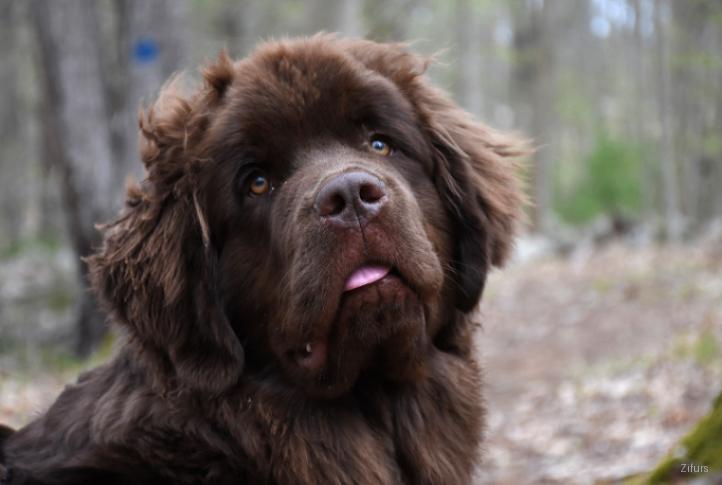
Newfoundland
Last Updated:
The Newfoundland is a giant, gentle, and intelligent dog breed known for its calm temperament and strong swimming abilities. Originally bred as a working dog for fishermen, Newfoundlands are affectionate family companions that are especially good with children. Their loyal nature, thick coat, and protective instincts make them one of the most beloved large dog breeds.
Height
26 - 28 Inches
Intelligence
High
Lifespan
8 - 10 Years
Weight
45 - 70 Kg
Temperament
About
The Newfoundland is a large and powerful working dog breed originally developed in Newfoundland, Canada, where it worked alongside fishermen by assisting with water rescues, pulling fishing nets, and hauling heavy loads. Known for its exceptional swimming ability, physical strength, intelligence, and gentle temperament, the Newfoundland is often described as a “gentle giant.” Despite its imposing size, this breed is typically calm, affectionate, patient, and deeply devoted to its family.
Newfoundlands have a massive, muscular body covered by a thick, water-resistant double coat that helps protect them from cold water and harsh weather conditions. Their large webbed paws, strong limbs, and powerful swimming ability make them particularly well suited to aquatic activities. Common coat colors include black, brown, gray, and black-and-white, with the black-and-white variety often known as the Landseer.
Newfoundlands are known for their calm and affectionate personality and can be especially gentle and patient with children. They generally enjoy being around their families and can become closely attached to their owners. However, because of their enormous size and strength, early obedience training and proper socialization are important to ensure they grow into well-mannered companions.
Although Newfoundlands are working dogs, they typically have a calmer energy level than many other working breeds. They enjoy daily walks, swimming, outdoor activities, and spending time with their families but do not usually require constant high-intensity exercise. They thrive in homes where they receive regular companionship, attention, and opportunities for moderate physical activity.
The Newfoundland is an intelligent and generally willing-to-please breed that can respond well to positive and consistent training. Starting training during puppyhood is particularly important because even basic behaviors become much harder to manage once the dog reaches its full size. Early socialization can also help the dog become confident and comfortable around people, children, other dogs, and different environments.
One of the biggest responsibilities of owning a Newfoundland is grooming. Its thick double coat can shed heavily and may develop mats if it is not brushed regularly. Routine brushing helps remove loose hair, maintain coat health, and reduce tangling. Bathing when necessary, along with regular nail trimming, ear cleaning, and dental care, should also be included in the breed's grooming routine.
Newfoundlands are particularly well known for their love of water and natural swimming ability. Their history as working water dogs has given them strong swimming instincts and physical characteristics that help them move efficiently through water. Owners should still supervise swimming sessions carefully and provide safe access to water.
Because of their large size and thick coat, Newfoundlands require thoughtful care in warm climates. In hot regions, including much of India, exercise should be scheduled during cooler parts of the day, and the dog should have constant access to fresh water, shade, ventilation, and a cool indoor environment. Owners should also be alert for signs of overheating during warm weather.
With proper nutrition, exercise, grooming, veterinary care, training, and family companionship, the Newfoundland can be a gentle, loyal, intelligent, and affectionate companion. Its combination of strength and calm temperament makes it a remarkable breed, particularly for families who have the space, time, and resources required to care for a giant dog.
Newfoundland Appearance
The Newfoundland is a giant dog breed with a powerful, muscular body and a broad chest. Its large frame is supported by strong legs and substantial paws, while its thick double coat provides protection from cold weather and water. Despite its massive appearance, a well-bred Newfoundland should have a balanced and functional build that allows it to move comfortably.
Key physical characteristics of the Newfoundland include:
- Very large and muscular body
- Broad chest and strong shoulders
- Large head with a gentle expression
- Small, relatively deep-set ears
- Strong jaws and broad muzzle
- Thick, water-resistant double coat
- Large paws with webbing between the toes
- Long, strong tail used for swimming
- Powerful limbs suited to swimming and pulling
Newfoundland Coat Colors
The Newfoundland has a thick double coat that is typically dense and water-resistant. Commonly recognized coat colors include:
- Black
- Brown
- Gray
- Black and white (Landseer)
The coat can be relatively straight or have a slight wave and requires regular brushing to manage loose hair and prevent matting.
Newfoundland Temperament and Personality
Newfoundlands are generally known for their gentle, patient, affectionate, and calm temperament. They tend to form strong bonds with their families and often enjoy being close to their owners. Their intelligence and willingness to cooperate can make them rewarding companions when trained using positive and consistent methods.
Common Newfoundland personality traits include:
- Gentle and affectionate
- Loyal and devoted
- Calm and patient
- Intelligent and responsive
- Generally good-natured
- Protective without typically being overly aggressive
- Social and family-oriented
- Strong natural affinity for water
Is the Newfoundland a Good Family Dog?
Yes, the Newfoundland can be an excellent family dog for households that can accommodate its enormous size and care requirements. They are generally affectionate, patient, and devoted to their families. They enjoy companionship and often thrive when they are included in everyday family activities.
Are Newfoundlands Good With Children?
Newfoundlands are widely known for their gentle and patient nature around children. They can form strong bonds with younger family members and are often calm companions. However, their enormous size means they can accidentally knock over small children, so interactions between a Newfoundland and young children should always be supervised.
Are Newfoundlands Good With Other Dogs and Pets?
Newfoundlands can generally live well with other dogs and household pets when properly socialized. Early positive introductions and consistent training can help them develop appropriate behavior around other animals. Because of their size, interactions with much smaller pets should still be supervised.
Are Newfoundlands Easy to Train?
Newfoundlands are intelligent and generally eager to please, which can make them relatively easy to train. They respond best to positive reinforcement, patience, and consistency. Training should focus on basic obedience, leash manners, recall, impulse control, and appropriate social behavior.
When Should Newfoundland Training Start?
Training should begin during puppyhood, when the dog is easier to handle and establish good habits. Early socialization is equally important and should include positive exposure to different people, dogs, environments, sounds, and everyday situations. Teaching leash manners and basic obedience early is especially valuable because of the breed's eventual size and strength.
Newfoundland Exercise Needs
Newfoundlands require regular but generally moderate exercise. Daily walks, swimming, gentle outdoor activities, and interactive play can help maintain their physical fitness and mental well-being. Puppies should not be pushed into excessive or high-impact exercise while their bones and joints are still developing.
Swimming can be an excellent activity for an adult Newfoundland because it provides physical exercise while making use of the breed's natural abilities. Exercise should always be adjusted according to the dog's age, health, weather, and individual fitness level.
Can Newfoundlands Live in Apartments?
Newfoundlands can potentially adapt to apartment living if their exercise, space, grooming, and companionship needs are met, but their enormous size can make smaller homes challenging. A spacious home with easy access to outdoor areas is generally more practical. Owners should also consider elevator access, floor space, and the dog's ability to move comfortably indoors.
Newfoundland Grooming
Newfoundlands require regular grooming because of their thick double coat. Brushing helps remove loose hair, prevent mats, and keep the coat in good condition. Particular attention should be given to areas where the coat can tangle, including behind the ears, around the neck, and around the legs.
How Often Should a Newfoundland Be Groomed?
A Newfoundland should generally be brushed several times a week, with more frequent brushing during heavy shedding periods. Bathing can be done when necessary, although excessive bathing may strip natural oils from the coat. Regular nail trimming, ear cleaning, dental care, and routine coat inspections are also important.
Do Newfoundlands Shed a Lot?
Yes, Newfoundlands shed regularly and can shed heavily during seasonal coat changes. Their thick double coat produces a significant amount of loose hair, so consistent brushing is important for managing shedding and maintaining coat health.
Are Newfoundlands Hypoallergenic?
No, Newfoundlands are not considered hypoallergenic. They shed and produce dander, which can trigger allergic reactions in sensitive individuals.
Newfoundland Health
Newfoundlands are generally strong dogs, but their giant size means they can be susceptible to certain health conditions. Responsible breeding, appropriate nutrition, healthy weight management, regular exercise, and routine veterinary care can help support their overall health.
Potential health concerns may include:
- Hip dysplasia
- Elbow dysplasia
- Heart conditions such as subaortic stenosis
- Gastric dilatation-volvulus (bloat)
- Joint and orthopedic problems
- Inherited eye conditions
- Other age-related health conditions
Regular veterinary examinations can help identify potential problems early and allow appropriate treatment or management.
Newfoundland Diet and Nutrition
Newfoundlands require a complete and balanced diet that is appropriate for their age, size, activity level, and health. Because they are giant dogs, careful portion control and appropriate nutrition are particularly important for supporting healthy growth and maintaining a healthy body weight.
Growing puppies should receive nutrition appropriate for large or giant breeds, as excessive growth can place additional stress on developing bones and joints. Fresh drinking water should always be available, especially after exercise and during warm weather.
Are Newfoundlands Prone to Obesity?
Newfoundlands can gain excess weight if they are overfed or do not receive sufficient activity. Maintaining a healthy body condition is particularly important because extra weight places additional stress on their joints. Portion control, regular exercise, and routine weight monitoring can help reduce this risk.
Do Newfoundlands Bark a Lot?
Newfoundlands are not generally known as excessive barkers, although individual dogs can vary. They may bark to alert their owners, communicate excitement, or respond to unfamiliar situations. Adequate exercise, socialization, and training can help prevent unnecessary vocalization.
Are Newfoundlands Aggressive?
Newfoundlands are generally known for their gentle and calm temperament rather than aggression. They can be protective of their families but are typically affectionate and good-natured when properly socialized. Early training and positive socialization can help promote appropriate behavior around strangers and other animals.
Are Newfoundlands Good for First-Time Owners?
Newfoundlands can be suitable for some first-time owners because they are generally gentle, intelligent, and responsive to training. However, their enormous size, grooming needs, food requirements, veterinary expenses, and physical strength make ownership more demanding than with a smaller breed. First-time owners should be prepared for the responsibilities associated with caring for a giant dog.
How Long Can a Newfoundland Be Left Alone?
Newfoundlands are family-oriented dogs that generally enjoy companionship and may not do well with prolonged isolation. Leaving them alone for extended periods without appropriate preparation can contribute to boredom or stress. Gradual alone-time training, exercise, enrichment, and a comfortable environment can help them cope with short periods alone.
Newfoundland Lifespan
The Newfoundland generally has a lifespan of around 8 to 10 years. Providing appropriate nutrition, maintaining a healthy weight, offering suitable exercise, and keeping up with preventive veterinary care can support their quality of life and overall well-being.
Newfoundland Size
Newfoundlands are giant dogs, with males typically being larger and heavier than females. Their substantial height, weight, bone structure, and muscular build make them one of the larger commonly kept dog breeds.
Newfoundland Price in India
The price of a Newfoundland in India can vary considerably depending on factors such as breeder reputation, pedigree, location, lineage, availability, health screening, and registration. Puppies from responsible breeders who prioritize health and appropriate early socialization may cost more.
Prospective owners should prioritize responsible breeding, vaccination records, health screening, and proper puppy care rather than selecting a Newfoundland based only on purchase price.
Newfoundland Monthly Maintenance Cost in India
The monthly cost of keeping a Newfoundland in India can be relatively high because of its giant size. Food, grooming, preventive healthcare, supplements when recommended, treats, parasite prevention, and veterinary care can contribute significantly to overall expenses.
Owners should also budget for professional grooming when required and unexpected veterinary expenses. Providing appropriate nutrition and maintaining a healthy body weight can help support long-term health and may reduce some avoidable health risks.
Can Newfoundlands Handle the Indian Climate?
Newfoundlands can live in India with careful heat management, but their thick double coat makes hot and humid weather challenging. They are naturally better suited to cooler climates and require additional care during Indian summers.
Exercise should preferably be scheduled during the early morning or evening when temperatures are lower. The dog should have continuous access to fresh water, shade, good ventilation, and a cool indoor resting area. Strenuous exercise should be avoided during peak heat.
Do Newfoundlands Need AC in India?
Air conditioning can be particularly useful for Newfoundlands living in hot regions of India. While AC may not be required throughout the year, access to a reliably cool indoor environment can be important during periods of extreme heat and humidity. Owners should also provide fresh water and avoid exercising the dog during the hottest parts of the day.
Are Newfoundlands High-Maintenance?
Newfoundlands are relatively high-maintenance dogs because of their enormous size, thick coat, regular shedding, grooming requirements, food consumption, and potential veterinary expenses. Their exercise needs are generally moderate compared with many other working breeds, but their overall care requires considerable time, space, and financial commitment.
Are Newfoundlands Good for Indian Families?
Newfoundlands can be wonderful companions for Indian families that have sufficient space, time, and resources to care for a giant breed. Their gentle and affectionate temperament can make them suitable for family life, but owners must be prepared for heavy shedding, regular grooming, substantial food requirements, and careful heat management.
Families living in hot and humid areas should have a reliable cooling plan and schedule outdoor activities around cooler periods. With proper care, training, socialization, and climate management, a Newfoundland can become a loyal and affectionate family companion.
Conclusion
The Newfoundland is a remarkable gentle giant known for its strength, intelligence, swimming ability, and affectionate personality. Originally developed to assist fishermen, the breed has become a beloved family companion because of its calm temperament and devotion to people.
However, owning a Newfoundland requires a significant commitment. Its enormous size, thick coat, heavy shedding, grooming needs, nutritional requirements, and sensitivity to hot weather should all be considered before bringing one home. With proper training, regular grooming, balanced nutrition, veterinary care, moderate exercise, and plenty of family companionship, the Newfoundland can be a gentle, loyal, and rewarding companion.
Care Requirements
Compatibility
Available Colors
Health Considerations
- Hip Dysplasia
- Elbow Dysplasia
- Subaortic Stenosis
- Gastric Dilatation-Volvulus
- Obesity
- Joint problems
Fun Facts
- Rumor has it that in 1815, a Newfoundland leaped into the sea and saved Napoleon Bonaparte from drowning during his escape from the island of Elba.
- Lord Byron built a huge memorial for his Newfoundland dog, Boatswain, and J.M. Barrie made the breed famous as “Nana,” the caring nurse dog in Peter Pan.
Frequently Asked Questions
Common questions about the Newfoundland breed.
Are Newfoundland dogs good family pets?
Yes, Newfoundland dogs can make excellent family pets. They are generally gentle, affectionate, patient, and devoted to their families. Their large size means they should be properly trained and supervised around young children.
Are Newfoundland dogs good with children?
Newfoundland dogs are generally patient and gentle with children and are well known for their calm family temperament. However, because they are very large and powerful, interactions with young children should always be supervised to prevent accidental knocks or injuries.
Are Newfoundland dogs good with other dogs?
Yes, well-socialized Newfoundlands can get along well with other dogs. Early socialization and positive training can help them develop appropriate behavior around unfamiliar dogs and other pets.
Are Newfoundland dogs aggressive?
Newfoundland dogs are generally not considered an aggressive breed. They are typically gentle, calm, and friendly. Poor socialization, fear, pain, or inappropriate handling can affect the behavior of any dog, so early training and socialization are important.
Are Newfoundland dogs easy to train?
Newfoundland dogs are intelligent and generally willing to please, which can make training rewarding. Because they grow into very large dogs, early and consistent training is especially important. Reward-based training and positive reinforcement work well.
When should Newfoundland puppy training start?
Basic training and socialization should begin as early as possible, usually from puppyhood. Teaching commands such as sit, stay, come, leave it, leash manners, and appropriate social behavior helps a Newfoundland become a manageable adult dog.
How much exercise does a Newfoundland need?
Newfoundlands have moderate exercise needs. Daily walks, controlled outdoor activities, short hikes, and swimming can provide suitable physical and mental stimulation. Exercise should be adjusted according to the dog's age, health, weather, and individual fitness.
Do Newfoundland dogs like swimming?
Yes. Newfoundland dogs are naturally strong swimmers and historically worked around water. Their webbed feet, powerful build, and water-resistant coat contribute to their swimming ability. Swimming can also be an enjoyable form of exercise when introduced safely.
Can Newfoundland dogs live in apartments?
Newfoundland dogs can adapt to indoor living if they receive adequate exercise and have enough space to move comfortably. However, their giant size makes spacious homes more practical. Owners should also consider shedding, drooling, and access to cool areas.
Do Newfoundland dogs shed a lot?
Yes. Newfoundland dogs have a thick double coat and shed throughout the year, with heavier shedding periods often occurring during seasonal coat changes. Regular brushing can help remove loose hair and reduce matting.
How often should a Newfoundland be groomed?
A Newfoundland generally needs regular brushing at least once or twice a week, with more frequent brushing during heavy shedding periods. Grooming should also include ear care, nail trimming, bathing when necessary, and regular attention to areas prone to matting.
Are Newfoundland dogs hypoallergenic?
No. Newfoundland dogs are not considered hypoallergenic. They shed their thick double coat and can produce allergens through dander and other sources.
Do Newfoundland dogs drool a lot?
Yes. Newfoundland dogs can drool significantly, particularly around meals, after drinking, or during warm weather and activity. Owners should be prepared to regularly wipe the dog's mouth and surrounding areas.
What health problems are common in Newfoundland dogs?
Newfoundland dogs may be predisposed to several health conditions, including hip and elbow dysplasia, heart conditions such as subaortic stenosis, gastric dilatation-volvulus or bloat, cruciate ligament problems, urinary stones, and certain skin or ear issues. Regular veterinary examinations and appropriate health screening can help with early detection.
How long do Newfoundland dogs live?
The commonly cited lifespan for Newfoundland dogs is around 9 to 10 years, although individual dogs can live longer depending on genetics, health, nutrition, preventive care, and overall lifestyle.
How big does a Newfoundland dog get?
Adult Newfoundland dogs are giant dogs. They typically stand around 26 to 28 inches tall at the shoulder and can weigh approximately 100 to 150 pounds, with males generally being larger and heavier than females.
What colors do Newfoundland dogs come in?
Standard Newfoundland coat colors include black, brown, gray, and black and white, commonly known as Landseer. Individual breed standards can vary by kennel club and region.
Can Newfoundland dogs live in hot Indian weather?
Newfoundland dogs are better suited to cool climates because of their thick double coat and history as a cold-water working breed. In hot Indian weather, they require careful heat management, access to shade and cool indoor spaces, fresh water, and exercise during cooler parts of the day.
Do Newfoundland dogs need an air conditioner in India?
In many parts of India, air conditioning or another reliable cooling arrangement can be very helpful for a Newfoundland during hot weather. Owners should monitor the dog for signs of overheating and avoid strenuous exercise during peak daytime temperatures.
Are Newfoundland dogs high-maintenance?
Newfoundland dogs can be considered high-maintenance because of their giant size, heavy coat, regular grooming needs, shedding, drooling, food requirements, and potentially higher veterinary and general care costs. Their heat sensitivity can also make ownership more demanding in warm climates.
What should I feed a Newfoundland dog?
Newfoundland dogs should receive a complete and balanced diet appropriate for their age, size, activity level, and health. Puppies should generally be fed a diet formulated for controlled growth in large or giant breeds. Portion sizes should be monitored carefully to reduce the risk of excessive weight gain.
Are Newfoundland dogs prone to obesity?
Newfoundland dogs can gain excess weight if their food intake is not matched to their activity level. Maintaining an appropriate body condition is important because excess weight can place additional stress on joints and mobility. Regular weight checks and veterinary guidance are recommended.
Do Newfoundland dogs bark a lot?
Newfoundland dogs are not generally known for excessive barking. They may bark to alert their owners or respond to unusual activity, but their overall temperament is usually calm and relatively quiet.
Can Newfoundland dogs be left alone?
Newfoundland dogs are strongly people-oriented and generally prefer being part of family life. Some may struggle with prolonged isolation or develop separation-related behaviors. If they need to be left alone, they should be gradually taught to tolerate short periods alone with appropriate mental stimulation.
Are Newfoundland dogs good for first-time dog owners?
Newfoundland dogs can be affectionate and trainable companions, but their giant size, grooming requirements, drooling, exercise needs, heat sensitivity, and potentially high ownership costs can make them challenging for inexperienced owners. First-time owners should be prepared for the responsibilities of caring for a giant breed.
How much does a Newfoundland puppy cost in India?
The price of a Newfoundland puppy in India can vary significantly depending on location, breeder reputation, pedigree, health screening, age, and lineage. Prospective owners should prioritize responsible breeding, health testing, vaccination records, and proper puppy socialization rather than choosing solely based on price.
What is the monthly maintenance cost of a Newfoundland in India?
The monthly cost of maintaining a Newfoundland in India can be relatively high because of its giant size. Food, grooming, preventive healthcare, parasite control, supplements when prescribed, and cooling requirements can all contribute to the overall expense. Actual costs vary by location, diet, health, and lifestyle.
Is a Newfoundland suitable for Indian families?
Newfoundland dogs can be loving and gentle family companions, but Indian families should carefully consider the local climate, available indoor space, cooling arrangements, grooming requirements, food costs, and access to veterinary care. They are generally better suited to households that can provide a cool, comfortable environment and enough space.
What are the signs of overheating in a Newfoundland?
Heavy or rapid panting, excessive drooling, weakness, restlessness, vomiting, confusion, unsteady movement, or collapse can be signs of heat-related illness. Heatstroke can be an emergency, so a Newfoundland showing concerning symptoms should be moved to a cooler environment and evaluated by a veterinarian immediately.
How often should a Newfoundland visit the veterinarian?
Healthy adult Newfoundlands should generally receive routine veterinary checkups at least annually, while puppies, seniors, and dogs with health conditions may need more frequent examinations. Because Newfoundlands can be predisposed to orthopedic and cardiac conditions, preventive screening should be discussed with a veterinarian.
Are Newfoundland dogs good guard dogs?
Newfoundland dogs can alert their families to unfamiliar people or unusual activity, but they are generally valued more for their gentle and devoted temperament than for aggressive guarding. Their large size alone can also act as a deterrent.
Are Newfoundland dogs good for senior citizens?
A Newfoundland may not be the easiest choice for every senior because of its giant size, strength, grooming needs, and care costs. However, a physically capable owner with suitable space, support, and experience with large dogs may find the breed to be a calm and affectionate companion.
What makes Newfoundland dogs special?
Newfoundland dogs are known for their combination of exceptional size, gentle temperament, intelligence, swimming ability, and historic work as fishermen's helpers and water-rescue dogs. Their calm and affectionate nature has also made them popular family and therapy companions.