
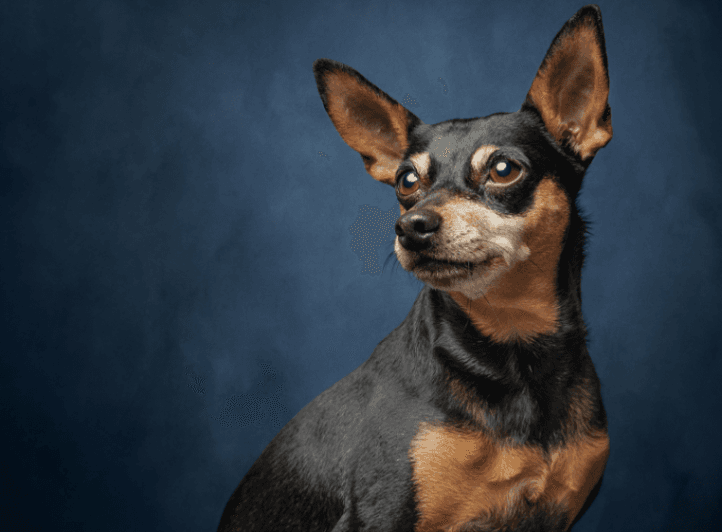
Miniature Pinscher
Last Updated:
The Miniature Pinscher is a small, energetic, and fearless toy breed known for its confident personality and sleek appearance. Often called the “King of Toys,” Miniature Pinschers are intelligent, playful, and loyal companions that thrive in active homes and enjoy being the center of attention.
Height
10 - 12.5 Inches
Intelligence
High
Lifespan
12 - 16 Years
Weight
3.5 - 5 Kg
Temperament
About
The Miniature Pinscher, often affectionately called the “Min Pin,” is a small yet confident dog breed known for its bold personality, elegant appearance, energetic nature, and lively character. Despite its resemblance to a miniature Doberman Pinscher, the Miniature Pinscher is a completely distinct breed with its own history and characteristics. The breed originated in Germany and was traditionally developed to hunt rats and other small vermin.
Miniature Pinschers may be small in size, but they often behave like much larger dogs. They are alert, fearless, curious, and highly energetic, making them entertaining companions for owners who enjoy an active and interactive pet. Their confident personality and strong sense of independence can sometimes make them challenging to train, but consistent positive reinforcement can help them become well-mannered companions.
With their compact body, elegant movement, erect ears, and smooth coat, Miniature Pinschers have a distinctive appearance. They are also known for their characteristic high-stepping gait, which gives them a stylish and confident way of walking.
Miniature Pinscher Appearance
Miniature Pinschers have a small, compact, and muscular body with a naturally athletic appearance. Their legs are slender but strong, allowing them to move quickly and confidently.
Their head is proportionate to their body, with alert eyes and erect ears that contribute to their attentive expression. Their short muzzle and confident posture give them a distinctive appearance.
One of their most recognizable characteristics is their high-stepping “hackney” gait. During movement, the front legs may lift noticeably high, creating an elegant and energetic walking style.
Miniature Pinscher Coat and Colors
The Miniature Pinscher has a short, smooth, and close-fitting coat that is relatively easy to maintain. Their coat naturally has a sleek appearance and usually does not require extensive grooming.
Common coat colors include black and rust, chocolate and rust, red, and stag red. The markings and intensity of color can vary between individual dogs.
Because the coat is short and provides limited insulation, Miniature Pinschers may be sensitive to cold weather. A comfortable indoor environment and appropriate protection during colder months can help keep them comfortable.
Miniature Pinscher Personality and Temperament
Miniature Pinschers are known for being bold, energetic, intelligent, alert, curious, and confident. Their small size does not prevent them from displaying a fearless personality.
They are often very curious about their surroundings and enjoy investigating new places, sounds, objects, and activities. Their natural alertness can also make them attentive watchdogs.
Miniature Pinschers can be affectionate and loyal toward their families but may also have an independent or stubborn side. Early socialization and consistent training are particularly important to help them develop good manners and confidence around unfamiliar people and animals.
Are Miniature Pinschers Good Family Dogs?
Miniature Pinschers can make excellent companion dogs for families that understand their energetic and confident temperament. They often form strong bonds with their owners and enjoy participating in family activities.
Because of their small size and energetic personality, interactions with very young children should be supervised. Children should be taught to handle the dog gently and avoid rough play.
They generally do best in homes where they receive regular attention, exercise, training, and mental stimulation.
Are Miniature Pinschers Good With Other Pets?
Miniature Pinschers can live with other dogs and pets when properly socialized. However, their natural prey drive may cause them to chase smaller animals such as rodents, rabbits, or other small pets.
Early socialization and gradual introductions can help them become comfortable around other dogs. Interactions with smaller animals should be supervised carefully, particularly if the Miniature Pinscher shows strong chasing behavior.
Miniature Pinscher Exercise and Activity Needs
Miniature Pinschers are energetic dogs that require regular daily exercise. Their small size does not mean they are low-energy dogs.
Daily walks, indoor play, short training sessions, and interactive games can help meet their physical and mental needs. Activities such as fetch, puzzle toys, scent games, and obedience exercises can be particularly useful for keeping them engaged.
Because they are intelligent and curious, mental stimulation is just as important as physical exercise. Without sufficient activity, they may become bored and develop unwanted behaviors such as excessive barking, chewing, or persistent restlessness.
Miniature Pinscher Training
Miniature Pinschers are intelligent and capable of learning quickly, but their independent personality can sometimes make training challenging. They respond best to consistent, reward-based training.
Short and engaging training sessions using treats, praise, and toys can help maintain their attention. Repetition and consistency are important because Min Pins can quickly learn both desirable and undesirable habits.
Early socialization should introduce puppies to different people, environments, sounds, dogs, and experiences in a controlled and positive manner. This can help prevent excessive fear, barking, or nervous behavior later in life.
Miniature Pinscher Grooming
Miniature Pinschers have relatively low grooming requirements because of their short, smooth coat. Regular brushing with a soft brush or grooming mitt can help remove loose hair and keep the coat clean and shiny.
They generally do not require frequent bathing unless they become particularly dirty. Over-bathing can dry out the skin, so bathing should be done when necessary using a suitable dog shampoo.
Other routine care should include nail trimming, ear checks, dental hygiene, and regular inspection of the skin. Establishing these routines early can make grooming easier as the dog grows.
Miniature Pinscher Diet and Nutrition
A complete and balanced diet is essential for supporting a Miniature Pinscher's energy levels, muscles, healthy skin, and overall wellbeing. Their food should provide appropriate amounts of high-quality protein, healthy fats, vitamins, minerals, and other essential nutrients.
Because Miniature Pinschers are small dogs, portion control is particularly important. Even small amounts of excess food or treats can contribute to weight gain over time.
The appropriate feeding amount depends on the dog's age, weight, activity level, health, and the type of food being provided. Fresh drinking water should always be available.
Pet parents should consult a veterinarian if they need help selecting an appropriate diet or determining suitable portion sizes.
Miniature Pinscher Health
Miniature Pinschers are generally active and healthy dogs, but like all breeds, they can be predisposed to certain health conditions. Regular veterinary care can help identify potential problems early.
Some health concerns that may occur include patellar luxation, Legg-Calvé-Perthes disease, dental disease, eye problems, and obesity. Individual risk varies depending on genetics, lifestyle, nutrition, and overall healthcare.
Because of their small size and active nature, owners should also take care to prevent accidental injuries. Jumping from high furniture or being stepped on can pose a greater risk to a small dog.
Miniature Pinscher Vaccination and Preventive Care
Routine preventive healthcare is essential for keeping a Miniature Pinscher healthy. Vaccinations should follow a veterinarian-recommended schedule based on the dog's age, lifestyle, previous vaccination history, and local disease risks.
Preventive care may include vaccinations, rabies vaccination where appropriate, deworming, flea and tick prevention, dental care, nail trimming, and regular veterinary examinations.
Routine dental care is especially useful because small dog breeds can be more susceptible to dental problems. Regular veterinary examinations can help monitor their teeth, joints, weight, eyes, and general health.
Miniature Pinscher Lifespan
With proper nutrition, regular exercise, preventive healthcare, and a healthy lifestyle, Miniature Pinschers can commonly live for around 12 to 16 years. Some individuals may live longer depending on genetics and overall care.
Maintaining a healthy body weight, providing appropriate exercise, keeping vaccinations up to date, and scheduling regular veterinary checkups can help support a long and healthy life.
Are Miniature Pinschers Suitable for Apartment Living?
Yes, Miniature Pinschers can adapt well to apartment living because of their small size. However, they are energetic dogs and need regular opportunities for exercise and mental stimulation.
Daily walks, indoor play, puzzle toys, training exercises, and interactive games can help keep them satisfied in an apartment. Owners should also provide a safe and comfortable resting area where the dog can relax after activity.
Do Miniature Pinschers Get Cold Easily?
Miniature Pinschers can be sensitive to cold weather because they have a short coat and relatively little body insulation. During colder months, they may benefit from a suitable dog sweater or coat when going outdoors.
They should have access to a warm and comfortable indoor sleeping area. Outdoor exposure during very cold weather should be limited according to the dog's comfort and individual tolerance.
Are Miniature Pinschers Good for First-Time Dog Owners?
Miniature Pinschers can be suitable for first-time dog owners who are prepared to provide consistent training, daily exercise, socialization, and companionship.
Their confident and sometimes stubborn personality means that owners need patience and consistency. They are not necessarily difficult to train, but they benefit from clear boundaries, positive reinforcement, and early socialization.
Are Miniature Pinschers Aggressive?
Miniature Pinschers are not inherently aggressive, but their alert and fearless personality can sometimes make them appear more assertive than their size suggests. Poor socialization, fear, boredom, or inconsistent training can contribute to unwanted behaviors such as excessive barking or reactivity.
Early socialization, positive reinforcement, appropriate exercise, and consistent training can help develop a confident and well-mannered dog.
Tips for Taking Care of a Miniature Pinscher
Provide your Miniature Pinscher with a balanced diet, fresh water, daily exercise, interactive play, and consistent training. Puzzle toys, scent games, obedience exercises, and interactive activities can help keep their intelligent minds engaged.
Because they are small and energetic, make sure your home is safe from hazards such as open balconies, unsecured stairs, and objects that could be knocked over during play. Supervise interactions with young children and smaller pets.
Protect them from extreme cold, maintain regular dental care and nail trimming, and keep vaccinations and parasite prevention up to date. Regular veterinary checkups can help identify potential health problems early.
Monitor changes in appetite, weight, activity, mobility, behavior, or dental health and consult a veterinarian if anything unusual develops.
Final Thoughts
The Miniature Pinscher is a small but remarkably confident dog with a bold personality, elegant appearance, and high energy levels. Its compact muscular body, erect ears, smooth coat, and characteristic high-stepping gait make it one of the most recognizable small dog breeds.
Despite its small size, the Min Pin needs regular exercise, mental stimulation, training, and social interaction. Its independent nature can sometimes be challenging, but consistent positive reinforcement can help turn its intelligence and confidence into desirable behaviors.
With proper nutrition, regular exercise, early socialization, preventive healthcare, training, and plenty of affection, a Miniature Pinscher can become a lively, loyal, and entertaining companion for many years.
Care Requirements
Compatibility
Available Colors
Health Considerations
- Patellar Luxation
- Progressive Retinal Atrophy (PRA)
- Epilepsy
- Obesity
- Heart Problems
Fun Facts
- Despite their appearance, Miniature Pinscher are not miniature Dobermans and are actually an older breed.
Frequently Asked Questions
Common questions about the Miniature Pinscher breed.
What is a Miniature Pinscher?
The Miniature Pinscher, often called the Min Pin, is a small, energetic dog breed originally developed in Germany. It is known for its confident personality, elegant appearance, smooth coat, and distinctive high-stepping gait.
Are Miniature Pinschers good pets?
Yes, Miniature Pinschers can make excellent companion dogs. They are intelligent, loyal, playful, energetic, and affectionate with their families.
What is the lifespan of a Miniature Pinscher?
Miniature Pinschers can commonly live for around 12 to 16 years with proper nutrition, exercise, preventive healthcare, regular veterinary checkups, and a healthy lifestyle.
Are Miniature Pinschers good with children?
Miniature Pinschers can get along with children when properly socialized. Because they are small and energetic, children should be taught to handle them gently and avoid rough play.
Are Miniature Pinschers good with other dogs?
Miniature Pinschers can live well with other dogs when properly socialized. Early introductions and positive experiences with other dogs can help them become more comfortable and confident.
Can Miniature Pinschers live with cats?
Miniature Pinschers can live with cats when introduced carefully, although their natural prey drive may cause them to chase smaller animals. Introductions should be gradual and interactions should be supervised.
Are Miniature Pinschers aggressive?
Miniature Pinschers are not inherently aggressive, but they are naturally confident, alert, and fearless. Early socialization, consistent training, and positive reinforcement can help prevent unwanted reactive or territorial behavior.
How much exercise does a Miniature Pinscher need?
Miniature Pinschers need regular daily exercise, including walks, indoor play, interactive games, and mental stimulation. Their small size does not mean they are a low-energy breed.
Are Miniature Pinschers suitable for apartment living?
Yes, Miniature Pinschers can adapt well to apartment living because of their small size. They still require daily exercise, playtime, training, and mental stimulation to stay happy and well behaved.
Are Miniature Pinschers easy to train?
Miniature Pinschers are intelligent and can learn quickly, but their independent and sometimes stubborn personality can make training challenging. They respond best to short, consistent, reward-based training sessions.
What is the Miniature Pinscher's hackney gait?
The hackney gait is the distinctive high-stepping movement associated with Miniature Pinschers. The dog lifts its front legs noticeably high while walking, giving it an elegant and confident appearance.
Do Miniature Pinschers shed a lot?
Miniature Pinschers have a short, smooth coat and generally have manageable shedding. Regular brushing with a soft brush or grooming mitt can help remove loose hair and keep the coat healthy.
How often should a Miniature Pinscher be groomed?
Miniature Pinschers have relatively low grooming requirements. Regular brushing, occasional bathing when necessary, nail trimming, ear checks, and dental care are usually sufficient.
Do Miniature Pinschers get cold easily?
Yes, Miniature Pinschers can be sensitive to cold because of their short coat and small body. During colder weather, they may benefit from a suitable dog sweater or coat and a warm indoor sleeping area.
What do Miniature Pinschers eat?
Miniature Pinschers should receive a complete and balanced diet appropriate for their age, size, activity level, and health. Portion control is important because excess weight can affect their overall health and mobility.
What health problems can Miniature Pinschers have?
Miniature Pinschers can be susceptible to conditions such as patellar luxation, Legg-Calvé-Perthes disease, dental disease, eye problems, and obesity. Regular veterinary checkups can help identify potential health problems early.
Are Miniature Pinschers high maintenance dogs?
Miniature Pinschers have relatively low grooming needs, but they require regular exercise, training, socialization, and mental stimulation. Their overall care is manageable when their energetic personality is properly accommodated.
Are Miniature Pinschers good watchdogs?
Yes, Miniature Pinschers are naturally alert and observant and may bark to alert their owners to unfamiliar people, sounds, or activity. Training is important to prevent excessive barking.
How much does a Miniature Pinscher cost in India?
The price of a Miniature Pinscher in India varies depending on factors such as breeder reputation, pedigree, lineage, location, age, and availability. Prospective owners should also consider ongoing food, healthcare, grooming, and veterinary expenses.
How can I keep my Miniature Pinscher healthy?
Provide a balanced diet, fresh water, daily exercise, mental stimulation, positive training, regular dental care, vaccinations, parasite prevention, and routine veterinary checkups. Maintaining a healthy weight and monitoring mobility, appetite, and behavior can also support long-term health.