
Maltipoo
Last Updated:
The Maltipoo is a small, affectionate designer dog breed created by crossing a Maltese dog and a Poodle. Known for its fluffy coat and friendly personality, it is one of the most popular companion dogs for urban homes.
Height
8 - 14 Inches
Intelligence
High
Lifespan
10 - 15 years
Weight
2 - 7 Kg
Temperament
About
The Maltipoo dog breed is a highly sought-after hybrid known for its adorable appearance, intelligence, affectionate personality, and playful nature. A cross between the Maltese and Poodle, the Maltipoo combines many of the desirable qualities of both parent breeds. Their small size, friendly temperament, and adaptability have made them popular among families, singles, couples, and seniors.
Maltipoos are particularly well suited to indoor living and can adapt extremely well to apartments and smaller homes. Their compact size makes them convenient for urban households, including pet parents living in cities such as Gurgaon, Delhi, Mumbai, Bangalore, and Hyderabad. However, despite their small stature, Maltipoos are active and social dogs that need regular play, exercise, companionship, and mental stimulation.
One of the most appealing characteristics of the Maltipoo is its soft, fluffy coat. Depending on genetics, the coat can be curly, wavy, or slightly straight and often gives the dog a distinctive teddy bear-like appearance. Maltipoos are generally considered low-shedding dogs, although the amount of shedding can vary between individual dogs. They are often considered suitable for people with mild allergies, but no dog is completely allergy-free.
In terms of personality, Maltipoos are affectionate, social, intelligent, playful, and people-oriented. They often enjoy staying close to their owners and can form strong emotional bonds with their families. Because of this strong attachment, some Maltipoos may experience separation anxiety when left alone for long periods.
Maltipoos are also known for their intelligence and willingness to learn. Their Poodle heritage can contribute to their ability to pick up commands and routines quickly. Positive reinforcement using treats, praise, toys, and play can make training enjoyable and effective. Early socialization is equally important to help a Maltipoo become comfortable around people, children, other dogs, and different environments.
Maltipoos can generally get along well with children and other pets when properly socialized. However, their small size means that young children should always be supervised around them. Rough handling or accidental falls can cause injuries to a small Maltipoo.
The Maltipoo dog price in India typically ranges from ₹30,000 to ₹80,000, although the actual price can vary depending on factors such as breeder reputation, lineage, location, coat characteristics, availability, and health screening. Monthly maintenance costs can range from approximately ₹3,000 to ₹7,000 depending on food, grooming, healthcare, preventive care, toys, and lifestyle.
Maltipoo Appearance
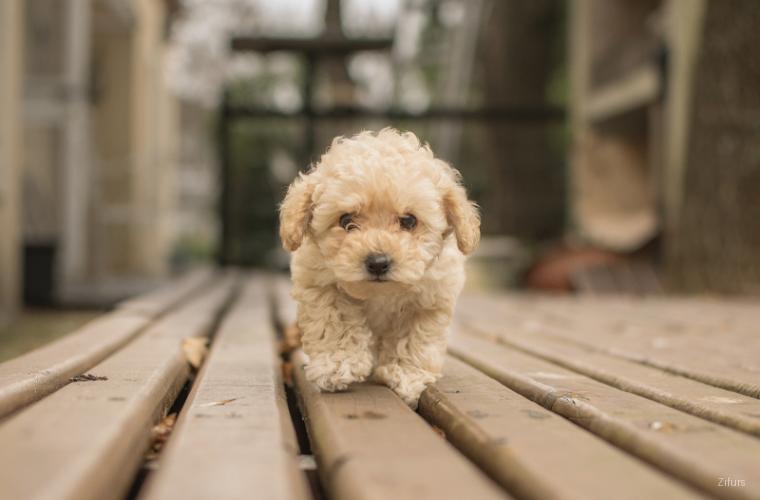
The Maltipoo is a small and charming dog with a soft coat, expressive eyes, compact body, and adorable facial features. Its appearance can vary because Maltipoos are a hybrid breed and may inherit different physical characteristics from the Maltese and Poodle parent breeds.
Many Maltipoos have a rounded face, dark expressive eyes, a small nose, floppy ears, and a soft, fluffy coat. Their overall appearance often gives them the popular teddy bear look that makes the breed especially appealing to families and apartment dwellers.
Key physical characteristics of the Maltipoo include:
- Small and compact body
- Soft and fluffy coat
- Curly, wavy, or slightly straight hair
- Round and expressive eyes
- Small dark nose
- Floppy ears
- Short to medium-length muzzle
- Compact legs and body
- Plush teddy bear-like appearance
- Light and agile movement
Maltipoo Coat Colors
Maltipoos can come in several different coat colors depending on the genetics inherited from their Maltese and Poodle parents. White and cream are among the commonly seen colors, while some Maltipoos may have apricot, red, brown, black, or combinations of different shades.
Common Maltipoo coat colors may include:
- White
- Cream
- Apricot
- Red
- Brown
- Black
- Black and white
- Apricot and white
- Other mixed shades
The texture and appearance of the coat can also vary considerably between individual Maltipoos. Some have loose waves, while others inherit a tighter curl similar to a Poodle.
Maltipoo Temperament and Personality
The Maltipoo is generally known for being affectionate, friendly, playful, intelligent, and highly social. These dogs often enjoy being around people and can become strongly attached to their owners.
Because they are companion-oriented dogs, Maltipoos usually enjoy participating in family activities and spending time with their owners. They can be lively and playful while also being gentle and affectionate when properly socialized.
Common Maltipoo personality traits include:
- Affectionate and loving
- Friendly and social
- Intelligent and eager to learn
- Playful and energetic
- People-oriented
- Curious and alert
- Adaptable
- Generally good-natured
- Emotionally attached to owners
- Sometimes sensitive to changes in routine
Is the Maltipoo a Good Family Dog?
Yes, Maltipoos can make excellent family dogs for households that can provide companionship, attention, exercise, grooming, and training. Their small size and affectionate nature make them particularly appealing to families living in apartments or smaller homes.
They enjoy being involved in family activities and generally prefer homes where they receive plenty of human interaction. Because of their strong attachment to their owners, they may not be suitable for households where the dog would regularly be left alone for long periods.
Are Maltipoos Good With Children?
Maltipoos can be good with children when properly socialized and treated gently. Their playful personality can make them fun companions for older children who understand how to interact respectfully with dogs.
Because Maltipoos are small and can be physically delicate, interactions with young children should always be supervised. Children should be taught not to pull the dog's ears or tail, carry it improperly, or disturb it while it is eating or sleeping.
Are Maltipoos Good With Other Dogs and Pets?
Maltipoos can generally get along well with other dogs and household pets when introduced gradually and socialized from an early age. Their friendly and social personality can help them adjust to multi-pet households.
Supervised introductions are recommended, particularly when bringing a Maltipoo into a home with a larger dog. Because of their small size, owners should ensure that play does not become too rough.
Are Maltipoos Easy to Train?
Maltipoos are generally intelligent and responsive to training, partly because of their Poodle heritage. They can learn basic commands, household routines, leash manners, and tricks when training is consistent and rewarding.
Positive reinforcement is usually the most effective approach. Treats, praise, toys, and play can encourage good behavior while keeping training enjoyable. Harsh training methods should be avoided, particularly because Maltipoos can be sensitive dogs.
When Should Maltipoo Training Start?
Training and socialization should begin during puppyhood. Early training helps establish good habits before unwanted behaviors become difficult to change.
Important areas of early training include:
- House training
- Name recognition
- Basic obedience
- Leash walking
- Recall
- Crate training
- Handling and grooming tolerance
- Socialization with people and dogs
Consistent routines and short, positive training sessions can help a Maltipoo learn effectively.
Maltipoo Exercise Needs
Maltipoos are small dogs, but they still require regular physical activity and mental stimulation. Their exercise needs can usually be met through daily walks, indoor play, interactive games, and short training sessions.
Suitable activities for a Maltipoo include:
- Daily walks
- Indoor play
- Fetch
- Interactive toys
- Puzzle toys
- Basic obedience games
- Trick training
- Supervised outdoor play
Mental stimulation is particularly useful for intelligent Maltipoos. Puzzle feeders, interactive toys, scent games, and short training sessions can help prevent boredom.
Can Maltipoos Live in Apartments?
Yes, Maltipoos are highly adaptable and can live comfortably in apartments when their exercise, play, grooming, and companionship needs are met.
Their small size makes them suitable for indoor environments, but apartment living should not mean a lack of activity. Daily walks, play sessions, training, and mental enrichment are important for maintaining their physical and emotional wellbeing.
Because Maltipoos can be alert and sometimes vocal, early training can also help manage unnecessary barking in apartment environments.
Maltipoo Grooming
Maltipoos generally require regular grooming because their soft, wavy, or curly coat can become tangled and matted if it is not maintained properly.
Regular brushing is important for removing loose hair, preventing tangles, and keeping the coat healthy. Professional grooming may also be required periodically to maintain an appropriate coat length.
Other important grooming and hygiene tasks include:
- Regular brushing
- Professional hair trimming
- Nail trimming
- Ear cleaning
- Dental care
- Eye-area cleaning
- Bathing when necessary
How Often Should a Maltipoo Be Groomed?
A Maltipoo generally benefits from frequent brushing, particularly if it has a curly or longer coat. Regular professional grooming may also be needed to prevent excessive matting and maintain a comfortable coat length.
The ears, eyes, teeth, and nails should be checked regularly. Establishing grooming routines from puppyhood can also help the dog become comfortable with brushing, bathing, nail trimming, and professional grooming.
Do Maltipoos Shed?
Maltipoos are generally considered low-shedding dogs, although shedding can vary depending on the coat inherited from their parents. Dogs with curlier coats may retain more loose hair within the coat rather than dropping it around the home.
Low shedding does not mean no shedding. Regular brushing remains important for removing loose hair and preventing mats.
Are Maltipoos Hypoallergenic?
Maltipoos are often described as hypoallergenic because of their low-shedding coats, but no dog is completely allergy-free. Allergens can come from a dog's skin, saliva, and other natural secretions rather than only from its fur.
People with allergies should spend time around a Maltipoo before bringing one home to understand how they personally respond to the dog.
Maltipoo Health
Maltipoos can be healthy dogs when responsibly bred and properly cared for, but they may inherit health concerns associated with either parent breed. Regular veterinary checkups, preventive healthcare, appropriate nutrition, healthy weight management, and responsible breeding can help support their overall health.
Potential health concerns may include:
- Dental problems
- Patellar luxation
- Eye conditions
- Ear problems
- Allergies and skin problems
- Hypoglycemia in very small puppies
- Joint-related problems
- Other inherited or age-related conditions
Regular veterinary examinations can help identify potential health problems early and allow appropriate treatment or management.
Maltipoo Diet and Nutrition
Maltipoos should receive a complete and balanced diet appropriate for their age, size, activity level, and individual health requirements. Because they are small dogs, their food portions should be carefully measured to avoid overfeeding.
Maltipoo puppies require appropriate nutrition for healthy growth, while adult dogs need a balanced diet that supports healthy body weight, muscles, skin, and coat.
Fresh drinking water should always be available, and treats should be provided in moderation.
Are Maltipoos Prone to Obesity?
Maltipoos can gain excess weight if they receive too many calories or insufficient exercise. Their small body size means that even relatively small amounts of extra food can contribute to weight gain.
Portion control, regular exercise, appropriate treats, and routine monitoring of body condition can help maintain a healthy weight.
Do Maltipoos Bark a Lot?
Maltipoos can be alert and vocal dogs and may bark when they hear unfamiliar sounds, see strangers, notice other animals, or become excited. Some individuals may also bark when seeking attention or when experiencing boredom or separation anxiety.
Early socialization and positive training can help teach a Maltipoo when barking is appropriate. Providing sufficient exercise, enrichment, and companionship can also help reduce barking associated with boredom or frustration.
Are Maltipoos Aggressive?
Maltipoos are not generally considered an aggressive breed. They are typically affectionate, social, and people-oriented dogs. However, individual temperament can vary depending on genetics, socialization, training, environment, and previous experiences.
Fear, stress, pain, poor socialization, or inappropriate handling can influence the behavior of any dog. Early positive socialization and gentle, consistent training can help a Maltipoo develop into a confident and well-adjusted companion.
Are Maltipoos Good for First-Time Owners?
Maltipoos can be a good choice for first-time dog owners because of their small size, affectionate personality, adaptability, and intelligence. They can learn household routines and basic commands when provided with consistent positive training.
However, first-time owners should be prepared for their grooming requirements, need for companionship, regular exercise, dental care, and potential separation anxiety. Their small size also means that they should be handled carefully.
How Long Can a Maltipoo Be Left Alone?
Maltipoos are highly social companion dogs and generally prefer to spend time with their owners. Because they can form strong emotional bonds with people, some Maltipoos may experience separation anxiety when left alone for long periods.
Alone time should be introduced gradually from puppyhood. Providing safe toys, puzzle feeders, comfortable resting areas, and other enrichment activities can help make short periods alone easier.
Owners who regularly work long hours should carefully consider whether they can provide sufficient companionship and interaction throughout the day.
Maltipoo Lifespan
Maltipoos can have a relatively long lifespan, with many living around 12 to 15 years depending on genetics, nutrition, healthcare, exercise, and overall lifestyle.
Regular veterinary checkups, preventive healthcare, dental care, appropriate nutrition, healthy weight management, and regular exercise can help support a long and healthy life.
Maltipoo Size
Maltipoos are small dogs, although their exact size can vary depending on the size of the Poodle parent used in breeding.
Their compact size makes them convenient for apartment living and travel, but their small bodies also require careful handling. Owners should prevent accidental falls, rough play, and situations where the dog could be stepped on or injured.
Maltipoo Price in India
The Maltipoo price in India typically ranges from around ₹30,000 to ₹80,000, although prices can vary significantly depending on location, breeder reputation, lineage, availability, health screening, coat characteristics, and the quality of care provided to the puppy.
Maltipoos can be less commonly available than some established dog breeds, so prospective owners should take time to identify responsible breeders and verify the puppy's health and background.
Important factors to consider when choosing a Maltipoo puppy include:
- Vaccination records
- Deworming history
- Health records
- Parent health and temperament
- Responsible breeding practices
- Living conditions
- Early socialization
Choosing a healthy and responsibly raised puppy is more important than selecting one based solely on the lowest price.
Maltipoo Monthly Maintenance Cost in India
The monthly cost of caring for a Maltipoo in India can vary depending on food, grooming, healthcare, parasite prevention, toys, treats, and lifestyle.
Typical expenses may include:
- Quality dog food
- Professional grooming
- Preventive healthcare
- Vaccinations
- Parasite prevention
- Grooming supplies
- Toys and enrichment
- Dental care
- Veterinary consultations
A reasonable monthly budget may range from approximately ₹3,000 to ₹7,000, although actual costs can be higher depending on grooming frequency, healthcare needs, food choices, and location.
Can Maltipoos Handle the Indian Climate?
Maltipoos can adapt to India's climate when provided with appropriate care and a comfortable indoor environment. Their coat can vary considerably, and individual dogs may respond differently to hot and humid weather.
During Indian summers, Maltipoos should have access to fresh drinking water, shade, good ventilation, and a cool indoor environment. Outdoor walks and play should preferably be scheduled during cooler parts of the morning or evening.
Owners should also monitor their Maltipoo for signs of overheating and avoid prolonged exposure to extreme temperatures.
Do Maltipoos Need AC in India?
Air conditioning is not necessarily required for every Maltipoo in India, but it can be helpful during periods of extreme heat and humidity. The priority is providing a cool, comfortable, and well-ventilated environment.
Fresh water, shade, appropriate grooming, and avoiding strenuous exercise during peak afternoon heat can help keep a Maltipoo comfortable during summer.
Are Maltipoos High-Maintenance?
Maltipoos are relatively easy to manage in terms of size and exercise, but they can be considered moderately high-maintenance when it comes to grooming and companionship.
Their soft coat requires regular brushing and professional grooming, while their affectionate and social personality means they benefit from frequent human interaction. Owners should also pay attention to dental hygiene, ear care, exercise, training, and preventive healthcare.
For owners who can provide regular grooming and companionship, the Maltipoo can be a convenient and rewarding indoor companion.
Are Maltipoos Good for Indian Families?
Maltipoos can be excellent companions for Indian families that can provide adequate attention, grooming, exercise, training, and veterinary care. Their small size and adaptable nature make them particularly suitable for apartments and urban homes.
Families should consider their grooming requirements, social nature, potential separation anxiety, and sensitivity to rough handling before bringing one home.
Families living in hot regions should also have a reliable plan for keeping their Maltipoo cool during periods of extreme heat and humidity.
With proper training, socialization, nutrition, grooming, preventive healthcare, and companionship, a Maltipoo can become a loving, playful, intelligent, and loyal family companion.
Conclusion
The Maltipoo is a popular hybrid dog breed known for its adorable teddy bear-like appearance, intelligence, affectionate personality, and adaptability. A cross between the Maltese and Poodle, the breed combines many of the desirable qualities associated with both parent breeds.
Its small size and adaptable nature make the Maltipoo particularly suitable for apartment living and urban families. At the same time, prospective owners should understand that this is not a completely maintenance-free dog. Regular grooming, daily activity, mental stimulation, training, dental care, and companionship are important for keeping a Maltipoo healthy and happy.
While Maltipoos are often considered low-shedding and may be suitable for some allergy-sensitive households, no dog is completely hypoallergenic. Their strong attachment to their owners also means that separation anxiety can become a concern if they are regularly left alone for long periods.
With responsible breeding, balanced nutrition, regular grooming, early socialization, positive training, preventive veterinary care, and plenty of love and companionship, the Maltipoo can be an affectionate, intelligent, playful, and rewarding companion for families, singles, couples, and seniors.
Care Requirements
Compatibility
Available Colors
Health Considerations
- Patellar Luxation
- Tracheal collapse
- Shaker Syndrome
- Progressive Retinal Atrophy
- White Shaker Syndrome
- Portosystemic shunts
- Progressive retinal atrophy
Fun Facts
- Rihanna owned a Maltipoo named Oliver, who was named one of the Top 10 Celebrity Pets of 2012.
- Maltipoos are famous for their “teddy bear” appearance, especially after grooming.
Frequently Asked Questions
Common questions about the Maltipoo breed.
Is Maltipoo a good family dog?
Yes. Maltipoos are generally affectionate, friendly, playful, and people-oriented, making them suitable companions for many families when properly trained and socialized.
Is Maltipoo good with children?
Maltipoos can be good with children when properly socialized. Because they are small dogs, young children should always be supervised and taught to handle them gently to prevent accidental injuries.
Is Maltipoo good with other dogs?
Yes. Maltipoos can generally get along well with other dogs when introduced gradually and socialized from an early age. Individual temperament and training should also be considered.
Is Maltipoo an aggressive dog?
Maltipoos are not generally considered an aggressive breed. However, fear, poor socialization, frustration, or lack of training can contribute to reactive or defensive behavior in individual dogs.
Is Maltipoo easy to train?
Yes. Maltipoos are generally intelligent and eager to please, making them relatively trainable. Positive reinforcement, consistency, short training sessions, and rewards work well.
When should Maltipoo training start?
Training and socialization should begin during puppyhood. Basic commands, house training, leash manners, handling, and positive exposure to different people, sounds, environments, and animals can be introduced early.
How much exercise does a Maltipoo need?
Maltipoos generally need moderate daily exercise. Walks, indoor play, interactive games, and short training sessions can help meet their physical and mental needs.
Is Maltipoo a high-energy dog?
Maltipoos are playful and active but are not usually as demanding as high-energy working breeds. They need regular activity and mental stimulation to stay happy and avoid boredom.
Can Maltipoo live in an apartment?
Yes. Maltipoos are well suited to apartment living because of their small size, provided they receive daily exercise, playtime, mental stimulation, and sufficient companionship.
Does Maltipoo bark a lot?
Maltipoos can be vocal and may bark to alert their owners to unfamiliar people, sounds, or activity. Training, socialization, exercise, and mental stimulation can help manage unnecessary barking.
Is Maltipoo a good watchdog?
Maltipoos can act as alert watchdogs because they may bark when they notice unfamiliar people or sounds. However, they are primarily companion dogs rather than protection dogs.
Does Maltipoo shed?
Maltipoos are generally low-shedding compared with many other breeds, although the amount of shedding varies depending on the coat inherited from the Maltese and Poodle parents.
Is Maltipoo hypoallergenic?
Maltipoos are often described as potentially allergy-friendly because they tend to shed less, but no dog is completely hypoallergenic. Allergens can come from dander, saliva, and other sources, so people with allergies should spend time with an individual dog before adopting.
How often should a Maltipoo be groomed?
Maltipoos require regular grooming because their soft coats can mat easily. Depending on the coat type and length, daily brushing may be needed, along with professional grooming approximately every four to six weeks.
Can Maltipoo be shaved in summer?
A shorter professional trim can make coat maintenance easier, but shaving a Maltipoo very close to the skin is not always necessary for summer. A groomer or veterinarian can recommend an appropriate haircut based on the coat, skin, and climate.
Why does my Maltipoo get mats?
Maltipoo coats can tangle and mat because of their soft, wavy or curly texture. Infrequent brushing, moisture, friction, and longer hair can make matting worse, so regular brushing and professional grooming are important.
How often should a Maltipoo be bathed?
Bathing frequency depends on the dog's coat, lifestyle, and skin condition. Maltipoos commonly need regular baths as part of their grooming routine, but over-bathing should be avoided because it can irritate or dry the skin.
Does Maltipoo need professional grooming?
Yes, professional grooming is usually recommended for Maltipoos. Regular grooming helps maintain the coat, prevent severe matting, trim nails, clean the face, and maintain overall hygiene.
Do Maltipoos have tear stains?
Yes. Tear staining can occur in Maltipoos, particularly around the eyes. Keeping the area clean and discussing persistent or excessive tearing with a veterinarian can help identify underlying causes.
Are Maltipoos prone to dental problems?
Maltipoos can be susceptible to dental disease, particularly because small dogs can have crowded teeth. Regular tooth brushing, appropriate dental care, and veterinary dental examinations are important.
What are common health problems in Maltipoos?
Potential health concerns in Maltipoos can include dental disease, luxating patella, eye problems, ear infections, skin issues, allergies, and other conditions inherited from their parent breeds. Regular veterinary care is important for early detection.
How long does a Maltipoo live?
Maltipoos generally have a lifespan of around 12–16 years, although individual lifespan can vary depending on genetics, nutrition, preventive healthcare, and overall lifestyle.
What is the size of a Maltipoo?
Maltipoo size varies depending on whether the Poodle parent is Toy or Miniature. Many adult Maltipoos are approximately 8–14 inches tall and weigh around 5–20 pounds.
What colors do Maltipoos come in?
Maltipoos can have white, cream, apricot, beige, gray, brown, black, gold, or combinations of these colors. Coat color and pattern depend largely on the traits inherited from the parent breeds.
Is Maltipoo a good dog for first-time owners?
Maltipoos can be suitable for first-time dog owners because they are small, affectionate, intelligent, and generally trainable. However, owners should be prepared for their grooming, companionship, training, and exercise needs.
Can Maltipoo be left alone at home?
Maltipoos often form strong bonds with their owners and may develop separation-related problems if left alone for long periods. Gradual alone-time training, enrichment toys, and a predictable routine can help.
Does Maltipoo suffer from separation anxiety?
Some Maltipoos can experience separation anxiety because they are highly people-oriented companion dogs. Gradually increasing alone time and teaching independence from an early age can help reduce the risk.
Does Maltipoo need mental stimulation?
Yes. Maltipoos are intelligent dogs that benefit from puzzle toys, interactive games, obedience training, scent games, and learning new commands.
Can Maltipoo live with cats?
Maltipoos can live with cats when properly socialized and introduced gradually. Early positive experiences and supervised interactions can help them develop a comfortable relationship.
Is Maltipoo suitable for senior citizens?
Yes. Maltipoos can be suitable companions for seniors who can provide regular walks, grooming, companionship, and basic training. Their small size can also make them easier to manage than larger breeds.
Is Maltipoo suitable for hot Indian weather?
Maltipoos can live in India, but hot and humid weather requires careful management. Provide fresh water, shade, good ventilation, regular grooming, and exercise during cooler parts of the day.
Does Maltipoo need AC in India?
Maltipoos do not necessarily need air conditioning throughout the year, but AC or another effective cooling method can be helpful during periods of extreme heat and humidity. Fresh water, ventilation, shade, and avoiding peak afternoon heat are also important.
Is Maltipoo a high-maintenance dog?
Maltipoos are relatively high-maintenance in terms of grooming. Their low-shedding coat can mat easily and may require frequent brushing and professional grooming, even though their exercise requirements are generally moderate.
Does Maltipoo smell?
A healthy and properly groomed Maltipoo should not normally have a strong odor. Persistent bad smell may be associated with dental, ear, skin, or other health problems and should be evaluated by a veterinarian.
What should a Maltipoo eat?
A Maltipoo should receive a complete and balanced diet appropriate for its age, size, activity level, and health needs. Portion sizes should be measured carefully because small dogs can gain excess weight from overfeeding and excessive treats.
Are Maltipoos prone to obesity?
Maltipoos can gain excess weight if they receive too many calories or insufficient exercise. Measured meals, controlled treats, regular activity, and monitoring body condition can help maintain a healthy weight.
How much does a Maltipoo cost in India?
Maltipoo prices in India vary depending on location, breeder reputation, lineage, coat characteristics, age, health records, and other factors. A commonly quoted range is around ₹30,000 to ₹80,000, although prices can vary considerably.
What is the monthly cost of maintaining a Maltipoo in India?
Monthly Maltipoo expenses can include food, grooming, parasite prevention, treats, routine veterinary care, dental care, toys, and other supplies. A rough estimate may be around ₹3,000–₹7,000 or more depending on lifestyle, grooming frequency, diet, and healthcare needs.
Is Maltipoo good for Indian families?
Yes. Maltipoos can be excellent companions for Indian families, including apartment households, provided they receive regular grooming, exercise, training, socialization, companionship, and appropriate veterinary care.
What makes Maltipoo special?
Maltipoos are known for their small size, affectionate personality, intelligence, playful nature, low-shedding coat, and strong bond with their owners. Their combination of companionship and adaptability makes them popular among urban pet parents.