
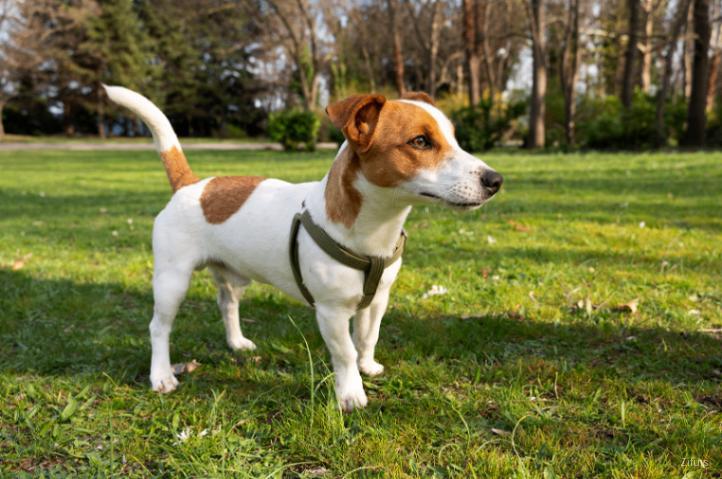
Jack Russell Terrier
Last Updated:
Jack Russell Terrier is a small, energetic, and intelligent dog breed known for its playful personality and strong hunting instincts. Originally bred for fox hunting, Jack Russells are highly active companions that thrive in homes with plenty of exercise and mental stimulation. Their loyal and affectionate nature makes them a popular choice for active families and pet lovers.
Height
10 - 15 Inches
Intelligence
High
Lifespan
13 - 16 years
Weight
6 - 8 Kg
Temperament
About
The Jack Russell Terrier is a small, athletic, and muscular dog breed known for its energetic appearance and confident personality. Originally developed for fox hunting, this breed has a compact body, strong legs, and excellent agility that allow it to run, jump, dig, and move quickly.
Despite its small size, the Jack Russell Terrier has a strong and well-developed body. Its alert expression, dark eyes, V-shaped ears, and active body language reflect its intelligent and energetic nature.
Key physical characteristics of the Jack Russell Terrier include:
- Small and compact body
- Strong and muscular build
- Short or rough coat
- Predominantly white coat
- Black, tan, or brown markings
- Dark, expressive eyes
- V-shaped ears
- Strong legs and athletic body
- Short tail
- Alert and confident expression
Jack Russell Terrier Coat Colors
The Jack Russell Terrier typically has a predominantly white coat with colored markings around the head and body. Common markings include black, tan, brown, or combinations of these colors.
The breed can have different coat types, including smooth, broken, and rough coats. Regardless of coat type, the Jack Russell Terrier generally has a practical coat that was suited to its original working and hunting role.
Jack Russell Terrier Temperament and Personality
The Jack Russell Terrier is known for being intelligent, energetic, fearless, curious, and highly confident. Despite its small size, it often behaves like a much larger dog and is naturally willing to investigate new surroundings and situations.
Jack Russell Terriers form strong bonds with their owners and can be affectionate and playful family companions. However, their independent nature and strong hunting instincts can sometimes make them challenging to manage without consistent training and socialization.
Common Jack Russell Terrier personality traits include:
- Intelligent and quick-learning
- Energetic and active
- Fearless and confident
- Playful and affectionate
- Curious and adventurous
- Alert and observant
- Independent and sometimes stubborn
- Strong prey drive
- Loyal to their families
- Highly entertaining and energetic
Is the Jack Russell Terrier a Good Family Dog?
Yes, Jack Russell Terriers can make excellent family dogs for active households. They enjoy spending time with their owners and can be affectionate, playful, and entertaining companions.
However, their high energy levels mean they are best suited to families that can provide sufficient exercise, training, attention, and mental stimulation. Families should also be prepared to manage their strong prey drive and adventurous personality.
Are Jack Russell Terriers Good With Children?
Jack Russell Terriers can be good with children when they are properly socialized and taught appropriate behavior from an early age. Their playful and energetic personality can make them enjoyable companions for older children.
Because they can become excited during play, interactions with young children should always be supervised. Children should also be taught to interact respectfully with the dog and avoid disturbing it while it is eating, sleeping, or resting.
Are Jack Russell Terriers Good With Other Dogs and Pets?
Jack Russell Terriers can live with other dogs when properly socialized and introduced gradually. Early positive experiences with other dogs can help them develop appropriate social behavior.
However, their strong prey drive is an important consideration for households with smaller animals. They may instinctively chase rabbits, rodents, birds, cats, or other small animals, so supervision and secure handling are important.
Are Jack Russell Terriers Easy to Train?
Jack Russell Terriers are highly intelligent and capable of learning commands quickly. However, their independent and sometimes stubborn personality can make training challenging.
They respond best to positive reinforcement, consistency, patience, and engaging training sessions. Because they can become bored with repetitive exercises, owners should keep training interesting and introduce new challenges regularly.
When Should Jack Russell Terrier Training Start?
Training and socialization should begin during puppyhood. Early training can help establish good household behavior, leash manners, basic obedience, recall, and impulse control.
Socialization should include positive exposure to different people, dogs, environments, sounds, surfaces, and everyday experiences. Consistent training is especially important because of the breed's intelligence and independent personality.
Jack Russell Terrier Exercise Needs
The Jack Russell Terrier is a highly energetic breed that requires regular physical activity and mental stimulation. Its hunting background means that simply spending time indoors may not be enough to satisfy its natural need for activity.
Suitable activities for Jack Russell Terriers include:
- Daily walks
- Running
- Playing fetch
- Agility exercises
- Scent games
- Interactive toys
- Obedience training
- Supervised outdoor activities
Mental stimulation is just as important as physical exercise. Puzzle toys, training games, scent activities, and interactive play can help prevent boredom and reduce the likelihood of destructive or unwanted behaviors.
Can Jack Russell Terriers Live in Apartments?
Jack Russell Terriers can adapt to apartment living if their high exercise and mental stimulation needs are consistently met. Their small size makes indoor living practical, but their energy level means they cannot be treated as a low-exercise breed.
Apartment owners should provide regular walks, interactive play, training, and enrichment. Secure doors, windows, and balconies are also important because Jack Russell Terriers are curious and may try to chase or investigate anything that catches their attention.
Jack Russell Terrier Grooming
Jack Russell Terriers generally have relatively manageable grooming requirements. Their coat may be smooth, broken, or rough, and grooming needs can vary depending on the individual coat type.
Regular brushing helps remove loose hair and keep the coat clean. Nail trimming, ear checks, dental care, and occasional bathing should also be included in their routine grooming schedule.
How Often Should a Jack Russell Terrier Be Groomed?
A Jack Russell Terrier generally benefits from regular brushing to remove loose hair and maintain a healthy coat. Smooth-coated dogs may require less grooming, while rough or broken-coated dogs may need more frequent brushing.
Nails should be trimmed regularly, while ears and teeth should be checked routinely. Bathing can be done when necessary, particularly when the dog becomes dirty after outdoor activities.
Do Jack Russell Terriers Shed a Lot?
Yes, Jack Russell Terriers shed. Shedding can vary depending on the coat type, but regular brushing can help remove loose hair and keep shedding under control.
Owners should expect some level of shedding throughout the year, with periods of increased shedding possible during seasonal coat changes.
Are Jack Russell Terriers Hypoallergenic?
No, Jack Russell Terriers are not considered hypoallergenic. Their short or rough coats can still produce dander and allergens, so people with dog allergies should spend time around the breed before deciding to bring one home.
Jack Russell Terrier Health
Jack Russell Terriers are generally healthy and active dogs, but like all breeds, they can be susceptible to certain health conditions. Regular veterinary checkups, appropriate nutrition, healthy exercise, preventive healthcare, and responsible breeding can help support their overall wellbeing.
Potential health concerns may include:
- Patellar luxation
- Eye conditions
- Legg-Calvé-Perthes disease
- Deafness
- Dental problems
- Joint and mobility problems
- Other age-related health conditions
Routine veterinary examinations can help identify potential health problems early and allow appropriate treatment and management.
Jack Russell Terrier Diet and Nutrition
Jack Russell Terriers require a complete and balanced diet that supports their active lifestyle. Their nutritional requirements depend on factors such as age, size, activity level, body condition, and individual health needs.
Puppies require age-appropriate nutrition to support healthy growth, while adult dogs need a balanced diet that supports their energy levels and muscle health. Fresh drinking water should always be available.
Are Jack Russell Terriers Prone to Obesity?
Jack Russell Terriers are highly active dogs, but they can still gain excess weight if they consume too many calories or do not receive enough exercise.
Portion control, regular exercise, appropriate treats, and routine weight monitoring can help maintain a healthy body condition.
Do Jack Russell Terriers Bark a Lot?
Jack Russell Terriers can be vocal dogs and may bark when they notice unfamiliar people, animals, sounds, or activity around them. Their alert nature and hunting background can make them quick to respond to movement and unusual noises.
Early training can help manage excessive barking by teaching the dog appropriate alert behavior and commands such as “quiet” or “settle.” Providing sufficient exercise and mental stimulation can also help reduce boredom-related barking.
Are Jack Russell Terriers Aggressive?
Jack Russell Terriers are not inherently aggressive, but they are confident, fearless, and energetic dogs that can sometimes display strong reactions toward other animals or unfamiliar situations.
Genetics, socialization, training, environment, fear, stress, and handling can all influence a dog's behavior. Early positive socialization and consistent training can help a Jack Russell Terrier develop into a confident and well-adjusted companion.
Are Jack Russell Terriers Good for First-Time Owners?
Jack Russell Terriers can be challenging for first-time dog owners because of their high energy, intelligence, independence, curiosity, and strong prey drive.
They can be a rewarding choice for first-time owners who are willing to learn about the breed and provide consistent training, daily exercise, mental stimulation, and appropriate supervision. They are generally not ideal for owners looking for a calm, low-energy companion.
How Long Can a Jack Russell Terrier Be Left Alone?
Jack Russell Terriers can learn to spend reasonable periods alone, but they are active and intelligent dogs that can become bored without enough physical and mental stimulation.
Alone time should be introduced gradually, and the dog should have access to a safe environment and appropriate enrichment. A bored Jack Russell Terrier may look for its own entertainment by digging, chewing, barking, or exploring areas of the home.
Jack Russell Terrier Lifespan
The Jack Russell Terrier is generally a long-lived dog breed with a typical lifespan of around 13 to 16 years. Some individual dogs may live longer depending on genetics, nutrition, preventive healthcare, exercise, and overall lifestyle.
Regular veterinary care, a balanced diet, healthy body weight, appropriate exercise, and early attention to health concerns can help support a long and healthy life.
Jack Russell Terrier Size
The Jack Russell Terrier is a small dog breed with a compact but athletic body. Its small size allows it to move quickly while its muscular structure provides the strength and stamina associated with its working background.
Despite their small stature, Jack Russell Terriers are physically active dogs that can run, jump, dig, and participate in demanding activities. Their size should not be mistaken for low exercise requirements.
Jack Russell Terrier Price in India
The price of a Jack Russell Terrier in India can vary depending on factors such as location, breeder reputation, pedigree, lineage, availability, health screening, and registration.
Prospective owners should look beyond the initial purchase price and consider the puppy's health, vaccination records, breeding conditions, socialization, and overall care provided by the breeder.
Choosing a responsible breeder and a healthy puppy is more important than simply finding the lowest purchase price.
Jack Russell Terrier Monthly Maintenance Cost in India
The monthly cost of keeping a Jack Russell Terrier in India depends on food, healthcare, grooming, parasite prevention, toys, treats, and lifestyle.
Regular expenses may include:
- Quality dog food
- Preventive healthcare
- Vaccinations
- Parasite prevention
- Grooming supplies
- Toys and enrichment
- Treats
- Veterinary consultations
Because Jack Russell Terriers are active dogs, owners should also budget for toys, training, enrichment, and potential veterinary expenses throughout the dog's life.
Can Jack Russell Terriers Handle the Indian Climate?
Jack Russell Terriers have a relatively short or rough coat and can adapt to warm climates when properly cared for. However, India's hot and humid weather can still create a risk of overheating, particularly during extreme summer temperatures.
Exercise should preferably be scheduled during cooler parts of the day, such as early morning or evening. The dog should always have access to fresh water, shade, good ventilation, and a cool indoor resting area.
Strenuous exercise should be avoided during the hottest part of the day, especially during periods of extreme heat.
Do Jack Russell Terriers Need AC in India?
Air conditioning is not necessarily required for every Jack Russell Terrier in India. However, reliable cooling can be helpful during periods of extreme heat and humidity.
The most important factors are access to a cool and well-ventilated environment, fresh drinking water, shade, and appropriate exercise timing. Owners should monitor their dog carefully during particularly hot weather.
Are Jack Russell Terriers High-Maintenance?
Jack Russell Terriers are relatively manageable when it comes to grooming, but they can be demanding in terms of exercise, training, and mental stimulation.
Their high energy, intelligence, curiosity, and strong prey drive mean they require an active lifestyle and consistent guidance. They are best suited to owners who can provide plenty of physical activity, interactive play, training, and attention.
For the right owner, their small size and manageable grooming needs can make everyday care relatively straightforward.
Are Jack Russell Terriers Good for Indian Families?
Jack Russell Terriers can be excellent companions for Indian families that have an active lifestyle and can provide sufficient exercise, training, socialization, and mental stimulation.
Families should consider the breed's high energy level, strong prey drive, vocal nature, curiosity, and need for supervision around smaller pets.
Families living in particularly hot regions should also have a reliable plan for managing high temperatures and humidity.
With proper care, training, exercise, nutrition, socialization, and preventive veterinary care, a Jack Russell Terrier can become a loyal, playful, energetic, and entertaining family companion.
Conclusion
The Jack Russell Terrier is a remarkable small dog breed known for its intelligence, courage, athletic ability, energy, and larger-than-life personality. Originally developed as a fox-hunting dog in England, the breed has retained its strong instincts, determination, and love for activity.
However, owning a Jack Russell Terrier requires an understanding of its high-energy personality. Its intelligence, curiosity, strong prey drive, and need for regular exercise can make it more demanding than many other small dog breeds.
With proper training, early socialization, regular exercise, mental stimulation, balanced nutrition, preventive veterinary care, and a secure environment, the Jack Russell Terrier can be an affectionate, loyal, playful, and rewarding companion for the right family.
Care Requirements
Compatibility
Available Colors
Health Considerations
- Patellar Luxation
- Legg-Calve-Perthes Disease
- Dysplasia
- Primary Lens Luxation
- Hereditary Cataracts
- Cushing’s Disease
- Portosystemic Shunt
Fun Facts
- A Jack Russell named Uggie was the first dog to ever leave his paw prints on the Hollywood Walk of Fame
- Jack Russell Terriers are even loved by British royalty — King Charles III and Queen Camilla adopted two rescue Jack Russell Terriers from the Battersea Dogs & Cats Home, highlighting the breed’s affectionate and loyal nature.
Frequently Asked Questions
Common questions about the Jack Russell Terrier breed.
Are Jack Russell Terriers good family dogs?
Jack Russell Terriers can make excellent family companions for active households that can meet their high exercise and mental stimulation needs. They are lively, intelligent, affectionate, and playful, but their independent nature and strong hunting instincts require consistent training and supervision.
Are Jack Russell Terriers good with children?
Jack Russell Terriers can be good with older, respectful children when properly socialized and trained. Because they are energetic and can play intensely, interactions with young children should be supervised. Children should also be taught how to interact safely and respectfully with the dog.
Are Jack Russell Terriers good with other dogs?
Jack Russell Terriers can live successfully with other dogs when properly socialized, although their confident and energetic terrier nature can sometimes lead to conflicts. Early socialization, supervised introductions, and consistent training are important.
Are Jack Russell Terriers aggressive?
Jack Russell Terriers are not inherently aggressive, but they are bold, confident terriers with strong hunting instincts. They may be reactive toward unfamiliar dogs or small animals in some situations. Early socialization, positive training, and appropriate supervision can help manage these tendencies.
Are Jack Russell Terriers easy to train?
Jack Russell Terriers are highly intelligent and capable of learning quickly, but they can also be independent and persistent. Training is most effective when it is consistent, engaging, reward-based, and mentally stimulating.
When should Jack Russell Terrier training start?
Training and socialization should begin during puppyhood. Early training helps establish basic obedience, leash manners, recall, household rules, and appropriate behavior around people and other animals.
How much exercise does a Jack Russell Terrier need?
Jack Russell Terriers are highly energetic dogs that require substantial daily physical and mental activity. Walks, running, interactive play, fetch, agility, scent games, and supervised outdoor activities can help meet their needs.
Are Jack Russell Terriers high-energy dogs?
Yes. Jack Russell Terriers are energetic working terriers that were developed for hunting. They typically need regular physical exercise as well as mental stimulation to remain happy and well-behaved.
Can Jack Russell Terriers live in apartments?
Jack Russell Terriers can adapt to apartment living if their exercise and mental stimulation needs are properly met. Their small size can make indoor living practical, but owners need to provide plenty of daily activity and enrichment.
Do Jack Russell Terriers bark a lot?
Jack Russell Terriers can be vocal and may bark to alert their owners, express excitement, respond to other animals, or communicate during play. Consistent training and adequate exercise can help reduce excessive barking.
Do Jack Russell Terriers shed a lot?
Jack Russell Terriers generally shed a moderate amount, with shedding varying according to coat type. Regular brushing can help remove loose hair and keep the coat in good condition.
How often should a Jack Russell Terrier be groomed?
Jack Russell Terriers generally have manageable grooming needs. Regular brushing, nail trimming, dental care, ear checks, and occasional bathing are usually sufficient. Dogs with rougher coats may require additional grooming.
Are Jack Russell Terriers hypoallergenic?
No. Jack Russell Terriers are not considered a hypoallergenic breed. They shed and can produce dander and other allergens, although individual allergy responses vary.
What are the common health problems in Jack Russell Terriers?
Jack Russell Terriers can be predisposed to certain inherited and breed-associated conditions, including eye disorders, patellar luxation, Legg-Calve-Perthes disease, and some orthopedic problems. Regular veterinary examinations and responsible breeding practices can help with early detection and risk management.
How long do Jack Russell Terriers live?
Jack Russell Terriers commonly have a lifespan of around 13 to 16 years, although individual dogs may live longer depending on genetics, nutrition, preventive healthcare, exercise, and overall lifestyle.
How big does a Jack Russell Terrier get?
Jack Russell Terriers are small but athletic dogs. Depending on the breed standard and individual dog, they generally stand around 10 to 15 inches tall and have a compact, muscular build.
What colors do Jack Russell Terriers come in?
Jack Russell Terriers are predominantly white with markings that may be black, tan, or a combination of black and tan. The markings are commonly found around the head and on parts of the body.
Are Jack Russell Terriers good for first-time dog owners?
Jack Russell Terriers can be challenging for first-time owners because of their high energy, intelligence, independence, strong prey drive, and persistent personality. They are generally better suited to owners who are prepared to provide consistent training, exercise, and mental stimulation.
Do Jack Russell Terriers have a strong prey drive?
Yes. Jack Russell Terriers were developed as hunting terriers and typically have a strong prey drive. They may instinctively chase squirrels, birds, rodents, cats, and other small animals, so secure fencing and leash control are important.
Can Jack Russell Terriers be trusted off leash?
Jack Russell Terriers should generally only be allowed off leash in secure areas unless they have exceptionally reliable recall and the environment is appropriate. Their strong prey drive and curiosity can cause them to chase animals or follow interesting scents.
Are Jack Russell Terriers good watchdogs?
Jack Russell Terriers can be effective alert dogs because they are attentive, confident, and often vocal when they notice something unusual. However, they are primarily companion and working terriers rather than dedicated guard dogs.
Can Jack Russell Terriers be left alone?
Jack Russell Terriers can learn to spend reasonable periods alone, but they may become bored or destructive if they do not receive enough exercise and mental stimulation. Gradually teaching alone time and providing safe enrichment can help.
What should I feed a Jack Russell Terrier?
Jack Russell Terriers should receive a complete and balanced diet appropriate for their age, size, activity level, and health. Because they are energetic dogs, their calorie intake should be matched to their activity while avoiding overfeeding.
Are Jack Russell Terriers prone to obesity?
Jack Russell Terriers are naturally active, but they can still gain excess weight if they are overfed or insufficiently exercised. Portion control, regular activity, and monitoring body condition are important for maintaining a healthy weight.
Are Jack Russell Terriers good with cats?
Some Jack Russell Terriers can live successfully with cats when introduced carefully and socialized from an early age. However, their strong prey drive means they may chase cats, especially unfamiliar outdoor cats. Supervision and controlled introductions are recommended.
Are Jack Russell Terriers good with small pets?
Jack Russell Terriers may not be suitable for households with rabbits, hamsters, guinea pigs, birds, or other small pets because of their strong hunting instincts. Any interaction should be carefully managed.
Do Jack Russell Terriers need mental stimulation?
Yes. Mental stimulation is particularly important for this intelligent working breed. Puzzle toys, obedience training, scent games, agility, trick training, and interactive play can help keep a Jack Russell Terrier mentally engaged.
Are Jack Russell Terriers destructive?
They can become destructive if they are bored, under-exercised, or left without sufficient mental stimulation. Digging, chewing, excessive barking, and other unwanted behaviors can develop when their physical and mental needs are not met.
Do Jack Russell Terriers like digging?
Yes. Digging is a natural behavior for many Jack Russell Terriers because of their history as hunting terriers that were bred to pursue quarry underground. Providing appropriate outlets such as supervised digging areas and enrichment can help manage the behavior.
Are Jack Russell Terriers good running dogs?
Healthy adult Jack Russell Terriers can be excellent companions for active owners because they are athletic and energetic. Running should be introduced gradually and adjusted according to the dog's age, fitness, health, and weather conditions.
Are Jack Russell Terriers good for senior citizens?
Jack Russell Terriers may not be the easiest choice for seniors who prefer a calm, low-energy dog. Their high activity level, persistence, and need for regular exercise can be demanding. An active senior with suitable support may still enjoy the breed.
Are Jack Russell Terriers suitable for Indian weather?
Jack Russell Terriers can generally adapt to warm climates because of their relatively short coat, but India's hot weather can still pose a risk of overheating. Fresh water, shade, ventilation, and exercise during cooler parts of the day are important.
Do Jack Russell Terriers need AC in India?
Air conditioning is not necessarily required for every Jack Russell Terrier, but reliable cooling can be helpful during extreme summer temperatures. Dogs should always have access to a cool, well-ventilated area and fresh water, and strenuous exercise should be avoided during peak heat.
Are Jack Russell Terriers high-maintenance?
Jack Russell Terriers have relatively manageable grooming needs, but their overall care can be demanding because of their high energy, intelligence, strong prey drive, and need for consistent training and mental stimulation.
How much does a Jack Russell Terrier puppy cost in India?
The price of a Jack Russell Terrier puppy in India varies depending on the breeder, location, lineage, pedigree, health screening, availability, and quality of care. Prospective owners should prioritize responsible breeding, health records, vaccination, and proper socialization rather than choosing a puppy based only on price.
What is the monthly maintenance cost of a Jack Russell Terrier in India?
Jack Russell Terriers generally have moderate maintenance costs compared with larger breeds. Monthly expenses can include food, preventive healthcare, parasite control, grooming supplies, toys, training, and veterinary care. Actual costs vary according to location, diet, lifestyle, and health.
Are Jack Russell Terriers good family dogs in India?
Jack Russell Terriers can be good family companions in India for active households that can provide regular exercise, training, mental stimulation, and a secure environment. Families should consider their energy level, barking tendency, prey drive, and need for supervision around children and smaller pets.
What makes Jack Russell Terriers special?
Jack Russell Terriers are known for their combination of intelligence, courage, athletic ability, energy, curiosity, and strong working instincts. Although small in size, they have the confidence and stamina of a working terrier and can be highly entertaining and devoted companions for the right owner.