
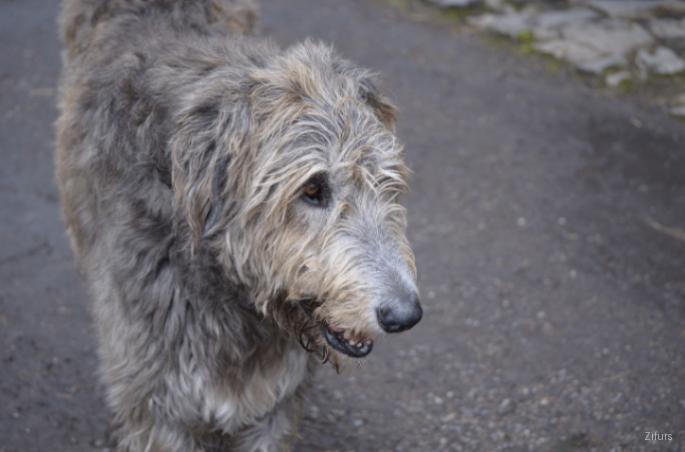
Irish Wolfhound
Last Updated:
The Irish Wolfhound is one of the tallest dog breeds in the world, known for its gentle nature, loyalty, and impressive size. Despite its giant build, it is calm, friendly, and great with families.
Height
30 - 35 Inches
Lifespan
6 - 8 years
Weight
40 - 70 Kg
Temperament
About
The Irish Wolfhound is one of the tallest dog breeds in the world, originally developed in Ireland for hunting large game such as wolves and deer. Despite its impressive size and powerful appearance, the Irish Wolfhound is widely known for its gentle, calm, and affectionate temperament.
Irish Wolfhounds are known for being gentle, loyal, patient, intelligent, and friendly. They often form strong bonds with their families and can be affectionate companions. Their calm personality contrasts with their enormous size, which is one of the most distinctive characteristics of the breed.
Because of their size, Irish Wolfhounds require adequate living space, a comfortable resting area, appropriate nutrition, and careful exercise during their growing years. They have a rough, wiry coat that requires regular brushing and basic grooming to keep it healthy.
Irish Wolfhound Appearance
The Irish Wolfhound has a tall, muscular, and athletic body with a long head, deep chest, and long legs. Its imposing height gives it a distinctive appearance, while its rough coat provides protection from different weather conditions.
Common physical characteristics of an Irish Wolfhound include:
- Very tall and muscular body
- Long legs
- Deep chest
- Long head and muzzle
- Small ears carried close to the head
- Long tail
- Rough and wiry coat
- Grey, brindle, red, black, white, fawn, or wheaten coat colors
Despite their large size, Irish Wolfhounds are generally graceful and athletic rather than heavily built.
Irish Wolfhound Temperament
The Irish Wolfhound temperament is generally gentle, calm, patient, affectionate, and friendly. They are often described as gentle giants because of their relaxed personality despite their enormous size.
Irish Wolfhounds typically enjoy spending time with their families and can become strongly attached to their owners. They are generally not known for being excessively aggressive, although their size alone can make proper training and socialization important.
Early socialization can help an Irish Wolfhound become confident and comfortable around people, other dogs, and different environments.
Are Irish Wolfhounds Good Family Dogs?
Yes, Irish Wolfhounds can make wonderful family companions for households that can accommodate their size and care requirements. Their gentle and patient nature can make them affectionate family dogs.
Because of their enormous size, interactions with young children should always be supervised. Even an affectionate Irish Wolfhound can accidentally knock over a small child while playing or moving around.
Irish Wolfhound Training
Irish Wolfhounds are intelligent and can learn basic obedience commands, but their independent nature means training should be patient, consistent, and positive.
Training should focus on:
- Basic obedience
- Leash manners
- Recall training
- Socialization
- Impulse control
- House training
- Calm behavior around people and other animals
Positive reinforcement using treats, praise, and toys can make training more effective. Training is especially important because managing an extremely large dog without good leash manners can be difficult.
Irish Wolfhound Exercise Requirements
Irish Wolfhounds require regular exercise, but their exercise needs should be managed carefully, especially while they are growing. Excessive high-impact exercise during puppyhood can place unnecessary stress on developing bones and joints.
Suitable activities for adult Irish Wolfhounds can include:
- Daily walks
- Controlled outdoor exercise
- Free movement in a secure area
- Interactive games
- Basic training
- Supervised exploration
Irish Wolfhounds generally benefit from regular moderate activity rather than excessive repetitive high-impact exercise.
Can Irish Wolfhounds Live in Apartments?
Irish Wolfhounds can adapt to indoor living if they receive sufficient exercise and have enough space to move comfortably. However, their enormous size makes small apartments less practical than spacious homes.
Owners should provide a large, comfortable resting area and ensure that the dog has enough room to move without constantly encountering obstacles.
Irish Wolfhound Grooming Requirements
Irish Wolfhounds have a rough, wiry coat that requires regular grooming. Their coat does not require the same level of daily maintenance as some long-haired breeds, but consistent brushing helps prevent excessive loose hair and keeps the coat healthy.
Basic grooming should include:
- Regular brushing
- Bathing when necessary
- Nail trimming
- Ear cleaning
- Dental care
- Routine veterinary check-ups
Regular grooming also provides an opportunity to check the dog's skin, ears, paws, and coat for abnormalities.
Do Irish Wolfhounds Shed a Lot?
Irish Wolfhounds shed moderately throughout the year. Their rough coat can release loose hair, and regular brushing can help manage shedding and keep the coat in good condition.
They are not considered a low-shedding breed, so prospective owners should be prepared for some hair around the home.
Irish Wolfhound Health
Irish Wolfhounds are giant-breed dogs and require careful attention to nutrition, weight management, exercise, and veterinary care. Regular veterinary examinations, vaccinations, parasite prevention, dental care, and appropriate nutrition are important for their overall wellbeing.
Because of their large size and relatively short lifespan compared with many smaller breeds, prospective owners should research breed-specific health considerations and ask responsible breeders about health screening and parental health history.
What Should You Feed an Irish Wolfhound?
An Irish Wolfhound should receive a complete and balanced diet appropriate for its age, size, activity level, and individual health requirements.
Growing Irish Wolfhound puppies have particularly important nutritional needs because they develop into extremely large dogs. Overfeeding or inappropriate supplementation can contribute to excessive growth and skeletal problems, so feeding plans should be discussed with a veterinarian.
Fresh drinking water should always be available.
Irish Wolfhound Socialization
Early socialization is important for Irish Wolfhounds because of their eventual size and strength. Puppies should gradually and positively experience different people, environments, household sounds, surfaces, handling, and appropriately vaccinated dogs.
Good socialization can help an Irish Wolfhound develop confidence and appropriate behavior as it grows into a very large adult dog.
Are Irish Wolfhounds Good with Other Pets?
Irish Wolfhounds can live with other dogs and household pets when properly socialized and introduced. However, they were historically used for hunting large game, so individual prey drive can vary.
Introductions to cats and smaller pets should be gradual and carefully supervised.
Are Irish Wolfhounds Affectionate?
Yes, Irish Wolfhounds are generally affectionate and enjoy spending time with their families. Despite their enormous size, many have a calm and gentle personality and enjoy relaxing near their owners.
They often prefer companionship and can become strongly attached to their families.
Are Irish Wolfhounds Good for First-Time Dog Owners?
Irish Wolfhounds can be challenging for first-time dog owners primarily because of their enormous size, strength, space requirements, grooming needs, and specialized nutritional considerations.
An experienced owner or a first-time owner who is well prepared and has access to appropriate veterinary and training support may be able to provide a suitable home.
How Long Do Irish Wolfhounds Live?
Irish Wolfhounds generally have a shorter lifespan than many smaller dog breeds. Their lifespan is often around 6 to 8 years, although individual dogs can live longer depending on genetics, healthcare, nutrition, and overall wellbeing.
Irish Wolfhound Dog Price in India
The Irish Wolfhound dog price in India can vary considerably because the breed is rare and may have limited availability. Factors such as breeder reputation, pedigree, lineage, health screening, location, age, and availability can influence the price.
As a general estimate, an Irish Wolfhound puppy in India may cost approximately ₹80,000 to ₹2,00,000 or more.
Imported or exceptionally well-bred puppies may cost considerably more because of transportation, documentation, and limited availability.
Prospective owners should consider health records, vaccination history, parental health, puppy socialization, living conditions, and responsible breeding practices rather than choosing a puppy based solely on price.
Irish Wolfhound Monthly Maintenance Cost in India
The estimated Irish Wolfhound monthly maintenance cost in India can range from approximately ₹10,000 to ₹20,000 or more, depending on food requirements, healthcare, grooming, preventive treatments, supplements when recommended, and lifestyle.
Regular expenses may include:
- High-quality dog food
- Routine veterinary care
- Vaccinations
- Flea and tick prevention
- Grooming supplies
- Dental care
- Large-sized bedding and accessories
- Toys and enrichment
Can Irish Wolfhounds Live in India's Climate?
Irish Wolfhounds can live in India with careful climate management, but their large size and coat can make hot weather challenging. Owners should provide a cool indoor environment, fresh water, shade, good ventilation, and protection from excessive heat.
Exercise should preferably be scheduled during cooler parts of the day. During very hot weather, owners should closely monitor the dog for signs of overheating.
Are Irish Wolfhounds Good Guard Dogs?
Irish Wolfhounds can be imposing because of their enormous size, but they are generally known for their gentle and friendly temperament rather than aggressive guarding behavior. Their presence alone may act as a deterrent, but they are not typically considered a specialized guard dog breed.
Why Are Irish Wolfhounds Called Gentle Giants?
Irish Wolfhounds are often called gentle giants because they combine an exceptionally large body size with a generally calm, patient, and affectionate temperament. Their gentle personality is one of the most recognizable characteristics of the breed.
Final Thoughts
The Irish Wolfhound is an impressive giant breed known for its exceptional height, gentle temperament, loyalty, and graceful athleticism. Despite its history as a hunting dog, it is generally a calm and affectionate companion when properly socialized and cared for.
For prospective owners in India, it is important to consider both the Irish Wolfhound dog price in India and ongoing costs for food, healthcare, grooming, training, large-sized accessories, and climate management.
With appropriate nutrition, responsible exercise, regular veterinary care, early socialization, and plenty of space and companionship, an Irish Wolfhound can be a gentle and rewarding family companion.
Care Requirements
Compatibility
Available Colors
Health Considerations
- Dilated Cardiomyopathy
- Osteosarcoma
- Bloating
- Hip Dysplasia
- Liver Shunt
Fun Facts
- They are officially the tallest dog breed in the world. A male standing on its hind legs can tower over seven feet tall - surpassing many humans.
- The Royal Irish Regiment and the Irish Guards in the British Army traditionally keep an Irish Wolfhound as their official mascot.
Frequently Asked Questions
Common questions about the Irish Wolfhound breed.
What is an Irish Wolfhound?
The Irish Wolfhound is a giant dog breed from Ireland and is widely regarded as the tallest dog breed. Originally developed for hunting large game and wolves, modern Irish Wolfhounds are known for their gentle, calm, affectionate, and loyal temperament.
How much does an Irish Wolfhound cost in India?
The Irish Wolfhound dog price in India can vary significantly because the breed is relatively rare. A puppy may cost approximately ₹80,000 to ₹2,00,000 or more depending on pedigree, breeder reputation, health screening, location, age, and availability.
Are Irish Wolfhounds good family dogs?
Yes, Irish Wolfhounds can be excellent family companions. They are generally gentle, calm, affectionate, and patient with their families. Their enormous size means owners need enough space and should provide early training and socialization.
Are Irish Wolfhounds good with children?
Irish Wolfhounds can be good with children when properly socialized. Their gentle temperament can make them suitable family dogs, but interactions with young children should always be supervised because their enormous size can result in accidental knocks or falls.
Are Irish Wolfhounds good with other dogs?
Irish Wolfhounds can generally get along well with other dogs when properly socialized and introduced. Their calm and friendly temperament can make them suitable for multi-dog households.
Are Irish Wolfhounds good with cats?
Irish Wolfhounds can live with cats and other household pets when properly socialized and introduced. However, they have a history as hunting dogs and individual prey drive can vary, so interactions with smaller animals should be carefully supervised.
Are Irish Wolfhounds easy to train?
Irish Wolfhounds are intelligent and can learn well with patient, positive, and consistent training. Early obedience training is especially important because an adult Irish Wolfhound is extremely large and powerful.
How much exercise does an Irish Wolfhound need?
Adult Irish Wolfhounds need regular daily exercise, including walks and opportunities for controlled free movement in a secure area. Their exercise needs should be carefully managed during puppyhood because their large bodies and developing bones are vulnerable to excessive impact.
Can Irish Wolfhounds live in apartments?
Irish Wolfhounds can adapt to indoor living, but their enormous size makes spacious homes more practical. They need enough room to move comfortably, a large resting area, regular exercise, and access to a secure outdoor space where possible.
Do Irish Wolfhounds shed a lot?
Irish Wolfhounds shed throughout the year, generally at a moderate level. Their wiry coat requires regular brushing to remove loose hair and keep the coat healthy.
How often should an Irish Wolfhound be groomed?
Irish Wolfhounds generally need brushing around once or twice a week. Their wiry coat may also benefit from occasional hand-stripping or removal of dead hair. Nail trimming, ear cleaning, dental care, and bathing when necessary should also be part of their grooming routine.
Are Irish Wolfhounds affectionate?
Yes, Irish Wolfhounds are generally affectionate and strongly attached to their families. Despite their imposing appearance, they are often calm and gentle dogs that enjoy spending time close to their owners.
Are Irish Wolfhounds good guard dogs?
Irish Wolfhounds are not generally considered specialized guard or protection dogs. Their enormous size can act as a deterrent, but their typical temperament is gentle and friendly rather than highly protective or aggressive.
Are Irish Wolfhounds suitable for first-time dog owners?
Irish Wolfhounds can be challenging for first-time owners because of their enormous size, strength, space requirements, exercise needs, grooming, and specialized care. Experience with large or giant breeds can be helpful.
What should I feed an Irish Wolfhound?
An Irish Wolfhound should receive a complete and balanced diet appropriate for its age, size, activity level, and health requirements. Growing puppies need carefully managed nutrition to avoid excessively rapid growth, so feeding should be discussed with a veterinarian.
What is the monthly maintenance cost of an Irish Wolfhound in India?
The estimated Irish Wolfhound monthly maintenance cost in India can range from approximately ₹10,000 to ₹20,000 or more. Major expenses include food, veterinary care, parasite prevention, grooming, dental care, supplements when recommended, and large-sized accessories.
How long do Irish Wolfhounds live?
Irish Wolfhounds have a relatively short lifespan compared with many smaller breeds. Their typical lifespan is around 6 to 8 years, although individual dogs may live longer depending on genetics, healthcare, nutrition, and overall wellbeing.
Are Irish Wolfhounds high maintenance dogs?
Irish Wolfhounds have moderate grooming requirements, but their enormous size makes overall ownership demanding. Owners need to plan for large quantities of food, suitable living space, giant-sized equipment, regular veterinary care, appropriate exercise, and careful puppy growth management.
Can Irish Wolfhounds live in India's climate?
Irish Wolfhounds can live in India with careful climate management, but hot weather can be challenging for this giant breed. Owners should provide a cool indoor environment, fresh water, shade, good ventilation, and exercise during cooler parts of the day.
Why are Irish Wolfhounds called gentle giants?
Irish Wolfhounds are called gentle giants because they combine an exceptionally large and powerful body with a generally calm, patient, affectionate, and friendly temperament.
Are Irish Wolfhounds active dogs?
Irish Wolfhounds are capable athletes despite their calm indoor personality. Adults benefit from regular walks and opportunities to move freely in secure areas, while puppies should avoid forced or excessive exercise during growth.
Do Irish Wolfhounds have health problems?
Irish Wolfhounds can be susceptible to several serious health conditions associated with giant breeds. Responsible breeding, appropriate nutrition, regular veterinary examinations, weight management, and prompt attention to health changes are important parts of their care.
Are Irish Wolfhounds good outdoor dogs?
Irish Wolfhounds need regular outdoor exercise but should not be treated as dogs that live primarily outdoors. They are social and affectionate with their families and generally benefit from living indoors with their owners while having safe opportunities for outdoor exercise.
Do Irish Wolfhounds need a lot of space?
Yes, Irish Wolfhounds benefit from plenty of indoor and outdoor space because of their enormous size. A spacious home and a secure, appropriately fenced outdoor area can make daily life more comfortable for both the dog and the family.