Indie Dog
Last Updated:
The Indie dog (Indian Pariah Dog) is one of the oldest and most resilient dog breeds, native to India. Known for its intelligence, adaptability, and low maintenance, Indie dogs are highly suitable for Indian climates and living conditions. They are loyal, healthy, and make excellent companions for families and first-time pet owners.
Height
18 - 25 Inches
Intelligence
High
Lifespan
11 - 15 years
Weight
15 - 30 Kg
Temperament
About
The Indie Dog, commonly known as the Indian Pariah Dog or Indian native dog, is a naturally evolved dog type found across India. These dogs have adapted over generations to India's diverse climate and environments and are known for their intelligence, alertness, resilience, and adaptability.
Indie Dogs are known for being intelligent, loyal, alert, active, adaptable, affectionate, and independent. Their natural ability to adapt to local conditions makes them well suited to Indian households. Their short coat also means they generally have manageable grooming requirements compared with many long-haired dog breeds.
Indie Dogs can thrive in apartments as well as independent houses when provided with regular exercise, mental stimulation, proper nutrition, veterinary care, and companionship. Their individual temperament can vary depending on genetics, early socialization, previous experiences, and environment.
Indie Dog Appearance
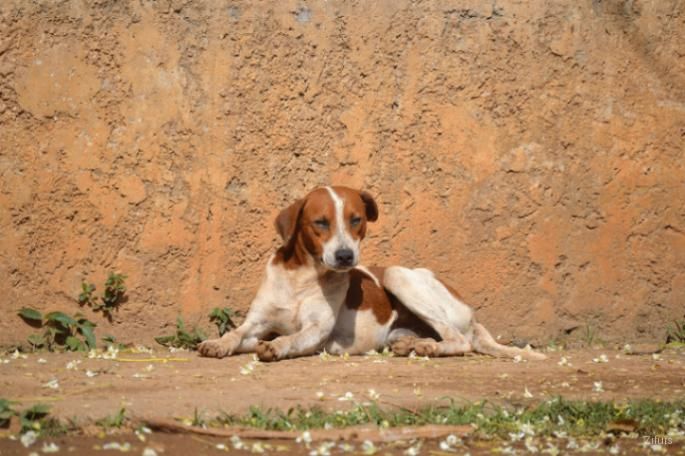
Indie Dogs do not have a single standardized appearance because they are a naturally evolved indigenous dog population rather than a breed developed around a strict pedigree standard.
Common characteristics may include:
- Medium-sized and athletic body
- Short, dense coat
- Wedge-shaped head
- Pointed or upright ears
- Long, curved or sickle-shaped tail
- Lean and muscular build
- Strong legs
- Almond-shaped or oval eyes
Coat colors can vary and may include tan, brown, black, white, cream, red, or combinations of these colors.
Indie Dog Temperament
The Indie Dog temperament is generally intelligent, alert, adaptable, and loyal. Many Indie Dogs develop strong bonds with their families and can be affectionate with people they trust.
They are naturally observant and may be cautious around unfamiliar people. Early socialization and positive experiences can help them become confident and well-adjusted companions.
Are Indie Dogs Good Family Pets?
Yes, Indie Dogs can make excellent family pets. They are adaptable and can adjust to different household environments when provided with proper care and socialization.
They can be affectionate and playful with family members while maintaining an independent personality. Adopting an Indie Dog can also provide a loving home to a dog in need.
Are Indie Dogs Good with Children?
Indie Dogs can live well with children when properly socialized and treated respectfully. Their playful and active nature can make them enjoyable companions for families.
Children should be taught to interact with dogs gently and should not disturb them while eating, sleeping, or resting. Young children should always be supervised around dogs.
Indie Dog Intelligence and Training
Indie Dogs are generally intelligent, observant, and capable of learning quickly. They can learn basic obedience, household routines, recall, leash walking, and various tricks through consistent positive reinforcement.
Training can include:
- Name recognition
- Basic obedience commands
- Leash training
- Recall training
- Impulse control
- Trick training
- Puzzle-based activities
Reward-based training is recommended to build trust and encourage desirable behavior.
Indie Dog Exercise Requirements
Indie Dogs are generally active and benefit from regular daily exercise. Their exercise requirements depend on age, health, energy level, and lifestyle.
Suitable activities include:
- Daily walks
- Interactive games
- Fetch
- Running
- Training sessions
- Sniffing activities
- Puzzle toys
- Outdoor exploration in safe areas
Regular exercise helps maintain healthy body weight and provides important mental stimulation.
Can Indie Dogs Live in Apartments?
Yes, Indie Dogs can adapt to apartment living when their exercise and mental stimulation needs are met. Living in an apartment does not automatically make them unsuitable pets.
Daily walks, interactive play, training, sniffing activities, and sufficient rest can help an apartment-dwelling Indie Dog remain healthy and content.
Indie Dog Grooming Requirements
Indie Dogs generally have short coats that are relatively easy to maintain. Their grooming requirements are usually lower than those of long-haired or heavily coated breeds.
Basic grooming should include:
- Weekly brushing
- Regular bathing when necessary
- Nail trimming
- Ear checks
- Dental care
- Routine veterinary examinations
Regular brushing can help remove loose hair, dirt, and debris while keeping the coat healthy.
Do Indie Dogs Shed a Lot?
Indie Dogs can have moderate shedding, particularly during seasonal coat changes. Their short coat generally makes loose hair easier to manage than the coat of many long-haired breeds.
Regular brushing can help remove loose fur and reduce the amount of hair around the home.
Are Indie Dogs Hypoallergenic?
No, Indie Dogs are not considered hypoallergenic. Like other dogs, they can produce allergens through dander, saliva, and other skin secretions.
People with dog allergies should spend time around a dog before deciding to adopt one.
Indie Dog Health
Indie Dogs are often considered resilient and adaptable because they have naturally evolved in India's environment. However, they can still develop common canine health problems and require regular preventive veterinary care.
Important aspects of preventive healthcare include:
- Routine vaccinations
- Regular deworming
- Tick and flea prevention
- Dental care
- Healthy nutrition
- Weight management
- Regular veterinary check-ups
Adopted dogs should receive a veterinary health assessment, particularly when their previous medical history is unknown.
What Should You Feed an Indie Dog?
An Indie Dog should receive a complete and balanced diet appropriate for its age, size, activity level, and health requirements.
Puppies need nutrition designed for growth, while adult and senior dogs may require different nutritional profiles. Portion sizes should be adjusted according to activity level and body condition.
Fresh, clean drinking water should always be available.
Indie Dog Socialization
Early and positive socialization is important for helping Indie Dogs become comfortable around people, other animals, different environments, household sounds, grooming, and handling.
Rescue and adopted dogs may need additional time to adjust to a new home. A predictable routine, positive reinforcement, patience, and gradual exposure can help build confidence.
Are Indie Dogs Good with Other Pets?
Indie Dogs can live successfully with other dogs and dog-friendly cats when introductions are gradual and properly managed. Their compatibility depends on their individual temperament, socialization, previous experiences, and the personality of the other pet.
Supervised introductions and separate feeding and resting areas can help create a smoother transition.
Are Indie Dogs Affectionate?
Many Indie Dogs form strong and loyal bonds with their owners. They can be affectionate, playful, and eager to spend time with trusted family members.
Some may initially be cautious around unfamiliar people, particularly if they have had limited socialization. With patience and positive experiences, many become confident and affectionate companions.
Are Indie Dogs Good Guard Dogs?
Indie Dogs are naturally alert and observant, which can make them effective watchdogs. They may notice unfamiliar people, sounds, or activity around the home and alert their owners through barking.
However, good socialization and training are important to prevent excessive fear or territorial behavior.
Are Indie Dogs Good for First-Time Dog Owners?
Yes, Indie Dogs can be suitable for first-time dog owners. Their adaptability, intelligence, and relatively simple grooming needs can make them manageable companions.
New owners should still be prepared for regular exercise, training, vaccinations, parasite prevention, nutrition, grooming, and lifelong veterinary care.
Do Indie Dogs Need a Lot of Attention?
Indie Dogs generally benefit from regular companionship and interaction but can also be relatively independent. Their individual need for attention depends on their age, temperament, socialization, and lifestyle.
Daily walks, play, training, affection, and mental stimulation can help keep them emotionally and physically healthy.
How Long Do Indie Dogs Live?
With proper nutrition, preventive healthcare, regular exercise, and a safe environment, Indie Dogs can commonly live around 12 to 15 years, with some individuals living longer.
Factors such as genetics, nutrition, healthcare, lifestyle, and exposure to outdoor hazards can influence an individual dog's lifespan.
Indie Dog Price in India
The Indie Dog price in India is generally much lower than that of pedigree dog breeds. Many Indie Dogs are available for adoption through animal shelters, rescue organizations, welfare groups, and individual rescuers.
Adoption fees, when applicable, vary between organizations and may sometimes include vaccinations, deworming, sterilization, or other veterinary care.
Instead of purchasing an Indie Dog, prospective owners are encouraged to consider adoption and provide a safe home to a dog in need.
Indie Dog Monthly Maintenance Cost in India
The estimated Indie Dog monthly maintenance cost in India can range from approximately ₹2,500 to ₹6,000 or more, depending on food, preventive healthcare, grooming, treats, toys, and lifestyle.
Regular expenses may include:
- Quality dog food
- Vaccinations and veterinary care
- Deworming
- Tick and flea prevention
- Grooming supplies
- Dental care
- Treats
- Toys and enrichment
Can Indie Dogs Live in India's Climate?
Yes, Indie Dogs are naturally well adapted to India's diverse climate. Their short coats and natural adaptation to local environmental conditions can make them comfortable in many parts of the country.
However, they still need protection from extreme heat, heavy rain, and severe cold. During hot weather, provide shade, fresh water, good ventilation, and a cool resting area.
Are Indie Dogs High-Maintenance?
Indie Dogs are generally considered relatively low-maintenance compared with many long-haired or specialized pedigree breeds. Their short coat requires limited grooming, and their adaptability can make them suitable for different living environments.
They still require regular exercise, training, vaccinations, parasite prevention, balanced nutrition, veterinary care, and companionship.
Should Indie Dogs Be Kept Indoors?
Indie Dogs can live indoors with their families and benefit from being part of the household. Indoor living can reduce exposure to traffic, fights, infectious diseases, parasites, and other outdoor hazards.
They should still receive regular outdoor walks and exercise in safe, controlled environments to meet their physical and mental needs.
Should Indie Dogs Be Spayed or Neutered?
Spaying or neutering is commonly recommended for dogs that are not intended for responsible breeding. Sterilization can help prevent unwanted litters and may reduce certain reproductive behaviors and health risks.
The appropriate timing should be discussed with a veterinarian based on the dog's age, health, size, lifestyle, and individual circumstances.
Why Are Indie Dogs Well Suited to Indian Homes?
Indie Dogs have naturally adapted to India's environment and are known for their resilience, intelligence, alertness, and adaptability. Their short coats are relatively easy to maintain, while their active and curious nature makes them suitable for families that can provide regular exercise and engagement.
They can adapt to apartments, independent houses, and other living environments when their physical and mental needs are met.
Why Should You Adopt an Indie Dog?
Adopting an Indie Dog can provide a loving home to a dog in need while giving the owner an adaptable and loyal companion. Many Indie Dogs are waiting in shelters, rescue centers, and foster homes for permanent families.
Adoption can also be an opportunity to choose an adult dog whose personality and temperament are already more established, making it easier to find a companion suited to your household.
Final Thoughts
The Indie Dog is an intelligent, loyal, adaptable, active, and naturally resilient companion that can thrive in a wide range of Indian households. Their short coat makes grooming relatively simple, while their natural curiosity and athleticism make regular exercise and mental stimulation important.
For prospective owners in India, Indie Dogs can be an affordable and rewarding choice, particularly through adoption. Instead of focusing only on the Indie Dog price in India, owners should consider long-term expenses such as food, vaccinations, parasite prevention, sterilization, veterinary care, grooming, training, and enrichment.
With a safe home, balanced nutrition, regular healthcare, daily exercise, positive training, and plenty of companionship, an Indie Dog can become a loyal and loving family companion for many years.
Care Requirements
Compatibility
Available Colors
Health Considerations
- Parasites & Infections
- Skin Issues
- Joint Issues
- Nutrient Deficiencies
- Dental Problems
Fun Facts
- Indie dogs are among the oldest natural dog breeds in the world, with roots going back thousands of years.
Frequently Asked Questions
Common questions about the Indie Dog breed.
Is an Indie dog a good family dog?
Yes. Indie dogs, also known as Indian Pariah Dogs or Indian Native Dogs, can make excellent family companions. They are generally intelligent, adaptable, alert, and capable of forming strong bonds with their families.
Are Indie dogs good with children?
Yes, Indie dogs can be good with children when properly socialized and trained. Children should be taught to interact respectfully with the dog, and younger children should always be supervised.
Are Indie dogs good with other dogs?
Indie dogs can generally live well with other dogs when properly socialized. Early positive exposure and gradual introductions can help them develop good social skills.
Are Indie dogs aggressive?
Indie dogs are not inherently aggressive. Like any dog, their behavior depends on genetics, early experiences, socialization, training, environment, and individual temperament.
Are Indie dogs easy to train?
Yes. Indie dogs are generally intelligent and observant and can learn commands well with consistent, reward-based training. Building trust and using positive reinforcement usually produces the best results.
When should Indie dog training start?
Training and socialization can begin during puppyhood. Basic commands, house training, leash walking, handling, and positive exposure to people, animals, sounds, and different environments should be introduced gradually.
How much exercise does an Indie dog need?
Most healthy adult Indie dogs benefit from daily walks, play, exploration, and mental stimulation. The exact amount depends on the dog's age, health, energy level, and individual temperament.
Are Indie dogs high-energy?
Indie dogs can be active and energetic, particularly when young. They generally enjoy walks, running, interactive play, and exploring their surroundings, but their activity requirements vary between individuals.
Can an Indie dog live in an apartment?
Yes. Indie dogs can adapt to apartment living when their exercise, mental stimulation, social interaction, and training needs are met. A suitable daily routine is more important than having a very large home.
Do Indie dogs bark a lot?
Indie dogs can be alert and vocal, particularly when they notice unfamiliar people, animals, or sounds. Training and adequate physical and mental stimulation can help manage excessive barking.
Are Indie dogs good watchdogs?
Yes. Their alertness, intelligence, and awareness of their surroundings can make Indie dogs effective watchdogs. They often notice unfamiliar activity around their home and may alert their owners by barking.
Do Indie dogs shed a lot?
Indie dogs generally have short, easy-care coats, but they can still shed regularly. The amount of shedding varies with the individual dog and season.
How often should an Indie dog be groomed?
Indie dogs usually have relatively low grooming requirements. Regular brushing, occasional bathing when necessary, nail trimming, ear care, and dental hygiene are generally sufficient.
Are Indie dogs hypoallergenic?
No dog is completely hypoallergenic, and Indie dogs should not be considered hypoallergenic. They produce normal dog allergens and can shed skin cells and hair.
Do Indie dogs need frequent baths?
No. Indie dogs generally do not require frequent bathing unless they become dirty or have a specific skin-care need. Over-bathing can dry or irritate the skin, so dog-safe grooming products should be used.
Do Indie dogs have a strong smell?
A healthy Indie dog with good hygiene should not normally have a strong odor. Persistent or unusual odor can be associated with dental, ear, skin, or other health problems and should be evaluated by a veterinarian.
Are Indie dogs healthy?
Indie dogs are generally considered hardy and adaptable, but they can still develop health problems like any other dog. Preventive veterinary care, vaccinations, parasite control, good nutrition, exercise, and maintaining a healthy weight are important.
What are common health problems in Indie dogs?
Indie dogs can experience common canine health problems such as skin conditions, dental disease, parasites, gastrointestinal problems, injuries, obesity, and age-related conditions. Individual health risks vary considerably.
How long do Indie dogs live?
Many Indie dogs can live around 12–15 years or longer with appropriate nutrition, preventive healthcare, exercise, and a safe living environment. Individual lifespan varies with genetics, size, lifestyle, and health.
What is the size of an Indie dog?
Indie dogs vary in size, but many are medium-sized with a lean, athletic build. Adult size can differ depending on genetics, sex, nutrition, and regional population.
What colors do Indie dogs come in?
Indie dogs can have a wide variety of coat colors and patterns, including tan, brown, black, white, cream, red, and combinations of these colors.
Are Indie dogs suitable for first-time owners?
Yes. Indie dogs can be excellent choices for first-time owners because they are intelligent, adaptable, and generally easy to maintain. Owners should still be prepared to provide consistent training, exercise, socialization, and veterinary care.
Can Indie dogs be left alone at home?
Indie dogs can learn to spend reasonable periods alone, but they still need regular companionship and mental stimulation. Gradual alone-time training and enrichment can help prevent boredom and separation-related behaviors.
Do Indie dogs suffer from separation anxiety?
Some Indie dogs can develop separation-related behaviors, particularly if they become overly dependent on their owners or are suddenly left alone for long periods. Gradual independence training can help.
Do Indie dogs need mental stimulation?
Yes. Indie dogs are intelligent and benefit from training, scent games, interactive toys, puzzle feeders, exploration, and play. Mental stimulation is especially important for active dogs.
Can Indie dogs live with cats?
Yes, many Indie dogs can live successfully with cats when introduced gradually and supervised. Individual prey-drive and temperament should be considered, especially when introducing an adult dog to smaller animals.
Are Indie dogs good for senior citizens?
Indie dogs can be good companions for active senior citizens, particularly when their exercise and training needs match the owner's lifestyle. An adult dog with a known temperament may be easier to manage than a very young puppy.
Are Indie dogs suitable for Indian weather?
Yes. Indie dogs are naturally well adapted to the Indian environment and generally cope well with local weather conditions. During extreme heat, they still need shade, fresh water, ventilation, and protection from excessive heat exposure.
Does an Indie dog need AC in India?
An Indie dog does not normally require air conditioning throughout the year. During extreme heat or high humidity, AC or another effective cooling method can improve comfort, particularly for dogs showing signs of heat stress.
Are Indie dogs high-maintenance?
No. Indie dogs are generally considered relatively low-maintenance compared with breeds that require extensive coat care. Their short coat, adaptability, and generally straightforward grooming needs make them practical companions.
What should an Indie dog eat?
An Indie dog should receive a complete and balanced diet appropriate for its age, size, activity level, and health. Portion sizes should be adjusted to maintain a healthy body condition, and treats should be given in moderation.
Are Indie dogs prone to obesity?
Indie dogs can become overweight if they consume more calories than they use. Regular exercise, measured meals, controlled treats, and monitoring body condition can help prevent obesity.
Can Indie dogs live outside?
Indie dogs may be adaptable to outdoor environments, but responsible ownership means providing safe shelter, clean water, protection from extreme weather, veterinary care, social interaction, and protection from traffic and other hazards. Living indoors with the family is generally preferable.
Are Indie dogs good for Indian families?
Yes. Indie dogs can be excellent companions for Indian families because they are adaptable, intelligent, relatively easy to groom, and generally suited to India's climate. Proper training and socialization are still essential.
Are Indie dogs good for active owners?
Yes. Indie dogs can be excellent companions for active owners who enjoy walking, running, hiking, outdoor exploration, or interactive play. Their activity needs vary between individuals.
Can Indie dogs run and hike?
Healthy adult Indie dogs can often enjoy running, hiking, and other outdoor activities when gradually conditioned for them. Puppies and dogs with health conditions should follow age- and condition-appropriate exercise plans.
Why are Indie dogs considered intelligent?
Indie dogs are observant, adaptable, and capable of learning from their environment. Their intelligence can be seen in their problem-solving ability, awareness of surroundings, and responsiveness to consistent training.
Are Indie dogs good rescue or adoption dogs?
Yes. Indie dogs are commonly available through shelters, rescue organizations, and adoption groups in India. Adopting an Indie dog can provide a home to a dog in need while giving the family a loyal companion.
How much does an Indie dog cost in India?
Indie dogs are commonly available for adoption through shelters and rescue organizations, where adoption fees may be minimal or vary by organization. Costs can include vaccinations, sterilization, veterinary care, food, and other initial expenses.
What is the monthly cost of maintaining an Indie dog in India?
Monthly costs generally include food, parasite prevention, grooming supplies, routine healthcare, treats, and other essentials. The actual cost varies depending on the dog's size, diet, health, lifestyle, and veterinary requirements.
Are Indie dogs better suited to Indian homes than imported breeds?
Indie dogs are naturally adapted to India's local environment and can be practical companions for many Indian households. However, suitability depends on the individual dog's temperament and the owner's ability to provide appropriate care.
What makes Indie dogs special?
Indie dogs are valued for their intelligence, adaptability, resilience, loyalty, alertness, and relatively low-maintenance coat. They are native Indian dogs that can make affectionate and capable companions when properly cared for.