
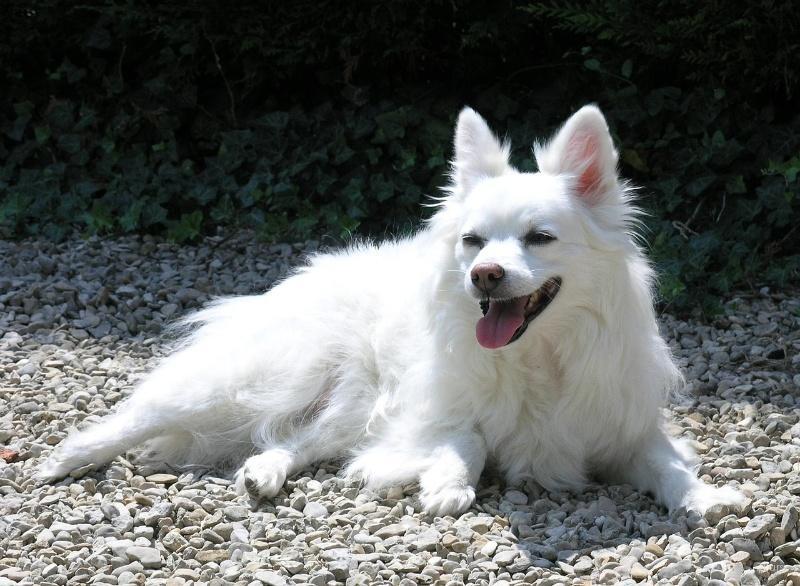
Indian Spitz
Last Updated:
The Indian Spitz dog breed is a small-to-medium-sized, intelligent, and highly adaptable dog known for its fluffy white coat and fox-like face. Popular across Indian households, the Indian Spitz is easy to train, friendly, and well-suited for apartments. It is an excellent choice for first-time pet owners looking for a low-maintenance and alert companion.
Height
12 - 18 Inches
Intelligence
High
Lifespan
12 - 16 years
Weight
5 - 20 Kg
Temperament
About
The Indian Spitz is a popular Indian companion dog known for its fluffy coat, pointed ears, alert expression, intelligence, and adaptable nature. It is often confused with the Pomeranian because of its appearance, but the Indian Spitz is a distinct type of spitz dog that has become well adapted to India's climate and living conditions.
Indian Spitz dogs are known for being intelligent, active, alert, affectionate, playful, loyal, and adaptable. Their relatively small size, manageable exercise requirements, and ability to adapt to Indian weather have made them popular among families and urban pet parents.
They can be excellent companion dogs when provided with regular exercise, positive training, socialization, grooming, and appropriate nutrition. Their alert nature can also make them vocal, so early training is useful for managing excessive barking.
Indian Spitz Appearance
The Indian Spitz has a compact, well-proportioned body with a characteristic spitz appearance. Its pointed ears, wedge-shaped face, fluffy coat, and curled or plumed tail give it a distinctive appearance.
Common physical characteristics include:
- Small to medium-sized body
- Wedge-shaped face
- Pointed, upright ears
- Dark, expressive eyes
- Thick double coat
- Fluffy neck and chest
- Plumed tail
- Compact and agile build
Indian Spitz dogs are commonly seen with white or predominantly white coats, although variations in coat shade and markings can occur.
Indian Spitz Temperament
The Indian Spitz temperament is generally lively, intelligent, alert, affectionate, and playful. They often form strong bonds with their families and enjoy being involved in household activities.
They can be naturally alert to unfamiliar people, sounds, and activity around the home. This makes them good watchdogs, although it can also lead to frequent barking if they are not appropriately trained and socialized.
Are Indian Spitz Good Family Dogs?
Yes, Indian Spitz dogs can make excellent family companions. They are generally affectionate, playful, intelligent, and adaptable to different household environments.
They can live comfortably with families, couples, and individuals as long as their exercise, companionship, training, and mental stimulation needs are met.
Are Indian Spitz Good with Children?
Indian Spitz dogs can be friendly and playful with children when properly socialized. Their energetic nature can make them enjoyable playmates for older children.
Young children should always be supervised around dogs, and children should be taught to interact respectfully with the pet.
Indian Spitz Intelligence and Training
Indian Spitz dogs are intelligent and generally capable of learning commands, household rules, and tricks. Their alert and curious nature can make training engaging when positive reinforcement is used.
Training should include:
- Basic obedience
- Leash training
- Recall training
- House training
- Impulse control
- Early socialization
- Handling and grooming practice
Positive reinforcement using treats, praise, toys, and play generally works well. Consistency is important because intelligent dogs can quickly learn both desirable and undesirable habits.
Indian Spitz Exercise Requirements
Indian Spitz dogs have moderate exercise needs. Daily walks, interactive play, and mental stimulation can help keep them physically active and mentally engaged.
Suitable activities include:
- Daily walks
- Interactive play
- Fetch
- Short training sessions
- Scent games
- Puzzle toys
- Supervised outdoor exploration
Exercise requirements vary depending on age, health, and individual energy level.
Can Indian Spitz Live in Apartments?
Yes, Indian Spitz dogs are generally well suited to apartment living. Their relatively compact size and moderate exercise requirements allow them to adapt well to urban homes.
They should still receive daily walks, playtime, mental stimulation, and regular interaction with their family.
Indian Spitz Grooming Requirements
The Indian Spitz has a thick double coat that requires regular grooming. Brushing helps remove loose hair, prevent tangles, and keep the coat healthy.
Basic grooming should include:
- Regular brushing
- Bathing when necessary
- Regular nail trimming
- Routine ear checks
- Dental care
- Regular skin and coat checks
Brushing may need to be increased during seasonal shedding periods when the dog loses more of its undercoat.
Do Indian Spitz Shed a Lot?
Indian Spitz dogs can shed moderately to heavily, particularly during seasonal coat changes. Their thick double coat can release a significant amount of loose hair.
Regular brushing can help remove loose undercoat and reduce the amount of fur around the home.
Are Indian Spitz Hypoallergenic?
No, Indian Spitz dogs are not considered hypoallergenic. Their double coat sheds and can release hair and dander into the environment.
People with dog allergies should spend time around an Indian Spitz before deciding to bring one home.
Indian Spitz Health
Indian Spitz dogs are generally considered adaptable and hardy, but they can still develop common canine health problems. Regular veterinary care, appropriate nutrition, parasite prevention, dental care, and healthy weight management are important.
Potential health concerns can include dental disease, obesity, skin problems, ear problems, allergies, and joint or eye conditions.
Individual health varies, so regular veterinary examinations are recommended.
What Should You Feed an Indian Spitz?
An Indian Spitz should receive a complete and balanced diet appropriate for its age, size, activity level, and health.
Portion control is important because excessive feeding and frequent treats can lead to weight gain, particularly in dogs with lower activity levels.
Fresh drinking water should always be available.
Can Indian Spitz Become Overweight?
Yes, Indian Spitz dogs can gain excess weight if they receive too many calories or insufficient exercise. Maintaining a healthy body condition can help reduce the risk of joint, metabolic, and other health problems.
Measured meals, controlled treats, regular exercise, and routine weight monitoring are recommended.
Indian Spitz Socialization
Early socialization helps an Indian Spitz become confident and well-mannered around people, dogs, and new environments.
Puppies should gradually experience different people, sounds, environments, surfaces, handling, and appropriately vaccinated dogs in positive and controlled situations.
Are Indian Spitz Good with Other Pets?
Indian Spitz dogs can live successfully with other dogs and compatible pets when properly socialized and introduced.
Because individual temperament varies, introductions should be gradual and supervised, especially with smaller animals.
Are Indian Spitz Affectionate?
Yes, Indian Spitz dogs can be very affectionate with their families. They often enjoy attention, play, and spending time with their owners.
Their social nature means they generally do best when they are included in family life rather than being isolated for long periods.
Are Indian Spitz Good Watchdogs?
Yes, Indian Spitz dogs can be effective watchdogs. They are naturally alert and may bark when they notice unfamiliar people, sounds, animals, or activity.
Training is important to prevent their alert barking from becoming excessive.
Do Indian Spitz Bark a Lot?
Indian Spitz dogs can be vocal because of their alert and watchful nature. They may bark in response to unfamiliar sounds, visitors, other animals, excitement, or boredom.
Early socialization, positive reinforcement, sufficient exercise, and teaching a reliable quiet command can help manage unnecessary barking.
Are Indian Spitz Aggressive?
Indian Spitz dogs are not inherently aggressive. However, they can be alert or cautious around unfamiliar people and may become reactive if poorly socialized.
Early socialization, positive training, and appropriate exposure to different environments can help promote confident behavior.
Are Indian Spitz Good for First-Time Dog Owners?
Yes, Indian Spitz dogs can be suitable for first-time dog owners. Their intelligence, manageable size, adaptability, and trainability can make them relatively easy to handle.
New owners should still be prepared to provide regular exercise, grooming, socialization, training, and preventive veterinary care.
Do Indian Spitz Need a Lot of Attention?
Indian Spitz dogs enjoy companionship and interaction with their families. They do not necessarily require constant attention, but they should receive daily play, exercise, training, and social interaction.
Long periods of isolation can contribute to boredom, barking, or other unwanted behaviors.
Can Indian Spitz Be Left Alone?
Indian Spitz dogs can learn to spend reasonable periods alone when gradually trained. However, they are social and intelligent dogs and should not routinely be left alone for very long periods.
Exercise, enrichment toys, and gradual alone-time training can help them cope better when their owners are away.
How Long Do Indian Spitz Live?
Indian Spitz dogs commonly have a lifespan of around 10 to 14 years, although individual lifespan can vary depending on genetics, nutrition, healthcare, exercise, and overall lifestyle.
Indian Spitz Price in India
The Indian Spitz price in India is generally lower than that of many imported or pedigree breeds. Prices vary depending on age, location, breeder, coat quality, lineage, health, and availability.
As a general estimate, an Indian Spitz puppy may cost approximately ₹4,000 to ₹15,000, although prices can vary.
Adoption can also be an excellent option for families looking for an Indian Spitz or similar native companion dog.
Indian Spitz Monthly Maintenance Cost in India
The estimated Indian Spitz monthly maintenance cost in India can range from approximately ₹2,000 to ₹5,000 or more, depending on food, veterinary care, parasite prevention, grooming, treats, toys, and lifestyle.
Regular expenses may include:
- Quality dog food
- Routine veterinary care
- Vaccinations
- Deworming
- Tick and flea prevention
- Grooming
- Dental care
- Toys and enrichment
Emergency veterinary treatment or ongoing medical conditions can increase the overall cost of ownership.
Can Indian Spitz Live in India's Climate?
Yes, Indian Spitz dogs are generally well adapted to India's climate. Their coat and overall characteristics allow them to live comfortably in many parts of the country when provided with appropriate care.
During very hot weather, they should still have access to fresh water, shade, ventilation, and a cool indoor environment. Exercise should preferably take place during cooler parts of the day.
Do Indian Spitz Need Air Conditioning in India?
Air conditioning is not necessarily required for every Indian Spitz, but indoor cooling can be helpful during periods of extreme heat, particularly in very hot and humid regions.
Fresh water, shade, ventilation, and avoiding strenuous exercise during peak temperatures are also important.
Are Indian Spitz High-Maintenance?
Indian Spitz dogs are generally considered relatively easy to maintain compared with many long-coated breeds. Their main requirements are regular brushing, exercise, training, appropriate nutrition, parasite prevention, and routine veterinary care.
Their tendency to shed and bark can require additional attention in some households.
Are Indian Spitz Good for Active Families?
Yes, Indian Spitz dogs can be good companions for active families. They enjoy walks, games, training, and exploring new environments.
They can also adapt well to quieter households as long as their daily exercise and mental stimulation needs are met.
Are Indian Spitz Good for Indian Families?
Yes, Indian Spitz dogs can be excellent companions for Indian families. Their adaptability, manageable size, intelligence, and ability to cope with India's climate have contributed to their popularity.
They are suitable for many urban and suburban households when given adequate exercise, grooming, training, and companionship.
Final Thoughts
The Indian Spitz is an intelligent, alert, affectionate, playful, and adaptable companion dog that can be well suited to Indian households. Its relatively manageable size and adaptability make it a popular choice for both urban and suburban families.
For prospective owners, it is important to consider both the Indian Spitz price in India and the ongoing costs of food, veterinary care, grooming, parasite prevention, training, and enrichment.
With early socialization, positive training, appropriate nutrition, regular exercise, grooming, and preventive veterinary care, an Indian Spitz can be a loving and lively companion for many years.
Care Requirements
Compatibility
Available Colors
Health Considerations
- Patellar luxation
- Hip/elbow dysplasia
Fun Facts
- The famous dog "Tuffy" in the 1994 hit movie Hum Aapke Hain Koun was an Indian Spitz.
Frequently Asked Questions
Common questions about the Indian Spitz breed.
Is the Indian Spitz a good family dog?
Yes. Indian Spitz dogs are generally affectionate, intelligent, alert, and adaptable, making them suitable family companions when properly trained and socialized.
Is the Indian Spitz good with children?
Yes, Indian Spitz can be good with children when raised and socialized properly. Children should always be taught to interact gently and respectfully with the dog.
Is the Indian Spitz good with other dogs?
Indian Spitz dogs can live well with other dogs when introduced gradually and socialized from an early age. Individual temperament and training also play an important role.
Is the Indian Spitz aggressive?
Indian Spitz dogs are not generally considered an aggressive breed, but they can become territorial, fearful, or reactive without proper socialization and training.
Is the Indian Spitz easy to train?
Yes. Indian Spitz dogs are intelligent and usually learn commands quickly. Consistent, reward-based training works particularly well.
When should Indian Spitz training start?
Training and socialization can begin from puppyhood, with basic commands, house training, handling, and positive exposure to people, sounds, environments, and other animals.
How much exercise does an Indian Spitz need?
Indian Spitz generally need moderate daily exercise. Around 30–60 minutes of walks, play, and interactive activities can suit many healthy adults, depending on age and individual energy levels.
Is the Indian Spitz a high-energy dog?
Indian Spitz dogs are lively and active for their size. They benefit from daily physical activity as well as mental stimulation through training, games, and interactive toys.
Can Indian Spitz live in apartments?
Yes. Indian Spitz dogs can adapt well to apartment living provided they receive daily walks, playtime, mental stimulation, and appropriate training.
Does Indian Spitz bark a lot?
Indian Spitz dogs can be quite vocal. Their alert nature makes them likely to bark at unfamiliar people, sounds, or activity around the home. Training can help reduce unnecessary barking.
Is Indian Spitz a good watchdog?
Yes. Their alertness and tendency to vocalize when they notice unfamiliar activity can make Indian Spitz effective watchdogs.
Does Indian Spitz shed a lot?
Yes. Indian Spitz have a dense double coat and can shed regularly, with heavier shedding during seasonal coat changes. Regular brushing helps manage loose hair.
How often should an Indian Spitz be groomed?
Brushing two to three times a week is a good routine for many Indian Spitz dogs, with more frequent brushing during heavy shedding periods. Nails, ears, teeth, and the coat should also be checked regularly.
Is Indian Spitz hypoallergenic?
No. Indian Spitz are not considered hypoallergenic because they shed and produce the allergens associated with dogs.
Can Indian Spitz be shaved in summer?
Generally, shaving a double-coated dog is not recommended simply to manage heat. Regular brushing, shade, fresh water, and avoiding strenuous activity during the hottest hours are better approaches. A veterinarian or professional groomer can advise if there is a specific medical reason for clipping.
What are common health problems in Indian Spitz?
Indian Spitz are generally considered adaptable and fairly healthy, but individual dogs can develop problems such as dental disease, obesity, skin issues, ear problems, or eye conditions. Regular veterinary check-ups help with early detection.
Are Indian Spitz prone to dental problems?
Dental disease can occur, particularly when oral hygiene is neglected. Regular tooth brushing, appropriate dental care, and veterinary dental examinations can help maintain oral health.
Are Indian Spitz prone to obesity?
Yes, an Indian Spitz can gain excess weight if it receives too many calories or insufficient exercise. Measured meals, appropriate treats, and regular activity help maintain a healthy body condition.
What should an Indian Spitz eat?
An Indian Spitz should receive a complete and balanced diet appropriate for its age, size, activity level, and health status. A veterinarian can recommend the most suitable food and portion size.
How long does an Indian Spitz live?
Indian Spitz commonly have a lifespan of around 12–15 years, although individual lifespan can vary depending on genetics, nutrition, preventive healthcare, and overall lifestyle.
What is the size of an Indian Spitz?
Indian Spitz can vary considerably in size. Smaller types may weigh around 5–7 kg, while larger Indian Spitz can reach roughly 12–20 kg. Size varies according to the individual dog's lineage.
What colors do Indian Spitz dogs come in?
White or cream is the most commonly associated coat color. Indian Spitz may also be seen in other colors such as brown or combinations of white and darker markings.
Is Indian Spitz the same as a Pomeranian?
No. Indian Spitz and Pomeranians are distinct dogs, although their Spitz-type appearance can make them look similar. Indian Spitz are generally larger and have been bred extensively in India.
Is Indian Spitz suitable for first-time dog owners?
Yes. Their intelligence, adaptability, manageable size, and trainability can make Indian Spitz suitable for first-time owners, provided the owner is prepared for their barking, shedding, exercise, and socialization needs.
Can Indian Spitz be left alone at home?
Indian Spitz can learn to stay alone for reasonable periods, but they generally enjoy human companionship. Gradual alone-time training and enrichment toys can help prevent boredom and separation-related problems.
Does Indian Spitz need mental stimulation?
Yes. Indian Spitz are intelligent and benefit from training sessions, puzzle toys, scent games, interactive play, and learning new commands in addition to physical exercise.
Why does my Indian Spitz bark at strangers?
Indian Spitz are naturally alert and may bark when they notice unfamiliar people or sounds. Positive socialization and reward-based training can teach them when barking is appropriate.
Can Indian Spitz live with cats?
They can live with cats when properly socialized and introduced gradually. Supervision is recommended during initial interactions, especially because individual dogs can have different chase or prey-drive tendencies.
Is Indian Spitz good for senior citizens?
An Indian Spitz can be a suitable companion for an active senior who can provide regular walks, grooming, training, and companionship. The dog's energy and vocal nature should be considered before adoption.
Is Indian Spitz suitable for hot Indian weather?
Indian Spitz are well adapted to living in India, but their thick double coat does not make them immune to heat. During hot weather, provide shade, fresh water, ventilation, and exercise during cooler parts of the day.
Does Indian Spitz need AC in India?
Not necessarily. Many Indian Spitz can remain comfortable without constant air conditioning if they have good ventilation, shade, water, and protection from extreme heat. In very hot or humid conditions, air conditioning or another effective cooling method can help.
Is Indian Spitz a high-maintenance dog?
Indian Spitz are generally moderate-maintenance dogs. Their training and exercise needs are manageable, but their double coat requires regular brushing and they can shed considerably.
Does Indian Spitz smell?
Indian Spitz are not usually known for having a strong odor when properly groomed. Persistent or unusual odor can indicate skin, ear, dental, or other health problems and should be checked by a veterinarian.
How often should an Indian Spitz be bathed?
Bathing frequency depends on the dog's lifestyle, coat condition, and skin health. Many Indian Spitz can be bathed every few weeks or when needed using a dog-safe shampoo, while avoiding unnecessarily frequent bathing that may dry the skin.
Does Indian Spitz need daily walks?
Daily walks are recommended. Regular walking combined with play and mental stimulation helps maintain healthy weight and reduces boredom-related behaviours.
Can Indian Spitz run and play outdoors?
Yes. Indian Spitz generally enjoy outdoor walks and play. During India's hot weather, avoid strenuous activity during peak afternoon heat and watch for signs of overheating.
How much does an Indian Spitz cost in India?
Indian Spitz prices vary by location, breeder, age, lineage, health records, and other factors. Adoption can be significantly less expensive than purchasing from a breeder, so prospective owners should compare responsible options rather than choosing solely by price.
What is the monthly cost of maintaining an Indian Spitz in India?
Monthly expenses can include food, grooming, parasite prevention, treats, routine healthcare, and other supplies. The actual cost varies significantly depending on diet, grooming choices, location, and the dog's health needs.
Is Indian Spitz good for Indian families?
Yes. Indian Spitz are adaptable companion dogs that can suit many Indian families, including apartment households, when provided with exercise, grooming, training, socialization, and regular veterinary care.
What makes the Indian Spitz special?
The Indian Spitz is known for its bright intelligence, alert personality, fluffy double coat, adaptability, and strong popularity among Indian families. Its ability to adjust to many Indian homes and lifestyles has made it a well-loved companion dog.