
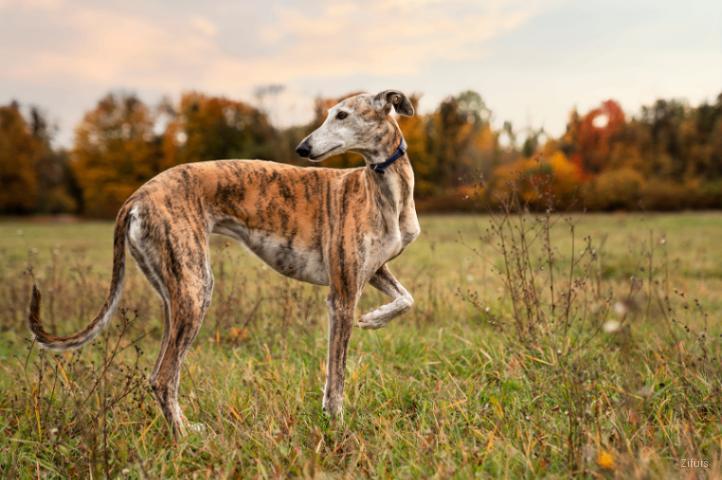
GreyHound
Last Updated:
The Greyhound is the fastest dog breed in the world, known for its incredible speed, slim build, and surprisingly calm and gentle nature.
Height
26 - 30 Inches
Intelligence
High
Lifespan
10 - 14 years
Weight
27 - 40 Kg
Temperament
About
The Greyhound is a graceful, athletic, and remarkably fast dog breed known for its slender body, long legs, deep chest, and gentle personality. Often recognized as one of the fastest dog breeds in the world, a Greyhound can reach speeds of approximately 70 km/h over short distances. Despite its reputation as a racing and hunting dog, the Greyhound is surprisingly calm and relaxed at home.
Originally developed as a sighthound, Greyhounds were bred to spot and chase fast-moving prey using their excellent eyesight and speed. Over time, they have also become popular companion dogs because of their affectionate nature, relatively quiet temperament, and low-maintenance coat.
Greyhound Appearance
Greyhounds have a distinctive athletic build designed primarily for speed and agility. Their bodies are lean and muscular, with a long neck, narrow waist, deep chest, long legs, and flexible spine.
Their physical characteristics include:
- Long, slender legs
- Deep chest and narrow waist
- Lean, muscular body
- Long head and narrow muzzle
- Short, smooth coat
- Long, tapered tail
- Powerful hindquarters
Greyhounds come in a variety of coat colors and patterns, including black, white, fawn, brindle, red, blue, and combinations of these colors.
Greyhound Temperament
Despite their history as hunting and racing dogs, Greyhounds are generally known for their gentle, affectionate, calm, and easygoing temperament. Many Greyhounds enjoy spending a significant amount of time relaxing indoors.
They can form strong bonds with their families and often enjoy quiet companionship. Greyhounds are usually not excessively vocal, making them a potentially good choice for owners who prefer a quieter dog.
However, individual temperament can vary. Early socialization and positive training can help a Greyhound become confident and comfortable around people, children, other dogs, and new environments.
Are Greyhounds Good Family Dogs?
Greyhounds can make excellent family companions when their needs are properly met. They are often affectionate with their owners and enjoy relaxing close to their family.
Because of their slender build and sensitive nature, interactions with very young children should be supervised. Children should also be taught how to interact appropriately with dogs.
Greyhounds can also have a strong prey drive because of their sighthound heritage. Owners should therefore be cautious when introducing them to small animals such as rabbits, guinea pigs, or other pets.
Greyhound Exercise Requirements
Although Greyhounds are famous for their incredible speed, they do not necessarily require hours of intense exercise every day. They typically enjoy short periods of activity followed by plenty of rest.
A Greyhound's exercise routine can include:
- Daily walks
- Short runs in secure areas
- Supervised off-leash exercise
- Interactive games
- Basic obedience training
- Mental stimulation
A securely enclosed area is particularly important if allowing a Greyhound to run because of its speed and instinct to chase moving objects.
Greyhounds should not routinely be allowed off-leash in unsecured public areas.
Can Greyhounds Live in Apartments?
Yes, Greyhounds can adapt well to apartment living when they receive adequate daily exercise and have a comfortable place to rest.
Their relatively calm indoor temperament means they may be perfectly content relaxing at home after a walk or short period of exercise.
However, apartment owners should still provide regular outdoor activity and mental stimulation. Access to a safe outdoor area is especially useful because Greyhounds enjoy occasional opportunities to stretch their legs and run.
Greyhound Grooming Requirements
Greyhounds have a short, smooth coat that is relatively easy to maintain. They generally do not require extensive grooming compared with long-haired breeds.
Basic grooming should include:
- Regular brushing
- Occasional bathing
- Nail trimming
- Ear cleaning
- Dental care
- Routine veterinary check-ups
Greyhound and Temperature Sensitivity
Greyhounds have relatively little body fat and a short coat, which can make them more sensitive to cold temperatures than many other breeds. They may also require protection from excessive heat.
During colder weather, a comfortable warm sleeping area or dog coat may be useful. During hot weather, owners should provide shade, fresh water, ventilation, and avoid strenuous exercise during the hottest part of the day.
Signs of overheating or heat-related illness should be taken seriously, and veterinary attention should be sought if a dog shows concerning symptoms.
Greyhound Health
Greyhounds are generally athletic and healthy dogs, but they can have breed-specific health considerations. Their lean body structure, thin skin, and relatively low body fat require appropriate care.
Owners should maintain regular veterinary check-ups and ensure their dogs receive recommended vaccinations, parasite prevention, dental care, and preventive healthcare.
Greyhound Training
Greyhounds are intelligent dogs, but they can have an independent personality. Training is usually most effective when it is based on positive reinforcement, patience, consistency, and rewards.
Basic obedience training should ideally begin early and include commands such as:
- Sit
- Stay
- Come
- Leave it
- Down
- Loose-leash walking
Recall training is particularly important because Greyhounds can have a strong instinct to chase moving objects. Owners should be cautious about off-leash activities unless the area is securely enclosed.
Greyhound Prey Drive
As a sighthound, the Greyhound has been historically bred to chase fast-moving animals. As a result, some Greyhounds can have a strong prey drive.
A Greyhound may instinctively chase squirrels, cats, birds, or other small animals. This behavior can vary considerably between individual dogs.
Responsible owners should use secure leashes and fencing and carefully supervise interactions with smaller pets.
What Should You Feed a Greyhound?
Greyhounds need a complete and balanced diet suitable for their age, size, activity level, and health condition.
A puppy's nutritional requirements differ from those of an adult or senior Greyhound. Food portions should also be adjusted according to activity level and body condition.
Owners should avoid overfeeding, as maintaining an appropriate body condition is important for an athletic breed. A veterinarian can provide guidance on the appropriate diet, feeding schedule, and portion size for an individual Greyhound.
Greyhound Dog Price in India
The Greyhound dog price in India can vary depending on factors such as breeder reputation, lineage, age, location, health screening, and availability.
As a general estimate, a Greyhound puppy may cost approximately ₹30,000 to ₹80,000 in India. Dogs with desirable pedigrees or from reputable breeders may cost more.
Before purchasing a Greyhound, prospective owners should consider factors beyond the initial purchase price, including vaccination, veterinary care, nutrition, training, grooming, parasite prevention, and other long-term expenses.
Greyhound Monthly Maintenance Cost in India
The estimated Greyhound monthly maintenance cost in India can range from around ₹5,000 to ₹9,000 or more, depending on food quality, healthcare needs, lifestyle, location, and other expenses.
Common monthly and recurring expenses may include:
- Dog food
- Preventive healthcare
- Flea and tick prevention
- Grooming supplies
- Toys and enrichment
- Routine veterinary visits
- Dental care
- Training expenses
Is a Greyhound Good for First-Time Dog Owners?
A Greyhound can potentially be suitable for a first-time owner because of its calm indoor temperament and relatively straightforward grooming requirements. However, owners should understand the breed's unique needs before bringing one home.
Its prey drive, sensitivity to temperature, speed, exercise requirements, and need for secure outdoor spaces are important considerations.
Greyhound vs Other Active Dog Breeds
One of the most interesting characteristics of the Greyhound is the difference between its athletic ability and home lifestyle. Although it can run extremely fast, it generally does not need continuous physical activity.
Unlike some highly energetic working breeds that require prolonged exercise and constant mental stimulation, many Greyhounds are content with moderate daily exercise followed by extended periods of rest.
Final Thoughts
The Greyhound is a unique combination of incredible athletic ability and a calm, relaxed home personality. Famous for its speed, elegant appearance, and history as a hunting and racing dog, the breed can also be a gentle and affectionate companion.
For prospective owners in India, understanding the Greyhound dog price in India, monthly maintenance costs, exercise requirements, temperature sensitivity, training needs, and healthcare responsibilities is important before bringing one home.
With proper nutrition, regular veterinary care, appropriate exercise, positive training, and a comfortable environment, a Greyhound can be a loving and rewarding companion for individuals and families alike.
Care Requirements
Compatibility
Available Colors
Health Considerations
- Bloat
- Hip Dysplasia
- Heart Conditions
- Dental Issues
Fun Facts
- The Greyhound is the fastest dog breed in the world, second only to the cheetah among all canine animals.
- Greyhounds even appear in the Bible—Proverbs 30:31 (KJV) mentions them by name.
Frequently Asked Questions
Common questions about the GreyHound breed.
What is a Greyhound?
The Greyhound is a sleek, athletic sighthound known for its incredible speed, reaching approximately 70 km/h. Despite its racing and hunting history, the breed is generally calm, gentle, affectionate, and relaxed indoors.
How much does a Greyhound cost in India?
The Greyhound dog price in India typically ranges from ₹30,000 to ₹80,000, depending on factors such as breeder reputation, lineage, location, health screening, age, and availability.
Are Greyhounds good family dogs?
Yes, Greyhounds can make excellent family companions. They are generally gentle, affectionate, quiet, and calm indoors. Interactions with young children should be supervised because Greyhounds have a slender build and sensitive nature.
Are Greyhounds good apartment dogs?
Yes, Greyhounds can adapt well to apartment living. Although they are one of the fastest dog breeds, they generally have a calm indoor temperament and can be comfortable in smaller homes when provided with regular exercise and a comfortable resting area.
How much exercise does a Greyhound need?
Greyhounds generally need moderate exercise rather than prolonged activity. Daily walks combined with short, safe bursts of running or play are usually suitable. They are sprinters rather than long-distance runners and need plenty of rest after exercise.
Are Greyhounds aggressive?
Greyhounds are generally gentle, quiet, and affectionate rather than aggressive. They can be reserved around unfamiliar people, and their behavior can vary between individuals. Early socialization and positive training are important for balanced behavior.
Are Greyhounds good with children?
Many Greyhounds can live well with children when properly socialized and supervised. Because of their slender body and sensitive nature, children should be taught to interact gently with them, and young children should not be left unsupervised with any dog.
Are Greyhounds good with cats and other small pets?
Greyhounds can have a strong prey drive because they were historically bred to chase fast-moving animals. Some individuals may not be suitable for homes with cats or small pets, so introductions should be handled carefully and interactions should be supervised.
Do Greyhounds require a lot of grooming?
No. Greyhounds have a short, smooth coat that is relatively easy to maintain. Regular brushing, occasional bathing, nail trimming, ear care, and dental hygiene are generally sufficient.
Can Greyhounds live in India's hot climate?
Greyhounds can live in India with appropriate climate management, but their short coat and lean body provide limited protection from extreme temperatures. During hot weather, provide plenty of fresh water, shade, ventilation, and exercise during cooler parts of the day.
Are Greyhounds easy to train?
Greyhounds are intelligent but can be independent and sensitive. They generally respond best to patient, consistent, reward-based training. Harsh corrections should be avoided, and reliable recall training is particularly important because of their natural chasing instinct.
What is the monthly maintenance cost of a Greyhound in India?
The monthly maintenance cost of a Greyhound in India can range from approximately ₹5,000 to ₹9,000 or more, depending on food, veterinary care, preventive treatments, grooming, lifestyle, and individual health requirements.
What should I feed a Greyhound?
A Greyhound should receive a complete and balanced diet appropriate for its age, size, activity level, and health condition. Puppies, adults, and senior dogs have different nutritional needs. A veterinarian can recommend an appropriate diet and feeding quantity.
How long do Greyhounds live?
Greyhounds commonly have a lifespan of around 10 to 14 years, although individual lifespan can vary depending on genetics, nutrition, healthcare, lifestyle, and overall health.
Are Greyhounds suitable for first-time dog owners?
Greyhounds can be suitable for some first-time owners because they are generally calm indoors and have relatively simple grooming needs. However, their speed, prey drive, sensitivity, and need for secure outdoor areas mean that new owners should be prepared to learn about the breed's specific requirements.