
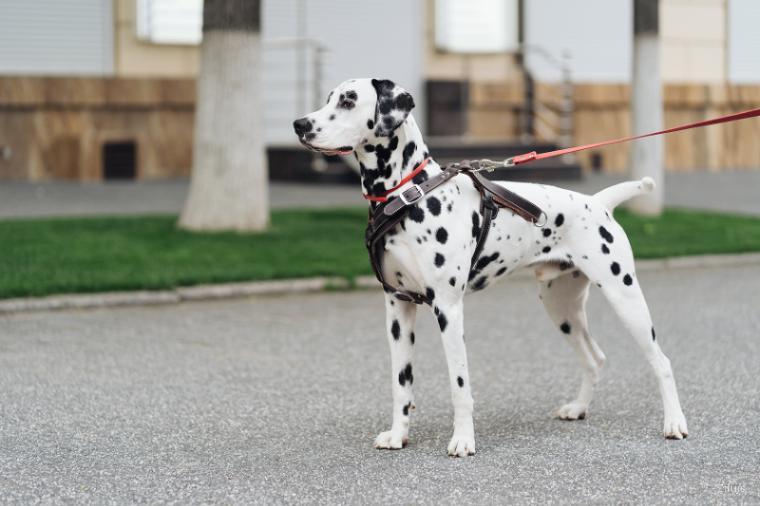
Dalmatian
Last Updated:
The Dalmatian dog breed is a highly energetic, intelligent, and distinctive dog known for its unique black or liver-spotted coat. Popular among active pet owners in India, Dalmatians require regular exercise, proper training, and a balanced diet. If you’re looking for a playful, loyal, and eye-catching companion, the Dalmatian is a great choice for active families and individuals.
Height
19 - 24 Inches
Intelligence
High
Lifespan
10 - 14 years
Weight
20 - 32 Kg
Temperament
About
The Dalmatian is a distinctive medium to large-sized dog breed best known for its white coat covered with black or liver-colored spots. Originally associated with coaching and carriage work, Dalmatians are athletic, intelligent, energetic, and highly active dogs that thrive when they receive regular exercise and mental stimulation.
Dalmatians are known for being energetic, intelligent, playful, loyal, alert, independent, and athletic. They can form strong bonds with their families and enjoy participating in activities with their owners.
Because of their high energy levels, Dalmatians require more exercise than many companion breeds. Consistent training, early socialization, regular activity, and appropriate nutrition are important for keeping them physically and mentally healthy.
Dalmatian Appearance
The Dalmatian has a lean, muscular, athletic body and a distinctive spotted coat. Puppies are typically born with plain white coats, with their characteristic spots developing as they grow.
Common physical characteristics include:
- Medium to large-sized athletic body
- Strong and muscular build
- Long, straight legs
- Long muzzle
- Medium-sized ears
- Short, dense coat
- Long, tapering tail
- Distinctive spots across the body
The most familiar variety has black spots on a white background. Liver-colored spots also occur.
Dalmatian Temperament
The Dalmatian temperament is generally energetic, intelligent, outgoing, playful, and alert. They are highly active dogs that often enjoy running, playing, training, and accompanying their owners on outdoor activities.
Dalmatians can also be independent and strong-willed. Consistent positive training and early socialization are important for helping them develop into well-mannered adult dogs.
Are Dalmatians Good Family Dogs?
Dalmatians can make excellent family companions for active households. They are playful, energetic, and often enjoy being involved in family activities.
However, their high exercise requirements mean they are generally better suited to families that can provide plenty of daily physical activity and mental stimulation.
Are Dalmatians Good with Children?
Well-socialized Dalmatians can be playful and affectionate with children. Their energetic personality can make them enjoyable companions for active families.
Because Dalmatians are strong and energetic, young children should always be supervised around them. Children should also be taught how to interact respectfully with dogs.
Dalmatian Intelligence and Training
Dalmatians are intelligent and capable of learning a wide range of commands and activities. However, their independent nature can sometimes make training challenging if sessions are repetitive or inconsistent.
Training should include:
- Basic obedience
- Leash training
- Recall training
- Impulse control
- House training
- Early socialization
- Handling and grooming practice
Positive reinforcement, consistency, and variety can help keep a Dalmatian engaged during training.
Dalmatian Exercise Requirements
Dalmatians are highly energetic dogs and require substantial daily exercise. They were historically associated with endurance and carriage work, and many still have a strong desire to run and stay active.
Suitable activities include:
- Long walks
- Running
- Hiking
- Fetch
- Agility
- Obedience training
- Scent games
- Interactive play
Exercise should be adjusted according to age, health, fitness level, and weather conditions. Puppies should not be pushed into excessive high-impact exercise while their bones and joints are developing.
Can Dalmatians Live in Apartments?
Dalmatians can potentially live in apartments, but they are not naturally low-energy dogs. Apartment owners must be prepared to provide substantial daily exercise, outdoor activity, mental stimulation, and training.
Without sufficient activity, a bored Dalmatian may develop unwanted behaviors such as excessive chewing, jumping, barking, or restlessness.
Dalmatian Grooming Requirements
Dalmatians have a short, dense coat and relatively simple grooming requirements. Regular brushing can help remove loose hair and keep the coat healthy.
Basic grooming should include:
- Weekly brushing
- Bathing when necessary
- Regular nail trimming
- Routine ear checks
- Dental care
- Regular veterinary examinations
Although the coat is short, Dalmatians can shed throughout the year, so regular brushing is useful for managing loose hair.
Do Dalmatians Shed a Lot?
Yes, Dalmatians can shed considerably despite having a short coat. Their short, stiff hairs can be noticeable on clothing, furniture, and floors.
Regular brushing can help reduce the amount of loose hair around the home.
Are Dalmatians Hypoallergenic?
No, Dalmatians are not considered hypoallergenic. They shed and can spread dander around the home.
People with dog allergies should spend time around a Dalmatian before deciding to adopt one.
Dalmatian Health
Dalmatians can be healthy and active dogs when responsibly bred and provided with appropriate nutrition and preventive veterinary care. However, the breed has several important health considerations.
Potential health concerns include deafness, urinary stones, hip dysplasia, allergies, and certain eye conditions.
Dalmatians have a unique urinary metabolism that can increase their risk of developing urate urinary stones. Adequate hydration, appropriate nutrition, and veterinary guidance are important for dogs at risk.
Regular veterinary examinations and appropriate health screening can help identify potential problems early.
What Should You Feed a Dalmatian?
A Dalmatian should receive a complete and balanced diet appropriate for its age, size, activity level, and individual health requirements.
Because Dalmatians can be predisposed to urate urinary stones, diet selection should be discussed with a veterinarian if the dog has a history of urinary problems or stone formation.
Fresh, clean drinking water should always be available.
Can Dalmatians Become Overweight?
Yes, Dalmatians can gain excess weight if calorie intake consistently exceeds their activity level. Regular exercise, measured meals, controlled treats, and monitoring body condition can help maintain a healthy weight.
Maintaining an appropriate weight is particularly important for an athletic breed such as the Dalmatian.
Dalmatian Socialization
Early socialization is important for Dalmatians. Puppies should gradually and positively experience different people, environments, sounds, surfaces, handling, and appropriately vaccinated dogs.
Good socialization can help them become confident and better prepared to handle unfamiliar situations.
Are Dalmatians Good with Other Pets?
Dalmatians can live with other dogs and compatible pets when properly socialized and introduced. Their individual temperament and prey drive should be considered when introducing them to smaller animals.
Introductions should be gradual and supervised, with separate food, water, resting, and retreat areas available for each pet.
Are Dalmatians Affectionate?
Dalmatians can be affectionate and strongly attached to their families. Many enjoy spending time with their owners and participating in outdoor activities and games.
Individual personalities vary, and some Dalmatians may be more independent than others.
Are Dalmatians Good Guard Dogs?
Dalmatians are alert and can be protective of their homes and families. Their alert nature can make them effective watchdogs.
Protective behavior should be managed through appropriate socialization and positive training rather than encouraging aggression.
Are Dalmatians Good for First-Time Dog Owners?
Dalmatians can be challenging for first-time owners because of their high energy, exercise requirements, intelligence, and independent nature.
They are generally better suited to owners who are prepared to provide consistent training, substantial daily exercise, mental stimulation, and companionship.
Do Dalmatians Need a Lot of Attention?
Dalmatians are social and energetic dogs that benefit from regular interaction with their owners. They require daily exercise and mental stimulation and may become bored when left alone for long periods without enrichment.
Training, interactive play, outdoor activities, and puzzle toys can help meet their needs.
How Long Do Dalmatians Live?
Dalmatians commonly have a lifespan of around 11 to 13 years. Individual lifespan can vary depending on genetics, responsible breeding, nutrition, exercise, preventive veterinary care, and overall lifestyle.
Dalmatian Price in India
The Dalmatian price in India can vary depending on pedigree, breeder reputation, bloodline, health screening, age, location, coat quality, and availability.
As a general estimate, a Dalmatian puppy in India may cost approximately ₹25,000 to ₹60,000 or more.
Dogs from responsible breeders with documented pedigrees, health screening, and appropriate veterinary care may cost considerably more.
Prospective owners should consider vaccination records, hearing screening, health history, parental health, living conditions, and responsible breeding practices rather than choosing a puppy based solely on price.
Dalmatian Monthly Maintenance Cost in India
The estimated Dalmatian monthly maintenance cost in India can range from approximately ₹5,000 to ₹10,000 or more, depending on food, veterinary care, parasite prevention, grooming, training, treats, toys, and lifestyle.
Regular expenses may include:
- Quality dog food
- Routine veterinary care
- Vaccinations
- Deworming
- Tick and flea prevention
- Dental care
- Training
- Toys and enrichment
Dogs with urinary or other breed-related health problems may require additional veterinary and dietary expenses.
Can Dalmatians Live in India's Climate?
Dalmatians can adapt to India's climate, but hot and humid weather can make intense exercise difficult. Their high activity level means owners need to manage exercise carefully during summer.
They should have access to fresh water, shade, good ventilation, and a cool resting area. Outdoor exercise should preferably take place during cooler morning or evening hours.
Are Dalmatians Good Running Dogs?
Yes, healthy adult Dalmatians can make excellent running companions because of their athletic build and endurance. However, running should be introduced gradually, and puppies should not be subjected to excessive high-impact exercise while they are still developing.
Running should also be avoided during extreme heat, particularly in India's summer climate.
Do Dalmatians Need a Lot of Exercise?
Yes, Dalmatians are high-energy dogs and generally require substantial daily exercise. A combination of physical activity and mental stimulation is important for their overall wellbeing.
Without enough activity, they can become restless and develop unwanted behaviors.
Are Dalmatians High-Maintenance?
Dalmatians have relatively low grooming requirements but can be considered moderately to highly demanding in terms of exercise, training, and mental stimulation.
Owners should also be prepared for breed-specific healthcare considerations, particularly urinary health and hearing.
Do Dalmatians Bark a Lot?
Dalmatians can bark to alert their owners, communicate, or respond to unfamiliar activity. Boredom and insufficient exercise can contribute to unwanted vocalization.
Regular exercise, mental stimulation, socialization, and positive training can help manage excessive barking.
Are Dalmatians Good for Active Families?
Yes, Dalmatians are particularly well suited to active families. They can enjoy running, hiking, long walks, games, training, and other outdoor activities.
Families should be prepared to provide consistent daily activity throughout the dog's life.
Are Dalmatians Good for Indian Families?
Dalmatians can be suitable for Indian families that can provide sufficient exercise, training, companionship, veterinary care, and appropriate heat management.
Families living in regions with very hot summers should carefully plan outdoor activities around cooler parts of the day and provide a comfortable indoor environment.
Final Thoughts
The Dalmatian is an athletic, intelligent, energetic, and distinctive dog breed known for its spotted coat and active personality. It can be an excellent companion for owners who enjoy an active lifestyle and are prepared to provide plenty of exercise and mental stimulation.
For prospective owners in India, it is important to consider both the Dalmatian price in India and ongoing expenses for food, veterinary care, training, parasite prevention, and enrichment.
With early socialization, positive training, regular exercise, balanced nutrition, appropriate hydration, preventive veterinary care, and responsible breeding, a Dalmatian can be a loyal and rewarding companion for many years.
Care Requirements
Compatibility
Available Colors
Health Considerations
- Urinary Stones
- Congenital Deafness
- Dalmatian Bronzing Syndrome
- Dilated cardiomyopathy
- Iris sphincter dysplasia
- Glaucoma
- Entropion
- Epilepsy
- Hip dysplasia
- Copper storage disease
Fun Facts
- George Washington was a fan of the Dalmatians and owned a dog named Madame Moose.
- The breed became globally famous after the movie "101 Dalmatians", which made them one of the most recognizable dog breeds.
- Surprisingly, Dalmatian puppies are born with plain white coats. Their iconic spots usually begin to appear when they are about 10 to 14 days old.
Frequently Asked Questions
Common questions about the Dalmatian breed.
What is a Dalmatian?
The Dalmatian is an athletic medium-to-large dog breed best known for its distinctive spotted coat. Dalmatians are intelligent, energetic, loyal, alert, and capable of being excellent companions for active families.
How much does a Dalmatian cost in India?
The Dalmatian price in India varies depending on pedigree, breeder reputation, bloodline, health screening, age, location, and availability. A Dalmatian puppy may typically cost around ₹25,000 to ₹60,000 or more.
Are Dalmatians good family dogs?
Yes, Dalmatians can make excellent family dogs, particularly for active households. They are loyal, playful, and affectionate with their families but require substantial daily exercise and mental stimulation.
Are Dalmatians good with children?
Well-socialized Dalmatians can be playful and affectionate with children. Because they are energetic and strong, young children should always be supervised around them and taught to interact with dogs respectfully.
Are Dalmatians good with other dogs?
Dalmatians can live successfully with other dogs when properly socialized and introduced. Early socialization can help reduce reserved or territorial behavior around unfamiliar dogs.
Are Dalmatians affectionate?
Dalmatians can be loyal, loving, and affectionate with their families. They often enjoy participating in activities with their owners, although some may be more independent or reserved than others.
Are Dalmatians intelligent?
Yes, Dalmatians are intelligent and capable of learning commands, tricks, obedience exercises, and dog sports. They benefit from varied training and regular mental stimulation.
Are Dalmatians easy to train?
Dalmatians are intelligent but can be sensitive and independent. Positive, reward-based training, consistency, early socialization, and engaging sessions generally work best.
How much exercise does a Dalmatian need?
Dalmatians are high-energy dogs that require substantial daily exercise. Long walks, running, hiking, fetch, agility, and other physical and mental activities can help meet their needs.
Can Dalmatians live in apartments?
Dalmatians can live in apartments if their high exercise and mental stimulation needs are consistently met. Without enough daily activity, they may become restless or develop unwanted behaviors.
Do Dalmatians shed a lot?
Yes, Dalmatians can shed considerably despite having a short coat. Their short, stiff hairs can be noticeable around the home, so regular brushing is useful.
How often should a Dalmatian be groomed?
Dalmatians have relatively low grooming requirements. Weekly brushing, occasional bathing, regular nail trimming, ear checks, and dental care are generally sufficient.
Are Dalmatians hypoallergenic?
No, Dalmatians are not considered hypoallergenic. They shed and produce allergens such as dander and saliva.
Are Dalmatians good for first-time dog owners?
Dalmatians can be challenging for first-time owners because of their high energy, exercise requirements, intelligence, and independent nature. They are generally better suited to owners prepared for an active lifestyle.
Do Dalmatians need a lot of attention?
Dalmatians benefit from regular companionship, physical exercise, and mental stimulation. They can become bored or restless if left alone for long periods without sufficient enrichment.
Can Dalmatians be left alone?
Dalmatians can tolerate some time alone when their exercise and enrichment needs are met, but they generally benefit from regular human interaction. Long periods of isolation can contribute to boredom and unwanted behavior.
Are Dalmatians aggressive?
Dalmatians are not inherently aggressive. They can be reserved with strangers and protective of their families, so early socialization and positive training are important for developing appropriate behavior.
Are Dalmatians good guard dogs?
Dalmatians can be effective watchdogs because they are alert, protective, and historically had guarding roles around horses and coaches. Their protective instincts should be managed through appropriate socialization and training.
What should I feed a Dalmatian?
A Dalmatian should receive a complete and balanced diet appropriate for its age, size, activity level, and health. Because the breed is predisposed to urate urinary stones, dogs with urinary concerns may require specific dietary management under veterinary guidance.
Are Dalmatians prone to urinary stones?
Yes, Dalmatians have a genetic predisposition to producing higher levels of uric acid, which can increase the risk of urate bladder stones. Good hydration, frequent opportunities to urinate, appropriate nutrition, and veterinary monitoring are important.
How can I reduce the risk of urinary stones in a Dalmatian?
Keeping a Dalmatian well hydrated, providing frequent opportunities to urinate, and following an appropriate diet can help manage urinary-stone risk. Dogs with a history of stones may require a veterinarian-recommended therapeutic diet or medication.
Are urinary stones in Dalmatians an emergency?
A urinary blockage caused by a stone can be life-threatening and requires immediate veterinary attention. Difficulty urinating, repeated attempts to urinate, or blood in the urine should be treated as reasons to contact a veterinarian promptly.
Are Dalmatians prone to deafness?
Yes, congenital deafness occurs in Dalmatians more frequently than in many other breeds. Responsible breeders should have puppies' hearing evaluated, commonly using a BAER hearing test.
What is BAER testing for Dalmatians?
BAER, or Brainstem Auditory Evoked Response testing, is a hearing test used to determine whether a dog can hear in each ear. It is an important screening test for Dalmatian puppies because congenital deafness occurs in the breed.
Can a deaf Dalmatian live a normal life?
A Dalmatian that is deaf in one ear can often lead a normal life. A bilaterally deaf Dalmatian can also have a good quality of life with appropriate training, environmental management, and communication using visual cues and hand signals.
What health problems do Dalmatians have?
Health concerns in Dalmatians can include congenital deafness, urate bladder stones, hip dysplasia, allergies, certain eye conditions, and some other inherited or breed-associated disorders.
Do Dalmatians need health testing?
Yes, responsible Dalmatian breeding programs should include appropriate health screening. Breed-club recommendations include hip evaluation and BAER hearing testing.
Are Dalmatians prone to hip dysplasia?
Yes, hip dysplasia can occur in Dalmatians. Maintaining a healthy body weight, providing appropriate exercise, and obtaining health information and screening from responsible breeders can help manage joint-health risks.
How long do Dalmatians live?
Dalmatians commonly have a lifespan of around 11 to 13 years. Individual lifespan varies depending on genetics, responsible breeding, nutrition, exercise, preventive veterinary care, and overall lifestyle.
Can Dalmatians become overweight?
Yes, Dalmatians can gain excess weight if calorie intake exceeds their activity level. Measured meals, controlled treats, regular exercise, and monitoring body condition can help maintain a healthy weight.
Do Dalmatians need a lot of exercise?
Yes, Dalmatians are highly energetic dogs with strong stamina. They benefit from substantial daily physical activity combined with mental stimulation. Puppies should not be pushed into excessive strenuous exercise while their bones and joints are still developing.
Are Dalmatians good running dogs?
Healthy adult Dalmatians can make excellent running companions because of their athletic build and endurance. Running should be introduced gradually and avoided during extreme heat.
Are Dalmatians good hiking dogs?
Yes, healthy adult Dalmatians can be excellent hiking companions. Their stamina and athleticism suit active outdoor activities, provided exercise is appropriate for their fitness, age, health, and weather conditions.
Can Dalmatians live in India's climate?
Dalmatians can adapt to India's climate, but hot and humid weather requires careful exercise management. They should have access to fresh water, shade, good ventilation, and a cool resting environment.
Are Dalmatians good in hot weather?
Dalmatians can exercise in warm weather when conditions are appropriate, but strenuous activity should be avoided during extreme heat. Walks and outdoor activities are best scheduled during cooler parts of the day.
Do Dalmatians need air conditioning in India?
In regions with very hot summers, a cool indoor environment can help keep Dalmatians comfortable. Air conditioning may be particularly useful during periods of extreme heat, although the exact need depends on local temperature, humidity, ventilation, and the individual dog.
What colors do Dalmatians come in?
The most recognized Dalmatian patterns are black spots on white or liver-colored spots on white. Puppies are born white and their characteristic spots develop as they mature.
Are Dalmatians born with spots?
No. Dalmatian puppies are generally born with plain white coats, and their characteristic spots develop during the first weeks of life.
Are Dalmatians good with cats?
Some Dalmatians can live successfully with cats when properly socialized and introduced, while individual prey drive varies. Introductions should be gradual and supervised.
Are Dalmatians good indoor dogs?
Yes, Dalmatians can live indoors and benefit from being part of the family. However, indoor living does not replace their need for substantial daily exercise and mental stimulation.
Do Dalmatians bark a lot?
Dalmatians can bark to alert their owners, communicate, or respond to unfamiliar activity. Boredom and insufficient exercise can contribute to excessive barking, which can often be managed through training and enrichment.
Are Dalmatians high-maintenance?
Dalmatians have relatively low grooming requirements, but they can be demanding in terms of exercise, training, companionship, and health management. Their urinary and hearing-related health considerations also require responsible care.
Are Dalmatians suitable for active families?
Yes, Dalmatians are particularly well suited to active families. They can enjoy running, hiking, long walks, games, dog sports, and other activities that provide regular physical and mental stimulation.
Are Dalmatians suitable for Indian families?
Dalmatians can be suitable for Indian families that can provide substantial daily exercise, training, companionship, veterinary care, hydration, and appropriate heat management.
What is the monthly maintenance cost of a Dalmatian in India?
The estimated Dalmatian monthly maintenance cost in India can range from approximately ₹5,000 to ₹10,000 or more, depending on food, veterinary care, parasite prevention, grooming, training, treats, toys, and lifestyle. Additional healthcare or dietary costs may apply if urinary or other breed-related problems occur.
Are Dalmatians loyal?
Yes, Dalmatians are generally loyal and strongly attached to their families. They can be loving with familiar people while remaining more reserved around strangers.
What kind of owner is best for a Dalmatian?
A Dalmatian is best suited to an active owner or family that can provide substantial daily exercise, positive training, mental stimulation, companionship, and consistent preventive healthcare.