
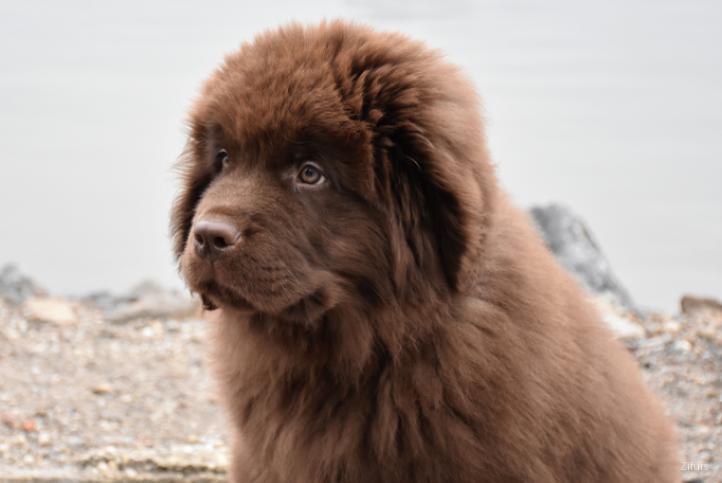
Chow chow
Last Updated:
The Chow Chow dog breed is a fluffy, lion-like dog known for its thick coat, blue-black tongue, and independent personality. Popular in India for its unique appearance, Chow Chows are loyal, protective, and best suited for experienced owners. They require regular grooming, proper training, and special care in hot climates.
Height
17 - 20 Inches
Intelligence
High
Lifespan
8 - 12 years
Weight
20 - 32 Kg
Temperament
About
The Chow Chow is a distinctive medium to large-sized dog breed known for its dense double coat, lion-like appearance, blue-black tongue, and independent personality. Originally developed in China, the breed has historically been used for hunting, guarding, pulling, and other working purposes.
Chow Chows are known for being independent, loyal, dignified, intelligent, calm, reserved, and protective. They often form strong bonds with their families but may be more reserved with strangers than many other companion breeds.
Chow Chows are not usually considered highly demanding in terms of exercise, but they require consistent training, early socialization, regular grooming, and careful management in hot weather. Their dense coat can make India's warm climate particularly challenging, especially during summer.
Chow Chow Appearance
The Chow Chow has a compact, powerful build and a distinctive appearance. Its broad head, small upright ears, deep-set eyes, thick coat, and blue-black tongue make the breed easy to recognize.
Common physical characteristics include:
- Medium to large-sized body
- Compact and muscular build
- Broad head
- Small, triangular upright ears
- Deep-set, almond-shaped eyes
- Thick double coat
- Plumed tail carried over the back
- Strong legs and compact feet
- Distinctive blue-black tongue
Chow Chows commonly come in red, black, blue, cinnamon, and cream. Their coat may be rough or smooth depending on the variety, although the rough-coated Chow Chow is more commonly seen.
Chow Chow Temperament
The Chow Chow temperament is generally independent, dignified, calm, loyal, and reserved. They often become strongly attached to their families but may not be as openly affectionate or eager to please as some other breeds.
Chow Chows can be naturally cautious around unfamiliar people. Early socialization and positive training can help them become confident and comfortable in different environments.
Are Chow Chows Good Family Dogs?
Yes, Chow Chows can make loyal family companions when raised with appropriate training and socialization. They often prefer a calm and predictable household and can become deeply attached to their owners.
Because of their independent nature and reserved temperament, they may not be the best choice for families looking for a highly outgoing or constantly affectionate dog.
Are Chow Chows Good with Children?
Chow Chows can live with children when properly socialized and when interactions are respectful. However, they are generally better suited to households where children understand how to interact appropriately with dogs.
Young children should always be supervised around a Chow Chow, particularly because the breed may not appreciate rough handling, excessive hugging, or being disturbed while resting or eating.
Chow Chow Intelligence and Training
Chow Chows are intelligent but independent. They may not always be eager to repeat commands simply to please their owners, so training requires patience, consistency, and positive reinforcement.
Training should include:
- Basic obedience
- Leash training
- Recall training
- Impulse control
- Handling and grooming practice
- Socialization
- House training
Training should begin early. Short, positive, and consistent sessions can help keep the dog engaged without creating unnecessary conflict.
Chow Chow Exercise Requirements
Chow Chows generally have moderate exercise requirements compared with highly energetic working breeds. They benefit from daily walks and regular opportunities to explore and interact with their environment.
Suitable activities include:
- Daily walks
- Short play sessions
- Obedience training
- Sniffing activities
- Puzzle toys
- Controlled outdoor exploration
Exercise should be adjusted according to age, health, fitness level, and weather. Strenuous activity should be avoided during hot weather.
Can Chow Chows Live in Apartments?
Yes, Chow Chows can adapt to apartment living when their exercise, mental stimulation, grooming, and temperature-management needs are met.
Their moderate activity requirements can make them more adaptable to apartment life than some high-energy breeds. However, their size, thick coat, and potential for heat sensitivity require careful consideration.
Chow Chow Grooming Requirements
Chow Chows have a dense double coat that requires regular grooming. Their thick fur can become tangled or matted if brushing is neglected.
Basic grooming should include:
- Brushing several times a week
- More frequent brushing when shedding heavily
- Regular nail trimming
- Routine ear checks
- Dental care
- Bathing when necessary
Particular attention should be given to areas where the coat is dense, including behind the ears, around the neck, and around the legs.
Do Chow Chows Shed a Lot?
Yes, Chow Chows can shed significantly. Their thick double coat undergoes seasonal shedding, during which regular brushing becomes especially important.
Frequent brushing can help remove loose undercoat, reduce matting, and keep shedding more manageable around the home.
Are Chow Chows Hypoallergenic?
No, Chow Chows are not considered hypoallergenic. Their dense coat sheds and can carry dander around the home.
People with dog allergies should spend time around a Chow Chow before deciding to adopt one.
Chow Chow Health
Chow Chows can be healthy dogs when responsibly bred and provided with appropriate nutrition, exercise, grooming, and preventive veterinary care. However, the breed can be predisposed to certain health conditions.
Potential health concerns include hip and elbow dysplasia, entropion, patellar luxation, allergies, thyroid disorders, and certain skin problems.
Regular veterinary examinations and appropriate health screening can help identify potential problems early.
What Should You Feed a Chow Chow?
A Chow Chow should receive a complete and balanced diet appropriate for its age, size, activity level, and health requirements.
Portion control is important because Chow Chows can gain excess weight when overfed. Maintaining a healthy body condition is particularly important for reducing unnecessary stress on the joints.
Fresh drinking water should always be available.
Chow Chow Socialization
Early socialization is especially important for Chow Chows because of their naturally reserved temperament. Puppies should gradually and positively experience different people, environments, sounds, handling, surfaces, and appropriately vaccinated dogs.
Good socialization can help a Chow Chow become more confident and learn to respond calmly to unfamiliar situations.
Are Chow Chows Good with Other Pets?
Chow Chows can live with other dogs and compatible pets when properly socialized and introduced. However, their individual temperament and tolerance for other animals vary.
Introductions should be gradual and supervised, with separate feeding, resting, and personal spaces available for each pet.
Are Chow Chows Affectionate?
Chow Chows can be affectionate with their families, but they often show affection differently from highly people-oriented breeds. They may prefer staying near their owners rather than constantly seeking physical attention.
Their reserved and independent personality means owners should respect their boundaries and allow them to approach for interaction on their own terms.
Are Chow Chows Good Guard Dogs?
Chow Chows can be naturally alert and protective of their homes and families. Their reserved attitude toward unfamiliar people can make them effective watchdogs.
Proper socialization and training are important to ensure that protective instincts are expressed appropriately rather than through excessive fear or reactivity.
Are Chow Chows Good for First-Time Dog Owners?
Chow Chows can be challenging for first-time dog owners because of their independent personality, grooming requirements, reserved temperament, and need for early socialization.
They are generally better suited to owners who are comfortable with dogs that may be less eager to please and who can provide patient, consistent training.
Do Chow Chows Need a Lot of Attention?
Chow Chows are generally more independent than many companion breeds and may not require constant attention. However, they still need daily interaction, exercise, training, grooming, and companionship.
They should not be routinely isolated for long periods, particularly without adequate enrichment.
How Long Do Chow Chows Live?
Chow Chows commonly have a lifespan of around 8 to 12 years. Individual lifespan can vary depending on genetics, responsible breeding, nutrition, body condition, preventive healthcare, and overall lifestyle.
Chow Chow Price in India
The Chow Chow price in India can vary depending on pedigree, breeder reputation, bloodline, health screening, coat quality, age, location, and availability.
As a general estimate, a Chow Chow puppy in India may cost approximately ₹40,000 to ₹1,00,000 or more.
Dogs from established breeders with documented pedigrees, appropriate health screening, and responsible breeding practices may cost considerably more.
Prospective owners should consider vaccination records, health history, parental health, living conditions, and responsible breeding practices rather than choosing a puppy based solely on price.
Chow Chow Monthly Maintenance Cost in India
The estimated Chow Chow monthly maintenance cost in India can range from approximately ₹5,000 to ₹10,000 or more, depending on food, grooming, veterinary care, parasite prevention, treats, toys, and lifestyle.
Regular expenses may include:
- Quality dog food
- Routine veterinary care
- Vaccinations
- Deworming
- Tick and flea prevention
- Professional or home grooming
- Dental care
- Treats and enrichment
Can Chow Chows Live in India's Climate?
Chow Chows can be challenging to keep comfortable in India's hot climate because of their dense double coat. They require careful heat management, particularly during summer.
They should have access to a cool indoor environment, fresh water, shade, and good ventilation. Walks and exercise should preferably take place during cooler parts of the day.
In regions with very hot summers, reliable air conditioning can be particularly useful for maintaining comfort and reducing the risk of heat stress.
Should a Chow Chow Be Shaved in Summer?
Shaving a Chow Chow's double coat is generally not recommended simply to keep the dog cool. The coat provides insulation and protection from the environment. Regular brushing and appropriate environmental cooling are preferable ways to manage heat.
Are Chow Chows High-Maintenance?
Chow Chows can be considered moderately to highly maintenance-intensive because of their dense coat, regular grooming requirements, socialization needs, and potential sensitivity to heat.
Their exercise needs are moderate, but owners should be prepared to invest consistent time in grooming, training, healthcare, and temperature management.
Do Chow Chows Bark a Lot?
Chow Chows are not typically among the most vocal dog breeds. They may bark to alert their owners to unfamiliar people, animals, or activity, but excessive barking can often be managed through appropriate training, exercise, and socialization.
Why Does a Chow Chow Have a Blue-Black Tongue?
The blue-black tongue is one of the breed's most distinctive characteristics. The pigmentation is normal for Chow Chows and is present in both puppies and adults as the tongue develops its characteristic coloration.
Are Chow Chows Good for Indian Families?
Chow Chows can be suitable for Indian families that have the time and resources to provide regular grooming, proper nutrition, veterinary care, socialization, and a cool indoor environment.
Families living in regions with very hot summers should carefully consider the breed's thick coat and need for reliable heat management before adoption.
Final Thoughts
The Chow Chow is an independent, dignified, loyal, and distinctive dog breed known for its dense coat, blue-black tongue, and reserved personality. It can make a devoted companion for owners who understand its unique temperament and care requirements.
For prospective owners in India, it is important to consider both the Chow Chow price in India and ongoing expenses for food, grooming, veterinary care, parasite prevention, training, and enrichment.
Most importantly, India's climate should be carefully considered before choosing this breed. With appropriate cooling, regular grooming, balanced nutrition, positive training, early socialization, and routine veterinary care, a Chow Chow can be a loyal and rewarding companion.
Care Requirements
Compatibility
Available Colors
Health Considerations
- Heat Sensitivity
- Hip and elbow dysplasia
- Hypothyroidism
- Gastric dilatation-volvulus
Fun Facts
- Chow Chows are one of the very few dog breeds with a blue-black tongue.
- The Chow Chow is believed to be over 2,000 years old, making it one of the oldest dog breeds in the world.
Frequently Asked Questions
Common questions about the Chow chow breed.
What is a Chow Chow?
The Chow Chow is an ancient Chinese dog breed known for its compact muscular body, dense double coat, blue-black tongue, lion-like ruff, and independent, dignified personality.
How much does a Chow Chow cost in India?
The Chow Chow price in India varies depending on pedigree, breeder reputation, bloodline, health screening, age, location, coat quality, and availability. A Chow Chow puppy may typically cost around ₹40,000 to ₹1,00,000 or more.
Are Chow Chows good family dogs?
Chow Chows can be loyal and devoted family companions when properly socialized and trained. They generally prefer calm, predictable households and are often more reserved and independent than highly social breeds.
Are Chow Chows good with children?
Chow Chows can live with children when properly socialized and treated respectfully. Because they may have limited patience for rough handling, young children should always be supervised around them.
Are Chow Chows good with other dogs?
Chow Chows can live with other dogs when properly socialized and introduced, but they may be more reserved or selective with other dogs than many breeds. Individual temperament varies, so introductions should be gradual and supervised.
Are Chow Chows affectionate?
Chow Chows can be deeply affectionate and loyal toward their families, although they often show affection in a more independent way. They may prefer staying close to their owners rather than constantly seeking physical attention.
Are Chow Chows intelligent?
Yes, Chow Chows are intelligent and capable of learning commands and routines. Their independent nature can make them less eager to obey repetitive commands, so training requires patience and consistency.
Are Chow Chows easy to train?
Chow Chows can be challenging to train because they are intelligent but independent and sometimes stubborn. Early training using positive reinforcement, patience, praise, and consistency generally works best.
How much exercise does a Chow Chow need?
Chow Chows have moderate exercise needs and generally benefit from daily walks and moderate play. High-impact or strenuous exercise is usually unnecessary, and activity should be reduced during hot or humid weather.
Can Chow Chows live in apartments?
Yes, Chow Chows can adapt to apartment living when provided with daily walks, moderate exercise, mental stimulation, regular grooming, and a comfortable temperature-controlled environment.
Do Chow Chows shed a lot?
Yes, Chow Chows have a dense double coat and shed significantly, with seasonal shedding often increasing. Regular brushing helps remove loose undercoat and control shedding.
How often should a Chow Chow be groomed?
Chow Chows require regular grooming. Rough-coated Chows generally benefit from thorough brushing at least twice a week, while more frequent brushing may be needed during shedding periods. Bathing and routine nail, ear, and eye care are also important.
Are Chow Chows hypoallergenic?
No, Chow Chows are not considered hypoallergenic. Their dense double coat sheds considerably and can spread dander around the home. People with dog allergies should spend time around a Chow Chow before adoption.
Are Chow Chows vocal?
Chow Chows are generally not among the most vocal dog breeds. They may bark to alert their owners to unfamiliar people or activity, but excessive barking can often be managed through training, exercise, and socialization.
Are Chow Chows good guard dogs?
Chow Chows can be effective watchdogs because they are naturally alert, reserved with strangers, and protective of their families. Their guarding instincts should be managed through proper socialization and training.
Are Chow Chows aggressive?
Chow Chows are not inherently aggressive, but they can be reserved and discerning around strangers and other dogs. Early socialization, responsible training, and respectful handling are important to encourage stable behavior.
Are Chow Chows good for first-time dog owners?
Chow Chows can be challenging for first-time owners because of their independent temperament, grooming requirements, and need for early socialization. They are generally better suited to owners who are comfortable with independent dog breeds.
Do Chow Chows need a lot of attention?
Chow Chows are relatively independent and do not usually demand constant attention. However, they still need daily companionship, exercise, training, grooming, and mental stimulation.
Can Chow Chows be left alone?
Adult Chow Chows may tolerate some time alone better than highly dependent breeds, but they should not routinely be isolated for excessive periods. They still need regular companionship, exercise, and enrichment.
What should I feed a Chow Chow?
A Chow Chow should receive a complete and balanced diet appropriate for its age, size, activity level, and health. Portion control is important because the breed can gain excess weight. Puppies should receive appropriate large-breed growth nutrition.
Can Chow Chows become overweight?
Yes, Chow Chows can gain excess weight. Regularly monitor body condition, control portions and treats, and provide appropriate daily activity. Maintaining a healthy weight is particularly important for protecting their joints.
What health problems do Chow Chows have?
Chow Chows can be predisposed to conditions including hip dysplasia, elbow dysplasia, entropion, patellar problems, allergies, thyroid disorders, and other eye or skin conditions. Regular veterinary care and responsible breeding can help manage health risks.
Are Chow Chows prone to hip dysplasia?
Yes, hip dysplasia is a recognized health concern in Chow Chows. Responsible breeders should perform appropriate hip screening, and maintaining a healthy body weight can help reduce stress on the joints.
Are Chow Chows prone to elbow dysplasia?
Yes, elbow dysplasia is an important health consideration in the breed. Appropriate health screening of breeding dogs and maintaining healthy growth and body weight can help manage risk.
What is entropion in Chow Chows?
Entropion is a condition in which an eyelid rolls inward and causes the eyelashes or eyelid hairs to rub against the eye. Chow Chows are predisposed to this condition, and signs such as excessive tearing, squinting, redness, or eye irritation should be evaluated by a veterinarian.
Do Chow Chows need health testing?
Responsible Chow Chow breeders should consider health evaluations including hip, elbow, patella, ophthalmologist, and thyroid assessments. Health screening can help identify inherited conditions before breeding.
How long do Chow Chows live?
Chow Chows generally have a lifespan of around 8 to 12 years. Genetics, responsible breeding, nutrition, body condition, preventive veterinary care, and lifestyle can influence individual lifespan.
Can Chow Chows live in India's climate?
Chow Chows can be challenging to keep comfortable in India's hot and humid climate because of their dense double coat. They need a cool indoor environment, fresh water, shade, good ventilation, and carefully timed exercise.
Can Chow Chows tolerate Indian summers?
Chow Chows generally do not tolerate high heat and humidity well. During Indian summers, exercise should be limited to cooler hours, and the dog should have reliable access to shade, fresh water, and a cool indoor environment.
Do Chow Chows need air conditioning in India?
In regions with very hot summers, reliable air conditioning or another effective cooling system can be important for keeping a Chow Chow comfortable and reducing heat-stress risk.
Should a Chow Chow be shaved in summer?
A Chow Chow's double coat should generally not be shaved simply to keep the dog cool. Regular brushing and effective environmental cooling are preferable ways to manage heat while preserving the coat's protective function.
Do Chow Chows like cold weather?
Yes, Chow Chows are well suited to cooler weather because of their dense double coat. They generally tolerate cold conditions much better than hot and humid environments.
Are Chow Chows high-maintenance?
Chow Chows can be considered moderately to highly maintenance-intensive because their dense double coat requires regular grooming. They also need consistent socialization, training, preventive healthcare, and careful heat management.
Are Chow Chows clean dogs?
Chow Chows are often described as relatively clean and fastidious dogs. They can be relatively easy to house-train and may have less typical dog odor than some breeds, although regular grooming and bathing are still necessary.
Why do Chow Chows have a blue-black tongue?
The blue-black tongue is a defining characteristic of the Chow Chow. The pigmentation is normal for the breed and is one of its most recognizable physical features.
What colors do Chow Chows come in?
Recognized Chow Chow colors include red, black, blue, cinnamon, and cream. The breed can have either a rough or smooth double coat.
Are Chow Chows good indoor dogs?
Yes, Chow Chows can live comfortably indoors and often benefit from being part of the family. Indoor living is particularly useful in hot climates because it allows owners to manage temperature and protect the dog from excessive heat.
Are Chow Chows good for senior citizens?
A calm adult Chow Chow can be suitable for some senior owners because the breed has moderate exercise needs. However, its grooming requirements, size, independent nature, and handling needs should be considered carefully.
Are Chow Chows good for active families?
Chow Chows can suit families that enjoy moderate daily activity rather than intense exercise. They generally prefer walks and moderate play over demanding endurance activities.
Do Chow Chows like to cuddle?
Some Chow Chows enjoy physical affection, but many prefer personal space and may not be naturally cuddly. Their individual personality should be respected, and affection should not be forced.
Do Chow Chows like water?
Individual Chow Chows have different reactions to water. Some may enjoy it while others may be reluctant. Any swimming or water activity should be introduced gradually and supervised.
What is the monthly maintenance cost of a Chow Chow in India?
The estimated Chow Chow monthly maintenance cost in India can range from approximately ₹5,000 to ₹10,000 or more, depending on food, grooming, veterinary care, parasite prevention, training, treats, and lifestyle.
Are Chow Chows loyal?
Yes, Chow Chows are known for being deeply loyal to their families. They may be reserved with strangers but often form strong bonds with the people they trust.
Are Chow Chows suitable for first-time families?
Chow Chows can be rewarding companions for families that understand their independent temperament and grooming needs, but experienced owners may find their training and socialization requirements easier to manage.