
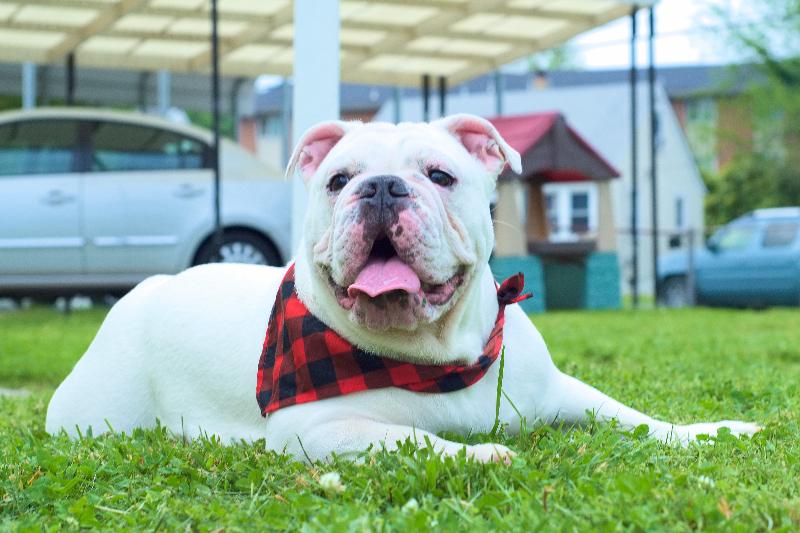
Bulldog
Last Updated:
The Bulldog dog breed (English Bulldog) is a medium-sized, calm, and affectionate companion known for its wrinkled face and muscular build. Popular in India for its low activity level and friendly nature, Bulldogs are ideal for apartment living and families. They require minimal exercise but need special care in hot weather due to their flat face.
Height
33–38 cm
Intelligence
High
Lifespan
8 – 10 years
Weight
18 - 25 Kg
Temperament
About
The Bulldog, also known as the English Bulldog, is a medium-sized companion breed known for its muscular build, wrinkled face, short muzzle, distinctive underbite, and calm, affectionate personality. Despite its strong appearance, the Bulldog is generally gentle, friendly, and devoted to its family.
Bulldogs are known for being affectionate, calm, friendly, courageous, loyal, patient, and easygoing. They generally enjoy spending time with their owners and often prefer relaxing indoors rather than participating in intense physical activities.
Because of their short muzzle and compact body structure, Bulldogs require special attention to heat management, exercise, weight control, skin-fold care, and breathing health. They are generally better suited to owners who can provide a cool indoor environment and regular preventive veterinary care.
Bulldog Appearance
Bulldogs have a distinctive muscular and compact appearance. Their broad head, short muzzle, loose facial skin, powerful shoulders, and characteristic underbite make them one of the most recognizable dog breeds.
Common physical characteristics include:
- Medium-sized, compact body
- Broad head
- Short muzzle
- Prominent cheeks and jaw
- Small, folded ears
- Round, expressive eyes
- Broad chest
- Short, sturdy legs
- Short tail
- Loose skin and facial wrinkles
Bulldogs commonly have short coats in colors and patterns including white, fawn, red, brindle, and combinations of these colors.
Bulldog Temperament
The Bulldog temperament is generally calm, friendly, affectionate, courageous, and easygoing. They often form strong bonds with their families and enjoy spending time indoors with their owners.
Bulldogs can be determined and sometimes stubborn, so positive and consistent training is useful. Despite their historical association with bull-baiting, modern Bulldogs are primarily companion dogs.
Are Bulldogs Good Family Dogs?
Yes, Bulldogs can make excellent family companions. They are generally affectionate, patient, and comfortable with a relaxed household lifestyle.
They tend to enjoy human companionship and can adapt well to families that can provide appropriate exercise, grooming, and health care.
Are Bulldogs Good with Children?
Bulldogs can be good with children when properly socialized and treated respectfully. Their generally patient and affectionate temperament can make them enjoyable family companions.
Young children should still be supervised around dogs and taught not to pull the dog's ears, tail, or skin folds or disturb it while eating or sleeping.
Bulldog Intelligence and Training
Bulldogs are intelligent but can be independent and stubborn at times. They generally respond best to short, positive, and consistent training sessions.
Training should include:
- Basic obedience
- House training
- Leash training
- Recall training
- Impulse control
- Early socialization
- Handling and grooming practice
Positive reinforcement using treats, praise, and play can make training more effective. Harsh training methods should be avoided.
Bulldog Exercise Requirements
Bulldogs have relatively low to moderate exercise needs. Short walks and gentle play are generally more appropriate than prolonged or intense exercise.
Suitable activities include:
- Short daily walks
- Gentle play
- Short training sessions
- Interactive toys
- Scent games
- Supervised outdoor exploration
Because of their short muzzle, Bulldogs can have difficulty cooling themselves through panting. Exercise should therefore be limited during hot or humid weather.
Can Bulldogs Live in Apartments?
Yes, Bulldogs can adapt well to apartment living. Their relatively low exercise requirements and preference for relaxing indoors make them suitable for many smaller homes.
They still need regular short walks, mental stimulation, and access to a cool and comfortable indoor environment.
Bulldog Grooming Requirements
Bulldogs have short coats that are relatively easy to maintain, but their facial wrinkles and skin folds require regular attention.
Basic grooming should include:
- Regular brushing
- Bathing when necessary
- Cleaning and drying skin folds
- Regular nail trimming
- Routine ear checks
- Regular dental care
- Routine skin checks
Skin folds should be kept clean and dry because trapped moisture and debris can contribute to irritation, odor, and skin infections.
Do Bulldogs Shed a Lot?
Bulldogs shed moderately throughout the year. Regular brushing can help remove loose hair and keep the coat and skin healthy.
Are Bulldogs Hypoallergenic?
No, Bulldogs are not considered hypoallergenic. They shed and produce allergens such as dander and proteins found in saliva and other secretions.
Bulldog Health
Bulldogs can be loving companions, but their body structure makes them prone to certain health concerns. Responsible breeding and regular veterinary care are particularly important for this breed.
Potential health concerns include brachycephalic airway problems, overheating, skin-fold infections, allergies, eye problems, hip and joint problems, obesity, and dental disease.
Maintaining a healthy weight, protecting them from extreme heat, keeping skin folds clean, and having regular veterinary examinations can help support their health.
Are Bulldogs Prone to Breathing Problems?
Yes, Bulldogs have a short, flat facial structure and can be prone to breathing difficulties associated with brachycephalic airway syndrome. Noisy breathing, excessive panting, exercise intolerance, or difficulty breathing should be evaluated by a veterinarian.
Extreme heat and strenuous exercise can make breathing problems worse.
Can Bulldogs Tolerate Hot Weather?
Bulldogs are particularly sensitive to hot and humid weather because their short muzzle makes cooling through panting less efficient.
During summer, they should stay in a cool indoor environment, have constant access to fresh water, and avoid strenuous exercise during peak temperatures.
Do Bulldogs Need Air Conditioning in India?
In many parts of India, reliable indoor cooling can be very beneficial for Bulldogs during summer. Air conditioning can help maintain a safer and more comfortable temperature, especially during extreme heat and humidity.
Fresh water, ventilation, shade, and avoiding outdoor activity during peak heat remain essential.
Are Bulldogs Prone to Skin Problems?
Yes, Bulldogs can be prone to skin irritation and infections, particularly around their facial wrinkles and other skin folds. Moisture, dirt, allergies, and poor ventilation within folds can contribute to skin problems.
Regular cleaning and thorough drying of the folds can help reduce these risks.
What Should You Feed a Bulldog?
A Bulldog should receive a complete and balanced diet appropriate for its age, size, activity level, and health.
Portion control is particularly important because Bulldogs can gain weight easily and excess weight can worsen breathing and joint problems.
Fresh drinking water should always be available.
Can Bulldogs Become Overweight?
Yes, Bulldogs can be prone to weight gain because they generally have relatively low exercise requirements. Excess weight can place additional stress on their joints and may worsen breathing difficulties.
Measured meals, controlled treats, gentle daily exercise, and regular monitoring of body condition are important.
Bulldog Socialization
Early socialization helps Bulldogs become comfortable around different people, dogs, environments, sounds, and handling.
Positive exposure during puppyhood can help build confidence and make veterinary visits, grooming, and everyday interactions easier.
Are Bulldogs Good with Other Dogs?
Bulldogs can live with other dogs when properly socialized and introduced. Their individual temperament varies, so introductions should be gradual and supervised.
Owners should pay attention to body language and avoid forcing interactions with unfamiliar dogs.
Are Bulldogs Affectionate?
Yes, Bulldogs are generally affectionate and enjoy spending time with their families. Many like relaxing beside their owners, receiving attention, and participating in household activities.
Are Bulldogs Good Guard Dogs?
Bulldogs can be alert and may bark when they notice unfamiliar people or activity, but they are primarily companion dogs rather than dedicated guard or protection dogs.
Do Bulldogs Bark a Lot?
Bulldogs are not usually considered excessive barkers, although individual dogs may vocalize when excited, seeking attention, bored, or responding to unfamiliar sounds.
Positive training, companionship, and appropriate mental stimulation can help prevent unnecessary barking.
Are Bulldogs Aggressive?
Modern Bulldogs are generally known for their calm and friendly temperament and are not inherently aggressive. Individual behavior can vary depending on genetics, socialization, training, and environment.
Early socialization and consistent positive training help encourage stable behavior.
Are Bulldogs Good for First-Time Dog Owners?
Bulldogs can be suitable for first-time owners who understand their specific health and care requirements. Their exercise needs are relatively manageable, but owners must be prepared for potential breathing, skin, weight, and heat-related concerns.
Do Bulldogs Need a Lot of Attention?
Bulldogs are companion-oriented dogs that generally enjoy spending time with their owners. They benefit from regular companionship, gentle play, training, and mental stimulation.
Can Bulldogs Be Left Alone?
Bulldogs can learn to spend reasonable periods alone, but they generally prefer companionship. Long periods of isolation can contribute to boredom, stress, or unwanted behavior in some dogs.
How Long Do Bulldogs Live?
Bulldogs commonly live around 8 to 10 years, although individual lifespan varies depending on genetics, responsible breeding, nutrition, weight management, preventive veterinary care, and overall health.
Bulldog Price in India
The Bulldog price in India varies depending on pedigree, breeder reputation, bloodline, health screening, age, location, and availability.
As a general estimate, a Bulldog puppy in India may cost approximately ₹30,000 to ₹70,000 or more.
Puppies from responsible breeders with documented pedigrees, appropriate health screening, and proper veterinary care may cost more.
Prospective owners should consider vaccination records, parental health, breathing and orthopedic history, living conditions, and responsible breeding practices rather than choosing a puppy based solely on price.
Bulldog Monthly Maintenance Cost in India
The estimated Bulldog monthly maintenance cost in India can range from approximately ₹5,000 to ₹10,000 or more, depending on food, veterinary care, grooming, parasite prevention, skin care, dental care, and lifestyle.
Regular expenses may include:
- Quality dog food
- Routine veterinary care
- Vaccinations
- Deworming
- Tick and flea prevention
- Skin-fold care
- Dental care
- Grooming
- Toys and enrichment
Veterinary expenses can be higher if the dog develops breathing, skin, orthopedic, or other breed-related health problems.
Can Bulldogs Live in India's Climate?
Bulldogs can live in India, but hot and humid weather requires significant care. Their short muzzle and compact body make them particularly vulnerable to overheating.
They should have constant access to fresh water, shade, ventilation, and a cool indoor environment. Outdoor exercise should preferably take place during cooler morning or evening hours.
Strenuous exercise should be avoided during extreme heat.
Are Bulldogs Good for Active Families?
Bulldogs are better suited to families that enjoy relaxed activities rather than intense outdoor exercise. They can enjoy short walks, gentle play, and interactive activities but should not be pushed into strenuous exercise.
Are Bulldogs Good for Indian Families?
Bulldogs can be suitable for Indian families that can provide a cool indoor environment, appropriate exercise, regular grooming, and consistent veterinary care.
Heat management is especially important, particularly in regions with hot and humid summers.
Final Thoughts
The Bulldog is a calm, affectionate, loyal, and distinctive companion breed. Its relaxed personality and relatively low exercise requirements make it suitable for many households, including apartments.
However, Bulldogs require more health-focused care than many other breeds because of their short muzzle and distinctive body structure. Owners should be prepared for regular skin-fold care, weight management, dental care, preventive veterinary visits, and careful protection from heat.
For prospective owners in India, it is important to consider both the Bulldog price in India and the ongoing costs associated with nutrition, veterinary care, grooming, skin care, dental care, and cooling during hot weather.
With responsible breeding, appropriate socialization, positive training, a healthy weight, regular veterinary care, and careful heat management, a Bulldog can be a loving and devoted family companion.
Care Requirements
Compatibility
Available Colors
Health Considerations
- Skin fold infections
- Brachycephalic syndrome (Breathing issues)
- Obesity management
- Hip dysplasia
- Ventricular septal defect
- Shoulder luxation
- Patellar luxation
Fun Facts
- Bulldogs got their name from the brutal sport of bull-baiting in England.
- Many schools and organizations use Bulldogs as mascots because they symbolize determination and toughness.
Frequently Asked Questions
Common questions about the Bulldog breed.
What is a Bulldog?
The Bulldog, also known as the English Bulldog, is a medium-sized, muscular companion breed known for its wrinkled face, short muzzle, broad head, underbite, calm personality, and affectionate nature.
How much does a Bulldog cost in India?
The Bulldog price in India varies depending on pedigree, breeder reputation, bloodline, health screening, age, location, and availability. A puppy may typically cost around ₹30,000 to ₹70,000 or more.
Are Bulldogs good family dogs?
Yes, Bulldogs can make excellent family companions. They are generally friendly, affectionate, patient, and easygoing and often enjoy spending time with their owners.
Are Bulldogs good with children?
Bulldogs are generally good with children when properly socialized and treated gently. Their calm and patient nature can make them good family companions, but young children should always be supervised around dogs.
Are Bulldogs good with other dogs?
Bulldogs can generally get along with other dogs when properly socialized and introduced. Individual temperament varies, so introductions should be gradual and supervised.
Are Bulldogs affectionate?
Yes, Bulldogs are generally affectionate and enjoy spending time with their families. Many prefer relaxing beside their owners and receiving attention rather than engaging in constant activity.
Are Bulldogs intelligent?
Bulldogs are intelligent and can learn household routines and obedience commands, although they can sometimes be independent or stubborn. Short, positive, and consistent training sessions work well.
Are Bulldogs easy to train?
Bulldogs can be trained successfully with patience, positive reinforcement, consistency, and early socialization. Their occasional stubbornness means training should remain engaging and reward-based.
How much exercise does a Bulldog need?
Bulldogs generally need moderate, gentle exercise rather than strenuous activity. Short daily walks and brief play sessions are usually more appropriate than long runs or intense exercise.
Can Bulldogs live in apartments?
Yes, Bulldogs can adapt well to apartment living because they have relatively low to moderate exercise needs. They still require short daily walks, mental stimulation, and a cool, comfortable indoor environment.
Do Bulldogs shed a lot?
Bulldogs shed moderately throughout the year. Brushing several times a week can help remove loose hair and keep the short coat healthy.
Are Bulldogs hypoallergenic?
No, Bulldogs are not considered hypoallergenic. They shed and produce allergens such as dander and proteins found in saliva and other secretions.
How often should a Bulldog be groomed?
Bulldogs benefit from regular brushing, generally several times a week. Their facial wrinkles and other skin folds require frequent cleaning and should be kept clean and dry.
How do I clean a Bulldog's wrinkles?
Bulldog facial folds should be checked and gently cleaned regularly to remove dirt, food, and moisture. The folds should then be thoroughly dried because trapped moisture can contribute to irritation and skin infections.
Are Bulldogs prone to skin problems?
Yes, Bulldogs can be prone to skin irritation and infections, particularly in their facial wrinkles and other skin folds. Keeping the folds clean and dry and addressing persistent redness, odor, or discharge with a veterinarian is important.
Are Bulldogs prone to breathing problems?
Yes, Bulldogs are brachycephalic, or short-nosed, and can be prone to breathing problems such as brachycephalic obstructive airway syndrome. Noisy breathing, exercise intolerance, excessive panting, or breathing difficulty should be evaluated by a veterinarian.
Why does my Bulldog breathe loudly?
Bulldogs may make breathing sounds because of their short facial structure, but persistent loud breathing, breathing difficulty, exercise intolerance, gagging, or struggling in warm weather can indicate an airway problem and should be evaluated by a veterinarian.
Can Bulldogs tolerate hot weather?
Bulldogs are particularly sensitive to hot and humid weather because their short muzzle makes cooling through panting less efficient. They should be kept cool and should avoid strenuous exercise during hot conditions.
Do Bulldogs need air conditioning in India?
Reliable cooling can be very beneficial for Bulldogs during India's hot summer months. They should have access to a cool indoor environment, fresh water, shade, and good ventilation, and should avoid outdoor activity during peak heat.
Are Bulldogs prone to heatstroke?
Yes, Bulldogs are at increased risk of overheating and heatstroke because of their brachycephalic facial structure. They should be closely monitored in warm weather and kept in cool environments.
What are the signs of overheating in a Bulldog?
Signs can include excessive or worsening panting, heavy breathing, weakness, drooling, confusion, vomiting, unsteady movement, or collapse. Heatstroke is an emergency and requires immediate veterinary attention.
Can Bulldogs swim?
Bulldogs are generally poor swimmers because of their heavy, compact body structure and short muzzle. They should never be left unattended near pools, lakes, or other bodies of water.
What health problems do Bulldogs have?
Bulldogs can be predisposed to breathing problems, heat intolerance, skin-fold infections, eye conditions, dental disease, obesity, joint problems, and other conditions associated with their body structure.
Are Bulldogs prone to dental problems?
Yes, Bulldogs can experience dental problems because their short facial structure can result in crowded teeth and an underbite. Regular dental care and veterinary examinations are important.
Are Bulldogs prone to eye problems?
Yes, Bulldogs can be susceptible to certain eye problems because of their facial structure. Redness, discharge, cloudiness, squinting, swelling, or signs of pain should be checked by a veterinarian.
Can Bulldogs become overweight?
Yes, Bulldogs can gain weight easily because of their relatively low activity levels. Maintaining a healthy weight is especially important because excess weight can worsen breathing difficulties and put additional stress on the joints.
What should I feed a Bulldog?
A Bulldog should receive a complete and balanced diet appropriate for its age, size, activity level, and health. Portions should be carefully controlled to help maintain a healthy body condition.
Are Bulldogs good for first-time dog owners?
Bulldogs can be suitable for first-time owners who understand their specific health and care requirements. Their exercise needs are manageable, but owners must be prepared for potential breathing, skin, weight, and heat-related concerns.
Are Bulldogs aggressive?
Bulldogs are generally known for being friendly, calm, and even-tempered rather than aggressive. Individual behavior depends on genetics, socialization, training, and environment.
Do Bulldogs bark a lot?
Bulldogs are not generally considered excessive barkers, although individual dogs may vocalize when excited, seeking attention, bored, or responding to unfamiliar sounds.
Are Bulldogs good guard dogs?
Bulldogs can be alert and may respond to unfamiliar people or activity, but they are primarily companion dogs rather than dedicated protection dogs.
Do Bulldogs need a lot of attention?
Bulldogs are social companion dogs that enjoy spending time with their families. They benefit from regular companionship, gentle play, short walks, and mental stimulation.
Can Bulldogs be left alone?
Bulldogs can learn to spend reasonable periods alone, but they generally enjoy human companionship. Long periods of isolation may contribute to boredom or unwanted behavior in some dogs.
Are Bulldogs good indoor dogs?
Yes, Bulldogs are well suited to indoor living. They generally prefer comfortable indoor environments and should have access to a cool area, especially during hot weather.
Are Bulldogs good for Indian families?
Bulldogs can be suitable for Indian families that can provide a cool indoor environment, appropriate exercise, regular skin and wrinkle care, and consistent veterinary attention. Heat management is especially important.
How long do Bulldogs live?
Bulldogs commonly have a lifespan of around 8 to 10 years, although individual lifespan varies depending on genetics, responsible breeding, nutrition, healthy weight, preventive veterinary care, and overall health.
What is the monthly maintenance cost of a Bulldog in India?
The estimated Bulldog monthly maintenance cost in India can range from approximately ₹5,000 to ₹10,000 or more, depending on food, veterinary care, grooming, parasite prevention, skin care, dental care, and lifestyle.
Are Bulldogs high-maintenance?
Bulldogs have relatively simple coat grooming needs, but they can be considered high-maintenance from a health-care perspective. Their wrinkles, breathing, weight, skin, dental health, and heat tolerance require regular attention.
What colors do Bulldogs come in?
Bulldogs can have coats in colors such as red, white, fawn, and fallow, along with combinations and patterns such as brindle and piebald.
Are Bulldogs loyal?
Yes, Bulldogs are generally loyal and devoted companion dogs. They often form strong bonds with their families and enjoy being involved in household life.
Are Bulldogs good for senior citizens?
Bulldogs can suit senior owners who prefer a calm companion and can manage their specific health needs. Their exercise requirements are relatively modest, but heat management and veterinary care are important.
Are Bulldogs good for active families?
Bulldogs are better suited to families that enjoy relaxed activities rather than intense exercise. They can enjoy short walks and gentle play but should not be pushed into strenuous activity.
Can Bulldog puppies exercise a lot?
Bulldog puppies need short, age-appropriate periods of activity rather than strenuous exercise. High-impact or prolonged exercise should be avoided, particularly as the puppy grows.
What should I look for when buying a Bulldog puppy?
Look for a responsible breeder who prioritizes health and temperament and can provide vaccination records, veterinary records, and health screening information for the parents. Breathing health and responsible conformation should be important considerations.
What health tests should a Bulldog breeder provide?
Prospective owners should ask about health screening relevant to Bulldogs, including breathing or BOAS assessment, eye evaluation, cardiac screening, and patella evaluation. Responsible breeders should be transparent about the health of both parents.
What kind of owner is best for a Bulldog?
A Bulldog is best suited to an owner or family that wants a calm companion and can provide regular wrinkle and skin care, appropriate gentle exercise, weight management, preventive veterinary care, and reliable protection from heat.