
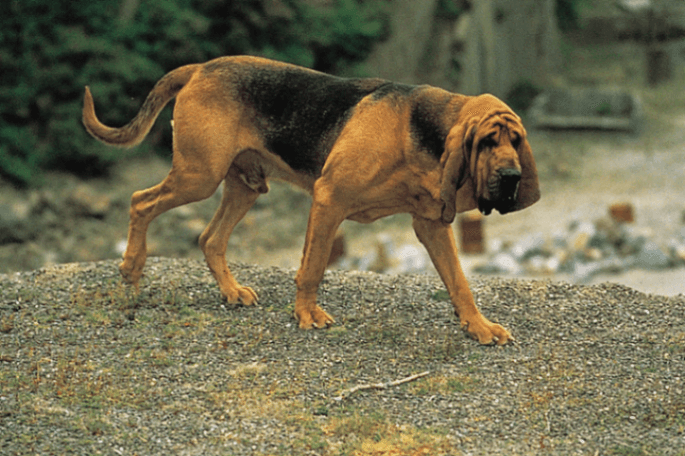
Bloodhound
Last Updated:
The Bloodhound is a large, intelligent, and gentle dog breed famous for its extraordinary sense of smell and tracking abilities. Originally bred for scent tracking, Bloodhounds are loyal, affectionate, and determined dogs that thrive in active homes with plenty of space and exercise.
Height
23 - 27 Inches
Intelligence
High
Lifespan
10 - 12 Years
Weight
36 - 50 Kg
Temperament
About
The Bloodhound is a large scent hound breed renowned worldwide for its exceptional tracking and scent-detection abilities. Originally developed in medieval Europe for tracking deer and wild boar, Bloodhounds later became highly valued for search-and-rescue operations, mantrailing, and law enforcement tracking. Their extraordinary sense of smell allows them to follow scent trails over considerable distances, making them one of the most specialized tracking breeds.
Bloodhounds have a distinctive and recognizable appearance with long drooping ears, loose wrinkled skin, deep-set soulful eyes, and a powerful muscular body. Their short, dense coat commonly appears in black and tan, liver and tan, or red. Despite their serious working abilities and imposing size, Bloodhounds are generally gentle, affectionate, and friendly dogs that can form strong bonds with their families.
Bloodhound Temperament and Personality
Bloodhounds are known for being gentle, affectionate, determined, curious, and independent. They can be friendly toward their families and are often patient and calm when properly socialized. Their strong scenting instincts, however, can make them extremely focused when they detect an interesting smell.
Once a Bloodhound picks up a scent, it may become highly determined to follow the trail. This natural instinct is one of the breed's greatest strengths but also means owners need to maintain good control when outdoors. Bloodhounds can also be vocal and may use their deep baying sound to communicate.
Bloodhound Training and Socialization
Bloodhounds are intelligent dogs, but their independent nature and powerful scent drive can make training challenging at times. They may become distracted by interesting smells and can be reluctant to abandon a scent once they are focused on it.
Training should be patient, consistent, and reward-based. Treats, praise, and other positive reinforcement methods can help maintain their interest. Early socialization is equally important and should gradually expose puppies to different people, environments, sounds, handling experiences, and well-socialized dogs.
Bloodhound Exercise Requirements
Bloodhounds require regular physical activity and mental stimulation to stay healthy and satisfied. Daily walks, outdoor exploration, scent games, tracking exercises, and structured play can be excellent ways to engage their natural abilities.
Because of their strong sense of smell and determination to follow scent trails, Bloodhounds should generally be kept on a leash or in a securely fenced area when outdoors. A simple walk may quickly turn into a tracking adventure if they discover an interesting scent.
Bloodhound for Apartment Living
Bloodhounds can potentially adapt to apartment living if their exercise and mental stimulation requirements are properly met, but their large size, energy level, vocal nature, and need for outdoor activity can make apartment ownership more challenging.
Owners living in apartments should provide consistent daily walks, scent-based activities, and opportunities for controlled outdoor exploration. Adequate indoor space and a well-managed routine are important for keeping a Bloodhound comfortable.
Bloodhound and Children
Bloodhounds are generally known for their gentle and affectionate nature and can form strong bonds with family members. With proper socialization, they may be suitable companions for families with children.
However, because Bloodhounds are large and powerful dogs, interactions with young children should always be supervised. Children should be taught how to interact respectfully with the dog and should avoid disturbing it while eating or sleeping.
Bloodhound and Other Pets
Bloodhounds can often live with other dogs and household pets when properly socialized and introduced. Their individual temperament can vary, and their strong scenting and hunting heritage may influence their behavior around smaller animals.
Gradual introductions, early socialization, supervision, and consistent training are recommended when introducing a Bloodhound to other pets.
Bloodhound Grooming
Bloodhounds have a short, dense coat that is relatively straightforward to maintain. Regular brushing can help remove loose hair and keep the coat in good condition.
Their long ears and wrinkled skin require particular attention. Owners should regularly check and clean the ears as recommended and keep skin folds clean and dry. Nails, teeth, and overall skin condition should also be monitored as part of their routine grooming.
Bloodhound Shedding
Bloodhounds do shed, despite having a short coat. Regular brushing can help manage loose hair and reduce the amount of shedding around the home. Their characteristic wrinkles and loose skin also mean that general hygiene should be maintained alongside coat care.
Bloodhound Health and Veterinary Care
Like all large dog breeds, Bloodhounds can be susceptible to certain health concerns. Their large body size, deep chest, long ears, and loose skin require appropriate preventive care and regular veterinary monitoring.
Responsible breeding, maintaining a healthy body weight, appropriate nutrition, regular exercise, vaccinations, parasite prevention, and routine veterinary examinations can support their overall wellbeing. Owners should consult a veterinarian if they notice changes in appetite, energy, mobility, digestion, skin, ears, or general behavior.
Bloodhound Diet and Nutrition
A Bloodhound should receive a complete and balanced diet appropriate for its age, size, activity level, and individual health requirements. Because of their large size, portion control and appropriate nutrition are important for maintaining a healthy body condition.
Owners should avoid excessive feeding and monitor the dog's weight regularly. Fresh, clean drinking water should always be available, particularly after exercise and during warmer weather. A veterinarian can help determine the appropriate feeding quantity and diet.
Bloodhound in the Indian Climate
Bloodhounds can live in India with appropriate care, but their large size and heavy body can make hot weather management particularly important. Exercise should preferably be scheduled during cooler parts of the day, such as early morning or evening.
During hot and humid periods, owners should provide plenty of fresh water, shade, ventilation, and a cool indoor environment. Intense outdoor activity should be avoided during peak afternoon temperatures, and the dog should be monitored for signs of overheating.
Bloodhound Price in India
The Bloodhound dog price in India typically ranges between ₹40,000 and ₹1,50,000, depending on factors such as breeder quality, lineage, location, pedigree, availability, and health screening.
Prospective owners should carefully evaluate the breeder, puppy health records, vaccination status, living conditions, and responsible breeding practices rather than choosing a Bloodhound based solely on its purchase price.
Bloodhound Monthly Maintenance Cost in India
The estimated monthly maintenance cost of a Bloodhound can range from approximately ₹12,000 to ₹23,000 or more, depending on food quality, veterinary care, preventive treatments, grooming, training, accessories, and other lifestyle requirements.
Because Bloodhounds are large dogs, their food requirements can be higher than those of smaller breeds. Veterinary care and unexpected medical expenses can also add to the overall cost of ownership.
Is a Bloodhound a Good Dog for First-Time Owners?
Bloodhounds can be challenging for first-time dog owners because of their large size, strong scent drive, independence, exercise requirements, and training needs. Their determination when following scents can make reliable control particularly important.
They may be better suited to owners who understand large working breeds and are prepared to invest time in consistent training, socialization, exercise, and responsible management.
Is a Bloodhound Right for You?
The Bloodhound can be an excellent companion for an owner looking for a gentle, affectionate, intelligent, and highly specialized scent hound. Their exceptional tracking ability and distinctive appearance make them one of the most recognizable working dog breeds.
However, prospective owners should be prepared for their large size, strong scenting instincts, regular exercise requirements, grooming needs, and potential for independent behavior. With proper training, socialization, nutrition, veterinary care, and secure outdoor management, a Bloodhound can become a loyal and affectionate member of the family.
Care Requirements
Compatibility
Available Colors
Health Considerations
- Hip Dysplasia
- Bloat (Gastric Dilatation-Volvulus)
- Ear Infections
- Skin Fold Infections
Fun Facts
- A Bloodhound can follow a trail that is over 200 kilometers long and several days old.
Frequently Asked Questions
Common questions about the Bloodhound breed.
What is a Bloodhound?
The Bloodhound is a large scent hound breed renowned for its exceptional tracking and scent-detection abilities. Originally developed in Europe, Bloodhounds are known for their powerful noses, endurance, determination, and gentle nature.
Why are Bloodhounds famous?
Bloodhounds are famous for their extraordinary sense of smell and tracking ability. They have been widely used for mantrailing, search-and-rescue work, and law enforcement tracking.
What is the price of a Bloodhound in India?
The Bloodhound price in India typically ranges from ₹40,000 to ₹1,50,000 or more, depending on factors such as breeder reputation, lineage, location, pedigree, availability, and health screening.
Is a Bloodhound a good family dog?
Yes, Bloodhounds can be affectionate and gentle family companions when properly socialized and cared for. They generally enjoy human companionship and can form strong bonds with their families.
Are Bloodhounds good with children?
Bloodhounds can generally be gentle and patient with children when properly socialized. However, because they are large and powerful dogs, interactions with young children should always be supervised.
Are Bloodhounds good with other dogs?
Bloodhounds can generally get along well with other dogs, particularly when introduced and socialized from a young age. Their individual temperament can vary, so supervised introductions are recommended.
Are Bloodhounds good with cats?
Bloodhounds may live successfully with cats and other household pets when properly introduced and socialized. Their individual prey and tracking instincts can vary, so gradual introductions and supervision are important.
Are Bloodhounds affectionate?
Yes, Bloodhounds are generally affectionate and can form strong bonds with their owners and family members. Despite their serious working abilities, they can be gentle and devoted companions.
Are Bloodhounds intelligent?
Bloodhounds are intelligent dogs with exceptional scenting abilities. Their intelligence is particularly evident in tracking and trailing work, although their independent nature can make traditional obedience training challenging.
Are Bloodhounds easy to train?
Bloodhounds can be challenging to train because they are independent, scent-driven, and may become intensely focused on interesting smells. Patient, consistent, reward-based training is generally recommended.
How should I train a Bloodhound?
Bloodhounds respond best to patient and positive training methods using rewards, praise, food, and engaging activities. Early obedience training and socialization can help establish good household behavior and reliable leash manners.
Do Bloodhounds need early socialization?
Yes, early socialization is important for Bloodhounds. Puppies should gradually experience different people, environments, sounds, handling experiences, and well-socialized dogs to help develop confidence and appropriate behavior.
How much exercise does a Bloodhound need?
Bloodhounds need regular physical activity and mental stimulation. Long walks, scent games, tracking activities, outdoor exploration, and structured play can help meet their exercise and enrichment needs.
Are Bloodhounds high-energy dogs?
Bloodhounds are active working dogs with considerable stamina, particularly when following a scent. They require regular physical and mental activity, although they can be calm and relaxed at home after their needs are met.
Can Bloodhounds live in apartments?
Bloodhounds can potentially adapt to apartment living with a highly committed owner, but their large size, exercise requirements, vocal nature, and strong scent drive can make apartment living challenging. A home with secure outdoor space is generally more suitable.
Do Bloodhounds need a garden?
A secure fenced outdoor area can be very beneficial for a Bloodhound. However, access to a yard does not replace daily walks, scent activities, and mental stimulation.
Can Bloodhounds be trusted off leash?
Bloodhounds generally should not be allowed to roam freely in unsecured areas because their powerful scent drive can cause them to follow trails and wander. A leash or securely fenced area is recommended outdoors.
Do Bloodhounds have a strong sense of smell?
Yes, Bloodhounds are renowned for their exceptional scenting ability. Their powerful nose and tracking instincts make them highly specialized scent-tracking dogs.
Do Bloodhounds bark a lot?
Bloodhounds can be vocal and may bark or bay, particularly when excited or following an interesting scent. Training, exercise, enrichment, and appropriate management can help reduce unwanted vocalization.
Are Bloodhounds aggressive?
Bloodhounds are generally known for their gentle and affectionate temperament rather than aggression. However, individual behavior can vary, and proper socialization, training, and responsible breeding are important.
Are Bloodhounds good guard dogs?
Bloodhounds are primarily scent-tracking and companion dogs rather than dedicated guard dogs. They may alert owners through barking or baying, but they are generally not considered a traditional protection breed.
Do Bloodhounds shed?
Yes, Bloodhounds shed moderately. Regular brushing can help remove loose hair and manage shedding. Some Bloodhounds may shed more heavily during seasonal changes.
Are Bloodhounds hypoallergenic?
No, Bloodhounds are not considered a hypoallergenic breed. They shed and can produce allergens, so people with allergies should spend time around the breed before bringing one home.
How often should a Bloodhound be groomed?
Bloodhounds generally benefit from weekly brushing and routine grooming. Their ears, facial folds, mouth, nails, teeth, and skin should also be checked regularly.
Do Bloodhounds need special ear care?
Yes, their long, drooping ears can require regular attention because limited airflow can contribute to ear problems. Owners should inspect the ears routinely and use veterinary-approved cleaning methods when needed.
Do Bloodhounds need wrinkle care?
Yes, the loose skin and wrinkles around a Bloodhound's head and neck should be checked regularly. Keeping skin folds clean and dry can help reduce the buildup of moisture and debris.
Do Bloodhounds drool?
Yes, Bloodhounds can drool considerably because of their loose lips and facial structure. Owners should be prepared for regular drool and keep the mouth and surrounding skin clean and dry.
What health problems can Bloodhounds have?
Bloodhounds can be susceptible to certain health concerns, including hip dysplasia, eye and eyelid problems, ear issues, skin problems, and other conditions associated with large breeds. Regular veterinary care and responsible breeding are important.
Are Bloodhounds prone to hip dysplasia?
Bloodhounds can be prone to hip dysplasia, a condition that can affect mobility. Responsible breeders may use appropriate health screening, and maintaining a healthy weight can support joint health.
Are Bloodhounds prone to eye problems?
The loose skin around a Bloodhound's head can contribute to certain eyelid and eye concerns. Regular eye checks and veterinary attention for redness, discharge, irritation, or discomfort are recommended.
Are Bloodhounds prone to bloat?
As a large, deep-chested breed, Bloodhounds can be at risk of gastric dilatation-volvulus, commonly called bloat. Owners should learn the warning signs and seek emergency veterinary care immediately if bloat is suspected.
How often should a Bloodhound visit the vet?
Regular veterinary examinations are important for Bloodhounds. The veterinarian can recommend an appropriate schedule based on age, health, vaccination requirements, preventive care, and individual needs.
What should I feed a Bloodhound?
A Bloodhound should receive a complete and balanced diet appropriate for its age, size, activity level, and individual health requirements. Large-breed nutrition can be particularly important during growth.
How much should a Bloodhound eat?
The appropriate amount of food depends on the dog's age, weight, activity level, metabolism, and calorie content of its food. Portions should be adjusted to maintain a healthy body condition and discussed with a veterinarian when necessary.
Can Bloodhounds become overweight?
Yes, Bloodhounds can gain excess weight if they receive more calories than they use. Portion control, regular exercise, and monitoring body condition are important for maintaining a healthy weight.
How much water does a Bloodhound need?
Bloodhounds should have access to fresh, clean drinking water throughout the day. Water requirements vary according to body size, diet, activity level, and weather conditions.
Can Bloodhounds live in India's hot climate?
Bloodhounds can live in India with appropriate climate management, but hot and humid weather can be challenging. Exercise should preferably be scheduled during cooler parts of the day, with access to shade, ventilation, and plenty of fresh water.
Do Bloodhounds need air conditioning in India?
Air conditioning can help keep a Bloodhound comfortable during very hot weather, particularly in regions with high temperatures and humidity. A cool indoor environment, good ventilation, shade, and fresh water are also important.
How can I protect a Bloodhound from heat?
Avoid strenuous exercise during peak afternoon heat, provide fresh water and shade, and schedule walks during cooler hours. Bloodhounds should be monitored closely during hot weather for signs of overheating.
Are Bloodhounds good for first-time owners?
Bloodhounds can be challenging for first-time owners because of their large size, strong scent drive, independence, exercise requirements, vocal nature, and training needs. They are generally better suited to owners prepared to provide consistent training and management.
Can Bloodhounds be left alone?
Bloodhounds are social dogs that generally enjoy companionship. Long periods of isolation may lead to boredom or unwanted behavior, so owners should provide appropriate interaction, exercise, enrichment, and a suitable routine.
Do Bloodhounds need a lot of attention?
Bloodhounds generally enjoy spending time with their families and benefit from regular interaction. Daily walks, scent activities, training, and companionship can help meet their physical and mental needs.
How long do Bloodhounds live?
Bloodhound lifespan can vary between individuals. Some veterinary sources report an average lifespan of around 7 to 10 years, while individual dogs may live longer with appropriate care. Regular veterinary attention, nutrition, exercise, and weight management are important.
How big does a Bloodhound get?
Bloodhounds are large dogs. Adult males commonly stand around 25 to 27 inches at the shoulder, while females are generally around 23 to 25 inches, with individual size varying.
What colors do Bloodhounds come in?
Bloodhounds commonly have black and tan, liver and tan, or red coats. Individual markings and shades can vary.
What does a Bloodhound look like?
Bloodhounds have a distinctive appearance with long drooping ears, loose wrinkled skin, deep-set eyes, a long head, loose lips, and a large muscular body. Their short coat commonly appears in black and tan, liver and tan, or red.
Why do Bloodhounds have long ears and loose skin?
The Bloodhound's long ears and loose facial skin are distinctive breed characteristics associated with its specialized scent-hound structure. Their physical design supports their traditional tracking function and contributes to their recognizable appearance.
Are Bloodhounds good outdoor dogs?
Bloodhounds enjoy outdoor activities such as walking, tracking, scent games, and exploration. However, they should not be allowed to roam freely because they can follow interesting scents and wander away.
Do Bloodhounds enjoy scent games?
Yes, scent games and tracking activities are particularly suitable for Bloodhounds because they allow them to use their exceptional natural scenting abilities. These activities can provide valuable mental stimulation.
Are Bloodhounds good hiking dogs?
Adult Bloodhounds can enjoy appropriate outdoor activities such as hiking and long walks when physically fit and properly trained. They should generally be kept on a leash or in secure areas because of their tendency to follow scents.
Is a Bloodhound easy to maintain?
Bloodhounds have a short coat and relatively straightforward coat grooming requirements, but overall maintenance can be demanding because of their large size, exercise needs, drooling, ear and skin care, nutrition, and veterinary requirements.
How much does it cost to maintain a Bloodhound in India?
The estimated monthly maintenance cost of a Bloodhound in India can range from approximately ₹12,000 to ₹23,000 or more, depending on food, veterinary care, preventive treatments, grooming, training, accessories, and lifestyle.
Is a Bloodhound a good apartment dog in India?
A Bloodhound may adapt to apartment living with a highly dedicated owner, but its large size, exercise needs, vocal nature, and strong scent drive can make apartment ownership difficult. A spacious home with secure outdoor access is generally more suitable.
Who is a Bloodhound best suited for?
A Bloodhound is best suited to an owner who appreciates large working breeds and can provide regular exercise, scent-based activities, patient training, companionship, grooming, veterinary care, and secure outdoor management.
Is a Bloodhound right for you?
A Bloodhound can be an excellent companion for an active and experienced owner who appreciates its gentle personality and exceptional scenting ability. However, prospective owners should be prepared for its large size, independent nature, vocal behavior, exercise requirements, drooling, grooming needs, and strong tendency to follow scents.