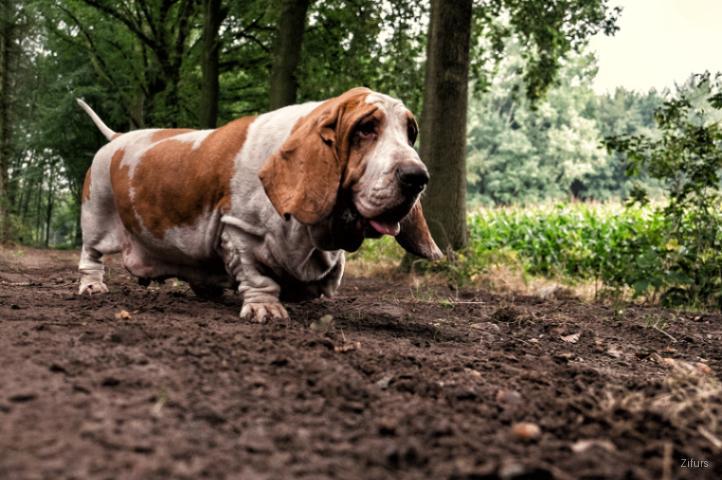
Basset Hound
Last Updated:
The Basset Hound dog breed is a calm, affectionate, and low-energy companion known for its long ears, droopy eyes, and excellent sense of smell. Ideal for families and apartment living in India, Basset Hounds require moderate exercise, regular grooming, and consistent care. If you’re looking for a relaxed and loyal dog, the Basset Hound is a great choice.
Height
12 - 15 Inches
Intelligence
Moderate
Lifespan
10 - 13 years
Weight
20 - 34 Kg
Temperament
About
The Basset Hound is a distinctive and lovable dog breed known for its long, low-slung body, short legs, long floppy ears, and soulful expression. Originally developed in France for hunting small game, particularly rabbits and other ground-dwelling animals, the Basset Hound has an exceptional sense of smell and a natural ability to follow scents over long distances.
Despite its short legs and relaxed appearance, the Basset Hound has a strong and sturdy body. Its loose skin, long ears, prominent nose, and heavy bone structure give it a unique appearance that is easily recognizable. The breed's physical structure was developed to keep its nose close to the ground while tracking scents.
Key physical characteristics of the Basset Hound include:
- Long and low-set body
- Short, sturdy legs
- Heavy bone structure
- Large head with a gentle expression
- Very long, floppy ears
- Long and prominent muzzle
- Large nose with an excellent sense of smell
- Loose skin around the face and neck
- Deep chest
- Long tail carried above the back
Basset Hound Coat Colors
The Basset Hound has a short, smooth, dense coat that is relatively easy to maintain. Common coat colors and patterns include combinations of white, black, tan, brown, and red.
Common Basset Hound coat patterns may include:
- Tri-color
- Black, white, and tan
- Red and white
- Lemon and white
- Black and white
- Other combinations of recognized hound colors
The short coat helps protect the Basset Hound while working outdoors and generally does not require complicated grooming.
Basset Hound Temperament and Personality
The Basset Hound is generally known for its gentle, affectionate, calm, and friendly personality. These dogs often form strong bonds with their families and enjoy spending time around people.
Although they can appear relaxed and laid-back, Basset Hounds are scent-driven dogs with strong hunting instincts. When they catch an interesting scent, they may become extremely focused and determined to follow it.
Common Basset Hound personality traits include:
- Gentle and affectionate
- Friendly and social
- Calm and relaxed
- Loyal and family-oriented
- Patient and good-natured
- Curious and scent-driven
- Independent
- Sometimes stubborn
- Food-motivated
- Generally good with families
Is the Basset Hound a Good Family Dog?
Yes, the Basset Hound can be an excellent family dog for households that appreciate its calm, affectionate, and sometimes independent personality. They generally enjoy companionship and can become devoted members of the family.
They are usually more relaxed indoors than many high-energy breeds, but they still require regular walks, mental stimulation, training, and opportunities to explore their surroundings.
Are Basset Hounds Good With Children?
Basset Hounds can be good with children when properly socialized and treated respectfully. Their generally patient and gentle personality can make them suitable family companions.
Because of their long body and relatively heavy build, young children should be supervised when interacting with a Basset Hound. Children should also be taught not to pull the dog's long ears or disturb it while eating, sleeping, or resting.
Are Basset Hounds Good With Other Dogs and Pets?
Basset Hounds can generally get along well with other dogs when properly socialized. Their friendly and social nature can make them suitable for households with multiple dogs.
However, their hunting background means they can have a strong interest in following scents and chasing smaller animals. Introductions to cats and other pets should be gradual and supervised, particularly during the early stages of socialization.
Are Basset Hounds Easy to Train?
Basset Hounds are intelligent but can sometimes be challenging to train because of their independent nature. They may understand what their owner wants but become distracted by an interesting smell or choose not to respond immediately.
Positive reinforcement, patience, consistency, and food-based rewards can make training more effective. Short and engaging sessions are generally preferable to repetitive training.
When Should Basset Hound Training Start?
Training and socialization should begin during puppyhood. Early training helps establish good household habits, leash manners, recall, basic obedience, and appropriate interactions with people and other animals.
Because Basset Hounds are strongly motivated by scents, recall training is particularly important. Owners should also teach them to walk calmly on a leash and avoid following interesting scents into unsafe areas.
Basset Hound Exercise Needs
Basset Hounds have moderate exercise needs and generally enjoy regular walks and opportunities to explore. They do not typically require the same level of intense exercise as highly energetic working breeds, but daily physical activity is still important.
Suitable activities for a Basset Hound include:
- Daily walks
- Slow-paced outdoor walks
- Scent games
- Interactive toys
- Food puzzles
- Supervised exploration
- Short play sessions
- Basic training exercises
Scent-based activities are particularly suitable for Basset Hounds because they allow them to use their naturally strong sense of smell. Exercise should be appropriate for their age, fitness level, and individual health.
Can Basset Hounds Live in Apartments?
Yes, Basset Hounds can adapt to apartment living if their exercise, companionship, and mental stimulation needs are met. Their relatively calm indoor personality can make them suitable for smaller homes.
However, owners should remember that Basset Hounds can be vocal and may bark or howl. Regular walks and enrichment can help prevent boredom. Because they are scent-driven, doors and outdoor areas should also be kept secure.
Basset Hound Grooming
Basset Hounds have a short and smooth coat that is relatively easy to groom. However, their long ears, loose skin, and facial folds require additional attention to maintain good hygiene.
Regular brushing can help remove loose hair and keep the coat clean. The ears should be checked regularly because their long, floppy shape can reduce airflow and create an environment where moisture and debris may accumulate.
Other important grooming tasks include:
- Regular brushing
- Ear cleaning
- Skin-fold checks
- Nail trimming
- Dental care
- Occasional bathing
- Regular coat inspections
How Often Should a Basset Hound Be Groomed?
A Basset Hound generally benefits from regular brushing to remove loose hair and maintain a healthy coat. Professional grooming is usually not required as frequently as it is for long-haired breeds.
The ears, skin folds, nails, and teeth should be checked regularly. Bathing can be done when necessary, particularly if the dog becomes dirty after outdoor activities.
Do Basset Hounds Shed a Lot?
Yes, Basset Hounds can shed regularly despite having a short coat. Their short hairs can be noticeable on furniture, bedding, and clothing.
Regular brushing can help remove loose hair and reduce the amount of shedding around the home. The amount of shedding can vary between individual dogs.
Are Basset Hounds Hypoallergenic?
No, Basset Hounds are not considered hypoallergenic. They shed and produce dander, which can trigger allergic reactions in sensitive individuals.
Basset Hound Health
Basset Hounds are generally sturdy dogs, but their unique body structure can make them susceptible to certain health and mobility problems. Their long back, short legs, heavy body, and loose skin mean that maintaining a healthy weight is particularly important.
Potential health concerns may include:
- Obesity
- Ear infections
- Skin infections and skin-fold problems
- Joint and mobility problems
- Intervertebral disc problems
- Eye conditions
- Gastric dilatation-volvulus and other digestive problems
- Other age-related health conditions
Regular veterinary examinations, appropriate exercise, weight management, ear care, dental hygiene, and preventive healthcare can help support their overall wellbeing.
Basset Hound Diet and Nutrition
Basset Hounds should receive a complete and balanced diet appropriate for their age, size, activity level, and individual health requirements. Because they can be highly food-motivated, portion control is especially important.
Puppies require age-appropriate nutrition to support healthy growth, while adult Basset Hounds need a balanced diet that helps maintain a healthy body condition.
Fresh drinking water should always be available, and treats should be given in moderation.
Are Basset Hounds Prone to Obesity?
Yes, Basset Hounds can be prone to weight gain, particularly because they often enjoy food and may have a relatively relaxed lifestyle. Excess weight can place additional stress on their long back, joints, and legs.
Portion control, regular exercise, limited treats, and routine monitoring of body condition are important for maintaining a healthy weight.
Do Basset Hounds Bark a Lot?
Basset Hounds can be vocal dogs and are known for their deep bark and distinctive howl. They may vocalize when they are excited, alerting their owners, seeking attention, or responding to unfamiliar sounds.
Because they can be relatively loud, prospective owners living in apartments or closely spaced homes should consider their vocal nature. Appropriate exercise, enrichment, and positive training can help manage unnecessary barking and howling.
Are Basset Hounds Aggressive?
Basset Hounds are generally not considered an aggressive breed. They are typically friendly, affectionate, and good-natured dogs that enjoy being around their families.
However, any dog can display defensive or reactive behavior because of fear, pain, stress, poor socialization, genetics, or inappropriate handling. Early positive socialization and consistent training can help a Basset Hound develop into a confident and well-adjusted companion.
Are Basset Hounds Good for First-Time Owners?
Basset Hounds can be suitable for some first-time dog owners because of their generally calm and affectionate temperament. However, their independent nature, strong scent drive, grooming requirements, vocal behavior, and potential weight and mobility concerns should be understood before bringing one home.
First-time owners should be prepared to provide consistent training, appropriate exercise, regular ear care, weight management, and routine veterinary attention.
How Long Can a Basset Hound Be Left Alone?
Basset Hounds can learn to spend reasonable periods alone, but they are social dogs that generally enjoy companionship. Long periods of isolation may contribute to boredom, stress, or unwanted vocalization.
Alone time should be introduced gradually, and owners should provide a comfortable environment, safe toys, enrichment activities, fresh water, and appropriate access to their resting area.
Basset Hound Lifespan
The typical Basset Hound lifespan is around 10 to 12 years, although individual dogs may live longer depending on genetics, nutrition, preventive healthcare, exercise, weight management, and overall lifestyle.
Maintaining a healthy body weight is particularly important for supporting mobility and reducing unnecessary stress on the dog's back and joints.
Basset Hound Size
Basset Hounds are short but heavily built dogs. Their low height is combined with a long body, substantial bone structure, and relatively heavy build.
Although their short legs can make them appear small, Basset Hounds are considerably heavier and more solidly built than many other short-legged dog breeds. Their unique proportions are an important part of their identity and hunting heritage.
Basset Hound Price in India
The price of a Basset Hound in India can vary depending on factors such as breeder reputation, pedigree, location, lineage, availability, health screening, and registration.
Prospective owners should prioritize responsible breeding, vaccination records, health screening, appropriate puppy care, and early socialization rather than choosing a Basset Hound based only on purchase price.
Because Basset Hounds can have specific structural and health considerations, choosing a responsibly bred and healthy puppy is particularly important.
Basset Hound Monthly Maintenance Cost in India
The monthly cost of keeping a Basset Hound in India depends on food, healthcare, grooming, parasite prevention, toys, treats, and lifestyle.
Regular expenses may include:
- Quality dog food
- Preventive healthcare
- Vaccinations
- Parasite prevention
- Grooming supplies
- Ear and dental care products
- Toys and enrichment
- Treats
- Veterinary consultations
Owners should also maintain an emergency veterinary budget because unexpected health expenses can occur during a dog's lifetime.
Can Basset Hounds Handle the Indian Climate?
Basset Hounds can live in India with appropriate climate management, but hot and humid weather can be challenging. Their heavy body and relatively low-set build mean that owners should take precautions during periods of high temperatures.
During hot weather, Basset Hounds should have continuous access to fresh water, shade, good ventilation, and a cool indoor resting area. Walks and outdoor activities should preferably be scheduled during the cooler parts of the morning or evening.
Owners should avoid strenuous exercise during peak afternoon heat and monitor their dog for signs of overheating.
Do Basset Hounds Need AC in India?
Air conditioning is not necessarily required for every Basset Hound in India, but reliable cooling can be helpful during periods of extreme heat and humidity.
The priority is providing a cool, comfortable, and well-ventilated environment. Fresh water, shade, appropriate exercise timing, and monitoring during hot weather are also important.
Are Basset Hounds High-Maintenance?
Basset Hounds have relatively manageable coat grooming requirements, but their overall care can be moderately demanding. Their long ears, loose skin, tendency to gain weight, and unique body structure require consistent attention.
Owners need to maintain regular ear hygiene, dental care, nail trimming, weight management, exercise, and veterinary checkups.
For owners who can provide consistent care and appreciate a calm but occasionally stubborn companion, the Basset Hound can be a rewarding family dog.
Are Basset Hounds Good for Indian Families?
Basset Hounds can be suitable for Indian families that can provide regular companionship, moderate exercise, appropriate nutrition, grooming, and veterinary care.
Families should consider the breed's tendency to gain weight, strong scent drive, vocal nature, long ears, and sensitivity to hot weather before bringing one home.
Families living in particularly hot and humid regions should have a reliable plan for keeping their Basset Hound cool and should schedule outdoor activities during cooler periods of the day.
With proper training, socialization, nutrition, weight management, grooming, preventive healthcare, and climate management, a Basset Hound can become a gentle, affectionate, loyal, and entertaining family companion.
Conclusion
The Basset Hound is a distinctive dog breed known for its long body, short legs, exceptionally strong sense of smell, long floppy ears, gentle personality, and unmistakable appearance. Originally developed as a scent hound, the breed retains a strong instinct to follow interesting smells and explore its surroundings.
Although Basset Hounds are generally calm and affectionate, their independent nature can make training challenging at times. Their tendency to gain weight, long ears, unique body structure, and vocal personality also mean that responsible ownership requires regular care and attention.
With proper training, early socialization, balanced nutrition, healthy weight management, regular exercise, ear and dental care, preventive veterinary attention, and appropriate climate management, the Basset Hound can be a loving, loyal, gentle, and rewarding companion for the right family.
Care Requirements
Compatibility
Available Colors
Health Considerations
- Hip Dysplasia
- Elbow Dysplasia
- Intervertebral Disc Disease
- Glaucoma
- Wobbler Syndrome
- Thrombopathia
Fun Facts
- In a famous 1956 TV appearance on The Steve Allen Show, Elvis Presley sang "Hound Dog" to a top-hat-wearing Basset named Sherlock.
- The basset hound has served as the iconic mascot for Hush Puppies shoes since 1958. Legend says the brand name came from hunters throwing "hush puppy" cornballs to quiet their barking hounds.
- George Washington was one of the first Basset Hound owners in the U.S.; he was gifted a pack by the "Marquis de Lafayette" after the Revolutionary War.
Frequently Asked Questions
Common questions about the Basset Hound breed.
Is a Basset Hound a good family dog?
Yes. Basset Hounds are generally calm, good-natured, friendly, loyal, and patient, making them suitable family companions when properly trained and socialized.
Is a Basset Hound good with children?
Yes. Basset Hounds are generally patient and friendly with children. Young children should still be supervised and taught to interact gently with the dog.
Is a Basset Hound good with other dogs?
Yes. Basset Hounds were historically developed to hunt in groups and often enjoy canine companionship. Proper socialization and gradual introductions are still important.
Is a Basset Hound aggressive?
Basset Hounds are generally not considered aggressive. They are typically friendly and easy-going, although individual temperament, socialization, training, and environment can influence behavior.
Is a Basset Hound easy to train?
Basset Hounds can be challenging to train because of their independent nature and strong scent-tracking instincts. Patience, consistency, positive reinforcement, and food rewards can make training more effective.
When should Basset Hound training start?
Training and socialization should begin during puppyhood. Basic obedience, house training, leash manners, recall, and positive exposure to people, animals, and different environments should be introduced early.
How much exercise does a Basset Hound need?
Basset Hounds have moderate exercise needs. Daily walks and regular play are generally appropriate, but strenuous exercise and long-distance running should be avoided, particularly because of their body structure and joint health.
Is a Basset Hound a low-energy dog?
Yes. Basset Hounds are generally laid-back and relatively low-energy at home, but they still need regular daily exercise to maintain a healthy weight and support joint health.
Can a Basset Hound live in an apartment?
Yes. Basset Hounds can adapt to apartment living if they receive daily walks, appropriate exercise, mental stimulation, and sufficient companionship. Their loud bark should also be considered in shared buildings.
Does a Basset Hound bark a lot?
Basset Hounds can be quite vocal. They are known for their deep, loud bark and may bark or bay when excited, frustrated, alert, or responding to scents and environmental stimuli.
Is a Basset Hound a good watchdog?
Basset Hounds can alert their owners by barking, but they are generally friendly toward people and are not ideal protection dogs.
Does a Basset Hound shed?
Yes. Despite having a short, smooth coat, Basset Hounds shed regularly. Brushing at least weekly can help remove loose hair and manage shedding.
How often should a Basset Hound be groomed?
Basset Hounds have relatively simple coat-care requirements. Regular brushing, nail trimming, occasional bathing, and consistent ear and skin-fold care are important.
Is a Basset Hound hypoallergenic?
No. Basset Hounds are not considered hypoallergenic. They shed and produce the normal allergens associated with dogs.
Do Basset Hounds drool a lot?
Yes. Drooling is a common characteristic of Basset Hounds because of their loose lips and jowls. Owners should be prepared for saliva around the mouth, bedding, and floors.
How often should a Basset Hound's ears be cleaned?
Basset Hounds have long, droopy ears that can trap moisture and increase the risk of ear problems. Their ears should be checked regularly and cleaned according to veterinary or groomer recommendations.
Are Basset Hounds prone to ear infections?
Yes. Their long, hanging ears can reduce airflow and trap moisture, making ear infections more likely. Regular inspection and appropriate ear care can help reduce the risk.
Are Basset Hounds prone to health problems?
Basset Hounds can be susceptible to certain health issues, including joint and orthopedic problems, arthritis, skin and ear conditions, obesity, eye problems, and potentially bloat. Regular veterinary care and weight management are important.
Are Basset Hounds prone to obesity?
Yes. Basset Hounds can gain weight easily, particularly because they tend to have relatively low activity levels. Measured meals, controlled treats, and regular exercise are important for maintaining a healthy body weight.
Can Basset Hounds have joint problems?
Yes. Basset Hounds can be prone to joint and orthopedic problems, and excess weight can place additional stress on their joints. Maintaining a healthy body condition and providing appropriate exercise can help protect mobility.
Are Basset Hounds prone to back problems?
Their long body and short legs can place additional stress on the spine. Keeping them at a healthy weight and minimizing repeated jumping from furniture or heights can help reduce unnecessary strain.
Can Basset Hounds climb stairs?
Basset Hounds can physically use stairs, but repeated or excessive stair climbing may place additional stress on their joints and back. Puppies and dogs with orthopedic problems should receive particular care.
Can Basset Hounds jump on furniture?
It is better to discourage frequent jumping from high furniture or into and out of cars because their long body and short legs can put additional stress on their back and joints.
How long does a Basset Hound live?
Basset Hounds generally have a lifespan of around 12–13 years, although individual lifespan varies depending on genetics, health, nutrition, weight management, and veterinary care.
What is the size of a Basset Hound?
Basset Hounds typically stand no more than about 15 inches tall at the shoulder and are heavy for their height, commonly weighing around 40–65 pounds.
What colors do Basset Hounds come in?
Basset Hounds can have several coat patterns and colors. Common combinations include tricolor, black and white, and tan and white, depending on the individual dog.
Are Basset Hounds good for first-time dog owners?
Basset Hounds can be suitable for first-time owners who are prepared for their independent nature, vocal behavior, shedding, drooling, ear care, and exercise requirements. Training may require more patience than with highly eager-to-please breeds.
Can Basset Hounds be left alone at home?
Basset Hounds are social dogs and may not do well when left alone for long periods. Gradual alone-time training, enrichment toys, and companionship can help reduce boredom and separation-related behaviors.
Do Basset Hounds suffer from separation anxiety?
Some Basset Hounds can develop separation-related behaviors because they are social and family-oriented dogs. Gradual independence training and appropriate mental enrichment can help.
Do Basset Hounds need mental stimulation?
Yes. Basset Hounds have an exceptionally strong sense of smell and enjoy activities involving scent tracking, sniffing, food puzzles, and other forms of mental enrichment.
Can Basset Hounds live with cats?
Many Basset Hounds can live with cats when introduced carefully and supervised. Their individual prey drive and temperament should be considered when introducing them to smaller animals.
Are Basset Hounds good with other pets?
Basset Hounds can often get along well with other dogs and household pets when properly socialized and introduced. Supervision is recommended, particularly with smaller animals.
Can a Basset Hound be trained off-leash?
Off-leash reliability can be difficult because Basset Hounds have a powerful sense of smell and may follow an interesting scent instead of responding to their owner. Secure fenced areas are safer for off-leash activity.
Why does my Basset Hound follow scents?
Basset Hounds were developed as scent hounds to track small game. Their powerful nose and strong tracking instincts remain important parts of their behavior, so they may become intensely focused when they detect an interesting scent.
Is a Basset Hound suitable for running?
Basset Hounds are generally not suited to long-distance running or strenuous exercise. Their short legs, long body, and orthopedic considerations make moderate walks and controlled play more appropriate.
Is a Basset Hound suitable for senior citizens?
A Basset Hound can suit an active senior who can provide daily walks, grooming, companionship, and training. Their calm temperament can be appealing, but their size, strength, drooling, and exercise needs should be considered.
Is a Basset Hound suitable for hot Indian weather?
Basset Hounds can live in India, but hot and humid weather should be managed carefully. Provide shade, fresh water, good ventilation, and exercise during cooler parts of the day. Avoid strenuous activity during peak heat.
Does a Basset Hound need AC in India?
A Basset Hound does not necessarily need air conditioning throughout the year, but AC or another effective cooling method can be helpful during periods of extreme heat and humidity. Fresh water, ventilation, shade, and avoiding peak heat are also important.
Is a Basset Hound a high-maintenance dog?
Basset Hounds have relatively low coat-maintenance needs, but they require regular ear care, skin-fold checks, weight management, exercise, and cleaning because of their tendency to drool and shed.
Does a Basset Hound smell?
Basset Hounds can develop noticeable odors because of their skin folds, ears, drooling, or skin conditions. Regular hygiene and ear and skin care can help. Persistent or unusual odor should be evaluated by a veterinarian.
What should a Basset Hound eat?
A Basset Hound should receive a complete and balanced diet appropriate for its age, size, activity level, and health. Meals should be measured carefully because the breed can gain weight easily.
How many times should a Basset Hound eat per day?
Feeding schedules vary according to age, health, and veterinary recommendations. Adult Basset Hounds are commonly fed measured meals divided into one or two daily feedings, while puppies may require more frequent meals.
How much does a Basset Hound cost in India?
Basset Hound prices in India vary depending on location, breeder reputation, lineage, age, health records, and other factors. Prospective owners should prioritize responsible breeding, health screening, and proper veterinary records rather than choosing solely based on price.
What is the monthly cost of maintaining a Basset Hound in India?
Monthly expenses can include food, grooming supplies, ear care, parasite prevention, routine veterinary care, treats, and other supplies. Costs vary depending on diet, healthcare requirements, location, and lifestyle.
Are Basset Hounds good for Indian families?
Yes. Basset Hounds can be affectionate and friendly family companions in India when their exercise, grooming, ear care, weight management, and climate needs are properly addressed.
What makes the Basset Hound special?
Basset Hounds are known for their distinctive long ears, short legs, droopy expression, powerful sense of smell, calm personality, loyalty, and entertaining character. Their combination of a laid-back home temperament and strong scenting instincts makes them unique.