
Basenji
Last Updated:
The Basenji is a unique, intelligent, and energetic dog breed known as the “barkless dog” because of its unusual yodel-like sound. Originally bred in Central Africa for hunting, Basenjis are independent, clean, and affectionate companions that thrive in active homes. Their elegant appearance and low-maintenance coat make them a popular choice among dog lovers.
Height
16 - 17 Inches
Intelligence
High
Lifespan
12 - 16 Years
Weight
9 - 11 Kg
Temperament
About
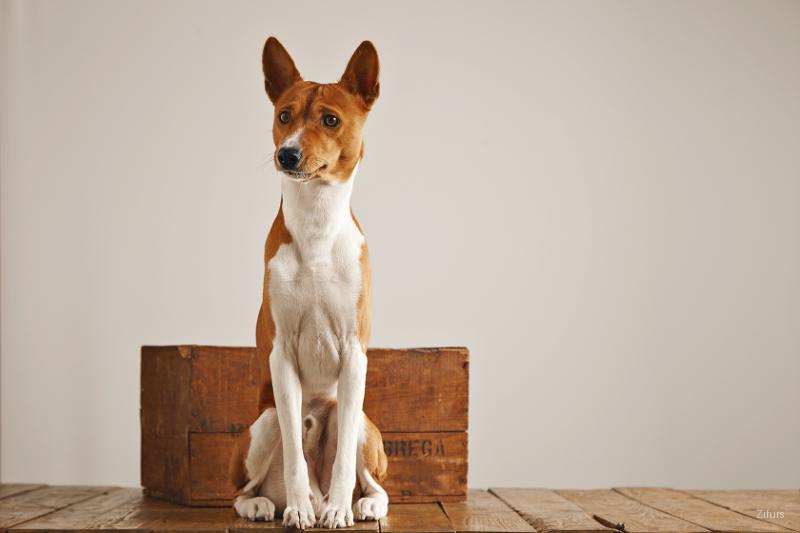
The Basenji is a small to medium-sized dog breed known for its elegant appearance, athletic build, and distinctive curled tail. Originally developed in Central Africa as a hunting dog, the Basenji has a body designed for speed, agility, and endurance. Its alert expression and upright ears give it a confident and attentive appearance.
Despite its relatively compact size, the Basenji has a strong and athletic body that allows it to move quickly and efficiently. Its short, fine coat is easy to maintain, while its long legs, pointed ears, and tightly curled tail give the breed its characteristic appearance.
Key physical characteristics of the Basenji include:
- Small to medium-sized, athletic body
- Lean and muscular build
- Short, fine, smooth coat
- Upright, pointed ears
- Almond-shaped, expressive eyes
- Short muzzle and alert facial expression
- Tightly curled tail carried over the back
- Long, agile legs suited for running
Basenji Coat Colors
The Basenji has a short, fine, and naturally clean coat that generally requires minimal grooming. Commonly recognized coat colors include:
- Red and white
- Black and white
- Brindle and white
- Tricolor
White markings are commonly present on the feet, chest, and tail tip. The coat is short and close-fitting, which contributes to the breed's neat and elegant appearance.
Basenji Temperament and Personality
Basenjis are generally known for their intelligent, curious, energetic, and independent temperament. They can form strong bonds with their families and may be affectionate with people they trust. At the same time, they are self-reliant dogs that often like to explore and make their own decisions.
Their intelligence can make them quick learners, but their independent personality means they may not always respond to commands simply because they have been given. Consistent training, positive reinforcement, and appropriate mental stimulation are particularly important.
Common Basenji personality traits include:
- Intelligent and curious
- Energetic and athletic
- Independent and sometimes stubborn
- Affectionate with family
- Alert and observant
- Playful and inquisitive
- Strong prey drive
- Naturally clean
- Highly exploratory
- Distinctive vocal behavior
Is the Basenji a Good Family Dog?
Yes, the Basenji can be a good family dog for households that understand its independent and energetic personality. Basenjis can develop strong bonds with their owners and enjoy being involved in family activities. However, they require regular exercise, mental stimulation, training, socialization, and supervision.
Are Basenjis Good With Children?
Basenjis can live well with older, respectful children when properly socialized. Their energetic and playful personality can make them engaging companions for children who understand how to interact appropriately with dogs.
Because Basenjis can be independent and energetic, interactions with young children should always be supervised. Children should also be taught to respect the dog's space, particularly while it is eating, sleeping, or resting.
Are Basenjis Good With Other Dogs and Pets?
Basenjis can generally live with other dogs when properly socialized and introduced gradually. Early positive experiences with other dogs can help them develop appropriate social behavior.
However, their strong prey drive can make them challenging around smaller animals such as rabbits, rodents, birds, and other small pets. Secure handling and supervision are particularly important in households with smaller animals.
Are Basenjis Easy to Train?
Basenjis are intelligent but can be challenging to train because of their independent and sometimes stubborn nature. They are capable of learning commands quickly, but they may not always be motivated to follow them.
They generally respond best to positive reinforcement, consistency, patience, and short training sessions. Repetitive or harsh training methods can be counterproductive and may make the dog less responsive.
When Should Basenji Training Start?
Training and socialization should begin during puppyhood. Early training helps establish household rules, leash behavior, basic obedience, recall, and appropriate interactions with people and animals.
Early socialization should include positive exposure to different people, dogs, environments, sounds, surfaces, and everyday situations. Consistency is particularly important because of the Basenji's independent personality.
Basenji Exercise Needs
Basenjis are energetic and athletic dogs that require regular physical activity as well as mental stimulation. Daily walks, running, interactive games, agility exercises, scent work, and supervised outdoor activities can help keep them physically and mentally healthy.
Mental stimulation is particularly important for this intelligent breed. Puzzle toys, training games, scent-based activities, and interactive play can help prevent boredom and unwanted behaviors.
Exercise should always be adjusted according to the dog's age, health, fitness level, and environmental conditions.
Can Basenjis Live in Apartments?
Basenjis can adapt to apartment living if their exercise and mental stimulation needs are properly met. Their relatively compact size can make indoor living practical, but they still require regular outdoor activity.
Apartment owners should provide daily walks, play, training, and enrichment. Balconies, doors, windows, and other possible escape routes should also be secured because Basenjis are curious and can be skilled at finding ways to explore their surroundings.
Basenji Grooming
Basenjis have relatively low grooming requirements because of their short and fine coat. They are also known for being exceptionally clean and may spend considerable time grooming themselves.
Regular brushing helps remove loose hair and keep the coat in good condition. Nail trimming, ear checks, dental care, and occasional bathing should also be part of the breed's routine care.
How Often Should a Basenji Be Groomed?
A Basenji generally does not require frequent professional grooming. Weekly brushing can help remove loose hair and maintain the condition of the coat.
Nails should be trimmed regularly, while the ears and teeth should be checked and cleaned as appropriate. Bathing can be done when necessary.
Do Basenjis Shed a Lot?
Basenjis do shed, although their short coat can make loose hair less noticeable than in many long-haired or heavily coated breeds. Regular brushing can help remove loose hair and keep the coat looking clean.
Shedding can vary between individual dogs and may become more noticeable during periods of seasonal coat change.
Are Basenjis Hypoallergenic?
No, Basenjis are not considered hypoallergenic. Although their short coat and relatively low grooming requirements may make them easier for some households to manage, they can still produce allergens and dander.
Basenji Health
Basenjis are generally active and athletic dogs, but like all breeds, they can be susceptible to certain inherited and health conditions. Responsible breeding, appropriate health screening, balanced nutrition, healthy weight management, regular exercise, and routine veterinary care can help support their overall health.
Potential health concerns may include:
- Fanconi syndrome
- Progressive retinal atrophy
- Other inherited eye conditions
- Hip dysplasia
- Gastrointestinal problems
- Thyroid-related conditions
- Other inherited or age-related health conditions
Regular veterinary examinations can help identify potential problems early and allow appropriate treatment or management.
Basenji Diet and Nutrition
Basenjis should receive a complete and balanced diet appropriate for their age, size, activity level, and individual health requirements. Because they are active dogs, their nutrition should support healthy muscles, energy levels, and overall body condition.
Puppies should receive age-appropriate nutrition designed to support healthy growth, while adult dogs should receive portions based on their activity level and body condition. Fresh drinking water should always be available.
Are Basenjis Prone to Obesity?
Basenjis are naturally active, but they can still gain excess weight if they are overfed or do not receive sufficient exercise. Maintaining a healthy body condition is important because excess weight can place unnecessary stress on the dog's joints and overall health.
Portion control, regular physical activity, appropriate treats, and routine weight monitoring can help maintain a healthy body condition.
Do Basenjis Bark a Lot?
Basenjis are famously known as the “barkless dog” because they do not typically bark in the same way as most other dog breeds. However, this does not mean that they are completely silent.
Instead, Basenjis can produce a distinctive yodel-like vocalization commonly known as a “barroo.” They may also whine, growl, squeal, and make other sounds to communicate.
Their unusual vocal behavior is one of the breed's most recognizable characteristics and can be an important consideration for potential owners.
Are Basenjis Aggressive?
Basenjis are not generally considered an inherently aggressive breed. However, their independent and sometimes reserved personality means that appropriate socialization and training are important.
Fear, stress, pain, poor socialization, genetics, or inappropriate handling can influence the behavior of any dog. Early positive experiences with people, dogs, and different environments can help a Basenji develop into a confident and well-adjusted companion.
Are Basenjis Good for First-Time Owners?
Basenjis can be challenging for first-time dog owners because of their intelligence, independence, energy, curiosity, and strong prey drive. They are generally better suited to owners who are prepared to provide consistent positive training, daily exercise, mental stimulation, and secure handling.
First-time owners should be prepared to learn about the breed's unique behavior and understand that an intelligent dog is not necessarily an easy-to-train dog.
How Long Can a Basenji Be Left Alone?
Basenjis can learn to spend reasonable periods alone, but they are intelligent and curious dogs that may become bored without sufficient stimulation. Gradually introducing alone time and providing appropriate enrichment can help them become more comfortable when left by themselves.
The home should also be made secure before leaving a Basenji alone because its curiosity may encourage it to investigate doors, windows, cupboards, furniture, and objects within reach.
Basenji Lifespan
The Basenji generally has a lifespan of around 13 to 14 years, although individual dogs may live longer or shorter lives depending on genetics, nutrition, preventive healthcare, exercise, living conditions, and overall lifestyle.
Providing regular veterinary care, appropriate nutrition, healthy exercise, and maintaining a healthy body condition can help support a Basenji's quality of life.
Basenji Size
Basenjis are compact but athletic dogs. Males typically stand around 16–17 inches at the shoulder, while females are usually around 15–16 inches.
Their lean body, long legs, and muscular structure give them an agile appearance and allow them to move quickly. Despite their relatively small size compared with many working breeds, they are energetic and physically capable dogs.
Basenji Price in India
The price of a Basenji in India can vary considerably depending on factors such as breeder reputation, pedigree, location, lineage, availability, health screening, and registration.
Because Basenjis are less commonly available in India compared with several popular dog breeds, prospective owners may need to spend additional time finding a responsible breeder.
Prospective owners should prioritize responsible breeding, vaccination records, health screening, appropriate puppy care, and early socialization rather than choosing a Basenji based only on purchase price.
Basenji Monthly Maintenance Cost in India
The monthly cost of keeping a Basenji in India can vary depending on food, healthcare, grooming, parasite prevention, toys, treats, and lifestyle.
Monthly expenses may include:
- Quality dog food
- Preventive healthcare
- Vaccinations
- Parasite prevention
- Grooming supplies
- Toys and enrichment
- Treats
- Veterinary consultations
Basenjis generally have lower grooming costs than heavily coated breeds, but owners should still maintain a budget for routine healthcare and unexpected veterinary expenses.
Can Basenjis Handle the Indian Climate?
Basenjis have a short coat and can generally tolerate warm conditions better than many heavily coated breeds. However, India's hot and humid climate can still create a risk of overheating, particularly during periods of extreme summer temperatures.
Exercise should preferably be scheduled during the early morning or evening when temperatures are lower. The dog should have continuous access to fresh water, shade, good ventilation, and a cool indoor resting area.
Strenuous exercise should be avoided during the hottest part of the day, particularly during extreme heat.
Do Basenjis Need AC in India?
Air conditioning is not necessarily required for every Basenji in India, but reliable cooling can be useful during periods of extreme heat and humidity.
The most important factors are access to a cool and well-ventilated indoor environment, fresh drinking water, shade, and appropriate exercise timing. Owners should monitor their Basenji carefully during particularly hot weather.
Are Basenjis High-Maintenance?
Basenjis are relatively low-maintenance when it comes to grooming because of their short and fine coat. However, their overall care can still be demanding.
Their intelligence, independence, energy, curiosity, and strong hunting instincts require consistent training, regular exercise, mental stimulation, socialization, and secure handling.
For owners who can meet these needs, the Basenji's short coat, clean habits, and relatively low grooming requirements can make everyday care easier.
Are Basenjis Good for Indian Families?
Basenjis can be suitable for Indian families that have the time and ability to provide regular exercise, mental stimulation, consistent training, and a secure living environment.
Families should consider the breed's independent personality, strong prey drive, unusual vocalizations, exercise requirements, and need for supervision around children and smaller animals.
Families living in particularly hot regions should also have a reliable plan for managing high temperatures and humidity.
With proper care, training, socialization, exercise, and climate management, a Basenji can become an intelligent, clean, athletic, and entertaining family companion.
Conclusion
The Basenji is a remarkable dog breed known for its intelligence, athletic ability, independence, cleanliness, distinctive appearance, and unusual vocalizations. Originally developed as a hunting dog in Central Africa, the breed has retained many of the instincts and characteristics that made it an effective working companion.
However, owning a Basenji requires an understanding of its unique personality. Its independence, strong prey drive, curiosity, exercise requirements, and training needs can make it more challenging than some other companion breeds.
With proper training, early socialization, regular exercise, mental stimulation, balanced nutrition, preventive veterinary care, and a secure environment, the Basenji can be an affectionate, loyal, entertaining, and rewarding companion for the right family.
Care Requirements
Compatibility
Available Colors
Health Considerations
- Fanconi Syndrome
- Hip Dysplasia
- Progressive Retinal Atrophy (PRA)
- Hypothyroidism
- Kidney Problems
- Allergies & Skin Conditions
Fun Facts
- Basenjis are famously known as the “barkless dog” because they make a unique yodel-like sound instead of barking.
- Unlike most domestic dogs that go into heat twice a year, female Basenjis typically have only one reproductive cycle per year.
Frequently Asked Questions
Common questions about the Basenji breed.
Are Basenjis good family dogs?
Basenjis can be affectionate and loyal family companions, especially in homes that understand their independent and energetic personality. They generally form strong bonds with their owners but may not be as naturally eager to please as some other breeds.
Are Basenjis good with children?
Basenjis can live well with older, respectful children when properly socialized and supervised. Because they can be independent and energetic, young children should always be supervised around them and taught how to interact appropriately with dogs.
Are Basenjis good with other dogs?
Basenjis can get along with other dogs when introduced and socialized properly from an early age. Their independent personality and strong hunting instincts mean interactions should be supervised, particularly with unfamiliar animals.
Are Basenjis aggressive?
Basenjis are not generally considered an aggressive breed, but they can be reserved, independent, and territorial in certain situations. Early socialization, consistent training, and positive experiences with people and animals can help promote confident behavior.
Are Basenjis easy to train?
Basenjis are highly intelligent but can be challenging to train because of their independent and sometimes stubborn nature. Short, engaging training sessions using positive reinforcement are usually more effective than repetitive or harsh methods.
When should Basenji training start?
Basenji training and socialization should begin during puppyhood. Early training can help establish good manners, recall, leash behavior, and household routines before their independent nature becomes more difficult to manage.
Do Basenjis bark?
Basenjis are often called barkless dogs because they do not typically bark like most other breeds. However, they are not completely silent. They can produce distinctive sounds including a yodel-like vocalization commonly called a 'barroo,' along with whines, growls, and other noises.
Why is the Basenji called a barkless dog?
The Basenji is called a barkless dog because it generally does not produce a conventional repetitive bark. Instead, it communicates using a variety of unusual vocalizations, particularly its characteristic yodel-like sound.
How much exercise does a Basenji need?
Basenjis are energetic and athletic dogs that need regular daily exercise. Brisk walks, running, hiking, interactive games, agility activities, and scent-based games can help meet their physical and mental stimulation needs.
Can Basenjis live in apartments?
Basenjis can adapt to apartment living if they receive sufficient daily exercise and mental stimulation. Their relatively compact size can make indoor living practical, but owners must provide regular outdoor activity and secure areas for exercise.
Do Basenjis need a lot of mental stimulation?
Yes. Basenjis are intelligent, curious, and independent dogs that can become bored without sufficient mental stimulation. Puzzle toys, scent games, obedience training, interactive play, and varied activities can help keep their minds engaged.
Do Basenjis shed a lot?
Basenjis generally have a short, fine coat and are considered relatively light shedders compared with many other breeds. Regular brushing can help remove loose hair and keep the coat clean.
How often should a Basenji be groomed?
Basenjis have relatively simple grooming needs. Occasional brushing, regular nail trimming, dental care, and routine ear checks are generally sufficient. They may also groom themselves frequently, similar to cats.
Are Basenjis clean dogs?
Yes. Basenjis are known for being exceptionally clean dogs and often groom themselves much like cats. Their short coat and relatively low doggy odor can also make them appealing to owners who prefer a cleaner household.
Are Basenjis hypoallergenic?
No dog is completely hypoallergenic, and Basenjis are not considered a truly hypoallergenic breed. However, their short coat and relatively low shedding may make them easier for some allergy-sensitive households to manage than heavier-shedding breeds.
What health problems are common in Basenjis?
Basenjis can be predisposed to certain inherited health conditions, including Fanconi syndrome, progressive retinal atrophy, hip dysplasia, and some gastrointestinal or eye-related problems. Responsible breeding, appropriate health screening, and regular veterinary checkups can help reduce or identify health risks.
How long do Basenjis live?
Basenjis commonly have a lifespan of around 13 to 14 years, although individual dogs can live longer depending on genetics, nutrition, preventive healthcare, and overall lifestyle.
How big does a Basenji get?
Basenjis are small to medium-sized dogs with a lean and athletic build. Adult males are generally around 16 to 17 inches tall at the shoulder, while females are usually around 15 to 16 inches.
What colors do Basenjis come in?
Common Basenji coat colors include red and white, black and white, brindle and white, and tricolor. The breed typically has distinctive white markings on areas such as the feet, chest, and tail tip.
Are Basenjis suitable for hot Indian weather?
Basenjis can generally tolerate warm weather better than some heavy-coated breeds because they have a short coat, but they can still overheat in extreme temperatures. In India, they should have access to shade, fresh water, ventilation, and a cool indoor environment during very hot weather.
Do Basenjis need air conditioning in India?
Air conditioning is not necessarily required in every Indian household, but reliable cooling can be helpful during periods of extreme heat. Exercise should preferably be scheduled during cooler parts of the day, and the dog should always have access to a cool, well-ventilated area.
Are Basenjis high-maintenance dogs?
Basenjis have relatively low grooming and odor-related maintenance needs, but they can be demanding in other ways. Their intelligence, energy, curiosity, independence, and strong prey drive mean they require consistent exercise, mental stimulation, training, and secure handling.
What should I feed a Basenji?
Basenjis should be fed a complete and balanced diet appropriate for their age, size, activity level, and health. Portion sizes should be monitored to maintain a healthy body condition, and any special dietary requirements should be discussed with a veterinarian.
Are Basenjis prone to obesity?
Basenjis are naturally active and athletic, but they can still gain excess weight if they are overfed or do not receive enough exercise. Maintaining appropriate portions, regular activity, and a healthy body condition is important.
Can Basenjis be left alone?
Basenjis can learn to spend reasonable periods alone, but they are curious and intelligent dogs that may become bored or destructive without sufficient stimulation. Owners should gradually build alone-time tolerance and provide appropriate enrichment.
Do Basenjis have a strong prey drive?
Yes. Basenjis have a strong hunting background and may instinctively chase small animals. They should be carefully supervised around cats, rodents, birds, and other small pets, and secure fencing and leash control are important outdoors.
Can Basenjis be trusted off leash?
Basenjis are generally not considered an ideal breed for unrestricted off-leash activity in unsecured areas because of their independence, hunting instincts, and tendency to chase interesting sights or scents. Securely fenced areas are safer for off-leash exercise.
Are Basenjis good for first-time dog owners?
Basenjis can be challenging for first-time dog owners because of their intelligence, independence, stubborn streak, energy, and strong prey drive. They are usually better suited to owners who are prepared to use consistent positive training and provide plenty of physical and mental stimulation.
Do Basenjis smell a lot?
Basenjis are generally known for having relatively low body odor compared with many other dog breeds. Their short coat and frequent self-grooming contribute to their reputation as particularly clean dogs.
How much does a Basenji puppy cost in India?
The price of a Basenji puppy in India can vary significantly depending on the breeder, location, pedigree, health screening, lineage, and availability. Buyers should prioritize responsible breeding, health records, vaccination, socialization, and ethical breeding practices rather than choosing a puppy based only on price.
What is the monthly maintenance cost of a Basenji in India?
Basenjis generally have moderate maintenance costs compared with larger breeds because of their smaller size and simple grooming needs. Monthly expenses can include food, preventive healthcare, parasite control, grooming supplies, toys, and veterinary care. Actual costs vary depending on location, diet, and lifestyle.
Are Basenjis good pets for Indian families?
Basenjis can be suitable for Indian families that can provide regular exercise, mental stimulation, consistent training, and secure outdoor access. Families should also consider their independent personality, prey drive, and need for supervision around children and smaller animals.
What makes the Basenji unique?
The Basenji is especially known for its distinctive yodel-like vocalizations instead of a typical bark, cat-like self-grooming habits, athletic build, curled tail, intelligence, and independent personality. Its ancient Central African hunting heritage also contributes to its unique behavior and appearance.