
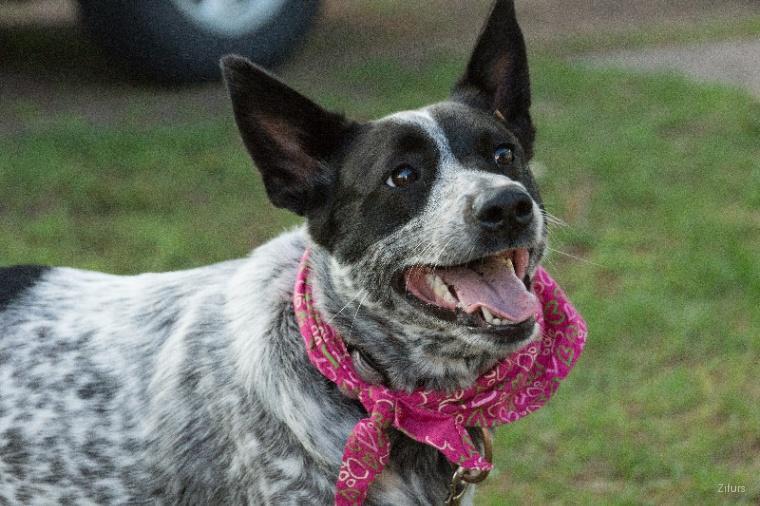
Australian cattle dog
Last Updated:
The Australian Cattle Dog is a highly intelligent, energetic, and hardworking breed originally developed for herding cattle in Australia. Known for its loyalty, stamina, and alert nature, this breed thrives in active homes and enjoys physical activity and mental challenges. Australian Cattle Dogs are devoted companions with strong protective instincts and exceptional trainability.
Height
17 - 20 Inches
Intelligence
High
Lifespan
12 - 16 years
Weight
15 - 22 Kg
Temperament
About
The Australian Cattle Dog, also known as the Blue Heeler or Queensland Heeler, is a strong, intelligent, and energetic working dog breed developed in Australia for herding cattle across long distances and rough terrain. Bred for endurance, agility, and problem-solving abilities, this breed is highly valued for its hardworking nature, alertness, and unwavering loyalty.
Australian Cattle Dogs are highly active and intelligent dogs that thrive when they have a purpose or regular activities to keep them engaged. They form strong bonds with their families and can be affectionate and protective companions. However, their independent nature and strong herding instincts mean they require consistent training, early socialization, and plenty of daily exercise.
Australian Cattle Dog Appearance
The Australian Cattle Dog has a compact, muscular, and athletic build designed for endurance and agility. Despite being a medium-sized breed, it is exceptionally strong and capable of working for long periods. Its erect ears, alert expression, and sturdy body give it a confident and attentive appearance.
Key physical characteristics of the Australian Cattle Dog include:
- Medium-sized, compact, and muscular body
- Strong legs built for endurance and agility
- Erect, pointed ears
- Broad head with an alert expression
- Dark, intelligent, and attentive eyes
- Short, dense, weather-resistant double coat
- Long, naturally carried tail
- Athletic build suited to demanding physical activity
Australian Cattle Dog Coat Colors
The Australian Cattle Dog has a distinctive coat that commonly features speckled or mottled patterns. Common coat colors include:
- Blue
- Blue mottled
- Blue speckled
- Red speckled
Many Australian Cattle Dogs also have characteristic facial markings that add to their distinctive appearance.
Australian Cattle Dog Temperament and Personality
Australian Cattle Dogs are intelligent, energetic, loyal, and naturally alert. They were bred to work independently while controlling cattle, so they can be confident, determined, and sometimes strong-willed. They generally form close bonds with their owners and enjoy being actively involved in family activities.
Common Australian Cattle Dog personality traits include:
- Highly intelligent and quick to learn
- Loyal and devoted to their family
- Energetic and hardworking
- Alert and naturally watchful
- Confident and independent
- Protective of their home and family
- Strong natural herding instincts
- Playful and active when properly exercised
Is the Australian Cattle Dog a Good Family Dog?
Australian Cattle Dogs can be excellent family companions for active households that can provide sufficient exercise, training, and mental stimulation. They enjoy spending time with their owners and can develop strong bonds with family members. However, they may not be ideal for families looking for a calm or low-energy dog.
Are Australian Cattle Dogs Good With Children?
Australian Cattle Dogs can live successfully with children when properly socialized and supervised. However, their strong herding instinct may cause them to chase, control, or nip at the heels of running children. Early training can help manage these behaviors, and young children should always be supervised around the dog.
Are Australian Cattle Dogs Good With Other Dogs and Pets?
Australian Cattle Dogs can get along with other dogs and household pets when introduced gradually and socialized from an early age. Their strong prey and herding instincts may influence how they interact with smaller animals, so introductions should be controlled and supervised.
Are Australian Cattle Dogs Easy to Train?
Australian Cattle Dogs are highly intelligent and generally respond well to training. They learn commands quickly but can also be independent and determined. Consistent, reward-based training works well, while providing varied activities can help prevent boredom and keep them focused.
When Should Australian Cattle Dog Training Start?
Training and socialization should begin during puppyhood. Early exposure to different people, environments, sounds, dogs, and everyday situations can help build confidence and reduce unwanted behaviors. Basic obedience, recall, leash manners, and impulse control should be introduced early.
Australian Cattle Dog Exercise Needs
Australian Cattle Dogs have high exercise requirements and need daily physical activity to remain healthy and mentally satisfied. Long walks, running, hiking, fetch, agility, obedience exercises, herding activities, and interactive games can provide useful outlets for their energy.
Simply taking the dog for a short walk may not be enough. They benefit from activities that combine physical exercise with problem-solving and training. Without sufficient stimulation, an Australian Cattle Dog may become restless or develop destructive behaviors.
Can Australian Cattle Dogs Live in Apartments?
Australian Cattle Dogs can adapt to apartment living in some situations, but they are generally better suited to active homes where they have plenty of opportunities for exercise. Apartment owners must be prepared to provide substantial daily physical activity, mental stimulation, training, and outdoor time.
Australian Cattle Dog Grooming
The Australian Cattle Dog has a short, dense double coat that is relatively easy to maintain. Regular brushing helps remove loose hair, distribute natural oils, and keep the coat in good condition.
How Often Should an Australian Cattle Dog Be Groomed?
Brushing once or twice a week is generally sufficient for routine coat care. During seasonal shedding periods, more frequent brushing can help manage loose hair. Regular nail trimming, ear checks, dental care, and bathing when necessary should also be included in their grooming routine.
Do Australian Cattle Dogs Shed?
Yes, Australian Cattle Dogs shed and can experience heavier seasonal shedding. Regular brushing is particularly useful during these periods to remove loose undercoat and reduce the amount of hair around the home.
Are Australian Cattle Dogs Hypoallergenic?
No, Australian Cattle Dogs are not considered hypoallergenic. They shed their double coat and produce dander, which can trigger allergies in sensitive individuals.
Australian Cattle Dog Health
Australian Cattle Dogs are generally hardy and athletic, but like other breeds, they can be prone to certain inherited and age-related health conditions. Responsible breeding, regular veterinary examinations, appropriate nutrition, exercise, and preventive healthcare can help support their long-term health.
Potential health concerns may include:
- Hip dysplasia
- Elbow dysplasia
- Progressive retinal atrophy and other eye problems
- Deafness
- Patellar luxation
- Other inherited or age-related conditions
Regular veterinary check-ups can help detect health problems early and allow appropriate treatment or management.
Australian Cattle Dog Diet and Nutrition
Australian Cattle Dogs need a balanced diet appropriate for their age, size, activity level, and overall health. Because they are highly active dogs, their nutritional requirements may be higher than those of less active breeds. A complete and balanced commercial dog food or a veterinarian-guided diet can provide the nutrients they need.
Fresh drinking water should always be available, particularly after exercise and during hot weather. Treats should be given in moderation and included within their overall daily calorie intake.
Are Australian Cattle Dogs Prone to Obesity?
Australian Cattle Dogs are naturally active and may maintain a healthy weight when exercised appropriately. However, excessive treats, overfeeding, or insufficient activity can still lead to weight gain. Regular body-condition checks and portion control can help prevent obesity.
Do Australian Cattle Dogs Bark a Lot?
Australian Cattle Dogs can be vocal, particularly when alerting their owners, responding to unfamiliar situations, or becoming excited. Excessive barking may occur when they are bored or lack sufficient exercise. Training, socialization, and adequate daily stimulation can help manage unnecessary barking.
Are Australian Cattle Dogs Aggressive?
Australian Cattle Dogs are not inherently aggressive, but they can be protective, territorial, and cautious around unfamiliar people or animals. Their working background and strong instincts can sometimes result in controlling or nipping behavior if they are not properly trained and socialized.
Early positive socialization and consistent training are important for helping them develop appropriate behavior around strangers, children, dogs, and other animals.
Are Australian Cattle Dogs Good for First-Time Owners?
Australian Cattle Dogs can be challenging for first-time dog owners because of their high energy, intelligence, independence, and strong working instincts. They are usually better suited to owners who understand the importance of consistent training, daily exercise, and mental enrichment.
How Long Can an Australian Cattle Dog Be Left Alone?
Australian Cattle Dogs generally prefer to stay engaged with their owners and activities. Leaving them alone for long periods without adequate exercise or enrichment can lead to boredom and unwanted behaviors. Gradual alone-time training, exercise before leaving, and safe interactive toys can help them cope better with short periods alone.
Australian Cattle Dog Lifespan
The Australian Cattle Dog generally has a lifespan of around 12 to 16 years, although individual longevity can vary. A nutritious diet, healthy body weight, regular exercise, preventive veterinary care, and responsible breeding can contribute to a longer and healthier life.
Australian Cattle Dog Size
Australian Cattle Dogs are medium-sized dogs with a compact and muscular build. Adult males are generally larger and heavier than females, although individual size can vary depending on genetics, diet, and overall health.
Australian Cattle Dog Price in India
The price of an Australian Cattle Dog in India can vary depending on factors such as breeder reputation, pedigree, location, lineage, registration, health screening, and availability. Puppies from responsible breeders with appropriate health records may cost more than dogs from less established sources.
When buying an Australian Cattle Dog, prospective owners should prioritize responsible breeding, proper socialization, vaccination records, and health screening rather than choosing a puppy based only on its purchase price.
Australian Cattle Dog Monthly Maintenance Cost in India
The monthly cost of keeping an Australian Cattle Dog in India depends on its diet, food quality, grooming, preventive healthcare, treats, toys, training, and lifestyle. Because this is a highly active breed, owners may also spend more on exercise-related activities, training, enrichment, and outdoor care.
Planning for routine vaccinations, parasite prevention, veterinary check-ups, grooming supplies, quality food, and emergency medical expenses can help owners manage the overall cost of responsible pet care.
Can Australian Cattle Dogs Handle the Indian Climate?
Australian Cattle Dogs can adapt to life in India, but hot and humid weather requires careful management. Their dense double coat provides insulation but does not make them immune to heat. Exercise should preferably be scheduled during cooler parts of the morning or evening, particularly during summer.
Fresh water, shade, ventilation, and opportunities to rest in a cool environment are important. Owners should watch for signs of overheating during exercise and avoid strenuous outdoor activity during peak temperatures.
Do Australian Cattle Dogs Need AC in India?
Air conditioning can be useful during extremely hot weather, especially in regions where temperatures and humidity remain high. Australian Cattle Dogs should have access to a cool, well-ventilated indoor area and plenty of fresh water. AC is not necessarily required at all times, but effective cooling is important during periods of extreme heat.
Are Australian Cattle Dogs High-Maintenance?
Australian Cattle Dogs are relatively high-maintenance in terms of exercise, training, and mental stimulation rather than grooming. Their short coat is comparatively easy to maintain, but their high energy and intelligence require significant daily involvement from their owners.
They are best suited to people who can provide regular physical activity, training, enrichment, companionship, and opportunities to use their natural working abilities.
Are Australian Cattle Dogs Good for Indian Families?
Australian Cattle Dogs can be suitable for active Indian families that understand the breed's exercise and training requirements. They can become loyal and devoted companions when provided with proper socialization, structured routines, adequate exercise, and appropriate care.
However, families living in very hot regions should take additional precautions during summer. Owners should also consider whether they have enough time and space to meet the breed's substantial physical and mental needs.
Conclusion
The Australian Cattle Dog is an intelligent, athletic, loyal, and hardworking breed that can make an excellent companion for active owners. Its combination of endurance, intelligence, and strong working instincts makes it particularly suited to hiking, running, agility, obedience, herding, and other engaging activities.
However, this is not a low-energy breed. Australian Cattle Dogs need consistent training, early socialization, daily exercise, and plenty of mental stimulation. With the right environment and responsible care, they can become devoted, capable, and rewarding family companions for many years.
Care Requirements
Compatibility
Available Colors
Health Considerations
- Hip Dysplasia
- Progressive Retinal Atrophy (PRA)
- Deafness
- Elbow Dysplasia
- Joint Problems
- Obesity
Fun Facts
- An Australian Cattle Dog named "Bluey" holds the Guinness World Records title for the oldest dog that ever lived. He lived to the staggering age of 29 years and 5 months!
Frequently Asked Questions
Common questions about the Australian cattle dog breed.
Are Australian Cattle Dogs good family dogs?
Yes, Australian Cattle Dogs can be loyal and devoted family dogs for active households. They need plenty of exercise, mental stimulation, training, and socialization to remain happy and well behaved.
Are Australian Cattle Dogs good for first-time owners?
Australian Cattle Dogs can be challenging for first-time owners because they are energetic, intelligent, independent, and have strong herding instincts. They are best suited to owners who can provide consistent training and daily activity.
How much exercise does an Australian Cattle Dog need?
Australian Cattle Dogs have high exercise needs and require daily physical activity and mental stimulation. Long walks, hiking, running, fetch, agility, obedience training, and interactive games can help meet their needs.
Can Australian Cattle Dogs live in apartments?
Australian Cattle Dogs can adapt to apartment living if their exercise and mental stimulation needs are consistently met. However, they generally do better in homes where they have plenty of opportunities for daily outdoor activity.
Do Australian Cattle Dogs shed a lot?
Yes, Australian Cattle Dogs shed regularly and may experience heavier seasonal shedding. Their short double coat is relatively easy to maintain, but regular brushing helps remove loose hair.
How often should an Australian Cattle Dog be groomed?
An Australian Cattle Dog generally benefits from brushing once or twice a week. More frequent brushing may be useful during seasonal shedding. Regular nail trimming, ear cleaning, dental care, and occasional bathing should also be part of their grooming routine.
Are Australian Cattle Dogs hypoallergenic?
No, Australian Cattle Dogs are not considered hypoallergenic. They shed their double coat and produce dander that may trigger allergies in sensitive people.
Are Australian Cattle Dogs good with children?
Australian Cattle Dogs can be good with children when properly socialized and trained. However, their natural herding instinct may cause them to chase or nip at the heels of running children, so interactions with young children should be supervised.
Are Australian Cattle Dogs good with other dogs?
Australian Cattle Dogs can live with other dogs when properly socialized and introduced. Their independent nature and strong working instincts mean that early socialization and supervision are important.
Are Australian Cattle Dogs good with cats and other pets?
They can live with cats and other household pets when introduced carefully from an early age. However, their strong herding and prey instincts may cause them to chase or control smaller animals.
Are Australian Cattle Dogs easy to train?
Australian Cattle Dogs are highly intelligent and capable of learning quickly. They respond well to consistent, reward-based training, although their independent and determined nature means owners need to establish clear and consistent boundaries.
When should Australian Cattle Dog training start?
Training should begin during puppyhood. Early socialization and basic obedience training can help develop good manners and teach the dog how to respond appropriately to people, animals, and different environments.
Do Australian Cattle Dogs bark a lot?
Australian Cattle Dogs can be vocal, particularly when they are alert, excited, bored, or responding to unfamiliar situations. Adequate exercise, mental stimulation, socialization, and training can help reduce unnecessary barking.
Are Australian Cattle Dogs aggressive?
Australian Cattle Dogs are not inherently aggressive, but they can be protective, alert, and cautious around unfamiliar people or animals. Their herding instincts may also result in chasing or nipping if they are not properly trained and socialized.
What health problems are common in Australian Cattle Dogs?
Australian Cattle Dogs can be prone to certain hereditary health conditions, including hip dysplasia, elbow problems, progressive retinal atrophy and other eye disorders, deafness, and patellar luxation. Regular veterinary check-ups and appropriate health screening can help with early detection.
What is the lifespan of an Australian Cattle Dog?
Australian Cattle Dogs generally have a lifespan of around 12 to 16 years. Good nutrition, regular exercise, preventive veterinary care, healthy weight management, and responsible breeding can support their long-term health.
Can Australian Cattle Dogs handle the Indian climate?
Australian Cattle Dogs can live in India, but hot and humid weather requires careful management. Exercise should preferably be scheduled during cooler parts of the day, and the dog should always have access to fresh water, shade, ventilation, and a cool resting area.
Do Australian Cattle Dogs need AC in India?
Air conditioning can be helpful during very hot weather, especially in areas with high temperatures and humidity. While AC is not necessarily required at all times, Australian Cattle Dogs should have access to an effective cooling environment during extreme heat.
How much does an Australian Cattle Dog cost in India?
The price of an Australian Cattle Dog in India varies depending on factors such as breeder, location, pedigree, lineage, health screening, registration, and availability. Buyers should prioritize responsible breeding and health records rather than choosing a puppy based only on price.
What is the monthly maintenance cost of an Australian Cattle Dog in India?
Monthly maintenance costs depend on food, grooming, preventive healthcare, treats, toys, training, and activity levels. Owners should also budget for vaccinations, parasite prevention, routine veterinary visits, and unexpected medical expenses.
Are Australian Cattle Dogs high-maintenance dogs?
Australian Cattle Dogs are relatively high-maintenance in terms of exercise, training, and mental stimulation. Their coat is comparatively easy to groom, but their high energy and intelligence require significant daily involvement from their owners.
How long can an Australian Cattle Dog be left alone?
Australian Cattle Dogs generally prefer regular companionship and activity. Leaving them alone for long periods without exercise or enrichment can lead to boredom and unwanted behaviors. Gradual alone-time training and appropriate mental enrichment can help them cope with short periods alone.
Are Australian Cattle Dogs good guard dogs?
Australian Cattle Dogs are naturally alert and protective of their families, which can make them effective watchdogs. They may alert their owners to unfamiliar people or unusual activity, although they are primarily a working and herding breed rather than a dedicated guard dog.
Do Australian Cattle Dogs have strong herding instincts?
Yes, herding is one of the defining characteristics of the Australian Cattle Dog. They may attempt to control the movement of people, children, dogs, or other animals and may nip at heels. Training and appropriate outlets for their instincts can help manage these behaviors.
Are Australian Cattle Dogs good for active owners?
Yes, Australian Cattle Dogs are particularly well suited to active owners who enjoy walking, hiking, running, training, agility, or other outdoor activities. Their energy and intelligence make them excellent companions for people who can provide regular physical and mental challenges.