
Akita
Last Updated:
The Akita is a large, powerful dog from Japan known for its loyalty, dignity, and protective nature. It is best suited for experienced owners.
Height
24 - 28 Inches
Intelligence
High
Lifespan
10 - 12 years
Weight
30 - 50 Kg
Temperament
About
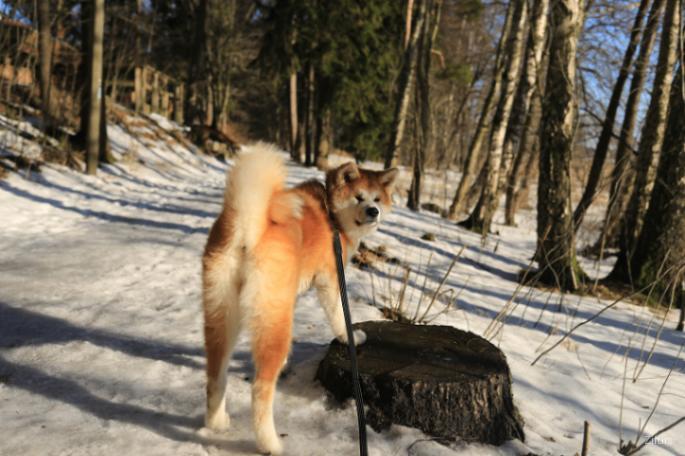
The Akita is a large, powerful, and dignified dog breed originating from Japan. Originally developed in the mountainous regions of northern Japan, Akitas were used for hunting large game and later became valued as loyal guarding and companion dogs. Their strong build, thick double coat, upright ears, and curled tail give them a distinctive and imposing appearance.
Akitas are known for their loyalty, courage, independence, and protective nature. They often form a strong bond with their families but can be reserved around strangers. Their independent personality means they require an experienced owner who can provide patient, consistent, and positive training.
Although Akitas can be calm and composed indoors, they are powerful dogs that need regular exercise, mental stimulation, proper socialization, and clear boundaries. They are generally not considered ideal for inexperienced owners or households looking for a highly social dog that enjoys interacting with everyone.
Akita Appearance
The Akita has a large, muscular, and well-balanced body with a broad head, upright triangular ears, deep chest, and thick curled tail. Its dense double coat helps protect it from cold weather and contributes to its distinctive appearance.
Common physical characteristics of an Akita include:
- Large and muscular body
- Broad head and strong muzzle
- Small, upright triangular ears
- Deep chest
- Thick double coat
- Strong legs and sturdy bone structure
- Plumed, curled tail carried over the back
- Confident and dignified posture
Akitas can have several coat colors depending on the individual and breed standard, including red, brindle, white, and other recognized combinations.
Akita Temperament
The Akita temperament is typically loyal, independent, confident, calm, and protective. Akitas often develop a close attachment to their families and can be devoted companions.
They may be reserved or aloof around unfamiliar people and can have strong territorial instincts. Early socialization is therefore important to help an Akita become comfortable around different people, environments, and situations.
Akitas are not usually dogs that constantly seek attention. They often appreciate having their own space while remaining closely connected to their owners.
Are Akitas Good Family Dogs?
Akitas can be excellent family companions for experienced owners who understand their independent and protective nature. They are generally loyal and devoted to the people they consider part of their family.
However, Akitas may not be suitable for every household. Their size, strength, independence, and potential for dog-to-dog conflict mean that responsible supervision and consistent training are important.
Young children should always be supervised around large dogs, and children should be taught how to interact respectfully with pets.
Akita Training
Training an Akita requires patience, consistency, and a good understanding of independent dog behavior. Akitas are intelligent but may not always be eager to repeat commands simply because their owner asks.
Positive reinforcement training can help build cooperation and trust. Short, structured training sessions using appropriate rewards can be more effective than repetitive or harsh methods.
Important training areas include:
- Basic obedience
- Leash manners
- Recall training
- Impulse control
- Early socialization
- Handling and grooming tolerance
- Calm behavior around visitors and other animals
Akita Exercise Requirements
Akitas need regular physical activity to remain healthy and mentally stimulated. They are not necessarily high-energy dogs that need constant running, but they benefit from daily walks, play, exploration, and training.
Suitable activities can include:
- Daily walks
- Interactive play
- Obedience training
- Controlled outdoor exploration
- Scent and enrichment games
- Secure outdoor activities
Because Akitas are large and powerful dogs, exercise should be appropriate for their age and physical condition. Puppies in particular should not be pushed into excessive high-impact exercise while they are still developing.
Can Akitas Live in Apartments?
Akitas can potentially adapt to apartment living if they receive sufficient daily exercise, mental stimulation, and training. Their generally calm indoor behavior can make them manageable indoors despite their large size.
However, apartment owners should carefully consider their size, strength, protective nature, and need for appropriate socialization. Regular outdoor walks and structured activities are essential.
Akita Grooming Requirements
Akitas have a thick double coat that requires regular grooming. Their coat can shed considerably, particularly during seasonal shedding periods.
Basic grooming should include:
- Regular brushing
- Bathing when necessary
- Nail trimming
- Ear cleaning
- Dental care
- Routine veterinary check-ups
More frequent brushing may be required when the Akita is undergoing heavy seasonal shedding. Regular grooming also provides an opportunity to check the skin, ears, paws, and coat for abnormalities.
Do Akitas Shed a Lot?
Yes. Akitas have a dense double coat and can shed throughout the year, with periods of particularly heavy shedding. Regular brushing can help remove loose hair and keep the coat in good condition.
Owners should be prepared for noticeable amounts of fur around the home, especially during seasonal coat changes.
Akita Health
Like all dog breeds, Akitas can be susceptible to certain health conditions. Regular veterinary examinations, vaccinations, parasite prevention, dental care, appropriate nutrition, and maintaining a healthy body weight are important parts of responsible Akita care.
When purchasing an Akita puppy, prospective owners should look for responsible breeders who prioritize appropriate health screening and provide reliable vaccination and health records.
What Should You Feed an Akita?
An Akita should receive a complete and balanced diet appropriate for its age, size, activity level, and individual health requirements.
Portion control is important because excessive weight can place additional stress on the joints and affect overall health. Puppies, adults, and senior Akitas have different nutritional requirements.
A veterinarian can help determine an appropriate diet, feeding schedule, and portion size based on the individual dog's needs.
Akita Socialization
Early socialization is especially important for Akitas because they can naturally be reserved and protective. Puppies should gradually experience different people, environments, sounds, surfaces, and appropriately vaccinated dogs in positive and controlled situations.
Good socialization can help an Akita develop confidence and learn how to respond appropriately to unfamiliar situations.
Are Akitas Good with Other Dogs?
Akitas can be selective about other dogs and may not always enjoy living with unfamiliar dogs. Their individual temperament, socialization, sex, and previous experiences can influence how they interact with other animals.
Careful introductions, appropriate supervision, and responsible management are important when introducing an Akita to another dog or household pet.
Are Akitas Good with Cats?
Some Akitas can live successfully with cats when raised or properly introduced to them, while others may have a strong prey drive or may not tolerate smaller animals. Individual temperament is an important factor.
Introductions should be gradual and supervised, and smaller pets should always have safe spaces where they can retreat.
Are Akitas Aggressive?
Akitas are not inherently aggressive, but they are naturally protective, independent, and often reserved with strangers. Without appropriate socialization, training, and management, their size and strength can make unwanted behavior more difficult to handle.
Responsible ownership, early socialization, positive training, and appropriate supervision are important for developing balanced behavior.
Are Akitas Good for First-Time Dog Owners?
Akitas are generally better suited to experienced dog owners. Their large size, strength, independent temperament, protective instincts, grooming requirements, and training needs can be challenging for someone who has never owned a large or independent breed.
First-time owners considering an Akita should be prepared to invest significant time in training, socialization, exercise, grooming, and responsible management.
Akita Dog Price in India
The Akita dog price in India can vary considerably depending on the type of Akita, breeder reputation, pedigree, lineage, location, health screening, age, coat quality, and availability.
As a general estimate, an Akita puppy in India may cost approximately ₹50,000 to ₹1,50,000 or more.
Akitas from reputable breeders with documented health records, responsible breeding practices, and strong pedigrees may cost more.
Prospective owners should not choose an Akita puppy based solely on price. Health records, vaccination history, socialization, living conditions, breeder practices, and the puppy's overall wellbeing should all be considered.
Akita Monthly Maintenance Cost in India
The estimated Akita monthly maintenance cost in India can range from approximately ₹6,000 to ₹12,000 or more, depending on food, healthcare, grooming, preventive treatments, lifestyle, and location.
Regular expenses may include:
- Quality dog food
- Routine veterinary care
- Vaccinations
- Flea and tick prevention
- Grooming supplies
- Professional grooming when required
- Dental care
- Toys and enrichment
- Training expenses
Can Akitas Handle the Indian Climate?
Akitas have a dense double coat developed for cold climates, so hot and humid Indian weather can be challenging for them. Owners should provide access to shade, fresh water, good ventilation, and a cool indoor environment during hot weather.
Exercise should preferably be scheduled during cooler parts of the day. Signs of overheating should be taken seriously, especially during India's hottest months.
How Long Do Akitas Live?
Akitas commonly have a lifespan of around 10 to 14 years, although individual lifespan can vary depending on genetics, nutrition, preventive healthcare, lifestyle, and overall health.
Are Akitas Easy to Maintain?
Akitas require consistent care and are not considered a low-maintenance breed. Their thick coat requires regular brushing, while their size, exercise needs, training requirements, and protective nature require committed ownership.
With proper grooming, nutrition, exercise, socialization, training, and veterinary care, an Akita can be a loyal and rewarding companion.
Final Thoughts
The Akita is a powerful, dignified, and loyal dog breed known for its courage, independence, protective nature, and strong bond with its family. While its calm and composed personality can make it an excellent companion for the right owner, its size, strength, grooming needs, and independent temperament require responsible ownership.
For prospective owners in India, it is important to consider both the Akita dog price in India and ongoing costs for food, grooming, healthcare, training, and enrichment before bringing one home.
With early socialization, positive training, regular exercise, proper nutrition, responsible management, and preventive veterinary care, an Akita can become a loyal and devoted companion.
Care Requirements
Compatibility
Available Colors
Health Considerations
- Hip Dysplasia
- Hypothyroidism
- Progressive Retinal Atrophy
- Autoimmune Disorders
Fun Facts
- The most famous Akita, Hachikō, waited over nine years at a train station for his deceased owner in Japan.
- Akita are known to be fastidious cleaners, sometimes grooming themselves similar to a cat.
Frequently Asked Questions
Common questions about the Akita breed.
What is an Akita?
The Akita is a large, powerful, and dignified dog breed originating from Japan. It is known for its loyalty, courage, independence, protective nature, thick double coat, curled tail, and strong bond with its family.
How much does an Akita cost in India?
The Akita dog price in India typically ranges from ₹50,000 to ₹1,50,000 or more. The price depends on factors such as breeder reputation, pedigree, lineage, location, health screening, age, coat quality, and availability.
Are Akitas good family dogs?
Akitas can be loyal and devoted family companions for experienced owners. They are generally affectionate with their families but can be reserved and protective around unfamiliar people. Early socialization and consistent training are important.
Are Akitas good apartment dogs?
Akitas can adapt to apartment living if they receive sufficient daily exercise, mental stimulation, and training. However, their large size, strength, protective nature, and need for appropriate socialization should be considered.
Are Akitas easy to train?
Akitas are intelligent but independent-minded, which can make training challenging. They generally respond best to patient, consistent, positive-reinforcement training rather than harsh or repetitive methods.
How much exercise does an Akita need?
Akitas need regular daily exercise such as walks, interactive play, exploration, and mental stimulation. Exercise should be adjusted according to the dog's age, health, and individual fitness level.
Do Akitas shed a lot?
Yes, Akitas have a thick double coat and can shed throughout the year, with particularly heavy shedding during seasonal coat changes. Regular brushing helps remove loose hair and maintain a healthy coat.
How often should an Akita be groomed?
Akitas require regular brushing to manage their thick double coat, especially during heavy shedding periods. Bathing when necessary, nail trimming, ear cleaning, and dental care should also be part of their grooming routine.
Are Akitas good with children?
Akitas can live with children when properly socialized and supervised. Because they are large and powerful dogs with an independent temperament, interactions with young children should always be monitored.
Are Akitas good with other dogs?
Akitas can be selective around other dogs and may not always tolerate unfamiliar dogs. Their individual temperament, socialization, and previous experiences can influence their behavior. Careful introductions and supervision are recommended.
Are Akitas aggressive?
Akitas are not inherently aggressive, but they are naturally independent, protective, and often reserved with strangers. Their size and strength make responsible socialization, training, and management especially important.
Are Akitas good with cats and other pets?
Some Akitas can live successfully with cats and other household pets, particularly when introduced carefully from an early age. However, individual temperament and prey drive vary, so interactions should be gradual and supervised.
What is the monthly maintenance cost of an Akita in India?
The estimated Akita monthly maintenance cost in India is around ₹6,000 to ₹12,000 or more. Expenses can include food, veterinary care, vaccinations, parasite prevention, grooming, dental care, toys, and training.
What should I feed an Akita?
An Akita should receive a complete and balanced diet appropriate for its age, size, activity level, and health requirements. Portion control is important because maintaining a healthy weight helps reduce unnecessary stress on the joints.
Can Akitas live in India's hot climate?
Akitas can live in India with appropriate climate management, but their thick double coat can make hot weather challenging. Fresh water, shade, ventilation, a cool indoor environment, and exercise during cooler parts of the day are important.
Are Akitas suitable for first-time dog owners?
Akitas are generally better suited to experienced dog owners. Their large size, strength, independent temperament, protective instincts, grooming requirements, and training needs can be challenging for inexperienced owners.
How long do Akitas live?
Akitas commonly have a lifespan of around 10 to 14 years, although individual lifespan can vary depending on genetics, nutrition, preventive healthcare, lifestyle, and overall health.
Are Akitas good guard dogs?
Akitas can be naturally protective and alert, making them capable watchdogs. They tend to be reserved around strangers and can form strong territorial bonds with their families. Proper training and socialization are important when keeping an Akita as a guardian.
Are Akitas easy to maintain?
Akitas require consistent care and are not considered a low-maintenance breed. Their thick coat requires regular brushing, while their size, exercise needs, training requirements, and independent temperament require committed ownership.
Can Akitas be left off-leash?
Akitas should generally only be allowed off-leash in secure, enclosed areas unless they have exceptionally reliable recall and the environment is appropriate. Their independent nature and potential prey drive can make uncontrolled off-leash activity risky.