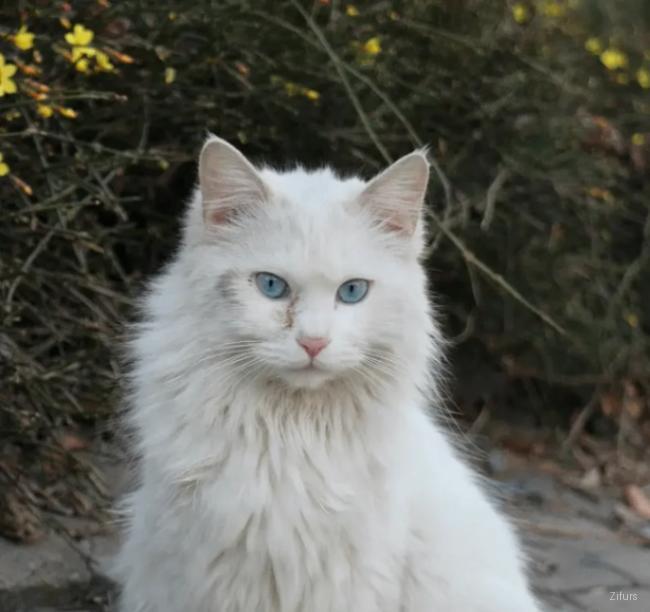
Turkish Angora
Last Updated:
The Turkish Angora cat breed is an elegant, intelligent, and playful companion known for its silky long coat and graceful appearance. Popular among cat lovers in India, Turkish Angoras are active, affectionate, and highly social, making them ideal for interactive households.
Height
9 - 14 inches
Intelligence
High
Lifespan
12 - 16 years
Weight
3 - 5 Kg
Temperament
About
The Turkish Angora is an elegant and athletic cat breed known for its silky coat, graceful body, plumed tail, and intelligent personality. Originally associated with Ankara, Turkey, this naturally developed breed is one of the oldest recognized long-haired cat breeds. Turkish Angoras are admired for their beauty as well as their playful, curious, and people-oriented nature.
Turkish Angora cats are known for being intelligent, affectionate, active, curious, confident, and playful. They often form strong bonds with their families and enjoy being involved in household activities. Unlike some quiet and laid-back cat breeds, Turkish Angoras tend to remain active and curious well into adulthood.
The breed has a fine, silky coat that is relatively easy to maintain because it does not usually have a heavy undercoat. However, regular brushing is still recommended to keep the coat smooth and remove loose hair. Their athletic build and high intelligence also mean they benefit from daily play, climbing opportunities, and mental stimulation.
Turkish Angora Appearance
The Turkish Angora has a graceful yet muscular body with long legs, a slender silhouette, and a distinctive long, plumed tail. Its coat is fine and silky, giving the breed an elegant appearance.
Common physical characteristics of a Turkish Angora include:
- Small to medium-sized body
- Elegant and athletic build
- Long, slender legs
- Large, pointed ears
- Almond-shaped eyes
- Long, silky coat
- Long, plumed tail
- Fine-boned but muscular body
White Turkish Angoras are particularly well known, but the breed can also occur in several other colors and patterns depending on the breed standard.
Turkish Angora Temperament
The Turkish Angora temperament is generally intelligent, energetic, affectionate, confident, and curious. These cats often enjoy interacting with people and can develop strong bonds with their owners.
They are active explorers and may enjoy climbing furniture, investigating new objects, and following family members around the home. Their intelligence can also make them quite independent-minded, so providing sufficient mental stimulation is important.
Are Turkish Angora Cats Good Family Pets?
Yes, Turkish Angoras can make excellent family companions. Their playful, affectionate, and interactive personality makes them suitable for households that can provide plenty of attention and activity.
They generally enjoy being involved in family life and may become particularly attached to one or more members of the household.
Are Turkish Angora Cats Good with Children?
Turkish Angoras can get along well with children when properly socialized and treated respectfully. Their playful and energetic nature can make them entertaining companions for older children.
Children should be taught to handle cats gently and respect their boundaries, particularly when the cat is eating, sleeping, or resting.
Turkish Angora Intelligence and Training
Turkish Angoras are highly intelligent cats and can learn routines, tricks, interactive games, and simple commands. Positive reinforcement using treats, praise, and play can make training more effective.
Mental stimulation can include:
- Puzzle feeders
- Interactive toys
- Clicker training
- Fetch
- Food-based games
- Climbing activities
- Trick training
Short and engaging training sessions can help prevent boredom and provide an outlet for their intelligence.
Turkish Angora Exercise Requirements
Turkish Angoras are active cats and require regular physical activity and mental stimulation. They enjoy climbing, jumping, chasing toys, and exploring their surroundings.
Suitable activities include:
- Interactive wand toys
- Cat trees
- Scratching posts
- Climbing shelves
- Chasing games
- Puzzle toys
- Interactive feeders
- Fetch
Providing vertical spaces is particularly useful because Turkish Angoras often enjoy climbing and observing their surroundings from elevated positions.
Can Turkish Angora Cats Live in Apartments?
Yes, Turkish Angoras can adapt to apartment living, but they need enough exercise and enrichment to remain happy. Their active nature means they benefit from cat trees, scratching posts, interactive toys, and regular play sessions.
A stimulating indoor environment can help prevent boredom and unwanted behaviors.
Turkish Angora Grooming Requirements
The Turkish Angora has a fine, silky coat that is generally easier to maintain than the dense coat of some other long-haired breeds. Its relatively light undercoat means the coat is less prone to severe matting.
Basic grooming should include:
- Regular brushing
- More frequent brushing during shedding periods
- Occasional bathing when necessary
- Nail trimming
- Ear cleaning
- Dental care
Regular grooming also helps remove loose hair and keeps the coat smooth and healthy.
Do Turkish Angora Cats Shed a Lot?
Turkish Angoras shed moderately. Their coat may become fuller during colder periods and shedding can increase during seasonal changes.
Regular brushing helps remove loose hair and keeps the silky coat in good condition.
Are Turkish Angora Cats Hypoallergenic?
No, Turkish Angoras are not considered hypoallergenic. Although their coat may be relatively easy to maintain, they still produce allergens through dander, saliva, and other sources.
People with cat allergies should spend time around a Turkish Angora before deciding to bring one home.
Turkish Angora Health
Turkish Angoras require regular veterinary examinations, vaccinations, parasite prevention, dental care, balanced nutrition, and appropriate weight management.
White Turkish Angoras, particularly those with blue eyes or odd-colored eyes, can have an increased risk of congenital deafness. Responsible breeders should consider appropriate health screening and hearing evaluation where relevant.
Regular veterinary check-ups can help detect potential health problems early and support long-term wellbeing.
What Should You Feed a Turkish Angora?
A Turkish Angora should receive a complete and balanced diet appropriate for its age, size, activity level, and individual health requirements.
Because Turkish Angoras are active cats, their nutritional needs should support healthy muscle development and energy levels. Kittens, adult cats, and senior cats should receive diets appropriate for their life stage.
Fresh drinking water should always be available.
Turkish Angora Socialization
Early socialization can help Turkish Angora kittens become comfortable with different people, household sounds, handling, grooming, and appropriately introduced pets.
Positive experiences during kittenhood can help them develop into confident and adaptable adult cats.
Are Turkish Angora Cats Good with Other Pets?
Turkish Angoras can generally live with other cats and cat-friendly dogs when introduced gradually and appropriately. Their playful and social nature can make them suitable for multi-pet households.
Introductions should be gradual and supervised, with each pet having access to its own food, water, litter, and resting areas.
Are Turkish Angora Cats Affectionate?
Yes, Turkish Angoras are generally affectionate and strongly attached to their families. They often enjoy interacting with their owners and may follow them around the home.
However, their affection can be active and interactive rather than simply spending all day resting on a lap.
Are Turkish Angora Cats Vocal?
Turkish Angoras can be communicative and may use meows, chirps, and other sounds to interact with their owners. Their vocalization level varies between individual cats.
Their intelligence and social nature can make them quite expressive when seeking attention or communicating their needs.
Are Turkish Angora Cats Good for First-Time Cat Owners?
Turkish Angoras can be suitable for first-time cat owners who are prepared to provide regular interaction, exercise, grooming, and mental stimulation.
Their intelligence and energy mean they may require more engagement than calm, low-energy cat breeds, so prospective owners should be prepared for an active and interactive companion.
Do Turkish Angora Cats Need a Lot of Attention?
Turkish Angoras generally enjoy significant interaction with their owners. They are social, curious, and intelligent and can become bored when left alone for long periods without sufficient enrichment.
Interactive play, puzzle toys, climbing structures, and regular family interaction can help meet their physical and emotional needs.
How Long Do Turkish Angora Cats Live?
Turkish Angoras can have a lifespan of around 12 to 18 years with appropriate nutrition, preventive veterinary care, a safe indoor environment, and a healthy lifestyle. Individual lifespan varies depending on genetics, healthcare, diet, and overall wellbeing.
Turkish Angora Cat Price in India
The Turkish Angora cat price in India can vary depending on pedigree, breeder reputation, lineage, health screening, coat color, eye color, location, age, and availability.
As a general estimate, a Turkish Angora kitten in India may cost approximately ₹25,000 to ₹70,000 or more.
Imported or exceptionally well-bred kittens may cost considerably more because of transportation, documentation, and limited availability.
Prospective owners should consider health records, vaccination history, parental health, kitten socialization, living conditions, and responsible breeding practices rather than choosing a kitten based solely on price.
Turkish Angora Monthly Maintenance Cost in India
The estimated Turkish Angora monthly maintenance cost in India can range from approximately ₹3,000 to ₹7,000 or more, depending on food, litter, healthcare, grooming, preventive treatments, toys, and lifestyle.
Regular expenses may include:
- Quality cat food
- Cat litter
- Routine veterinary care
- Vaccinations
- Parasite prevention
- Grooming supplies
- Dental care
- Toys and enrichment
Can Turkish Angora Cats Live in India's Climate?
Turkish Angoras can adapt to India's climate when kept in a comfortable indoor environment. During hot weather, owners should provide fresh water, good ventilation, shade, and a cool resting area.
Exercise and active play should preferably take place during cooler parts of the day during periods of extreme heat.
Are Turkish Angora Cats High-Maintenance?
Turkish Angoras have moderate grooming requirements because their silky coat is relatively easy to maintain compared with many heavily coated long-haired breeds. However, their high intelligence and activity level mean they also need regular play, enrichment, and interaction.
They are best suited to owners who enjoy an active and interactive cat rather than a completely independent companion.
Are Turkish Angora Cats Always White?
No, Turkish Angoras are not limited to white coats. Although white is strongly associated with the breed and remains one of its most recognizable colors, Turkish Angoras can occur in several other colors and patterns depending on the applicable breed standard.
Do Turkish Angora Cats Have Blue Eyes?
Turkish Angoras can have blue, gold, copper, green, or other recognized eye colors depending on their coat color and genetics. Some white cats can have odd-colored eyes, with each eye being a different color.
Final Thoughts
The Turkish Angora is an elegant, intelligent, affectionate, and energetic cat breed known for its silky coat, graceful body, expressive eyes, and long plumed tail. Its playful and social personality makes it an engaging companion for families and individuals who can provide regular interaction.
For prospective owners in India, it is important to consider both the Turkish Angora cat price in India and ongoing costs for food, litter, healthcare, grooming, enrichment, and preventive care before bringing one home.
With a balanced diet, regular veterinary care, appropriate grooming, daily play, mental stimulation, companionship, and a safe indoor environment, the Turkish Angora can be a loving and entertaining companion.
Care Requirements
Compatibility
Available Colors
Health Considerations
- Deafness
- Hypertrophic cardiomyopathy
- Ataxia
Fun Facts
- Many Turkish Angoras have one blue eye and one amber/green eye called heterochromia.
- Turkish Angoras were highly valued and kept by Ottoman royalty.
Frequently Asked Questions
Common questions about the Turkish Angora breed.
What is a Turkish Angora cat?
The Turkish Angora is an elegant, intelligent, and athletic cat breed originating from Turkey. It is known for its fine silky coat, long graceful body, large tufted ears, expressive eyes, and long plumed tail.
How much does a Turkish Angora cat cost in India?
The Turkish Angora cat price in India can vary depending on pedigree, breeder reputation, lineage, health screening, coat color, eye color, location, age, and availability. A kitten may typically cost around ₹25,000 to ₹70,000 or more.
Are Turkish Angora cats good family pets?
Yes, Turkish Angoras can make excellent family pets. They are affectionate, playful, intelligent, social, and enjoy being involved in household activities. They are best suited to families that can provide regular interaction and mental stimulation.
Are Turkish Angora cats good with children?
Turkish Angoras can be good with children when properly socialized and treated respectfully. Their playful and energetic personality can make them enjoyable companions, although young children should be supervised and taught to handle cats gently.
Are Turkish Angora cats good with other pets?
Yes, Turkish Angoras can generally live well with other cats and cat-friendly dogs when introductions are gradual and properly managed. Their social and confident personality can make them suitable for multi-pet households.
Are Turkish Angora cats affectionate?
Yes, Turkish Angoras are generally affectionate and strongly attached to their families. They often follow their owners around the home and enjoy participating in household activities.
Are Turkish Angora cats lap cats?
Turkish Angoras can be affectionate without necessarily being traditional lap cats. Many prefer staying close to their owners, following them around, or interacting through play rather than being held for long periods.
Are Turkish Angora cats easy to train?
Turkish Angoras are highly intelligent and can learn routines, tricks, fetch, and other interactive behaviors. They respond well to positive reinforcement and can excel in activities such as agility.
How much exercise does a Turkish Angora cat need?
Turkish Angoras are active and athletic cats that need regular daily play and mental stimulation. Interactive toys, climbing structures, chasing games, puzzle feeders, and fetch can help meet their activity needs.
Can Turkish Angora cats live in apartments?
Yes, Turkish Angoras can adapt to apartment living when provided with sufficient exercise and enrichment. Cat trees, shelves, scratching posts, interactive toys, and regular play sessions are particularly useful for this active breed.
Do Turkish Angora cats shed a lot?
Turkish Angoras shed moderately. Their single, silky coat generally does not have a heavy undercoat and is less prone to severe matting than many other long-haired coats. Shedding can vary seasonally.
How often should a Turkish Angora be groomed?
Turkish Angoras generally have relatively easy grooming needs for a long-haired breed. Combing once or twice a week can help remove loose hair and keep the silky coat in good condition, with more frequent grooming during heavier shedding.
Are Turkish Angora cats hypoallergenic?
No, Turkish Angoras are not considered hypoallergenic. Although their single coat may produce less loose hair than some long-haired breeds, they still produce cat allergens through dander, saliva, and other sources.
Are Turkish Angora cats vocal?
Turkish Angoras can be quite communicative and may use meows, chirps, and other sounds when interacting with their owners. Individual vocalization levels vary from cat to cat.
What should I feed a Turkish Angora cat?
A Turkish Angora should receive a complete and balanced diet appropriate for its age, size, activity level, and individual health requirements. Because the breed is active, adequate nutrition is important for maintaining healthy energy levels and muscle condition.
What is the monthly maintenance cost of a Turkish Angora cat in India?
The estimated Turkish Angora monthly maintenance cost in India can range from approximately ₹3,000 to ₹7,000 or more. Expenses may include food, litter, veterinary care, vaccinations, parasite prevention, grooming, dental care, toys, and enrichment.
How long do Turkish Angora cats live?
Turkish Angoras can have a long lifespan, with some individuals living into their late teens or even early twenties. Lifespan depends on genetics, nutrition, preventive veterinary care, lifestyle, and overall health.
Are Turkish Angora cats suitable for first-time cat owners?
Turkish Angoras can be suitable for first-time cat owners who are prepared for an active, intelligent, and social cat. They require regular play, interaction, enrichment, grooming, and veterinary care.
Do Turkish Angora cats need a lot of attention?
Yes, Turkish Angoras are highly social and enjoy being involved with their owners. They can become bored if left alone for long periods without sufficient enrichment, so interactive play and companionship are important.
Are Turkish Angora cats active?
Yes, Turkish Angoras are highly active and athletic cats. They enjoy climbing, jumping, chasing toys, exploring, and learning new games. Providing vertical spaces and interactive activities is particularly beneficial.
Do Turkish Angora cats like to climb?
Yes, Turkish Angoras are excellent climbers and often seek high places. They can be found on cat trees, shelves, cabinets, and other elevated areas, so sturdy vertical climbing spaces are recommended.
What colors do Turkish Angora cats come in?
Although white is strongly associated with the Turkish Angora, the breed occurs in many colors and patterns. Depending on the applicable breed standard, recognized varieties can include solid, tabby, smoke, tortoiseshell, calico, and bicolor patterns.
Are all Turkish Angora cats white?
No. White is the traditional and most recognizable Turkish Angora color, but the breed is available in many other colors and patterns. White Turkish Angoras are particularly associated with the breed's historical preservation programs.
Do Turkish Angora cats have blue eyes?
Turkish Angoras can have blue, green, gold, amber, copper, or other recognized eye colors. Odd-colored eyes can also occur, particularly among white cats.
Are white Turkish Angora cats deaf?
Not all white Turkish Angora cats are deaf. However, congenital deafness can occur in white cats, particularly those with blue eyes. Hearing can be evaluated using a BAER test when appropriate.
Do Turkish Angora cats like water?
Many Turkish Angoras have an unusual affinity for water. Some enjoy playing with running water or may willingly enter a bath or shower, although individual preferences vary.
Are Turkish Angora cats good indoor cats?
Yes, Turkish Angoras can thrive indoors when provided with enough enrichment. Because they are active climbers and intelligent hunters, they benefit from cat trees, scratching posts, interactive toys, puzzle feeders, and regular play.
Do Turkish Angora cats have health problems?
Turkish Angoras are generally considered a healthy breed. However, white cats can have an increased risk of congenital deafness, and breeders may also screen for hypertrophic cardiomyopathy. Regular veterinary care is important for maintaining overall health.
Can Turkish Angora cats live in India's climate?
Turkish Angoras can adapt to India's climate when kept in a comfortable indoor environment. During hot weather, provide fresh water, good ventilation, shade, and a cool resting area. Exercise should preferably take place during cooler parts of the day.
Are Turkish Angora cats high-maintenance?
Turkish Angoras have relatively manageable grooming needs because their single silky coat is not highly prone to matting. However, they are demanding in terms of activity, attention, and mental stimulation and need regular interaction.
Are Turkish Angoras good for seniors?
Turkish Angoras can be good companions for active seniors who can provide regular interaction and play. However, their high energy and climbing behavior mean they may be better suited to people who enjoy an active and interactive cat.