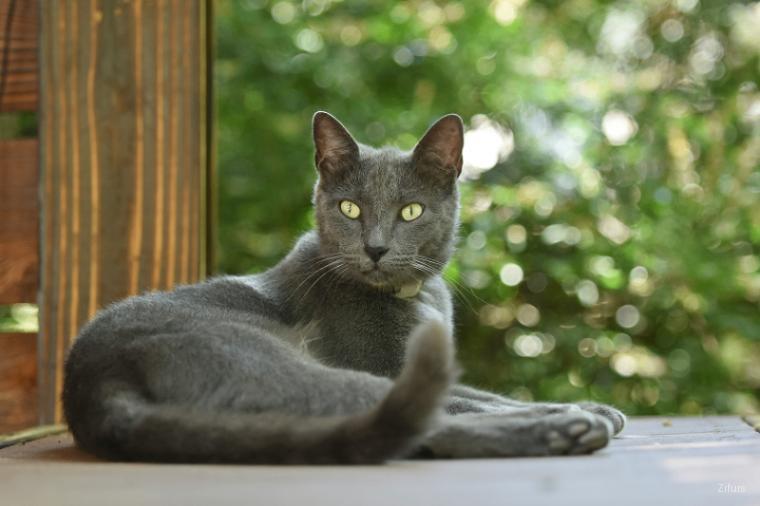
Russian Blue
Last Updated:
The Russian Blue cat breed is a calm, intelligent, and elegant companion known for its plush blue-grey coat and striking green eyes. Popular among cat lovers in India, Russian Blue cats are gentle, quiet, and ideal for indoor living. They are perfect for families seeking a low-maintenance and affectionate pet.
Height
8 - 10 inches
Intelligence
High
Lifespan
12 - 16 years
Weight
3 - 5 kg
Temperament
About
The Russian Blue is an elegant and intelligent cat breed known for its distinctive blue-grey coat, vivid green eyes, graceful body, and calm personality. Originally associated with Russia, this breed is admired for its beautiful appearance as well as its gentle, loyal, and somewhat reserved nature.
Russian Blue cats are known for being intelligent, affectionate, gentle, quiet, playful, loyal, and independent. They often form strong bonds with their families but may take some time to become comfortable around unfamiliar people. Once they trust their owners, they can be loving and devoted companions.
The Russian Blue has a short, dense double coat with a distinctive silvery sheen. Its coat is relatively easy to maintain and usually requires only regular brushing. The breed is moderately active and enjoys interactive play, climbing, and mental stimulation, making it suitable for both apartments and larger homes.
Russian Blue Appearance
The Russian Blue has an elegant, slender, and muscular body with a wedge-shaped head and large ears. Its most recognizable features are its short blue-grey coat and vivid green eyes.
Common physical characteristics of a Russian Blue include:
- Medium-sized body
- Long and graceful build
- Fine-boned but muscular structure
- Wedge-shaped head
- Large pointed ears
- Vivid green eyes
- Long tail
- Short, dense double coat
- Distinctive blue-grey coloration with a silvery sheen
The breed's coat is typically uniform blue-grey, with each individual hair having a lighter or silvery tip that gives the coat its characteristic shimmering appearance.
Russian Blue Temperament
The Russian Blue temperament is generally calm, gentle, intelligent, loyal, and affectionate. These cats often develop strong bonds with their owners but can be reserved around strangers.
Russian Blues tend to appreciate a predictable and peaceful environment. They may observe unfamiliar people from a distance before gradually becoming comfortable with them.
Despite their calm personality, they have a playful side and enjoy interactive games, toys, and activities that challenge their intelligence.
Are Russian Blue Cats Good Family Pets?
Yes, Russian Blue cats can make excellent family companions. They are affectionate with people they trust and generally enjoy spending time with their families.
The breed can be particularly suitable for households that prefer a quieter and calmer cat. A peaceful environment and consistent routine can help a Russian Blue feel secure.
Are Russian Blue Cats Good with Children?
Russian Blue cats can get along well with respectful children when properly socialized. Their gentle nature can make them suitable family companions, although they may prefer quieter interactions.
Children should be taught to handle cats gently and respect their space, particularly when the cat is eating, sleeping, or hiding.
Russian Blue Intelligence and Training
Russian Blue cats are intelligent and observant and can learn household routines, interactive games, and simple behaviors. Positive reinforcement can be used to encourage desirable behavior and provide mental stimulation.
Useful activities include:
- Puzzle feeders
- Interactive toys
- Clicker training
- Food-based games
- Fetch
- Simple tricks
- Interactive play
Short training sessions can help keep their minds engaged without becoming overwhelming.
Russian Blue Exercise Requirements
Russian Blue cats have moderate exercise needs. They enjoy interactive play, climbing, chasing toys, and exploring their surroundings.
Suitable activities include:
- Interactive wand toys
- Cat trees
- Scratching posts
- Chasing games
- Puzzle toys
- Interactive feeders
- Fetch
Regular play is important for maintaining a healthy weight and providing mental stimulation.
Can Russian Blue Cats Live in Apartments?
Yes, Russian Blue cats can adapt very well to apartment living. Their moderate activity level and generally calm temperament make them suitable indoor companions.
Owners should provide scratching posts, comfortable resting areas, interactive toys, and vertical spaces such as cat trees to encourage natural climbing and play behaviors.
Russian Blue Grooming Requirements
The Russian Blue has a short, dense double coat that is relatively easy to maintain. Regular brushing helps remove loose hair and keep the coat healthy.
Basic grooming should include:
- Weekly brushing
- Regular nail trimming
- Ear cleaning when necessary
- Dental care
- Occasional bathing when required
- Routine veterinary check-ups
The dense coat can feel plush to the touch, but it generally does not require the extensive grooming routine associated with long-haired breeds.
Do Russian Blue Cats Shed a Lot?
Russian Blue cats shed moderately. Their dense double coat can produce loose hair, particularly during seasonal shedding periods.
Regular brushing can help remove loose fur and reduce the amount of hair around the home.
Are Russian Blue Cats Hypoallergenic?
No cat breed is completely hypoallergenic, and Russian Blues should not be considered allergy-free. Some allergy sufferers may find them more manageable than certain cats, but individual reactions vary.
People with cat allergies should spend time around a Russian Blue before deciding to bring one home.
Russian Blue Health
Russian Blue cats are generally considered a healthy breed. They still require regular veterinary examinations, vaccinations, parasite prevention, dental care, balanced nutrition, and appropriate weight management.
As with all cats, maintaining a healthy body weight is important. Regular veterinary check-ups can help identify potential health concerns early and support long-term wellbeing.
What Should You Feed a Russian Blue?
A Russian Blue should receive a complete and balanced diet appropriate for its age, size, activity level, and individual health requirements.
Portion control is important because indoor cats can gain weight if they consume more calories than they use. Kittens, adults, and senior cats should receive nutrition appropriate for their life stage.
Fresh drinking water should always be available.
Russian Blue Socialization
Early socialization can help Russian Blue kittens become more comfortable around different people, household sounds, handling, grooming, and appropriately introduced pets.
Because Russian Blues can be reserved around unfamiliar people, gradual and positive introductions are particularly useful.
Are Russian Blue Cats Good with Other Pets?
Russian Blue cats can live successfully with other cats and cat-friendly dogs when introductions are gradual and properly managed.
Their relatively calm personality can work well in multi-pet households, provided each animal has access to separate food, water, litter, and resting areas.
Are Russian Blue Cats Affectionate?
Yes, Russian Blue cats are generally affectionate with people they trust. They may follow their owners around the home, sit nearby, or enjoy quiet companionship.
They can be somewhat reserved with strangers, but their bond with familiar family members can be very strong.
Are Russian Blue Cats Vocal?
Russian Blue cats are generally considered relatively quiet. They may meow or use soft vocalizations to communicate with their owners, but they are usually less vocal than breeds known for frequent or loud communication.
This makes them a potential choice for people who prefer a quieter indoor cat.
Are Russian Blue Cats Good for First-Time Cat Owners?
Russian Blue cats can be suitable for first-time cat owners who can provide a calm environment, regular interaction, proper nutrition, veterinary care, and mental stimulation.
Their short coat is relatively easy to maintain, while their independent yet affectionate personality can make them manageable companions.
Do Russian Blue Cats Need a Lot of Attention?
Russian Blues enjoy companionship but are generally capable of spending some time independently. They benefit from daily interaction and play but do not usually require constant attention.
Interactive toys, puzzle feeders, climbing structures, and regular play sessions can help keep them mentally stimulated when their owners are busy.
How Long Do Russian Blue Cats Live?
Russian Blue cats can have a lifespan of around 15 to 20 years with appropriate nutrition, preventive veterinary care, a safe indoor environment, and a healthy lifestyle. Individual lifespan varies depending on genetics, healthcare, diet, and overall wellbeing.
Russian Blue Cat Price in India
The Russian Blue cat price in India can vary depending on pedigree, breeder reputation, lineage, health screening, coat quality, location, age, and availability.
As a general estimate, a Russian Blue kitten in India may cost approximately ₹30,000 to ₹80,000 or more.
Imported or exceptionally well-bred kittens may cost considerably more because of transportation, documentation, and limited availability.
Prospective owners should consider health records, vaccination history, parental health, kitten socialization, living conditions, and responsible breeding practices rather than choosing a kitten based solely on price.
Russian Blue Monthly Maintenance Cost in India
The estimated Russian Blue monthly maintenance cost in India can range from approximately ₹3,000 to ₹7,000 or more, depending on food, litter, healthcare, preventive treatments, grooming, toys, and lifestyle.
Regular expenses may include:
- Quality cat food
- Cat litter
- Routine veterinary care
- Vaccinations
- Parasite prevention
- Grooming supplies
- Dental care
- Toys and enrichment
Can Russian Blue Cats Live in India's Climate?
Russian Blue cats can generally adapt to India's climate when kept in a comfortable indoor environment. During hot weather, owners should provide fresh water, good ventilation, shade, and a cool resting area.
During periods of extreme heat, outdoor exposure should be minimized and play should preferably take place during cooler parts of the day.
Are Russian Blue Cats High-Maintenance?
Russian Blue cats are generally considered relatively low-maintenance. Their short coat is easy to care for, and their moderate exercise needs are manageable for most households.
They still require regular veterinary care, dental hygiene, balanced nutrition, daily interaction, exercise, and mental enrichment.
Why Are Russian Blue Cats Blue-Grey?
The Russian Blue's distinctive blue-grey coat is one of its defining characteristics. Each individual hair has a silvery appearance that creates the breed's characteristic shimmering effect when light reflects from the dense coat.
Do Russian Blue Cats Like to Be Held?
Individual Russian Blues have different preferences when it comes to being held. Many enjoy staying close to their owners but may prefer sitting beside them rather than being carried for long periods.
Allowing the cat to choose when and how it wants physical contact can help build trust and strengthen the relationship.
Final Thoughts
The Russian Blue is an elegant, intelligent, affectionate, and relatively quiet cat breed known for its shimmering blue-grey coat, vivid green eyes, graceful body, and loyal personality.
For prospective owners in India, it is important to consider both the Russian Blue cat price in India and ongoing costs for food, litter, healthcare, grooming, enrichment, and preventive care before bringing one home.
With a balanced diet, regular veterinary care, simple coat maintenance, daily play, mental stimulation, companionship, and a safe indoor environment, the Russian Blue can be a calm, loyal, and rewarding companion for individuals and families.
Care Requirements
Compatibility
Available Colors
Health Considerations
- Renal Failure
- Gingivitis
- Tartar build-up
- Conjunctivitis
- Glaucoma
- Progressive Retinal Atrophy
- Hyperthyroidism
- Polycystic Kidney Disease
Fun Facts
- Russian Blue are considered nearly hypoallergenic because they produce lower levels of the Fel d 1 protein than other cats
- The internet meme "Nyan Cat" was modeled after illustrator Chris Torres' own Russian Blue named Marty.
Frequently Asked Questions
Common questions about the Russian Blue breed.
What is a Russian Blue cat?
The Russian Blue is a medium-sized cat breed known for its short, dense blue-grey coat with silver tipping, vivid green eyes, graceful body, and intelligent personality. It is generally affectionate with its family while being somewhat reserved around strangers.
How much does a Russian Blue cat cost in India?
The Russian Blue cat price in India can vary depending on pedigree, breeder reputation, lineage, health screening, location, age, and availability. A Russian Blue kitten may typically cost around ₹30,000 to ₹80,000 or more.
Are Russian Blue cats good family pets?
Yes, Russian Blue cats can make excellent family pets. They are intelligent, loyal, playful, affectionate with familiar people, and generally comfortable in a calm household.
Are Russian Blue cats good with children?
Russian Blue cats can get along well with respectful children when properly socialized. They may prefer a quieter environment, so children should be taught to handle them gently and respect their space.
Are Russian Blue cats good with other pets?
Yes, Russian Blues can generally live with other cats and cat-friendly dogs when introduced gradually. They may initially be cautious around unfamiliar animals and benefit from slow, positive introductions.
Are Russian Blue cats affectionate?
Yes, Russian Blues are generally very affectionate with people they trust. They often form strong bonds with their families and may follow their owners around the home or stay close to them.
Are Russian Blue cats shy?
Russian Blues can be reserved or cautious around strangers. This behavior is often more about taking time to assess unfamiliar people than being genuinely unfriendly. With their trusted family members, they can be affectionate and playful.
Are Russian Blue cats easy to train?
Yes, Russian Blues are highly intelligent and can learn routines, tricks, fetch, and other interactive behaviors. Positive reinforcement and puzzle toys can provide both training opportunities and mental stimulation.
How much exercise does a Russian Blue cat need?
Russian Blues have moderate activity needs and benefit from daily interactive play. Chasing games, fetch, climbing, puzzle feeders, and interactive toys can help keep them physically active and mentally stimulated.
Can Russian Blue cats live in apartments?
Yes, Russian Blue cats can adapt very well to apartment living. They generally do not require a large home but should have access to climbing spaces, scratching posts, interactive toys, and regular play.
Do Russian Blue cats shed a lot?
Russian Blues have a short, dense double coat and generally shed moderately. Shedding may become more noticeable during seasonal coat changes, and regular brushing can help remove loose hair.
How often should a Russian Blue cat be groomed?
Russian Blues have relatively low grooming requirements. Brushing or combing once or twice a week can help remove loose hair and maintain the coat, while nail trimming, dental care, and routine ear checks should also be included in their care.
Are Russian Blue cats hypoallergenic?
No cat breed is completely hypoallergenic, and Russian Blues should not be considered allergy-free. Some allergy sufferers may find individual Russian Blues easier to tolerate, but reactions vary from person to person.
Are Russian Blue cats vocal?
Russian Blues are generally relatively quiet, but they can become quite communicative with their owners. Some develop a range of vocalizations and may respond when their owners talk to them.
What should I feed a Russian Blue cat?
A Russian Blue should receive a complete and balanced diet appropriate for its age, size, activity level, and health requirements. Portion control is important because Russian Blues can have healthy appetites and may gain excess weight if overfed.
What is the monthly maintenance cost of a Russian Blue cat in India?
The estimated Russian Blue monthly maintenance cost in India can range from approximately ₹3,000 to ₹7,000 or more. Expenses may include food, litter, veterinary care, vaccinations, parasite prevention, grooming, dental care, toys, and enrichment.
How long do Russian Blue cats live?
Russian Blue cats can have a lifespan of around 15 to 20 years with appropriate nutrition, preventive veterinary care, a safe environment, regular exercise, and good overall healthcare.
Are Russian Blue cats suitable for first-time cat owners?
Russian Blue cats can be suitable for first-time cat owners who can provide a calm environment, regular interaction, balanced nutrition, veterinary care, exercise, and mental stimulation. Their short coat also makes grooming relatively simple.
Do Russian Blue cats need a lot of attention?
Russian Blues enjoy companionship and can become strongly attached to their families, but they are also capable of spending time independently. They benefit from daily interaction and play but generally do not require constant attention.
Are Russian Blue cats active?
Russian Blues have a moderate activity level and enjoy climbing, jumping, chasing toys, retrieving, and exploring. Their intelligence means they benefit from activities that challenge them mentally as well as physically.
Do Russian Blue cats like to climb?
Yes, Russian Blues enjoy climbing and observing their surroundings from elevated positions. Cat trees, shelves, window perches, and other safe vertical spaces can provide useful enrichment.
What color are Russian Blue cats?
The Russian Blue is recognized for its blue coat, which ranges from lighter to darker blue-grey and has distinctive silver-tipped guard hairs that create a shimmering appearance. The breed is also known for vivid green eyes.
Do Russian Blue cats have green eyes?
Yes, vivid green eyes are a defining characteristic of the adult Russian Blue. Young kittens may have different eye coloration that develops toward green as they mature.
Are Russian Blue cats good indoor cats?
Yes, Russian Blues can thrive as indoor cats. They benefit from a safe and predictable environment with scratching posts, climbing areas, interactive toys, puzzle feeders, and regular play sessions.
Do Russian Blue cats have health problems?
Russian Blues are generally considered a healthy natural breed and are not known for a broad range of specific inherited diseases. However, maintaining a healthy weight is important because they can have strong appetites and may become overweight if overfed.
Can Russian Blue cats live in India's climate?
Russian Blues can generally adapt to India's climate when kept in a comfortable indoor environment. During hot weather, owners should provide fresh water, good ventilation, shade, and a cool resting area.
Are Russian Blue cats high-maintenance?
Russian Blues are generally considered relatively low-maintenance cats. Their short coat requires little grooming, while their main care needs include balanced nutrition, weight management, veterinary care, exercise, mental stimulation, and companionship.
Do Russian Blue cats like to be held?
Individual preferences vary. Many Russian Blues enjoy staying close to their owners but may prefer sitting beside them or following them around rather than being held for long periods. Respecting their body language helps build trust.
Can Russian Blue cats be left alone?
Russian Blues are relatively independent and can generally spend some time alone when their environment is safe and enriched. They should still receive regular interaction, play, and companionship when their owners return.
Are Russian Blue cats good for quiet homes?
Yes, Russian Blues can be particularly well suited to calm and predictable households. They often appreciate routine and may take longer to become comfortable in very busy or noisy environments.