
Persian
Last Updated:
The Persian cat breed is a long-haired, calm, and affectionate companion known for its fluffy coat and flat face. One of the most popular cat breeds in India, Persian cats are ideal for indoor living and apartment homes. They require regular grooming, a controlled environment, and proper care, making them perfect for families and first-time cat owners.
Height
10 - 15 inches
Intelligence
High
Lifespan
12 - 15 years
Weight
3 - 7 Kg
Temperament
About
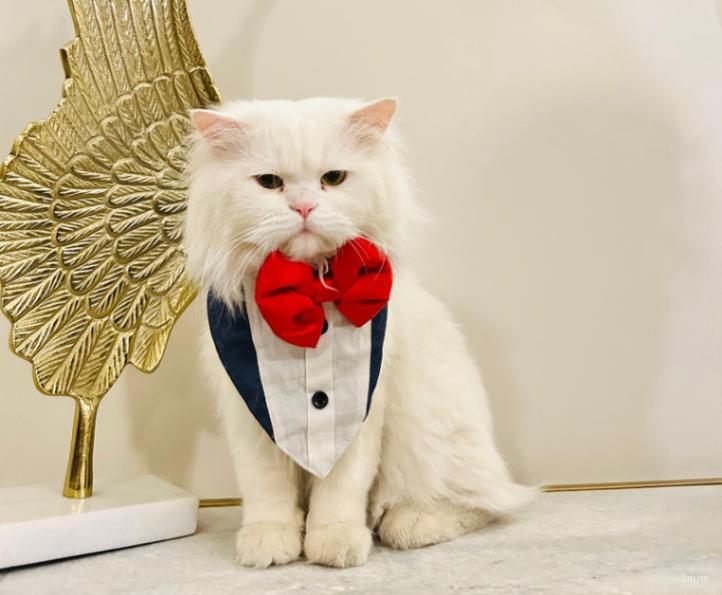
The Persian Cat is one of the most recognizable cat breeds, known for its long, luxurious coat, expressive eyes, flat facial appearance, and calm, affectionate personality. Persian cats are popular companion pets and are generally suited to indoor living, where they can enjoy a comfortable and peaceful environment.
Persian cats are known for being gentle, affectionate, calm, quiet, adaptable, and people-oriented. They generally enjoy spending time with their families but are often less demanding and energetic than many other cat breeds.
Because of their long coat and distinctive facial structure, Persian cats require more grooming and routine care than many short-haired breeds. Regular brushing, eye cleaning, dental care, weight management, and veterinary check-ups are important for keeping them healthy and comfortable.
Persian Cat Appearance
Persian cats have a distinctive appearance characterized by a rounded head, large expressive eyes, small ears, short muzzle, compact body, and long flowing coat.
Common physical characteristics include:
- Medium-sized, compact body
- Rounded head
- Large, expressive eyes
- Small, rounded ears
- Short muzzle
- Short, thick neck
- Short, sturdy legs
- Large, rounded paws
- Long, fluffy tail
- Long, dense coat
Persian cats are available in many coat colors and patterns, including white, black, cream, blue, red, chocolate, lilac, tabby, calico, tortoiseshell, and colourpoint varieties.
Persian Cat Temperament
The Persian cat temperament is generally calm, gentle, affectionate, quiet, and easygoing. They often enjoy relaxing near their owners and can form strong bonds with their families.
Persian cats are usually not as active or demanding as highly energetic breeds. They often prefer a peaceful home where they can rest, observe their surroundings, and receive affection from their owners.
Are Persian Cats Good Family Pets?
Yes, Persian cats can make excellent family pets. Their calm and affectionate personality makes them suitable for many households.
They generally do best in homes where they can enjoy a quiet environment, gentle handling, regular grooming, and plenty of companionship.
Are Persian Cats Good with Children?
Persian cats can live comfortably with children when properly socialized and treated gently. Their calm personality can make them suitable companions for families.
Young children should be supervised around them and taught not to pull their fur, tail, or ears or disturb them while they are resting.
Persian Cat Intelligence and Training
Persian cats are intelligent and can learn household routines, litter-box habits, feeding schedules, and simple commands. They are generally more interested in companionship than intensive training.
Positive reinforcement can be used to teach:
- Litter-box habits
- Basic handling
- Carrier training
- Grooming routines
- Simple tricks
- Household boundaries
Early training can make grooming, nail trimming, veterinary visits, and transportation easier throughout the cat's life.
Persian Cat Exercise Requirements
Persian cats generally have low to moderate exercise requirements. They benefit from short periods of interactive play and regular opportunities to explore their environment.
Suitable activities include:
- Interactive wand toys
- Gentle chase games
- Cat tunnels
- Puzzle feeders
- Climbing structures
- Short play sessions
Regular play is important even for a calm Persian cat because it helps maintain healthy body weight, muscle tone, and mental stimulation.
Can Persian Cats Live in Apartments?
Yes, Persian cats are generally well suited to apartment living. Their calm temperament and relatively low exercise requirements allow them to adapt well to indoor environments.
An indoor Persian cat should still have access to scratching posts, toys, comfortable resting areas, climbing opportunities, and regular interaction with its family.
Persian Cat Grooming Requirements
Persian cats have long, dense coats that require consistent grooming. Without regular care, their fur can quickly become tangled and matted.
Basic grooming should include:
- Daily brushing
- Regular bathing when necessary
- Routine nail trimming
- Regular ear checks
- Dental care
- Routine eye and facial cleaning
- Regular skin and coat checks
Daily brushing is particularly important for long-haired Persians because mats can form close to the skin and may become uncomfortable or difficult to remove.
Do Persian Cats Shed a Lot?
Yes, Persian cats can shed significantly, particularly during seasonal coat changes. Their long hair can also make loose fur more noticeable around the home.
Regular or daily brushing helps remove loose hair and reduce matting.
Are Persian Cats Hypoallergenic?
No, Persian cats are not considered hypoallergenic. They produce allergens such as dander and proteins found in saliva and other secretions.
People with cat allergies should spend time around Persian cats before deciding to bring one home.
Persian Cat Health
Persian cats can be healthy companions when responsibly bred and provided with appropriate preventive care. However, their distinctive facial structure and long coat can contribute to certain health and grooming concerns.
Potential health concerns include brachycephalic airway problems, dental disease, eye problems, skin conditions, obesity, polycystic kidney disease (PKD), and coat-related issues.
Regular veterinary examinations and appropriate health screening are important, particularly when purchasing a Persian kitten from a breeder.
Are Persian Cats Prone to Breathing Problems?
Persian cats have a short, flat facial structure and may be more susceptible to breathing difficulties than cats with longer muzzles. Heat, humidity, stress, and obesity can make breathing more difficult.
Persistent noisy breathing, open-mouth breathing, excessive panting, or difficulty breathing should be evaluated promptly by a veterinarian.
Are Persian Cats Prone to Eye Problems?
Yes, Persian cats can experience eye problems and excessive tearing because of their facial structure. Regularly keeping the area around the eyes clean can help maintain comfort and hygiene.
Persistent redness, discharge, cloudiness, squinting, or signs of pain should be checked by a veterinarian.
Are Persian Cats Prone to Kidney Disease?
Some Persian cats have an inherited risk of polycystic kidney disease (PKD), a condition in which cysts develop in the kidneys. Responsible breeders can use appropriate genetic screening to reduce the risk of breeding affected cats.
Regular veterinary examinations can also help monitor kidney health.
What Should You Feed a Persian Cat?
A Persian cat should receive a complete and balanced diet appropriate for its age, activity level, and health.
Portion control is important because Persian cats can gain excess weight when their activity level is low. Fresh drinking water should always be available.
Can Persian Cats Become Overweight?
Yes, Persian cats can gain excess weight, particularly when they have a sedentary indoor lifestyle or receive too many calories.
Measured meals, controlled treats, regular play, and monitoring body condition can help maintain a healthy weight.
Persian Cat Socialization
Early socialization helps Persian kittens become comfortable with people, handling, grooming, household sounds, other pets, and veterinary visits.
Gentle and positive experiences during kittenhood can make grooming and routine healthcare considerably easier as the cat grows.
Are Persian Cats Good with Other Pets?
Persian cats can live with other cats and compatible dogs when properly introduced. Their generally calm personality can make them suitable for multi-pet households.
Introductions should be gradual and supervised, with each pet provided with a safe space to retreat.
Are Persian Cats Affectionate?
Yes, Persian cats are generally affectionate and enjoy spending time with their owners. Many prefer sitting beside or near their family rather than constantly demanding attention.
Their affectionate nature is often combined with a calm and relaxed personality.
Do Persian Cats Meow a Lot?
Persian cats are generally quieter than many highly vocal cat breeds. They may use soft meows and other vocalizations to communicate with their owners, but individual personalities vary.
Sudden changes in vocalization should be discussed with a veterinarian if accompanied by other behavioral or health changes.
Are Persian Cats Good Indoor Cats?
Yes, Persian cats are particularly well suited to indoor living. Keeping them indoors also helps protect their long coat, eyes, skin, and overall health from outdoor hazards.
Indoor enrichment such as scratching posts, toys, climbing areas, and interactive play is important for their physical and mental wellbeing.
Can Persian Cats Be Left Alone?
Persian cats can spend some time alone, but they generally benefit from companionship and interaction. Long periods of isolation may lead to boredom or stress in some cats.
Providing comfortable resting areas, toys, puzzle feeders, and a predictable routine can help when owners are away.
How Long Do Persian Cats Live?
Persian cats commonly live around 12 to 15 years, although individual lifespan varies depending on genetics, responsible breeding, nutrition, preventive veterinary care, weight management, and overall health.
Persian Cat Price in India
The Persian cat price in India varies depending on pedigree, breeder reputation, bloodline, facial type, coat quality, health screening, age, location, and availability.
As a general estimate, a Persian kitten in India may cost approximately ₹10,000 to ₹50,000 or more.
Pedigree kittens from responsible breeders with documented health screening and appropriate veterinary care may cost more.
Prospective owners should consider vaccination records, parental health, genetic screening, living conditions, and responsible breeding practices rather than choosing a kitten based solely on price.
Persian Cat Monthly Maintenance Cost in India
The estimated Persian cat monthly maintenance cost in India can range from approximately ₹3,000 to ₹7,000 or more, depending on food, litter, grooming, veterinary care, parasite prevention, dental care, and lifestyle.
Regular expenses may include:
- Quality cat food
- Cat litter
- Routine veterinary care
- Vaccinations
- Deworming
- Parasite prevention
- Professional grooming
- Dental care
- Eye and ear care
- Toys and enrichment
Veterinary and grooming costs can be higher if the cat develops recurring eye, skin, respiratory, dental, or kidney-related problems.
Can Persian Cats Live in India's Climate?
Persian cats can live in India, but hot and humid weather requires careful management. Their long coat and short facial structure can make them more vulnerable to heat stress.
They should have access to fresh water, shade, good ventilation, and a cool indoor environment. During very hot weather, keeping them indoors in a well-cooled area is preferable.
Do Persian Cats Need Air Conditioning in India?
In regions with very hot summers, air conditioning or another reliable cooling system can be particularly helpful for Persian cats. A cool indoor environment can reduce heat stress, especially because of their long coat and short muzzle.
Fresh water and good ventilation should also be provided.
Are Persian Cats High-Maintenance?
Yes, Persian cats can be considered high-maintenance compared with many other cat breeds. Their long coat requires frequent grooming, while their eyes, facial area, ears, teeth, and skin also need regular attention.
Owners should be prepared to make grooming and preventive healthcare part of their regular routine.
How Often Should a Persian Cat Be Groomed?
A Persian cat should ideally be brushed daily to prevent tangles and mats. Regular bathing may also be necessary depending on coat condition, lifestyle, and grooming routine.
Professional grooming can be useful for maintaining a manageable coat, especially if the owner prefers a shorter trim.
How Do You Prevent Mats in a Persian Cat?
Regular daily brushing is the most effective way to prevent mats. Pay particular attention to areas behind the ears, around the neck, under the legs, chest, and belly.
Mats that are close to the skin should not be pulled aggressively. Severe matting may require professional grooming or veterinary assistance.
Are Persian Cats Good for Families in India?
Yes, Persian cats can be suitable for Indian families, especially those looking for a calm indoor companion. Families should be prepared for regular grooming, eye and dental care, litter-box maintenance, and careful heat management.
In warmer regions, a cool indoor environment is particularly important.
Final Thoughts
The Persian cat is a calm, affectionate, gentle, and beautiful companion known for its luxurious coat and distinctive facial features. Its relaxed personality makes it well suited to indoor living and quieter households.
For prospective owners in India, it is important to consider both the Persian cat price in India and the ongoing costs associated with quality nutrition, litter, grooming, eye and dental care, veterinary visits, and heat management.
With responsible breeding, regular grooming, appropriate nutrition, preventive veterinary care, daily enrichment, and a cool and comfortable indoor environment, a Persian cat can be a loving companion for many years.
Care Requirements
Compatibility
Available Colors
Health Considerations
- Polycystic Kidney Disease
- Brachycephalic Airway Syndrome
- Epiphora
- Entropion
- Progressive Retinal Atrophy
- Dental malocclusion
- Hypertrophic Cardiomyopathy
Fun Facts
- A Persian won "Best in Show" at the world's first organized cat show, held at London's Crystal Palace in 1871.
- A massive 1891 oil painting titled My Wife's Lovers, featuring 42 Persians and Angoras, sold for over $820,000 in 2015.
Frequently Asked Questions
Common questions about the Persian breed.
What is a Persian cat?
The Persian cat is a long-haired companion breed known for its luxurious coat, large expressive eyes, distinctive short muzzle, calm personality, and affectionate nature. Persian cats generally prefer quiet indoor environments.
How much does a Persian cat cost in India?
The Persian cat price in India varies depending on pedigree, breeder reputation, bloodline, facial type, coat quality, health screening, age, location, and availability. A Persian kitten may typically cost around ₹10,000 to ₹50,000 or more.
Are Persian cats good pets?
Yes, Persian cats can make excellent pets for calm households. They are generally gentle, quiet, affectionate, and adaptable, but they require significant grooming and routine health care.
Are Persian cats good family pets?
Persian cats can be good family pets, particularly in calm households. They generally prefer gentle handling and a peaceful environment rather than rough or highly energetic play.
Are Persian cats good with children?
Persian cats can live well with older, gentle children who understand how to handle cats respectfully. Young children should be supervised because Persians generally prefer calm interactions.
Are Persian cats good with other pets?
Persian cats can coexist with other cats and friendly, calm dogs when introduced gradually and carefully. They may not enjoy rough play or being chased.
Are Persian cats affectionate?
Yes, Persian cats are generally affectionate and enjoy gentle attention from their owners. Many prefer sitting beside or on their owners rather than engaging in constant energetic play.
Are Persian cats intelligent?
Persian cats are intelligent and can learn household routines, litter-box habits, grooming routines, and simple cues. They are generally calm rather than highly active or demanding.
Are Persian cats easy to train?
Persian cats can learn basic routines and behaviors through patience and positive reinforcement. Training them to accept grooming, nail trimming, carriers, and veterinary handling from a young age is particularly useful.
How much exercise does a Persian cat need?
Persian cats generally have low to moderate exercise needs. Short interactive play sessions, toys, scratching posts, and gentle activities can help keep them physically and mentally stimulated.
Can Persian cats live in apartments?
Yes, Persian cats are well suited to indoor and apartment living. They generally prefer calm environments and do not require extensive space, but they still need daily play, enrichment, comfortable resting areas, and scratching opportunities.
Do Persian cats shed a lot?
Yes, Persian cats can shed considerably because of their long, dense coat. Daily brushing helps remove loose hair, reduce matting, and minimize hairballs.
Are Persian cats hypoallergenic?
No, Persian cats are not considered hypoallergenic. They produce allergens such as dander and proteins present in saliva and other secretions.
How often should a Persian cat be groomed?
Persian cats should ideally be brushed and combed every day because their long coat can tangle and mat quickly. Regular bathing, nail trimming, ear care, dental care, and facial cleaning are also important.
Do Persian cats need professional grooming?
Many Persian cats benefit from professional grooming, particularly when their coat becomes difficult to maintain or develops severe mats. Regular grooming at home remains essential even when professional grooming is used.
How do I prevent mats in a Persian cat?
Daily combing and brushing are the best ways to prevent mats. Pay particular attention to the chest, neck, belly, legs, and areas behind the ears. Severe mats should be handled by a professional groomer or veterinarian rather than pulled out.
How often should a Persian cat be bathed?
Persian cats may benefit from regular bathing depending on their coat condition, lifestyle, and grooming routine. Establishing a bathing routine early can make grooming easier, and a veterinarian or professional groomer can recommend an appropriate schedule.
Why do Persian cats get tear stains?
Persian cats can experience excessive tearing because of their facial structure and shortened tear drainage pathways. Moisture around the eyes can cause visible staining and skin irritation. Gentle daily cleaning and veterinary evaluation of persistent tearing are recommended.
Are Persian cats prone to eye problems?
Yes, Persian cats can be predisposed to eye problems and excessive tearing because of their facial structure. Redness, cloudiness, squinting, swelling, pain, or unusual discharge should be evaluated by a veterinarian.
Are Persian cats prone to breathing problems?
Some Persian cats, particularly those with very flat faces, can experience breathing difficulties because of their brachycephalic facial structure. Heat, humidity, obesity, and stress can worsen breathing problems.
Can Persian cats tolerate hot weather?
Persian cats can be sensitive to hot weather because of their long coat and shortened facial structure. During extreme heat, they should stay in a cool, well-ventilated indoor environment with access to fresh water.
Do Persian cats need air conditioning in India?
Air conditioning or another reliable cooling system can be particularly helpful for Persian cats during India's extreme summer heat. Keeping the cat cool is important because their long coat and flat facial structure can increase heat-related risks.
What health problems do Persian cats have?
Persian cats can be predisposed to breathing difficulties, eye problems, dental issues, skin and coat disorders, obesity, polycystic kidney disease, and certain inherited conditions. Responsible breeding and regular veterinary care are important.
Are Persian cats prone to polycystic kidney disease?
Yes, polycystic kidney disease (PKD) is an inherited condition associated with Persian cats. Prospective owners should ask breeders about appropriate genetic screening of breeding cats.
Should Persian cats be tested for PKD?
Genetic screening for PKD is important when breeding Persian cats because the condition can be inherited. Prospective owners should ask responsible breeders for health and genetic testing information for the parents.
Are Persian cats prone to dental problems?
Yes, Persian cats can be prone to dental problems, partly because their shortened facial structure can result in crowded or misaligned teeth. Regular dental care and veterinary examinations can help maintain oral health.
What should I feed a Persian cat?
A Persian cat should receive a complete and balanced diet appropriate for its age, activity level, and health. Portion control is important because indoor Persian cats can gain weight if they consume more calories than they use.
Can Persian cats become overweight?
Yes, Persian cats can gain excess weight because they generally have a calm lifestyle and relatively low activity levels. Measured meals, controlled treats, regular play, and monitoring body condition can help prevent obesity.
Are Persian cats indoor cats?
Persian cats are particularly well suited to indoor living. Keeping them indoors also reduces exposure to outdoor hazards while allowing owners to better control their environment, temperature, grooming, and healthcare.
Do Persian cats like to play?
Persian cats generally enjoy gentle and short play sessions. They may prefer interactive toys, teaser toys, balls, and relaxed games rather than prolonged or highly energetic activity.
Do Persian cats climb a lot?
Persian cats are generally less interested in high climbing than many more active cat breeds. They often prefer comfortable ground-level beds, sofas, window perches, and quiet resting areas.
Do Persian cats meow a lot?
Persian cats are generally relatively quiet and often communicate using soft, gentle vocalizations. Individual cats can vary, and a sudden change in vocalization may warrant veterinary attention if accompanied by other symptoms.
Are Persian cats aggressive?
Persian cats are generally not aggressive and are known for their gentle, calm temperament. However, individual behavior depends on genetics, socialization, environment, and how the cat is handled.
Are Persian cats good for first-time cat owners?
Persian cats can be suitable for first-time cat owners who are prepared for their high grooming and routine-care needs. Owners should be comfortable with daily brushing, eye cleaning, dental care, and regular veterinary check-ups.
Can Persian cats be left alone?
Persian cats can spend some time alone, but they generally benefit from companionship and a stable routine. Long periods of isolation may lead to boredom or stress, so enrichment and interaction are important.
How long do Persian cats live?
Persian cat lifespan varies between individuals and sources, but many healthy Persians can live into their early to mid-teens. Genetics, responsible breeding, nutrition, preventive veterinary care, and management of breed-related health risks all influence lifespan.
Are Persian cats good with dogs?
Persian cats can live successfully with calm, cat-friendly dogs when introductions are gradual and supervised. Dogs should not be allowed to chase or play roughly with the cat.
Are Persian cats high-maintenance?
Yes, Persian cats are considered relatively high-maintenance because their long coat requires daily grooming. Their facial structure also means that eye, skin, dental, and respiratory health may require additional attention.
What colors do Persian cats come in?
Persian cats are available in many colors and patterns, including white, black, blue, cream, red, chocolate, lilac, silver, golden, tortoiseshell, calico, tabby, shaded, smoke, and colourpoint varieties.
Are Persian cats good for senior citizens?
Persian cats can be suitable for senior citizens who prefer a calm and affectionate indoor companion. However, owners need to be able to manage daily grooming, litter care, feeding, and routine veterinary needs.
Are Persian cats good for Indian families?
Yes, Persian cats can be suitable for Indian families, especially those that can provide a calm indoor environment and consistent grooming. During India's hot summers, reliable cooling and careful heat management are particularly important.
What is the monthly maintenance cost of a Persian cat in India?
The estimated Persian cat monthly maintenance cost in India can range from approximately ₹3,000 to ₹7,000 or more, depending on food, litter, grooming, veterinary care, parasite prevention, dental care, and lifestyle.
Are Persian cats good for busy households?
Persian cats generally prefer calm and predictable environments. They may not be the best choice for very noisy or chaotic households, particularly if there is frequent rough handling or little time available for grooming.
How often should I clean a Persian cat's eyes?
The eye area of a Persian cat often benefits from gentle daily cleaning because their facial structure can cause increased tearing. Use a clean, soft cloth and seek veterinary advice before using any medicated or chemical eye products.
What kind of owner is best for a Persian cat?
A Persian cat is best suited to an owner or family that wants a calm indoor companion and can commit to daily grooming, regular eye and dental care, appropriate nutrition, veterinary check-ups, and careful management of hot weather.