Norwegian Forest
Last Updated:
The Norwegian Forest cat is a large, fluffy, and strong breed known for its thick double coat and bushy tail. Popular for its majestic appearance, this cat is intelligent, independent, and well-suited for colder climates. It is a loyal and adaptable companion for experienced pet owners.
Height
10 - 12 Inches
Intelligence
High
Lifespan
12 - 16 years
Weight
4 - 8 Kg
Temperament
About
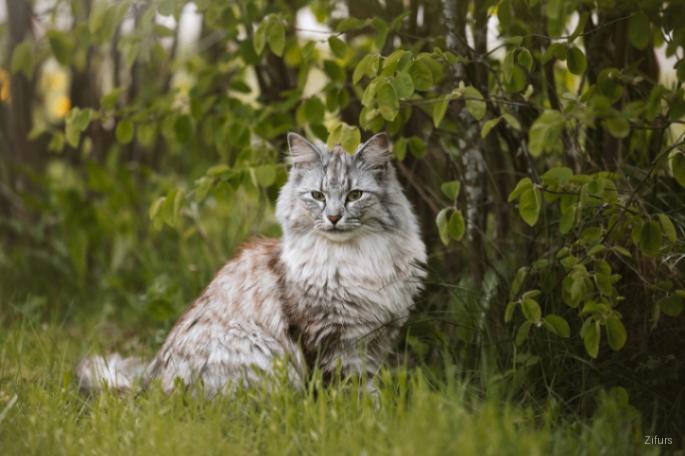
The Norwegian Forest Cat is a large, majestic cat breed originally developed in Norway and naturally adapted to cold climates. Known for its long, water-resistant double coat, tufted ears, bushy tail, and sturdy body, this breed combines a rugged appearance with a gentle and affectionate personality.
Norwegian Forest Cats are known for being intelligent, friendly, independent, affectionate, adaptable, and playful. They often form strong bonds with their families while maintaining a calm and independent nature. Although they enjoy companionship, they generally do not demand constant attention and can be comfortable spending some time on their own.
This breed is moderately active and enjoys climbing, exploring, and interactive play. Their large size and strong climbing ability make vertical spaces particularly important. Their long coat requires regular grooming, especially during seasonal shedding periods.
Norwegian Forest Cat Appearance
The Norwegian Forest Cat has a powerful and athletic body covered by a long, dense double coat designed to protect it from cold and wet weather. Its distinctive mane and bushy tail give it a particularly impressive appearance.
Common physical characteristics of a Norwegian Forest Cat include:
- Large, muscular body
- Strong bone structure
- Long, dense double coat
- Triangular-shaped head
- Large, expressive eyes
- Large ears with furnishings and tufts
- Long, bushy tail
- Tufted paws
- Prominent neck ruff or mane
The breed comes in a wide range of colors and patterns, giving individual Norwegian Forest Cats considerable variation in appearance.
Norwegian Forest Cat Temperament
The Norwegian Forest Cat temperament is generally gentle, friendly, intelligent, confident, and adaptable. These cats often enjoy spending time with their families while maintaining a degree of independence.
They are usually playful without being excessively demanding and can form strong bonds with their owners. Their calm nature can make them suitable companions for households looking for a large but relatively easy-going cat.
Are Norwegian Forest Cats Good Family Pets?
Yes, Norwegian Forest Cats can make excellent family pets. Their friendly, gentle, and adaptable personality allows them to fit into a variety of households.
They generally enjoy family interaction while also being comfortable relaxing independently. Their size and calm temperament can make them impressive yet manageable companions for families.
Are Norwegian Forest Cats Good with Children?
Norwegian Forest Cats can get along well with children when properly socialized and treated respectfully. Their generally patient and friendly personality can make them suitable family companions.
Children should be taught to handle cats gently and respect their space, especially when the cat is eating, sleeping, or resting.
Norwegian Forest Cat Intelligence and Training
Norwegian Forest Cats are intelligent and curious and can learn household routines, interactive games, and simple training exercises. Positive reinforcement can be used to encourage desirable behaviors.
Mental stimulation can include:
- Puzzle feeders
- Interactive toys
- Clicker training
- Food-based games
- Fetch
- Climbing activities
- Interactive play
Short training sessions can help keep these intelligent cats mentally stimulated and engaged.
Norwegian Forest Cat Exercise Requirements
Norwegian Forest Cats are moderately active and enjoy climbing, jumping, exploring, and playing. Their strong bodies and natural climbing ability mean they benefit from plenty of vertical space.
Suitable activities include:
- Cat trees
- Interactive wand toys
- Scratching posts
- Climbing shelves
- Chasing games
- Puzzle toys
- Interactive feeders
Providing sturdy climbing structures is particularly important because of the breed's large size and natural preference for elevated spaces.
Can Norwegian Forest Cats Live in Apartments?
Yes, Norwegian Forest Cats can adapt to apartment living when their physical and mental needs are met. However, their large size means they need sturdy furniture, cat trees, scratching posts, and enough vertical space.
Daily play and enrichment can help keep an indoor Norwegian Forest Cat physically active and mentally engaged.
Norwegian Forest Cat Grooming Requirements
Norwegian Forest Cats have a long, dense double coat that requires regular grooming. Their coat can become tangled or matted if grooming is neglected, particularly around the chest, belly, legs, and tail.
Basic grooming should include:
- Regular brushing several times a week
- More frequent brushing during shedding seasons
- Bathing when necessary
- Nail trimming
- Ear cleaning
- Dental care
Regular grooming also helps reduce the amount of loose hair around the home and allows owners to monitor the skin and coat for abnormalities.
Do Norwegian Forest Cats Shed a Lot?
Yes, Norwegian Forest Cats can shed considerably, particularly during seasonal coat changes. Their dense double coat produces a noticeable amount of loose hair during heavier shedding periods.
Regular brushing can help remove loose fur, reduce tangles, and keep the coat healthy.
Are Norwegian Forest Cats Hypoallergenic?
No, Norwegian Forest Cats are not considered hypoallergenic. Their long coat and shedding can spread allergens, while cat allergens are also present in dander and saliva.
People with cat allergies should spend time around a Norwegian Forest Cat before deciding to bring one home.
Norwegian Forest Cat Health
Norwegian Forest Cats require regular veterinary examinations, vaccinations, parasite prevention, dental care, balanced nutrition, and appropriate weight management.
Like other pedigree breeds, they can be predisposed to certain inherited health conditions. Responsible breeders should use appropriate health screening, while regular veterinary check-ups can help detect potential problems early.
Owners should monitor their cat's weight, mobility, appetite, dental health, coat condition, and general behavior throughout its life.
What Should You Feed a Norwegian Forest Cat?
A Norwegian Forest Cat should receive a complete and balanced diet appropriate for its age, size, activity level, and individual health requirements.
Because this is a large breed, appropriate portion control is important for maintaining healthy growth and body weight. Kittens, adults, and senior cats have different nutritional requirements.
Fresh drinking water should always be available.
Norwegian Forest Cat Socialization
Early socialization can help Norwegian Forest Cat kittens become comfortable with different people, household sounds, handling, grooming, and appropriately introduced pets.
Positive experiences during kittenhood can help them develop into confident and adaptable adult cats.
Are Norwegian Forest Cats Good with Other Pets?
Norwegian Forest Cats can generally live with other cats and cat-friendly dogs when introduced gradually and appropriately. Their adaptable and generally friendly temperament can make them suitable for multi-pet households.
Introductions should be gradual and supervised, with each pet having access to its own food, water, litter, and resting areas.
Are Norwegian Forest Cats Affectionate?
Yes, Norwegian Forest Cats are generally affectionate but can also be independent. Many enjoy staying near their owners, following family members around the home, or relaxing beside them.
They may not always demand to be held or carried and often prefer showing affection through companionship.
Are Norwegian Forest Cats Vocal?
Norwegian Forest Cats are generally not considered excessively vocal. They may communicate with soft meows, chirps, and other sounds, but their vocalization level varies between individual cats.
Their relatively quiet nature can make them suitable for households that prefer a calmer companion.
Are Norwegian Forest Cats Good for First-Time Cat Owners?
Norwegian Forest Cats can be suitable for first-time cat owners who are prepared to manage a large breed's grooming, nutrition, exercise, and veterinary needs.
Their generally calm and adaptable personality can make them manageable, but owners should be prepared for regular coat care and the space required for a large cat.
Do Norwegian Forest Cats Need a Lot of Attention?
Norwegian Forest Cats generally enjoy human companionship but are relatively independent compared with some highly social breeds. They can entertain themselves for periods of time when provided with suitable toys and enrichment.
Daily interaction, play, and mental stimulation are still important for maintaining their physical and emotional wellbeing.
How Long Do Norwegian Forest Cats Live?
Norwegian Forest Cats can commonly live around 12 to 16 years or more with appropriate nutrition, preventive veterinary care, a safe indoor environment, and a healthy lifestyle. Individual lifespan varies depending on genetics, healthcare, diet, and overall wellbeing.
Norwegian Forest Cat Price in India
The Norwegian Forest Cat price in India can vary depending on pedigree, breeder reputation, lineage, health screening, coat quality, location, age, and availability.
As a general estimate, a Norwegian Forest Cat kitten in India may cost approximately ₹40,000 to ₹1,00,000 or more.
Imported or exceptionally well-bred kittens may cost considerably more because of transportation, documentation, and limited availability.
Prospective owners should consider health records, vaccination history, parental health, kitten socialization, living conditions, and responsible breeding practices rather than choosing a kitten based solely on price.
Norwegian Forest Cat Monthly Maintenance Cost in India
The estimated Norwegian Forest Cat monthly maintenance cost in India can range from approximately ₹4,000 to ₹8,000 or more, depending on food, litter, healthcare, grooming, preventive treatments, toys, and lifestyle.
Regular expenses may include:
- Quality cat food
- Cat litter
- Routine veterinary care
- Vaccinations
- Parasite prevention
- Grooming supplies
- Dental care
- Toys and enrichment
- Sturdy climbing equipment
Can Norwegian Forest Cats Live in India's Climate?
Norwegian Forest Cats can live in India, but their thick double coat requires extra care during hot weather. Owners should provide a cool indoor environment, fresh water, good ventilation, and access to shaded resting areas.
During periods of extreme heat, air conditioning or other effective cooling may be necessary, particularly in hotter regions of India. Exercise and play should preferably take place during cooler parts of the day.
Are Norwegian Forest Cats High-Maintenance?
Norwegian Forest Cats have moderate grooming requirements because of their long double coat. Regular brushing is important, especially during shedding seasons.
Their exercise and enrichment needs are manageable, but owners should also provide enough space and sturdy climbing structures to accommodate their large size.
Why Do Norwegian Forest Cats Have Long Fur?
The Norwegian Forest Cat developed naturally in the cold climate of Norway. Its long, dense double coat provides insulation and protection from cold and wet weather, while its tufted paws and bushy tail provide additional protection against harsh conditions.
Do Norwegian Forest Cats Like to Climb?
Yes, Norwegian Forest Cats are strong climbers and often enjoy elevated spaces. Providing tall, sturdy cat trees, shelves, and secure climbing areas can help satisfy this natural behavior.
Because of their large size, all climbing structures should be stable and strong enough to safely support them.
Final Thoughts
The Norwegian Forest Cat is a large, intelligent, affectionate, and adaptable breed known for its impressive double coat, bushy tail, tufted ears, and strong climbing ability. Despite its rugged appearance, it is generally gentle and easy-going with its family.
For prospective owners in India, it is important to consider both the Norwegian Forest Cat price in India and ongoing costs for food, litter, healthcare, grooming, enrichment, and cooling during hot weather.
With a balanced diet, regular veterinary care, consistent grooming, daily play, appropriate climbing opportunities, and a comfortable indoor environment, the Norwegian Forest Cat can be a loyal and rewarding companion for individuals and families.
Care Requirements
Compatibility
Available Colors
Health Considerations
- Hypertrophic cardiomyopathy
- Hip Dysplasia
- Glycogen Storage Disease
Fun Facts
- Norwegian Forest cats take up to 3–5 years to fully mature - longer than most breeds.
- Norwegian Forest are considered one of Norway’s national cat breeds, symbolizing strength and survival.
Frequently Asked Questions
Common questions about the Norwegian Forest breed.
What is a Norwegian Forest Cat?
The Norwegian Forest Cat is a large, sturdy natural cat breed from Norway, known for its long water-resistant double coat, bushy tail, tufted ears, strong climbing ability, and gentle personality.
How much does a Norwegian Forest Cat cost in India?
The Norwegian Forest Cat price in India can vary depending on pedigree, breeder reputation, lineage, health screening, location, coat quality, age, and availability. A kitten may typically cost around ₹40,000 to ₹1,00,000 or more.
Are Norwegian Forest Cats good family pets?
Yes, Norwegian Forest Cats can make excellent family pets. They are generally gentle, friendly, adaptable, intelligent, and affectionate while still maintaining an independent personality.
Are Norwegian Forest Cats good with children?
Yes, Norwegian Forest Cats are generally good with children when properly socialized and treated respectfully. Their gentle and patient temperament can make them suitable family companions.
Are Norwegian Forest Cats good with other pets?
Yes, Norwegian Forest Cats can generally get along well with other cats and cat-friendly dogs. Their friendly and adaptable nature can make them suitable for multi-pet households when introductions are gradual.
Are Norwegian Forest Cats affectionate?
Norwegian Forest Cats are generally affectionate and enjoy staying close to their families. They may follow their owners around the home and participate in family activities, although they are not usually clingy.
Are Norwegian Forest Cats lap cats?
Some Norwegian Forest Cats enjoy sitting on laps, but many prefer staying beside their owners or nearby rather than being held for long periods. They tend to show affection through companionship while maintaining their independence.
Are Norwegian Forest Cats easy to train?
Norwegian Forest Cats are intelligent and can learn household routines, simple tricks, interactive games, and desirable behaviors through positive reinforcement. Puzzle toys and training can provide useful mental stimulation.
How much exercise does a Norwegian Forest Cat need?
Norwegian Forest Cats have moderate activity needs and enjoy climbing, jumping, chasing toys, and exploring. Daily interactive play and access to sturdy climbing structures can help meet their physical and mental needs.
Can Norwegian Forest Cats live in apartments?
Yes, Norwegian Forest Cats can adapt to apartment living if they receive sufficient exercise and enrichment. Because they are large and enjoy climbing, they should have sturdy cat trees, scratching posts, and safe vertical spaces.
Do Norwegian Forest Cats shed a lot?
Norwegian Forest Cats have a dense double coat and can shed heavily during seasonal coat changes. Regular combing helps remove loose fur, reduce tangles, and maintain coat health.
How often should a Norwegian Forest Cat be groomed?
Weekly combing is generally sufficient for much of the year, although grooming may need to increase during heavy seasonal shedding. Areas prone to tangling should receive additional attention.
Are Norwegian Forest Cats hypoallergenic?
No, Norwegian Forest Cats are not considered hypoallergenic. Their long coat can shed hair and carry allergens, while cat allergens are also present in dander and saliva.
Are Norwegian Forest Cats vocal?
Norwegian Forest Cats are generally not excessively vocal. They may communicate using soft meows, chirps, and other sounds, particularly when interacting with their owners.
What should I feed a Norwegian Forest Cat?
A Norwegian Forest Cat should receive a complete and balanced diet appropriate for its age, size, activity level, and health requirements. Portion control is important to help maintain a healthy body weight, particularly because this is a large breed.
What is the monthly maintenance cost of a Norwegian Forest Cat in India?
The estimated Norwegian Forest Cat monthly maintenance cost in India can range from approximately ₹4,000 to ₹8,000 or more. Expenses may include food, litter, veterinary care, vaccinations, parasite prevention, grooming, dental care, toys, and enrichment.
How long do Norwegian Forest Cats live?
Norwegian Forest Cats commonly have a lifespan of around 13 to 16 years or more with appropriate nutrition, preventive veterinary care, a safe environment, and responsible breeding.
Are Norwegian Forest Cats suitable for first-time cat owners?
Norwegian Forest Cats can be suitable for first-time cat owners who are prepared for their large size, regular coat care, exercise needs, and veterinary requirements. Their generally gentle and adaptable temperament can make them manageable companions.
Do Norwegian Forest Cats need a lot of attention?
Norwegian Forest Cats enjoy human companionship and family interaction but are relatively independent. They generally do not require constant attention, although they can become lonely if left without companionship for extended periods.
Are Norwegian Forest Cats active cats?
Norwegian Forest Cats have a moderate activity level. They enjoy climbing, jumping, hunting-style games, running, and interactive play, with periods of rest between activities.
Do Norwegian Forest Cats like to climb?
Yes, climbing is one of the breed's natural behaviors. Norwegian Forest Cats have strong bodies and powerful hind legs and often enjoy high places. Providing sturdy cat trees, shelves, and climbing structures is recommended.
What colors do Norwegian Forest Cats come in?
Norwegian Forest Cats come in a wide variety of colors and patterns, including solid colors, tabby patterns, bicolor combinations, and colors with white. Breed standards vary regarding which colors are accepted.
Are Norwegian Forest Cats good indoor cats?
Yes, Norwegian Forest Cats can thrive as indoor cats when provided with adequate enrichment. Cat trees, scratching posts, interactive toys, climbing areas, and regular play can help satisfy their natural hunting and climbing behaviors.
Do Norwegian Forest Cats have health problems?
Norwegian Forest Cats are generally considered a robust breed, but recognized inherited health concerns include hypertrophic cardiomyopathy, glycogen storage disease type IV, and pyruvate kinase deficiency. Responsible breeders should use appropriate health and genetic screening.
Can Norwegian Forest Cats live in India's climate?
Norwegian Forest Cats can live in India, but their dense double coat requires extra care during hot weather. They should have access to a cool indoor environment, fresh water, shade, and good ventilation. During extreme heat, effective cooling may be necessary.
Are Norwegian Forest Cats high-maintenance?
Norwegian Forest Cats have moderate grooming requirements despite their long coat. Weekly combing is generally sufficient, with more frequent grooming during seasonal shedding. Their exercise, nutrition, climbing, and veterinary needs should also be managed appropriately.
When is a Norwegian Forest Cat fully grown?
Norwegian Forest Cats are slow-maturing cats and may take up to around five years to reach full physical maturity. Their large size and substantial build develop gradually.
Why does the Norwegian Forest Cat have a thick coat?
The Norwegian Forest Cat developed in the cold Scandinavian climate, and its dense undercoat and water-resistant outer coat helped protect it from cold and wet conditions. The coat becomes fuller during colder months.