
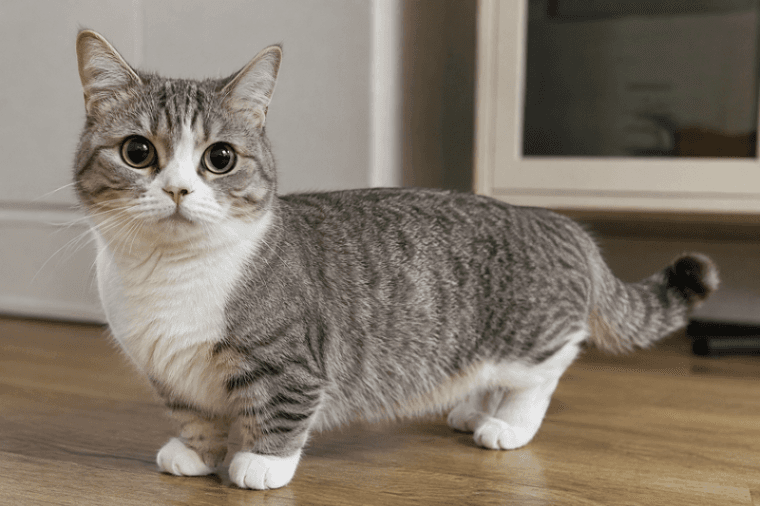
Munchkin
Last Updated:
The Munchkin is a playful, affectionate, and unique cat breed best known for its naturally short legs. Despite their small stature, Munchkins are energetic, intelligent, and agile cats that love exploring, playing, and spending time with their families.
Height
5 - 7 Inches
Intelligence
High
Lifespan
12 - 15 Years
Weight
2 - 4 Kg
Temperament
About
The Munchkin is one of the most recognizable and unique cat breeds in the world, best known for its unusually short legs. This distinctive feature is caused by a naturally occurring genetic mutation that affects the development of the long bones in the legs. Despite their small stature, Munchkin cats are active, playful, curious, and affectionate companions that often surprise people with their speed and agility.
The breed gained recognition in the United States during the 1990s and quickly attracted attention because of its unusual appearance and lively personality. While their short legs give them a different appearance from most other cats, Munchkins generally behave like active, playful cats and enjoy exploring their surroundings, interacting with people, and participating in family activities.
Munchkin Cat Appearance
Munchkin cats typically have a medium-sized body with noticeably short legs. Their head is proportionate to their body and they usually have expressive eyes and a friendly facial expression. Their body can appear longer because of their shorter legs, giving them a distinctive appearance.
Munchkins can have either short or long coats, and the breed is available in a wide variety of colors and patterns. Their coat may be solid, tabby, tortoiseshell, bicolor, or feature several other combinations. This means that two Munchkin cats can look quite different from each other while still sharing the breed's characteristic short-legged appearance.
Why Do Munchkin Cats Have Short Legs?
The short legs of Munchkin cats are the result of a naturally occurring genetic mutation that affects limb development. The mutation causes the long bones of the legs to be shorter than those of typical cats.
The short-legged appearance is the defining characteristic of the breed, but it does not prevent Munchkins from being active. They can run, chase toys, play, and climb. However, their physical abilities can vary between individual cats, and owners should provide an environment that allows them to move comfortably without forcing them to perform activities that may be difficult for them.
Munchkin Cat Personality and Temperament
Munchkin cats are generally known for their friendly, outgoing, affectionate, and playful personalities. They often enjoy spending time with their owners and can form strong bonds with family members.
They are curious cats that like to investigate their surroundings and participate in household activities. Many Munchkins retain their playful, kitten-like behavior well into adulthood, making them entertaining companions.
Although they can be affectionate, individual Munchkins have different personalities. Some may prefer cuddling and lap time, while others may be more interested in exploring, playing, and interacting with their environment.
Are Munchkin Cats Good Family Pets?
Yes, Munchkin cats can make wonderful family companions when their individual needs are understood. Their social and playful nature can make them suitable for families, couples, and individuals.
They can generally get along well with children when children are taught to handle cats gently and respectfully. Because of their short legs, children should also be discouraged from picking them up repeatedly or encouraging rough play.
Are Munchkin Cats Good With Other Pets?
Munchkins are generally social cats and can adapt well to living with other cats and cat-friendly dogs. Their playful nature may allow them to enjoy having another compatible pet as a companion.
As with any cat, introductions should be gradual and supervised. Providing separate food and water bowls, litter boxes, sleeping areas, and hiding spaces can help reduce stress and make the transition easier.
Munchkin Cat Exercise and Activity Needs
Despite their short legs, Munchkin cats are surprisingly active. They enjoy running, chasing toys, exploring, and playing with their owners. Their shorter legs may limit how high they can jump compared with some other breeds, but they can still move quickly and navigate their surroundings confidently.
Interactive toys, balls, feather toys, puzzle feeders, and scratching posts can provide valuable physical and mental stimulation. Owners can also provide low or medium-height climbing structures that allow their cats to explore without requiring excessive jumping.
Daily play sessions can help maintain muscle tone, provide mental stimulation, and prevent boredom. It is important to allow each Munchkin to determine its own activity level and avoid forcing activities that appear uncomfortable.
Munchkin Cat Grooming
Munchkin grooming requirements depend on whether the cat has a short or long coat. Short-haired Munchkins generally require relatively simple grooming, while long-haired individuals may need more frequent brushing to prevent tangles and remove loose hair.
Regular brushing can help keep the coat clean and healthy while reducing loose hair around the home. Owners should also regularly check the ears, trim the nails when necessary, and maintain good dental hygiene.
Introducing grooming from a young age can help Munchkin cats become comfortable with brushing, nail trimming, and other routine care.
Munchkin Cat Diet and Nutrition
A complete and balanced diet is essential for maintaining a Munchkin cat's muscles, bones, coat, and overall health. Their food should provide appropriate amounts of high-quality protein, healthy fats, vitamins, minerals, and other essential nutrients.
The amount of food a Munchkin requires depends on its age, weight, activity level, health, and the type of food being provided. Portion control is important because maintaining a healthy body weight can help reduce unnecessary strain on their joints and limbs.
Fresh drinking water should always be available. If you are unsure about the appropriate food or feeding quantity for your Munchkin, consult a veterinarian for personalized nutritional guidance.
Munchkin Cat Health
Munchkin cats can be active and healthy, but their distinctive body structure means responsible healthcare and weight management are particularly important. Their short legs result from a genetic mutation, and owners should be aware of potential orthopedic concerns.
Potential health concerns can include joint problems, spinal issues, obesity, and other conditions that can affect cats generally. Not every Munchkin will develop these problems, and individual health can vary considerably.
Maintaining a healthy weight, providing appropriate exercise, avoiding excessive jumping, and scheduling regular veterinary examinations can help support their overall wellbeing. Any signs of pain, difficulty walking, reduced activity, or changes in behavior should be evaluated by a veterinarian.
Munchkin Cat Vaccination and Preventive Care
Routine preventive healthcare is an important part of keeping a Munchkin cat healthy. Vaccinations should be provided according to a veterinarian-recommended schedule based on the cat's age, lifestyle, previous vaccination history, and local disease risks.
Preventive care may include vaccinations, rabies vaccination where appropriate, deworming, flea and tick prevention, dental care, and regular veterinary checkups. Indoor cats can also benefit from appropriate preventive healthcare.
Munchkin Cat Lifespan
A well-cared-for Munchkin cat can typically live for around 12 to 15 years, although individual lifespan can vary depending on genetics, nutrition, healthcare, lifestyle, and overall wellbeing.
Providing a balanced diet, maintaining a healthy body weight, encouraging safe physical activity, and scheduling regular veterinary examinations can help support a long and healthy life.
Munchkin Cat Price in India
The Munchkin cat price in India typically ranges from around ₹2,40,000 to ₹5,50,000. The actual price can vary considerably depending on breeder reputation, bloodline, pedigree, coat type, location, age, and availability.
Because Munchkin cats can be relatively uncommon in some parts of India, availability may also influence pricing. Prospective pet parents should carefully research breeders and ask about health records, vaccination history, deworming, pedigree documentation, and the kitten's overall health before making a purchase.
Munchkin Cat Monthly Maintenance Cost in India
The estimated monthly maintenance cost of a Munchkin cat in India can range from approximately ₹2,000 to ₹8,000, depending on food, litter, grooming, healthcare, toys, and other requirements.
Regular expenses may include nutritious cat food, litter, grooming supplies, toys, preventive healthcare, vaccinations, parasite prevention, and routine veterinary consultations. Unexpected medical treatment can increase the overall cost, so owners should also keep an emergency healthcare budget in mind.
Is a Munchkin Cat Suitable for Apartment Living?
Yes, Munchkin cats can adapt well to apartment living as long as they have enough space for safe movement, play, and exploration. Their shorter legs do not prevent them from being active, but providing an environment that does not require excessive jumping is recommended.
Low climbing platforms, scratching posts, interactive toys, comfortable resting areas, and puzzle feeders can help create an engaging indoor environment. Keeping their food, water, and litter areas easily accessible can also make daily routines more comfortable.
Do Munchkin Cats Have Difficulty Jumping?
Munchkin cats can jump and climb, but their shorter legs generally mean they cannot jump as high as many longer-legged cats. They can still reach furniture and elevated areas by using intermediate surfaces or climbing structures.
Providing steps, low platforms, and appropriately positioned cat furniture can help them access different areas without requiring repeated high jumps.
Are Munchkin Cats Easy to Train?
Munchkin cats are intelligent and curious and can respond well to positive reinforcement training. They may learn simple behaviors, household routines, and interactive games when training is consistent and reward-based.
Short training sessions using treats, praise, or favorite toys are generally more effective than punishment. Training can also provide valuable mental stimulation for this curious breed.
Do Munchkin Cats Need Special Care?
Munchkin cats do not necessarily require complicated care, but their body structure means owners should pay particular attention to weight management and safe movement. Keeping them at a healthy weight can help reduce unnecessary stress on their limbs and joints.
Providing suitable climbing furniture, avoiding excessive high jumps, maintaining regular veterinary care, and monitoring for changes in mobility can help support their wellbeing.
Tips for Taking Care of a Munchkin Cat
Provide your Munchkin with a balanced diet, fresh drinking water, regular grooming, daily play, and plenty of mental stimulation. Use interactive toys and low climbing structures to encourage safe activity and exploration.
Maintaining a healthy body weight is especially important. Monitor food portions and encourage regular activity without forcing your cat to perform physically demanding movements.
Keep vaccinations and parasite prevention up to date, maintain regular dental care and nail trimming, and schedule routine veterinary checkups. If you notice difficulty walking, reduced activity, changes in jumping ability, signs of pain, or unusual behavior, consult a veterinarian.
Final Thoughts
The Munchkin cat is a distinctive breed that combines its characteristic short legs with an energetic, affectionate, and outgoing personality. Despite their unusual appearance, Munchkins can run, play, explore, and interact enthusiastically with their families.
Their friendly nature makes them appealing to families and individuals, while their intelligence and curiosity ensure they remain entertaining companions throughout their lives. However, responsible care should focus on maintaining a healthy weight, providing safe opportunities for exercise, and monitoring their mobility and overall health.
With proper nutrition, grooming, preventive healthcare, mental stimulation, and a safe home environment, a Munchkin can become a loving and playful companion for many years.
Care Requirements
Compatibility
Available Colors
Health Considerations
- Lordosis
- Pectus
- Obesity
- Osteoarthritis
- Joint Problems
Fun Facts
- Munchkins are often called the "Dachshunds of the cat world" because of their short legs.
Frequently Asked Questions
Common questions about the Munchkin breed.
What is a Munchkin cat?
The Munchkin is a distinctive cat breed known for its unusually short legs, which result from a naturally occurring genetic mutation. Despite their short stature, Munchkins are generally playful, curious, social, and affectionate cats.
How much does a Munchkin cat cost in India?
The Munchkin cat price in India typically ranges from ₹2,40,000 to ₹5,50,000. The price can vary depending on breeder reputation, lineage, coat type, location, age, pedigree, and availability.
What is the lifespan of a Munchkin cat?
Munchkin cats can typically live around 12 to 15 years, although individual lifespan can vary depending on genetics, nutrition, healthcare, lifestyle, and overall wellbeing.
Are Munchkin cats good pets?
Yes, Munchkin cats can make affectionate and entertaining pets. They are generally playful, curious, outgoing, and social, making them suitable for families and individuals who can provide regular interaction and enrichment.
Why do Munchkin cats have short legs?
Munchkin cats have short legs because of a naturally occurring genetic mutation that affects the development of the long bones in their legs. This characteristic gives the breed its distinctive appearance.
Are Munchkin cats active?
Yes, Munchkin cats are generally active and playful despite their short legs. They enjoy running, chasing toys, exploring, and interactive play, although they may not jump as high as many longer-legged cats.
Are Munchkin cats good with children?
Munchkin cats can generally get along well with children when properly socialized. Children should be taught to handle them gently and avoid rough play, especially because of their distinctive body structure.
Do Munchkin cats get along with other pets?
Munchkin cats are generally social and can live well with other cats and cat-friendly dogs. Gradual introductions and appropriate supervision can help pets become comfortable with each other.
Do Munchkin cats have health problems?
Munchkin cats can be generally active and healthy, but their short-legged body structure may be associated with orthopedic and mobility concerns. Maintaining a healthy weight and regular veterinary checkups can help support their wellbeing.
Can Munchkin cats jump?
Yes, Munchkin cats can jump, but their shorter legs may limit how high they can jump compared with longer-legged cats. Providing low platforms and accessible climbing structures can make their environment easier to navigate.
Do Munchkin cats need special care?
Munchkin cats do not necessarily require complicated care, but owners should pay particular attention to maintaining a healthy weight and providing safe opportunities for movement. Monitoring mobility and avoiding excessive high jumps can also be beneficial.
How often should a Munchkin cat be groomed?
Short-haired Munchkins generally benefit from weekly brushing, while long-haired Munchkins may need brushing two or more times a week to remove loose hair and prevent tangles.
Do Munchkin cats shed a lot?
Munchkin cats shed regularly, with the amount depending on their coat type. Regular brushing can help remove loose hair and keep both short-haired and long-haired Munchkins' coats healthy.
What do Munchkin cats eat?
Munchkin cats should receive a complete and balanced diet appropriate for their age, weight, activity level, and health. Portion control is particularly important because maintaining a healthy weight can reduce unnecessary stress on their limbs and joints.
Are Munchkin cats affectionate?
Yes, Munchkin cats are generally affectionate and enjoy spending time with their owners. Many are social, attention-seeking, and playful, although individual cats can have different preferences for cuddling and physical affection.
Are Munchkin cats suitable for apartment living?
Yes, Munchkin cats can adapt well to apartment living when provided with enough space for safe movement, interactive toys, scratching posts, and accessible climbing areas. Low platforms can be useful because they may not jump as high as other cats.
Are Munchkin cats easy to train?
Munchkin cats are intelligent and curious and can respond well to positive reinforcement. They can learn simple behaviors and household routines through short training sessions using treats, praise, and toys.
How much does it cost to maintain a Munchkin cat in India?
The estimated monthly maintenance cost of a Munchkin cat in India can range from around ₹2,000 to ₹8,000, depending on food, litter, grooming, healthcare, toys, and other requirements. Unexpected veterinary treatment can cost extra.
Do Munchkin cats need a lot of exercise?
Munchkin cats are playful and benefit from regular exercise and interactive play. Toys, scratching posts, puzzle feeders, and low climbing structures can help them stay active without requiring excessive jumping.
How can I keep my Munchkin cat healthy?
Provide a balanced diet, fresh water, regular grooming, daily play, appropriate weight management, dental care, vaccinations, parasite prevention, and routine veterinary checkups. Monitor for changes in mobility, appetite, weight, or behavior and consult a veterinarian when needed.