
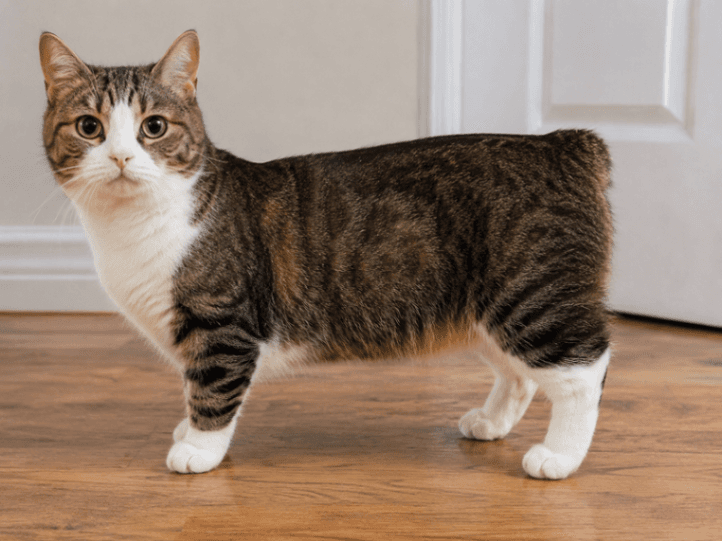
Manx
Last Updated:
The Manx is a unique, intelligent, and affectionate cat breed best known for its naturally shortened or completely absent tail. Originating on the Isle of Man, these playful and loyal cats are admired for their rabbit-like hop, strong hunting instincts, and loving family-oriented nature.
Height
8 - 12 Inches
Intelligence
High
Lifespan
12 - 16 years
Weight
3.5 - 5.5 Kg
Temperament
About
The Manx is one of the world's most distinctive and recognizable cat breeds, best known for its naturally occurring taillessness and rounded, sturdy appearance. Originating on the Isle of Man, an island located in the Irish Sea between Great Britain and Ireland, the Manx has been associated with the island for centuries and is an important part of its cultural heritage.
The breed's most famous characteristic is its missing or shortened tail, which is caused by a naturally occurring genetic mutation. However, not every Manx cat is completely tailless. Depending on their genetics, some may have no visible tail, while others may have a small stump or a longer partial tail. Their unique appearance, combined with their affectionate and intelligent personality, has made the Manx a popular choice among cat enthusiasts.
Manx Cat Appearance
Manx cats are typically medium-sized, muscular, and sturdy, with a rounded body, broad chest, and strong hindquarters. Their head is rounded, their cheeks can appear prominent, and their large eyes contribute to their alert and expressive appearance.
One of the breed's most distinctive physical characteristics is the difference in the length of their hind and front legs. Their powerful hind legs are generally longer than their front legs, giving the Manx a distinctive posture and sometimes a rabbit-like hopping gait when moving quickly.
Manx cats can have either short or long coats depending on the variety. Their coats can appear in a wide range of colors and patterns, making individual cats quite different in appearance while still retaining the breed's characteristic rounded body and tail variations.
Why Are Manx Cats Tailless?
The Manx's tailless appearance is caused by a naturally occurring genetic mutation that affects tail development. The expression of this gene can vary, which is why Manx cats can have different tail lengths.
A completely tailless Manx is commonly referred to as a "rumpy". Other cats may have a small tail stump, while some have a partial or almost full-length tail. These variations are a normal part of the breed's genetics.
Because the same genetic characteristics responsible for the breed's distinctive tail can sometimes be associated with spinal and neurological abnormalities, responsible breeding and veterinary care are particularly important when considering a Manx cat.
Manx Cat Personality and Temperament
Manx cats are known for their affectionate, loyal, intelligent, and playful personalities. They often develop strong bonds with their families and may follow their owners around the house, wanting to participate in everyday activities.
They are generally social cats that enjoy companionship but can also demonstrate an independent side. Their intelligence makes them naturally curious, and they often enjoy exploring their surroundings and investigating new objects or activities.
Many Manx cats retain playful behavior well into adulthood. Their combination of intelligence, affection, and energy makes them engaging companions for families and individuals who enjoy interactive pets.
Are Manx Cats Good Family Pets?
Yes, Manx cats can make excellent family companions when provided with appropriate care and socialization. Their affectionate and loyal nature allows them to form close relationships with family members.
They can generally do well with children when children are taught to handle cats gently and respectfully. As with any breed, young children should be supervised during interactions, and the cat should always have access to a quiet place where it can rest undisturbed.
Are Manx Cats Good With Other Pets?
Manx cats are generally adaptable and can live comfortably with other cats and cat-friendly dogs. Their playful personality can make them enjoy having another compatible animal companion.
Introductions should always be gradual, particularly when bringing a new pet into an established household. Providing separate food and water bowls, litter boxes, resting areas, and hiding spaces can help reduce competition and stress.
Manx Cat Exercise and Activity Needs
Manx cats are active and athletic and benefit from regular physical and mental stimulation. Their powerful hindquarters make them capable jumpers and climbers, so they often enjoy exploring elevated areas and playing interactive games.
Provide interactive toys, scratching posts, puzzle feeders, cat trees, and climbing structures to keep them physically active and mentally engaged. Games that encourage chasing, problem-solving, and hunting behavior can be particularly enjoyable for this intelligent breed.
Because Manx cats can have strong hunting instincts, interactive toys that mimic prey can provide a safe outlet for their natural behaviors. Daily play sessions can also help maintain a healthy weight and prevent boredom.
Manx Cat Grooming
Manx cats can have either short or longer coats, and grooming requirements depend on the individual coat type. Short-haired Manx cats generally require relatively simple grooming, while longer-haired varieties may benefit from more frequent brushing.
Regular brushing helps remove loose hair, reduce shedding, and keep the coat clean and healthy. Owners should also regularly check the ears, trim the nails when necessary, and maintain good dental hygiene.
Introducing grooming from a young age can make brushing, nail trimming, and other routine care easier as the cat grows older.
Manx Cat Diet and Nutrition
A complete and balanced diet is important for supporting the Manx cat's muscles, bones, coat, energy levels, and overall health. Their diet should provide appropriate amounts of high-quality protein, healthy fats, vitamins, minerals, and other essential nutrients.
The amount of food required depends on the cat's age, body weight, activity level, health, and the type of food being provided. Portion control is important because maintaining a healthy weight can reduce unnecessary stress on the spine and joints.
Fresh drinking water should always be available. If you are unsure about the right food or feeding quantity for your Manx cat, consult a veterinarian for individualized nutritional advice.
Manx Cat Health
Manx cats can be healthy and active companions, but their unique genetics mean that responsible healthcare is particularly important. The genetic mutation associated with taillessness can sometimes affect the development of the spine and nerves.
Some Manx cats may be predisposed to conditions collectively referred to as Manx syndrome. Potential problems can include spinal abnormalities, difficulty with movement, urinary issues, or bowel-control problems. Not every Manx cat develops these conditions, and the severity can vary between individuals.
Responsible breeding practices, appropriate genetic consideration, regular veterinary examinations, and careful monitoring of the cat's health can help reduce potential risks. Any signs of difficulty walking, weakness in the hind legs, problems urinating or defecating, or unusual changes in behavior should be evaluated by a veterinarian.
Manx Cat Vaccination and Preventive Care
Routine preventive healthcare is an important part of keeping a Manx cat healthy. Vaccinations should follow a veterinarian-recommended schedule based on the cat's age, lifestyle, vaccination history, and local disease risks.
Preventive care may include vaccinations, rabies vaccination where appropriate, deworming, flea and tick prevention, dental care, and regular veterinary examinations. Even indoor cats can benefit from appropriate preventive healthcare.
Manx Cat Lifespan
With proper nutrition, healthcare, and a healthy lifestyle, Manx cats can commonly live for around 9 to 14 years or longer. Individual lifespan can vary depending on genetics, overall health, diet, lifestyle, and access to veterinary care.
Regular veterinary examinations are particularly valuable for monitoring mobility, neurological function, weight, and other aspects of health. Early identification of potential problems can allow appropriate treatment and management.
Manx Cat Price in India
The Manx cat price in India typically ranges from around ₹40,000 to ₹1,00,000. The actual price can vary depending on breeder reputation, lineage, pedigree, coat type, location, age, and availability.
Because Manx cats can be relatively uncommon in India, availability may also influence pricing. Prospective pet parents should research breeders carefully and ask about health records, vaccination history, deworming, pedigree documentation, and any relevant genetic or veterinary screening.
Manx Cat Monthly Maintenance Cost in India
The estimated monthly maintenance cost of a Manx cat in India can range from approximately ₹3,000 to ₹10,000, depending on food, litter, grooming, healthcare, toys, and other requirements.
Regular expenses may include nutritious cat food, litter, grooming supplies, preventive healthcare, vaccinations, parasite prevention, toys, and routine veterinary consultations. Because unexpected health problems can result in additional veterinary expenses, pet parents should also maintain an emergency healthcare budget.
Is a Manx Cat Suitable for Apartment Living?
Yes, Manx cats can adapt well to apartment living as long as they receive sufficient exercise, attention, and mental stimulation. Their active nature means they benefit from an environment that provides opportunities to climb, play, explore, and interact with their owners.
Cat trees, scratching posts, interactive toys, puzzle feeders, and comfortable resting areas can help create an engaging indoor environment. Providing safe climbing opportunities is particularly useful for this athletic breed.
Do Manx Cats Have Strong Hunting Instincts?
Yes, Manx cats are known for having strong natural hunting instincts. They may enjoy chasing toys, investigating movement, and playing games that mimic hunting behavior.
Interactive toys can provide a safe way to satisfy these instincts while giving the cat valuable physical exercise and mental stimulation. Outdoor access should always be carefully considered because of risks such as traffic, injuries, parasites, and infectious diseases.
Are Manx Cats Easy to Train?
Manx cats are intelligent and curious and can respond well to positive reinforcement training. They may learn simple behaviors, household routines, and interactive games when training is consistent and reward-based.
Short training sessions using treats, praise, or favorite toys can provide mental stimulation while strengthening the relationship between the cat and its owner. Punishment should be avoided because it can create fear and stress.
Do Manx Cats Need Special Care?
While general Manx care is similar to that of other cats, their unique genetics mean owners should pay particular attention to spinal health, mobility, and bathroom habits. Not every Manx develops complications, but early monitoring can help identify potential problems.
Maintaining a healthy body weight, providing appropriate exercise, avoiding unnecessary strain, and scheduling regular veterinary checkups can help support their overall wellbeing.
Tips for Taking Care of a Manx Cat
Provide your Manx cat with a balanced diet, fresh water, regular grooming, daily interactive play, and plenty of mental stimulation. Cat trees, scratching posts, puzzle toys, and interactive games can help keep them physically and mentally active.
Pay particular attention to maintaining a healthy weight and monitor their movement and bathroom habits. Regular dental care, nail trimming, vaccinations, parasite prevention, and veterinary checkups should also be part of their routine care.
If you notice difficulty walking, weakness, changes in tail or hind-leg movement, difficulty urinating or defecating, or other unusual symptoms, consult a veterinarian promptly.
Final Thoughts
The Manx cat is a fascinating breed that combines a distinctive tailless or short-tailed appearance with intelligence, affection, athleticism, and a strong hunting instinct. Originating from the Isle of Man, the breed has a long history and remains one of the most recognizable cats in the world.
Their friendly and loyal personality makes them appealing to families and individuals, while their intelligence and playful nature ensure they remain engaging companions. However, their unique genetics mean that responsible breeding, appropriate veterinary care, and regular health monitoring are particularly important.
With proper nutrition, grooming, exercise, preventive healthcare, and a safe and stimulating home environment, a Manx cat can become a loving and entertaining member of the family for many years.
Care Requirements
Compatibility
Available Colors
Health Considerations
- Manx Syndrome
- Spinal Defects
- Arthritis
- Corneal Dystrophy
- Urinary Problems
Fun Facts
- According to legend, the Manx cat lost its tail when Noah accidentally closed the Ark's door on it as the cat rushed aboard at the last moment.
Frequently Asked Questions
Common questions about the Manx breed.
What is a Manx cat?
The Manx is a distinctive cat breed originating from the Isle of Man and is best known for its naturally occurring taillessness. Manx cats are generally affectionate, intelligent, playful, and devoted companions.
How much does a Manx cat cost in India?
The Manx cat price in India typically ranges from ₹40,000 to ₹1,00,000. The actual price can vary depending on breeder reputation, lineage, pedigree, coat type, location, and availability.
What is the lifespan of a Manx cat?
Manx cats can commonly live for around 9 to 14 years or longer, depending on genetics, nutrition, healthcare, lifestyle, and overall health.
Are Manx cats good pets?
Yes, Manx cats can make excellent pets. They are generally affectionate, intelligent, playful, and loyal and often form strong bonds with their families.
Are all Manx cats completely tailless?
No. Manx cats can have different tail lengths. Some are completely tailless, while others may have a small stump, partial tail, or a full-length tail. These variations are part of the breed's genetics.
Why are Manx cats tailless?
The Manx's taillessness is caused by a naturally occurring genetic mutation that affects tail development. The expression of this gene varies, which is why Manx cats can have different tail lengths.
Are Manx cats good with children?
Manx cats are generally patient, affectionate, and tolerant and can get along well with children. Children should still be taught to handle them gently and respectfully.
Do Manx cats get along with other pets?
Yes, Manx cats are generally social and can adapt well to living with other cats and cat-friendly dogs. Gradual introductions and appropriate supervision can help pets become comfortable with each other.
Are Manx cats active?
Yes, Manx cats are generally active and athletic. They enjoy running, climbing, jumping, exploring, and interactive play. Providing toys, scratching posts, and climbing structures can help meet their activity needs.
Are Manx cats intelligent?
Yes, Manx cats are considered intelligent and curious. They can learn household routines, enjoy interactive games, and may respond well to positive reinforcement training.
Do Manx cats have strong hunting instincts?
Yes, Manx cats are known for their natural hunting instincts and may enjoy chasing toys and playing games that mimic hunting behavior. Interactive toys can provide a safe outlet for these instincts.
What health problems can Manx cats have?
Some Manx cats can be affected by genetic conditions associated with the mutation responsible for taillessness. Potential problems can involve the spine, hind legs, bladder, or colon. Not every Manx cat develops these issues, but responsible breeding and regular veterinary care are important.
What is Manx syndrome?
Manx syndrome refers to a range of health problems that can occur in some tailless Manx cats due to abnormalities involving the spine and nerves. Signs can include hind-leg weakness, urinary problems, or bowel-control issues. A veterinarian should evaluate any concerning symptoms.
How often should a Manx cat be groomed?
Short-haired Manx cats generally need brushing a few times a month, while long-haired Manx cats benefit from weekly combing to remove loose hair and prevent tangles. Grooming needs can vary between individual cats.
Do Manx cats shed a lot?
Manx cats have dense coats and shed regularly. Routine brushing can help remove loose hair, reduce shedding around the home, and keep the coat healthy.
What do Manx cats eat?
Manx cats should receive a complete and balanced diet appropriate for their age, weight, activity level, and health. Portion control is important for maintaining a healthy body weight and reducing unnecessary strain on their joints and spine.
Are Manx cats suitable for apartment living?
Yes, Manx cats can adapt well to apartment living when provided with sufficient exercise, interactive play, climbing opportunities, and mental stimulation. They generally benefit from spending plenty of time with their families.
Are Manx cats easy to train?
Manx cats are intelligent and can respond well to positive reinforcement. Short training sessions using treats, praise, or toys can help them learn simple behaviors and household routines.
How much does it cost to maintain a Manx cat in India?
The estimated monthly maintenance cost of a Manx cat in India can range from around ₹3,000 to ₹10,000, depending on food, litter, grooming, healthcare, toys, and other needs. Unexpected veterinary treatment can cost extra.
How can I keep my Manx cat healthy?
Provide a balanced diet, fresh water, regular grooming, daily play, appropriate weight management, dental care, vaccinations, parasite prevention, and routine veterinary checkups. Monitor mobility, bathroom habits, appetite, and behavior and consult a veterinarian if you notice anything unusual.