
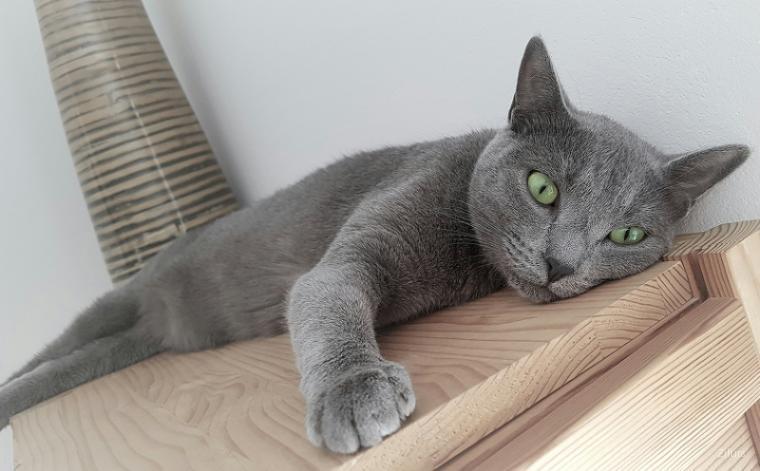
Korat
Last Updated:
The Korat is a rare, short-haired cat from Thailand known for its silver-blue coat, bright green eyes, and affectionate personality. It is considered a symbol of good luck.
Height
9 - 12 Inches
Intelligence
High
Lifespan
12 - 15 years
Weight
2.5 - 4.5 Kg
Temperament
About
The Korat is a rare and distinctive cat breed that originated in Thailand, where it has been cherished for centuries. Known for its striking silver-blue coat, large green eyes, and heart-shaped face, the Korat is an elegant and affectionate companion with a strong connection to its family.
Korat cats are known for their intelligence, loyalty, playfulness, and affectionate nature. They often form close bonds with their owners and enjoy being involved in household activities. Unlike some independent cat breeds, Korats generally prefer companionship and may become unhappy if left alone for long periods.
Despite their elegant appearance, Korats are active and athletic cats. They enjoy interactive play, climbing, exploring, and mentally stimulating activities. Their short coat is relatively easy to maintain, making them a practical choice for owners who want a beautiful cat without extensive grooming requirements.
Korat Cat Appearance
The Korat has a distinctive appearance that makes it easy to recognize. Its most notable features are its silver-blue coat, large luminous eyes, heart-shaped face, and muscular body.
Common physical characteristics of the Korat include:
- Short, close-lying silver-blue coat
- Large, expressive eyes
- Green or greenish-gold eyes in mature cats
- Heart-shaped face
- Large ears with rounded tips
- Muscular and athletic body
- Tapered tail
- Strong legs and paws
The Korat's coat has a distinctive silver sheen, with lighter-colored tips that can create a shimmering appearance when the cat moves under light.
Korat Cat Temperament
The Korat cat temperament is generally affectionate, intelligent, playful, alert, and people-oriented. Korats often form strong bonds with their families and enjoy spending time close to their owners.
They can be sensitive to changes in their surroundings and may prefer a calm and predictable home environment. Because of their social nature, they may not enjoy being left alone for extended periods.
Korats can also be quite expressive and may use different vocalizations to communicate with their owners.
Are Korat Cats Good Family Pets?
Yes, Korat cats can make excellent family companions for households that can provide attention, playtime, and companionship. They are affectionate and often enjoy interacting with their owners.
They can live with children when properly socialized, although children should be taught to handle cats gently and respect their personal space.
Because Korats can be sensitive and energetic, a calm household with regular routines may be particularly suitable for them.
Korat Cat Intelligence and Training
Korats are highly intelligent cats and can learn routines, games, and simple behaviors with positive reinforcement. They often enjoy interactive activities that challenge both their body and mind.
Owners can provide mental stimulation through:
- Puzzle feeders
- Interactive toys
- Clicker training
- Food-based games
- Climbing structures
- Interactive play sessions
Training should be based on positive reinforcement. Harsh punishment can create fear and may negatively affect the bond between the cat and its owner.
Korat Cat Exercise Requirements
Korats are active and athletic cats that require regular opportunities for physical activity. They enjoy climbing, jumping, chasing toys, and interactive games.
Daily activities can include:
- Interactive wand toys
- Chasing games
- Climbing trees and shelves
- Puzzle toys
- Food puzzles
- Supervised exploration
Providing vertical spaces and interactive toys can help keep a Korat physically active and mentally stimulated, particularly in an apartment.
Can Korat Cats Live in Apartments?
Yes, Korat cats can adapt well to apartment living. Their size and indoor adaptability make them suitable for urban homes, provided they receive enough exercise, attention, and enrichment.
Apartment owners should provide scratching posts, climbing areas, toys, comfortable resting spaces, and regular interactive play sessions.
Korat Cat Grooming Requirements
The Korat has a short, close-lying coat that is relatively easy to maintain. Unlike long-haired breeds, it does not usually require extensive grooming.
Basic grooming should include:
- Weekly brushing
- Occasional bathing when necessary
- Regular nail trimming
- Ear cleaning
- Dental care
- Routine veterinary check-ups
Regular brushing can help remove loose hair while also distributing natural oils throughout the coat, helping maintain its healthy appearance.
Do Korat Cats Shed a Lot?
Korat cats generally have a short coat and are not considered heavy shedders compared with many long-haired breeds. Regular brushing can help remove loose hair and keep shedding under control.
Individual cats can still experience increased shedding during seasonal coat changes, so occasional additional brushing may be helpful.
Korat Cat Health
Like all cats, Korats require regular veterinary care, vaccinations, parasite prevention, dental care, and a balanced diet. Responsible breeders should also prioritize appropriate health screening and provide relevant health information about their breeding cats.
Owners should monitor their Korat's weight, appetite, activity level, dental health, coat condition, and litter box habits. Any significant or persistent change in behavior or health should be discussed with a veterinarian.
What Should You Feed a Korat Cat?
A Korat should receive a complete and balanced cat diet appropriate for its age, activity level, and individual health requirements.
Fresh drinking water should always be available. Kittens, adult cats, and senior cats have different nutritional requirements, so their diet and feeding portions should be adjusted accordingly.
Owners should avoid excessive treats and overfeeding because maintaining a healthy body weight is important for a cat's long-term health.
Korat Cat Socialization
Early socialization can help Korat kittens become comfortable with different people, household sounds, handling, grooming, and appropriate animals.
Because Korats can be sensitive, new experiences should be introduced gradually and positively. Providing a safe space where the cat can retreat can also help reduce stress.
Are Korat Cats Good with Other Pets?
Korat cats can live with other cats and cat-friendly dogs when properly introduced. However, individual temperament matters, and introductions should always be gradual.
Each pet should have access to its own food, water, resting areas, and litter resources to reduce competition and stress.
Are Korat Cats Vocal?
Korats can be communicative and may use vocalizations to interact with their owners. Their vocal behavior varies between individual cats, but many enjoy communicating with people and may become more vocal when seeking attention, food, or interaction.
Are Korat Cats Good for First-Time Cat Owners?
Korat cats can be suitable for first-time cat owners who are prepared to provide regular companionship, interactive play, enrichment, grooming, and veterinary care.
Their short coat makes grooming relatively simple, but their social and intelligent nature means they need more interaction and mental stimulation than a cat that is comfortable spending most of its time alone.
How Long Do Korat Cats Live?
Korat cats can live for many years with proper nutrition, veterinary care, a safe environment, and a healthy lifestyle. Individual lifespan can vary depending on genetics, healthcare, diet, and overall wellbeing.
Korat Cat Price in India
The Korat cat price in India can vary considerably because the breed is relatively uncommon and may have limited availability. Price can depend on breeder reputation, pedigree, lineage, age, health screening, location, and availability.
As a general estimate, a Korat kitten in India may cost approximately ₹50,000 to ₹1,50,000 or more. Imported or exceptionally well-bred kittens may cost considerably more because of transportation, documentation, and limited availability.
Prospective owners should consider health records, vaccination history, breeder practices, kitten socialization, and overall wellbeing rather than choosing a kitten based solely on price.
Korat Cat Monthly Maintenance Cost in India
The estimated Korat cat monthly maintenance cost in India can range from approximately ₹3,000 to ₹7,000 or more, depending on food, healthcare, litter, grooming, preventive treatments, toys, and lifestyle.
Regular expenses may include:
- Quality cat food
- Cat litter
- Routine veterinary care
- Vaccinations
- Parasite prevention
- Grooming supplies
- Dental care
- Toys and enrichment
Can Korat Cats Live in India's Climate?
Korat cats can live comfortably in India's climate when kept indoors in a safe and well-ventilated environment. During hot weather, owners should provide fresh water, shade, ventilation, and a cool resting area.
Indoor cats should be protected from excessive heat and direct sunlight, particularly during the hottest parts of the day.
Are Korat Cats Affectionate?
Yes, Korats are generally affectionate and people-oriented cats. They often form strong bonds with their owners and enjoy staying close to their families.
However, each cat has its own personality, and some may prefer affection on their own terms rather than constant handling.
Final Thoughts
The Korat cat is a beautiful and relatively rare Thai breed known for its silver-blue coat, striking eyes, intelligence, loyalty, and affectionate personality. Its short coat makes grooming relatively simple, while its active and social nature makes regular play and companionship important.
For prospective owners in India, it is important to consider both the Korat cat price in India and ongoing costs for food, litter, healthcare, enrichment, and preventive care before bringing one home.
With a balanced diet, regular veterinary care, appropriate grooming, daily interaction, mental stimulation, and a safe indoor environment, the Korat can be a loving and rewarding companion.
Care Requirements
Compatibility
Available Colors
Health Considerations
- Gangliosidosis
- Dental Issues
Fun Facts
- King Rama V (1868–1910) of Siam highly favored the breed, and it is said that he ordered state funerals for his favorite Korats.
Frequently Asked Questions
Common questions about the Korat breed.
What is a Korat cat?
The Korat is a rare cat breed originating from Thailand. It is known for its distinctive silver-blue coat, large expressive eyes, heart-shaped face, muscular body, intelligence, and affectionate personality.
How much does a Korat cat cost in India?
The Korat cat price in India can typically range from ₹50,000 to ₹1,50,000 or more. The actual price depends on pedigree, breeder reputation, lineage, health screening, location, age, and availability.
Are Korat cats good family pets?
Yes, Korat cats can make affectionate and loyal family companions. They generally enjoy spending time with their owners and can form strong bonds with family members when properly socialized.
Are Korat cats good apartment cats?
Yes, Korat cats can adapt well to apartment living. They are suitable for indoor environments when provided with regular interactive play, climbing opportunities, scratching posts, mental stimulation, and attention.
Are Korat cats affectionate?
Korat cats are generally affectionate and people-oriented. They often form strong bonds with their owners and enjoy companionship, although individual cats may differ in how much physical affection they prefer.
Are Korat cats easy to train?
Korat cats are intelligent and can learn routines, games, and simple behaviors through positive reinforcement. Interactive toys, treats, clicker training, and puzzle activities can provide useful mental stimulation.
How much exercise does a Korat cat need?
Korat cats are active and athletic and benefit from daily interactive play. Wand toys, climbing structures, puzzle feeders, chasing games, and supervised exploration can help meet their physical and mental needs.
Do Korat cats shed a lot?
Korat cats have a short, close-lying coat and are generally not considered heavy shedders compared with many long-haired cat breeds. Regular brushing can help remove loose hair and keep the coat healthy.
How often should a Korat cat be groomed?
Korat cats have relatively low grooming requirements. Regular brushing, occasional bathing when necessary, nail trimming, ear cleaning, and dental care are generally sufficient for routine grooming.
Are Korat cats good with children?
Korat cats can live well with children when properly socialized and treated gently. Children should be taught to respect the cat's personal space and handle it carefully.
Are Korat cats good with other pets?
Korat cats can live with other cats and cat-friendly dogs when introduced gradually and appropriately. Individual temperament matters, so introductions should be supervised and each pet should have access to its own resources.
Are Korat cats vocal?
Korat cats can be communicative and may use vocalizations to interact with their owners. Their level of vocalization varies between individual cats and may increase when they want attention, food, or play.
What is the monthly maintenance cost of a Korat cat in India?
The estimated Korat cat monthly maintenance cost in India can range from around ₹3,000 to ₹7,000 or more. Expenses may include food, cat litter, veterinary care, vaccinations, parasite prevention, grooming supplies, toys, and enrichment.
What should I feed a Korat cat?
A Korat cat should receive a complete and balanced diet appropriate for its age, activity level, and individual health needs. Fresh drinking water should always be available, and food portions should be managed to maintain a healthy body weight.
Are Korat cats suitable for first-time cat owners?
Korat cats can be suitable for first-time cat owners who are prepared to provide regular companionship, interactive play, enrichment, grooming, and veterinary care. Their short coat makes grooming relatively simple.
Can Korat cats live in India's climate?
Korat cats can live in India when kept in a comfortable indoor environment. During hot weather, owners should provide fresh water, good ventilation, shade, and a cool resting area while avoiding excessive heat exposure.
How long do Korat cats live?
Korat cats can have a long lifespan when provided with proper nutrition, veterinary care, a safe environment, and a healthy lifestyle. Individual lifespan varies depending on genetics, healthcare, diet, and overall wellbeing.
Are Korat cats indoor cats?
Korat cats can thrive as indoor cats when their environment provides sufficient exercise, climbing opportunities, scratching areas, interactive toys, and mental stimulation. Indoor living can also help protect them from outdoor hazards.
Are Korat cats rare in India?
Yes, Korat cats are relatively uncommon in India compared with more widely available cat breeds. Their limited availability can make kittens more expensive and may require prospective owners to research breeders carefully.
Are Korat cats high maintenance?
Korat cats are relatively low maintenance when it comes to grooming because of their short coat. However, they are social and intelligent cats that need regular attention, play, enrichment, balanced nutrition, and routine veterinary care.